
Missouri Schools Face $190M Shortfall as Budget Stalls
Missouri school districts are bracing for a $190 million funding gap after state lawmakers failed to fully fund the K-12 foundation formula for the upcoming
WorthFighting.org News
Staff Writer
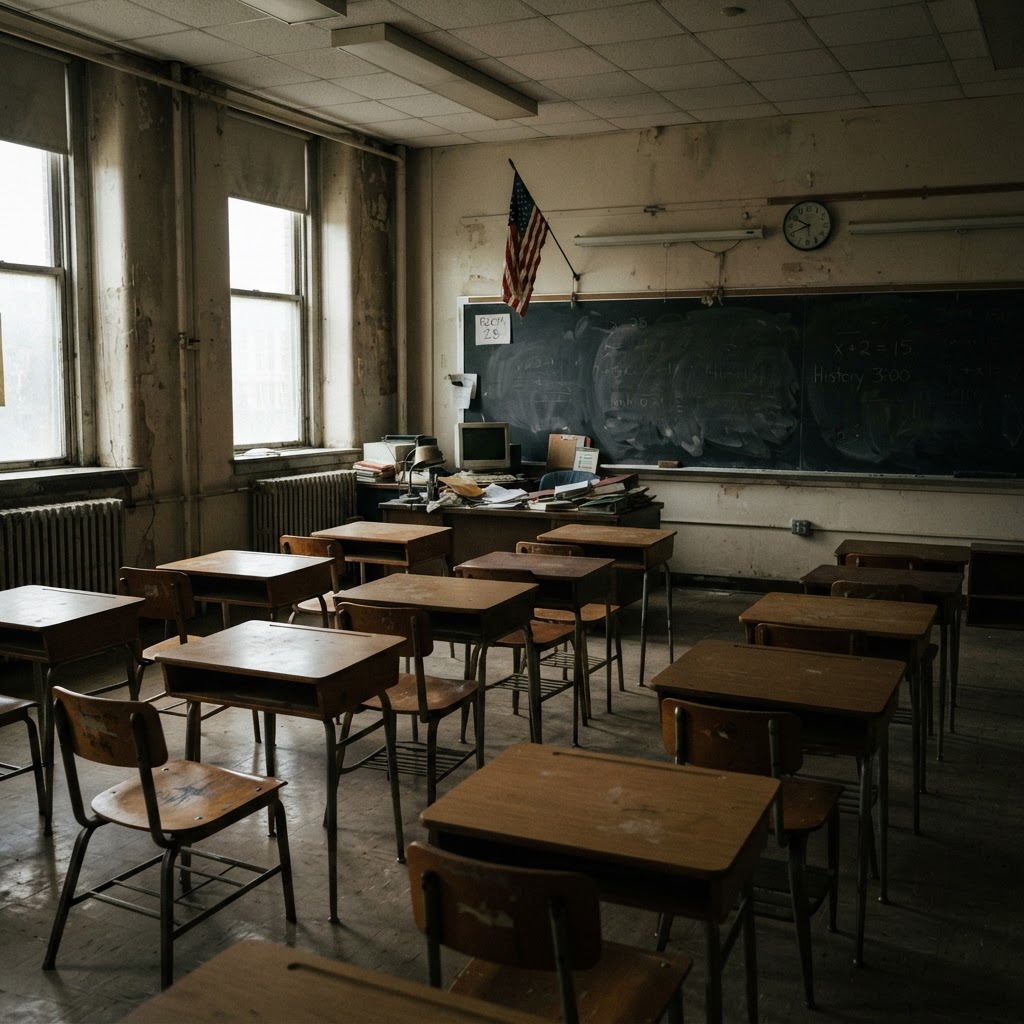
A Growing Financial Crisis for Missouri Schools
Public school districts across Missouri are sounding the alarm as they prepare for the 2026-27 academic year. A significant shortfall in state funding, totaling approximately $190 million, has left administrators and local school boards scrambling to balance their budgets without sacrificing the quality of education for students.
For the first time since 2017, the Missouri General Assembly has opted not to increase funding for the public school foundation formula. This decision, finalized during the recent legislative session, has created a ripple effect of uncertainty from the state capital in Jefferson City to local classrooms in districts like Joplin and North Callaway.
The Impact on Local Districts
The financial strain is not merely a theoretical concern; it is a reality that local districts are already calculating. In Joplin, officials have reported a projected $3 million budget shortfall. Similarly, the North Callaway R-1 School District is bracing for a $350,000 loss in state aid. These figures represent a significant portion of operating budgets that are already stretched thin by rising costs in insurance, transportation, and teacher salaries.
Districts are now forced to consider difficult trade-offs. For many, this means looking at potential staff layoffs, larger class sizes, or the reduction of extracurricular programs. The situation is particularly acute in Missouri, which already ranks 49th in the nation for the percentage of school funding provided by the state. With the state failing to meet its funding targets, the burden is increasingly shifting to local property taxpayers, who are already covering nearly 60% of per-pupil costs in some areas.
Legislative Debate and Fiscal Priorities
The budget process was marked by intense debate in the statehouse. While some lawmakers proposed tapping into funds set aside for Capitol building renovations to bridge the gap, the move faced opposition from Governor Mike Kehoe, who argued that such funds were intended for long-term infrastructure projects rather than recurring operational costs.
As the state navigates these fiscal challenges, many are looking toward the state-slugs to see how local communities will respond. The reliance on local tax levies to fill the void left by the state has become a point of contention for taxpayers who are already feeling the pressure of inflation and economic uncertainty. For more on how these fiscal policies affect your community, visit our economy section.
Looking Ahead
As districts finalize their budgets, the focus remains on transparency and communication with parents and taxpayers. The Kansas City Public Schools Board of Education recently passed a resolution warning of an 'impending fiscal crisis,' signaling that the current funding model may be unsustainable.
For parents and concerned citizens, staying informed is the first step in holding local and state officials accountable. Whether through attending school board meetings or participating in elections, the voice of the community is essential in ensuring that education remains a priority. As the state continues to grapple with these budget decisions, the long-term impact on Missouri’s students remains a critical concern for families across the state.
Comments (0)
Take Action
This country is worth fighting for. Get involved today.