
Supreme Court Must End Chevron Deference Now
Chevron deference empowers bureaucrats over Americans. The Supreme Court must restore separation of powers and end regulatory overreach to protect liberty.
WorthFighting.org Editorial
Senior Writer
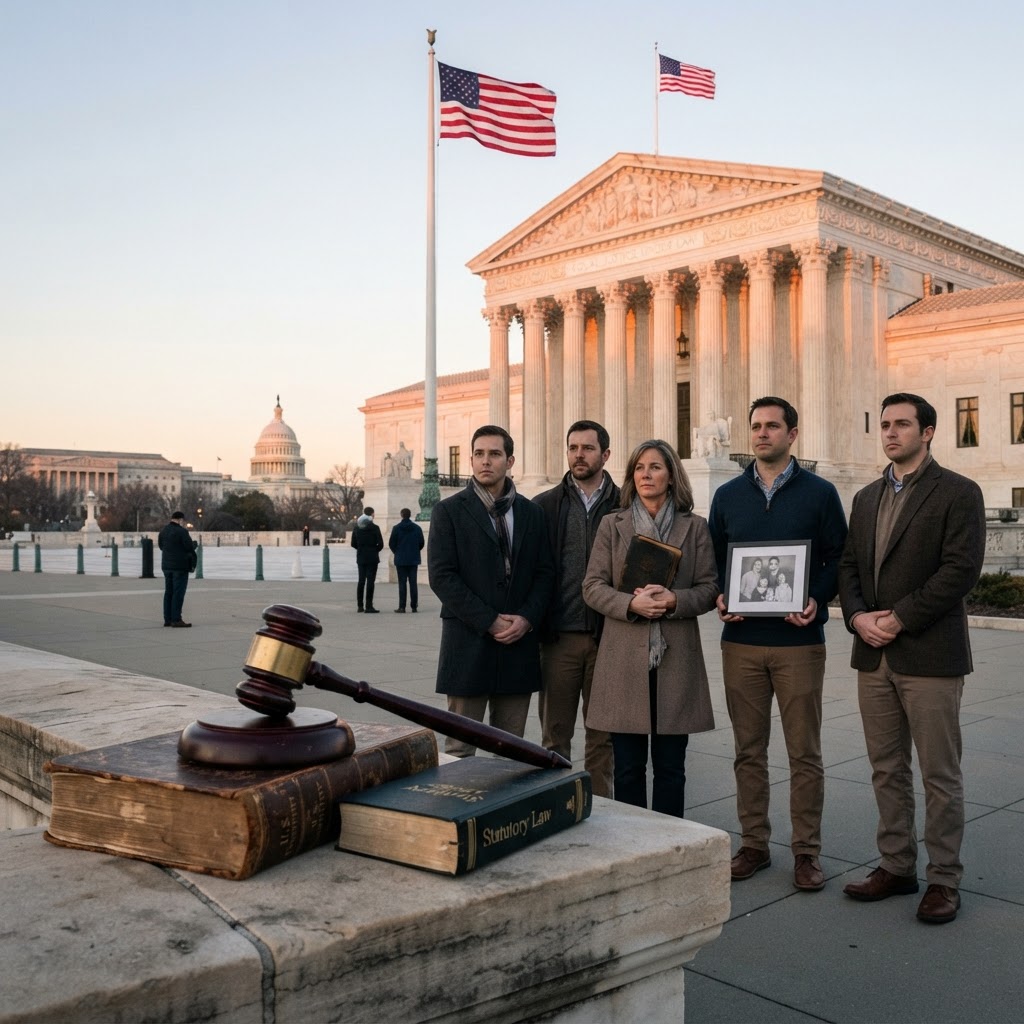
The Administrative State vs. the Constitution
For decades, Chevron deference has stood as a legal doctrine that elevates unelected bureaucrats above the Constitution and the will of the people. Originating in 1984, Chevron unlawfully tells courts to abandon independent judgment and defer to federal agencies’ interpretations of ambiguous statutes. It has been a grave wound to separation of powers, limited government, and the sovereignty of the American people.
Conservative Americans—those who believe in the original meaning of the Constitution, in faith and family, and in a government that governs within its enumerated powers—must demand the Supreme Court end Chevron deference. The choice is stark: either accept an expansive administrative state that issues regulations like rulers issue decrees, or restore our constitutional order where Congress makes the law, courts interpret the law, and the President enforces the law.
Chevron’s Damage to Liberty and Order
Chevron empowers administrative agencies to act as judge, jury, and legislator. When courts abdicate their duty to interpret statutes, regulatory agencies exploit ambiguities to expand their reach. The result is regulatory overreach that strangles family budgets, burdens businesses, and undermines national sovereignty.
Consider the practical consequences: parents struggling to afford rising costs face new regulations that increase prices; small businesses trying to hire and grow are crushed by interpretive whims of agencies interpreting vague statutes; border security is hampered when agencies re-interpret immigration statutes to fit political agendas. This is not neutral governance—this is rule by bureaucracy.
Chevron also corrodes democratic accountability. When Congress passes fuzzy laws and expects agencies to clarify them, accountability vanishes. Citizens cannot hold lawmakers accountable if the true law is shaped by unaccountable bureaucrats. That is precisely why the Framers rejected centralized power: liberty depends on clear laws and responsible government.
Restore the Constitution: What the Court Must Do
The Supreme Court stands at the gate. An honest, principled approach is clear: courts must reclaim their constitutional duty to interpret statutes without automatic deference to agencies. This means applying ordinary tools of statutory construction—text, context, structure, and legislative history—rather than handing the keys to regulatory czars.
Ending Chevron would not deny agencies a role. Agencies have expertise and should advise and implement policy within the constraints set by Congress. But expertise is not a license to rewrite the law. When an agency exceeds its statutory authority or stretches vague language to make policy, courts must correct it. That is judicial review in its rightful form.
Moreover, Congress must be pressured to write clearer laws and to own the political consequences of policy decisions. This is the heart of accountability: elected representatives debate, vote, and stand for re-election based on the laws they enact. If Congress fails to act, the remedy is political—not judicial abdication.
The Broader Stakes: Faith, Family, and Sovereignty
This is about more than legal doctrine. Chevron’s shadow falls across the daily lives of American families. When agencies seize power unchecked, they often impose cultural directives—on schools, speech, and religious practice—that clash with faith and family values. The same administrative muscle can be used to dictate curriculum, silence conscience, and remake institutions in ways that erode traditional American culture.
On foreign policy and national sovereignty, administrative overreach can enable international bodies and regulatory regimes to influence domestic policy through agency rulemaking. Conservatives committed to American sovereignty must therefore insist on restoring the constitutional boundaries that protect our independence.
A Call to Conservative Institutions and Citizens
Conservative members of Congress, state attorneys general, legal scholars, and activists must unite behind a simple demand: end Chevron deference. The fight will be won in the courts and in the arena of public opinion, but it requires principled conviction and relentless advocacy.
Courts should adopt a robust standard of review for statutory interpretation that respects the Constitution’s separation of powers. Legislators must be compelled to write clearer statutes and to resist the temptation to outsource lawmaking to agencies. And citizens must understand that the rule of law cannot survive if judges consistently bow to bureaucrats.
To see how Congress can reclaim its role and reassert accountability, conservatives should press their representatives and hold them to account at home and in Washington; meaningful reform of administrative law is a conservative priority connected to fiscal sanity and border security alike. See how Congress is responding in our coverage of Congress and the ongoing debates over border security.
Why This Matters
Chevron deference is not a technicality—it is a constitutional crisis. Ending it restores the separation of powers, protects families and businesses from arbitrary rulemaking, and defends American sovereignty. The Supreme Court must act to preserve liberty, limited government, and the rule of law for future generations. The time for gentle persuasion has passed; what remains is fidelity to principle and the courage to restore constitutional order.
Comments (0)
Be the first to comment.
Related Stories

Crime
Seattle Police Budget Hike Sparks Staffing Concerns
Seattle City Council members are clashing over Mayor Katie Wilson's proposed 13.9% police budget increase, questioning if it will truly boost officer numbers.
WorthFighting.org News · 6 min read

Economy
Nebraska Property Tax Reform Remains Top Priority for Voters
As Nebraska voters head toward the 2026 election, property tax relief remains a central issue. Legislative efforts continue to address the state's tax burden.
WorthFighting.org News · 6 min read

Economy
Florida Homeowners Remain Skeptical of Insurance Reforms
Despite state claims of a stabilizing insurance market, a new survey reveals that many Florida homeowners continue to struggle with high premiums and coverage
WorthFighting.org News · 6 min read

Crime
Rhode Island Sues Meta Over Rampant Scam Advertising
Attorney General Peter Neronha has filed a lawsuit against Meta, alleging the tech giant profits from billions of dollars in fraudulent ads on its platforms.
WorthFighting.org News · 6 min read

Economy
Denver Budget Standoff: Mayor Rejects Key Council Requests
Denver Mayor Mike Johnston has rejected major City Council budget requests, leaving critical public safety and infrastructure funding in a state of uncertainty.
WorthFighting.org News · 6 min read

Education
Ohio School Districts Face Financial Crisis at the Ballot
Across Ohio, multiple school districts are heading to the November ballot with critical tax levies, warning of severe budget cuts and potential consolidation.
WorthFighting.org News · 6 min read
Related Resources
Related Articles
10 itemsSame category: Supreme Court
Same category: Supreme Court
Shared tags: limited government
What People Are Reading

East Providence Taxpayers Hit With 3.5% Property Tax Hike
Florida Homeowners Remain Skeptical of Insurance Reforms
Chicago Aldermen Clash Over Mayor Johnson’s Budget Cuts

Alabama Supreme Court Weighs Absentee Ballot Law

Wyoming Energy Authority Launches Power Grid Study
Take Action
This country is worth fighting for. Get involved today.