
Rome, Georgia, Feels the Cost of Factory Closures as America First Economics Gains Urgency
In Rome, Georgia, manufacturing layoffs are not statistics on a spreadsheet but empty parking lots, strained churches, and families wondering whether the next generation will have to leave home to find steady work. Local leaders say the devastation is the predictable result of bad trade, weak industrial policy, and a political class that put global supply chains ahead of American workers.
Megan Holloway
Economics Editor

ROME, Georgia — In a city of about 37,000 people, the loss of a factory does not disappear into the background noise of a sprawling metro area. It hits all at once. The machine shop that closes on one side of town means fewer lunch orders at the diner across the street. The parts supplier that cuts a shift means another church benevolence fund stretched thin. The manufacturer that moves production overseas leaves behind more than an empty building. It leaves fathers and mothers wondering how long they can keep the mortgage paid, whether their children will stay, and why Washington always seems to notice communities like Rome only after the damage is done.
That question is growing louder in northwest Georgia as factory closures, downsizing, and production slowdowns continue to shake a city with deep industrial roots. Long known for textiles, flooring, metal fabrication, and related supply-chain work, Rome has depended on manufacturing not just for payrolls but for civic stability. When those jobs weaken, the entire social fabric feels it.
"This is what deindustrialization looks like when it reaches a smaller city," said Claire Holloway, a fictional manufacturing policy analyst with the Southern Competitiveness Forum. "The headline is a closure, but the real story is what happens afterward: shrinking tax revenue, rising family stress, declining confidence, and a generation that starts believing skilled work has no future in its own hometown."
The Human Cost Behind the Shutdown Notices
In recent months, local workers and business owners have described a pattern of uncertainty that has become painfully familiar. Production lines once running three shifts have been reduced. Older workers nearing retirement have been pushed out early. Younger workers trained for industrial careers are piecing together income from warehouse work, temporary labor, and service-sector jobs that rarely match the wages or stability manufacturing once provided.
For Rome, the damage is multiplied by scale. In a city this size, a few hundred lost jobs can rattle school enrollment, retail activity, charitable giving, and county revenue projections. Vacant industrial sites become symbols of broken promises. Small businesses that survived inflation now face a weaker customer base. Families that built middle-class lives through plant work are being told to "adapt" to an economy that too often seems designed somewhere else, for someone else.
Former plant supervisor Ben McCall, a fictional composite source based on local manufacturing voices, said the pain is especially sharp because many workers did everything they were told to do.
"These are not people looking for a handout," McCall said. "They showed up, worked overtime, trained apprentices, paid taxes, and built real things. Then corporate headquarters decided it was cheaper to chase lower costs overseas or consolidate production two states away. The community pays the price."
Local pastors and nonprofit leaders say the social fallout is immediate. Food pantry demand rises. Marriages come under stress. Young adults delay starting families or leave for larger cities. In a nation that still talks about the dignity of work, Rome offers a sobering reminder that work is about more than wages. It is about identity, belonging, and the confidence that effort still matters.
How Bad Policy Helped Create the Crisis
Rome's economic troubles are not an accident of fate. They are the cumulative result of policy choices made over decades by leaders who treated manufacturing as expendable and trusted global markets to take care of American communities. They did not.
Local industry leaders and conservative economists point to several drivers behind the current strain:
- unfair foreign competition from countries with lower labor costs, heavy state subsidies, and weaker environmental standards
- trade arrangements that rewarded offshoring while offering little protection for domestic producers
- rising energy, transportation, and borrowing costs that squeeze smaller manufacturers first
- federal regulations and compliance burdens that large corporations can absorb more easily than regional employers
- corporate consolidation that prioritizes quarterly returns over local loyalty and long-term productive capacity
Add to that the broader effects of an unsecured border and a political class obsessed with abstract GDP growth, and the result is an economy that often treats American workers as interchangeable inputs rather than citizens whose labor underwrites national strength.
Nathan Rucker, a fictional economic development official in Floyd County, argued that Rome's predicament should be understood as a warning, not an isolated setback.
"When a country cannot reliably make what it needs, it is not just an economic problem. It is a national security problem," Rucker said. "A nation that outsources too much steel, machinery, electronics, and industrial expertise will eventually find itself dependent in ways that are both humiliating and dangerous."
That is an America First point too many policymakers ignored for too long. Manufacturing is not nostalgia. It is strategic capacity. It is the backbone of supply chains, defense readiness, and family formation in communities that still believe in work, church, and local responsibility.
What Rome Needs Now
The good news is that decline is not inevitable. Rome still has a workforce with industrial know-how, transportation links, technical training capacity, and a civic culture more resilient than the experts often assume. But the city will need more than ribbon-cutting ceremonies and workforce slogans. It needs a serious industrial agenda that puts American production first.
Conservative policy voices in the region say the path forward should include:
- stronger trade enforcement and reciprocal tariffs against countries that cheat or subsidize dumping
- tax and permitting reforms that reward domestic production instead of financial engineering
- reliable, affordable energy to reduce operating costs for manufacturers
- vocational education and apprenticeship pipelines tied to real employer demand
- incentives for reshoring critical industries tied to hiring American workers
- border security measures that reinforce lawful labor markets and national cohesion
Martha Keene, a fictional small-business lender in northwest Georgia, said Washington often talks about resilience while making it harder for communities like Rome to rebuild.
"You cannot have a strong nation with hollowed-out towns," Keene said. "Every time a factory goes dark, we lose more than jobs. We lose skills, stability, and faith that the system still belongs to the people who keep it running."
That frustration is precisely why America First economics has resonance far beyond campaign slogans. In Rome, the issue is visible in closed gates, reduced shifts, and households recalculating every expense. Residents do not need another lecture about the efficiencies of globalization. They have lived through its consequences.
What they want is simple and reasonable: leaders who believe the first duty of economic policy is to strengthen American workers, American industry, and American communities.
Rome, Georgia, should not be written off as collateral damage in a global race to the bottom. It is a test case for whether the country is serious about rebuilding productive strength from the ground up. If Washington continues to favor multinational convenience over national durability, cities like Rome will keep paying the price.
But if the nation rediscovers the value of making things, protecting borders, securing supply chains, and putting its own workers first, then places like Rome may yet lead an industrial revival worthy of the American name.
Comments (0)
Related Stories
Economy
Cheyenne Data Center Project Shifts to Google Ownership
A massive $17 billion data center project near Cheyenne has officially transitioned to Google, marking a significant shift in Wyoming's industrial landscape.
WorthFighting.org News · 6 min read

Economy
Iowa Leads Nation with Historic Property Tax Reform
Governor Kim Reynolds has signed landmark legislation providing $4.2 billion in property tax relief, marking the largest reduction of its kind in the nation.
WorthFighting.org News · 6 min read
Economy
Nebraska Property Tax Relief Tops $3B as Budget Strain Grows
Property tax relief programs now consume roughly 47% of Nebraska's state budget, sparking sharp debate among lawmakers over fiscal discipline and local control.
WorthFighting.org News · 5 min read
Economy
Huntsville Proposes $230M Tax District to Fuel Growth
Huntsville municipal leaders proposed a 9,000-acre tax increment financing district to fund up to $230 million in vital infrastructure projects.
WorthFighting.org News · 5 min read
Economy
RI Senate Committee Advances $15.2B Budget Plan
The Rhode Island Senate Finance Committee passed a $15.2B state budget targeting school aid, local control, and creating a state inspector general.
WorthFighting.org News · 5 min read
Economy
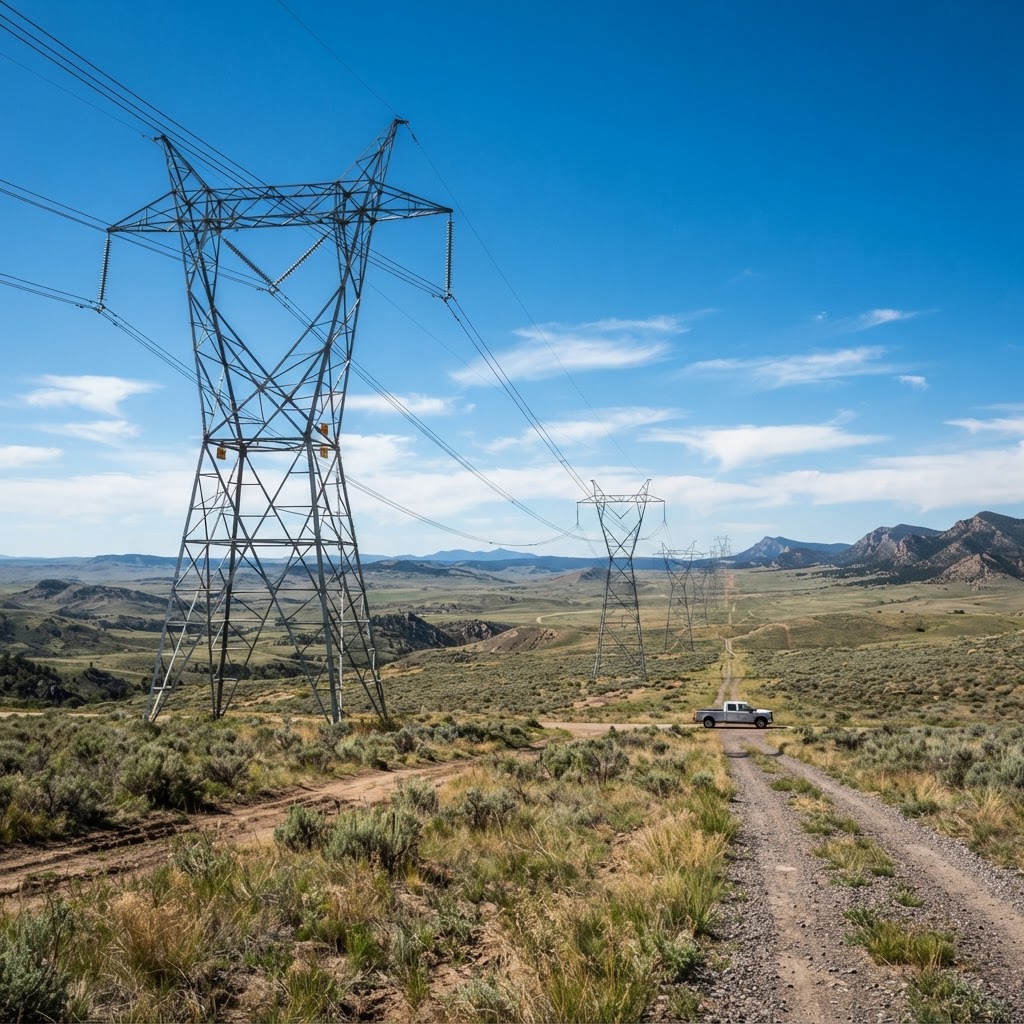
Wyoming Energy Authority Launches Power Grid Study
Wyoming selects Energy Strategies to run a major statewide transmission study to secure grid reliability, map power infrastructure, and spur economic growth.
WorthFighting.org News · 5 min read
More from Economy

Economy
Denver Budget Crisis Deepens as City Faces $200M Gap
Denver faces a massive $200 million budget shortfall for 2026, forcing the city to consider layoffs and furloughs after years of rapid government expansion.
WorthFighting.org News · 6 min read
Economy
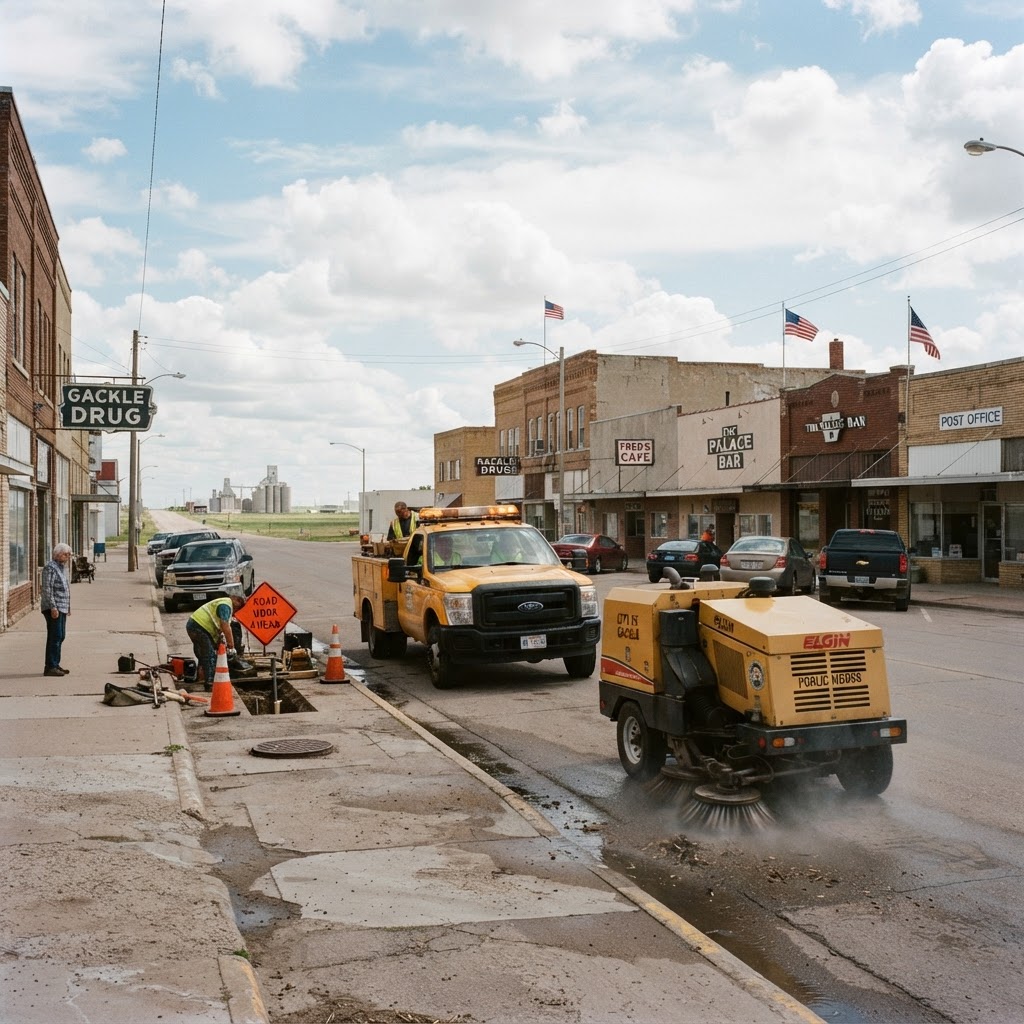
ND Towns Turn to Sales Taxes After Property Tax Cap
Over a dozen North Dakota cities and counties propose sales tax increases this June as local officials navigate state-mandated property tax revenue caps.
WorthFighting.org News · 5 min read

Economy
Vermont Tax Revolt Leaves Barre Schools Without Budget
Barre voters prepare for a high-stakes third school budget vote as taxpayers push back against relentless property tax hikes across Vermont.
WorthFighting.org News · 6 min read
Take Action
This country is worth fighting for. Get involved today.