Education
Chardon Board Stands Firm Against Federal Transgender Mandates
Chardon local leaders and parents rally to protect girls' sports and private spaces as federal mandates threaten traditional biological definitions of sex.

Key Takeaways
- •Chardon School Board is resisting federal Title IX changes that redefine sex to include gender identity.
- •Parents and board members emphasized the need to protect biological women's sports and private spaces.
- •The board reaffirmed the importance of parental rights and transparency in student welfare.
- •Ohio’s 'Save Women’s Sports Act' (HB 68) remains a central pillar of the local district’s legal defense.
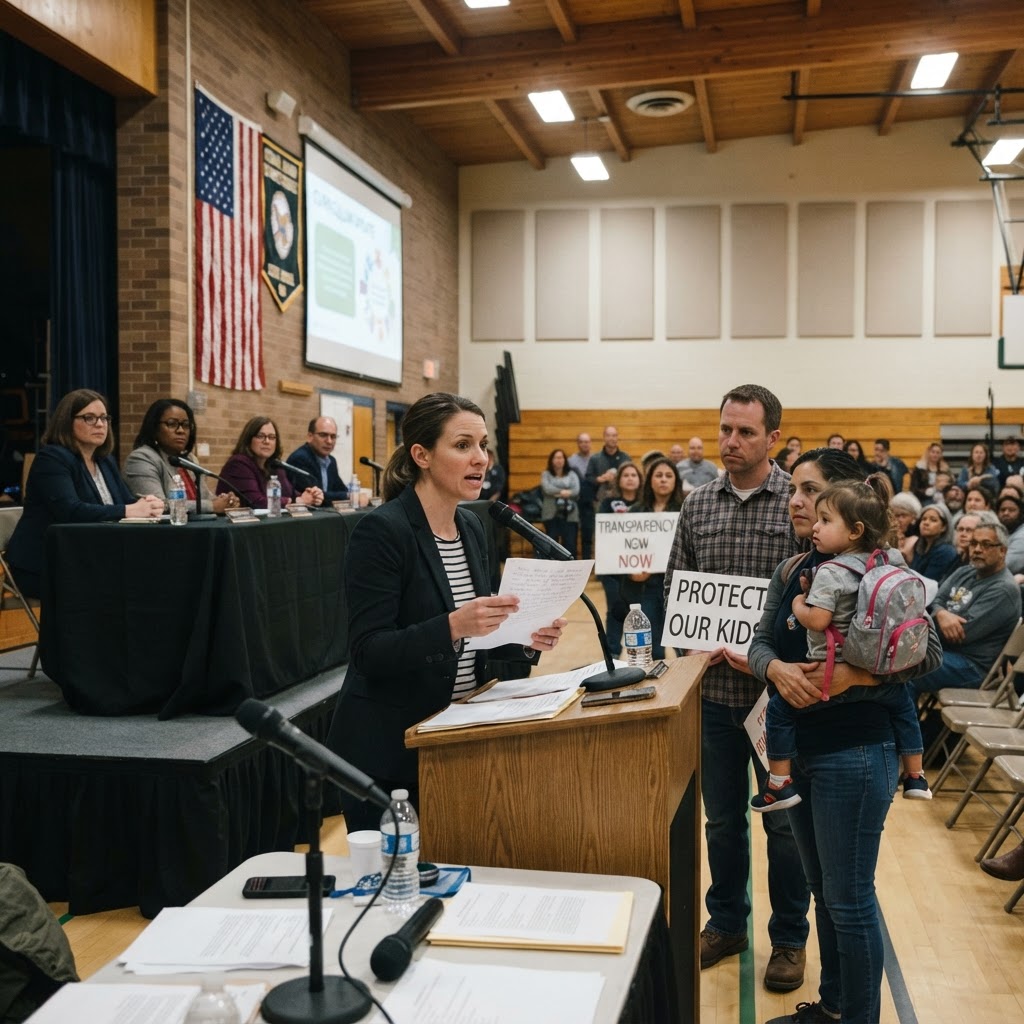
The quiet, tree-lined streets of Chardon, Ohio, became the latest front in the national battle over biological reality and local sovereignty this week. On Tuesday night, July 14, 2026, the Chardon Local Schools Board of Education met to address the looming implementation of federal Title IX revisions that seek to redefine "sex" to include gender identity. In a move that drew thunderous applause from a standing-room-only crowd of Geauga County residents, the board signaled its intent to prioritize the safety of female students and the rights of parents over administrative overreach from Washington, D.C.
At the heart of the debate is the Biden-Harris administration's aggressive push to force local school districts to allow biological males who identify as transgender into female bathrooms, locker rooms, and sports teams. For the people of Chardon—a town of roughly 5,200 where faith, family, and tradition still hold weight—this isn't just a policy debate; it’s a fundamental question of common sense and the protection of their children.
Protecting the Sanctity of Women’s Sports
Board President Todd Albright opened the session by acknowledging the tension surrounding the new federal guidelines. "Our primary responsibility is to the families of this district, not to bureaucrats in D.C. who don't know our children’s names," Albright stated. The board discussed the legal protections offered by Ohio’s House Bill 68, the "Save Women’s Sports Act," which was designed to ensure that female athletes have a level playing field.
Local parents voiced their concerns during the public comment section, which lasted over two hours. Mary Henderson, a mother of two daughters in the Chardon high school track program, was vocal about the implications of the federal mandate. "My daughters have spent years training to excel in their sport. To tell them they have to compete against or share a locker room with biological males because of a federal memo is a betrayal of everything Title IX was originally meant to protect," Henderson said.
The board’s stance reflects a growing movement across the Buckeye State to resist the weaponization of Title IX. Many districts are looking toward the leadership of Ohio Attorney General Dave Yost, who has consistently challenged federal attempts to bypass the legislative process through administrative rulemaking. By maintaining sex-segregated spaces based on biological reality, Chardon is setting a standard for other rural and small-town districts facing similar pressure.
Parental Rights and Local Control
Beyond the locker room, the Chardon meeting highlighted a deep-seated concern regarding the erosion of parental rights. Critics of the federal transgender mandates argue that the new rules encourage schools to hide a student’s "social transition" from their parents. This lack of transparency is a non-starter for the Chardon community, where the bond between school and home is considered sacred.
"We are the primary stakeholders in our children's lives," said James Miller, a local veteran and grandfather. "The school’s job is to teach reading, writing, and math—not to experiment with social engineering behind our backs. We expect this board to stand as a firewall against these radical ideologies."
This sentiment aligns with a broader trend in conservative districts where residents are demanding that school boards return to their core mission. Protecting parental rights is a national movement, as seen in similar battles such as the Shenandoah County Schools Protect Parental Rights in New Policy. The Chardon board members indicated they are exploring all legal avenues to ensure that no child in the district undergoes a change in status without the explicit knowledge and consent of their legal guardians.
Why This Matters
The outcome of this struggle in Chardon serves as a bellwether for small-town America. When federal agencies attempt to redefine the most basic biological truths, it creates a ripple effect that touches every aspect of community life. If a local school board cannot define what a "woman" or a "girl" is for the purposes of sports and privacy, the concept of local governance becomes an illusion.
For Chardon, standing firm is about more than just bathrooms or trophies; it is about the rule of law and the preservation of an environment where children can grow up without being pawns in a political agenda. The board’s refusal to buckle under federal pressure reaffirms the principle that power should reside with the people, not distant agencies. As this legal battle moves toward the higher courts, the residents of Geauga County have made one thing clear: their values are not for sale, and their children’s safety is not up for negotiation.
While the district awaits further legal clarification, the community remains vigilant. The resolve shown this week suggests that Chardon will continue to lead by example, proving that even the smallest cities can stand tall against the tide of radical social change to protect the next generation.
Explore Ohio
Explore more news, elections, representatives, and information from Ohio.
Visit Ohio State Profile