Local Government
Bryan Mayor Carrie Schlade Recognized for Small-Town Fiscal Responsibility
Bryan, Williams County County, Ohio
Mayor Carrie Schlade earns praise for her commitment to balanced budgets and local service, proving that small-town Ohio values outshine Washington’s fiscal

Key Takeaways
- •Mayor Carrie Schlade is being lauded for maintaining a balanced budget in Bryan, Ohio, amidst national economic pressures.
- •The city’s 2026 fiscal strategy focuses on infrastructure and local utility independence through Bryan Municipal Utilities.
- •Schlade’s 'neighbors serving neighbors' philosophy was highlighted during her recent recognition as a guest for the State of the Union.
- •Local residents emphasize that small-town accountability is the antidote to Washington’s spending habits.
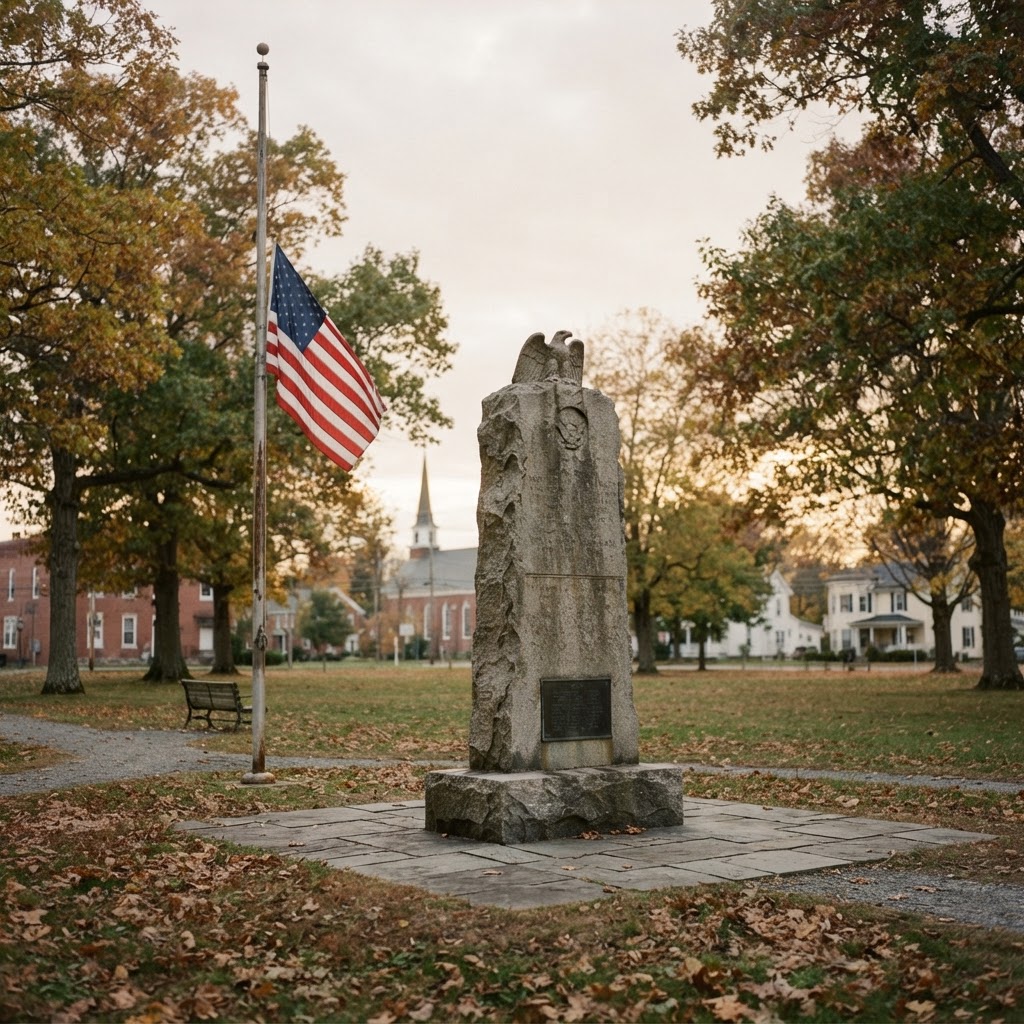
DEVELOPING: As the federal government continues to grapple with ballooning deficits and partisan gridlock, the City of Bryan, Ohio, is emerging as a national blueprint for what disciplined, local stewardship looks like. Mayor Carrie Schlade, now in her third term as the leader of this Williams County community of 8,600, is receiving renewed recognition this week for her "Main Street first" approach to governance, which prioritizes balanced budgets and essential services over the performative politics often seen in larger metropolitan hubs.
While big cities across the Midwest struggle with the fallout of Small-Town Ohio Buckling Under the Weight of Unchecked Migrant Influx, Bryan has maintained a steady course by focusing on the fundamentals: infrastructure, public safety, and fiscal restraint. This local success story comes as residents and regional leaders point to Schlade’s administration as a primary reason for the city’s continued stability in an uncertain national economy.
What We Know
Mayor Schlade’s reputation for fiscal conservatism is not new, but it has taken on fresh significance as the 2026 fiscal year progresses. Earlier this year, Schlade was invited to attend the Presidential State of the Union Address in Washington, D.C., as a guest of Congresswoman Marcy Kaptur. The invitation was specifically intended to highlight leaders who embody the "quiet, determined spirit of service" that defines small-town America.
In Bryan, that spirit is backed by hard numbers. The city’s 2026 organizational structure, which oversees 141 employees across departments ranging from the Bryan Municipal Utilities (BMU) to the Police Department led by Chief Greg Ruskey, operates under a mandate of strict accountability. Unlike the budgetary crises seen in places like Michigan—where a Lansing Budget Clash has pitted police staffing against social spending—Bryan has kept its focus on the taxpayer.
According to city records, the administration has overseen millions in commercial and industrial building permits over the last several years, including significant investments in the Bryan Industrial Park. This growth is managed without the reckless borrowing that has crippled other municipalities, ensuring that the city’s General Fund remains robust enough to handle local emergencies without begging for federal bailouts.
What Happened
In recent weeks, the Bryan City Council and the Board of Public Affairs have held a series of meetings to review mid-year performance. On July 27, 2026, the Board of Public Affairs met to discuss the continued independence and efficiency of Bryan Municipal Utilities. This local control over water, electric, and communications services is a cornerstone of Schlade’s philosophy of self-reliance. By managing these utilities locally, Bryan avoids the price volatility and bureaucratic mismanagement often associated with larger, state-wide or national grids.
Furthermore, the Mayor’s office has remained transparent about the challenges facing the community. Just this week, on August 4, 2026, the city proactively managed public health concerns by monitoring air quality and making the difficult but fiscally responsible decision to temporarily close the Bryan City Pools and cancel events at the Fountain City Amphitheater. This move, while disappointing to some residents, reflects a commitment to public safety and the preservation of city resources during environmental shifts.
Schlade’s administration has also focused on inter-agency cooperation to save taxpayer dollars. A key example is the updated agreement with the Williams County Board of Commissioners to offer collaborative Emergency Medical Services between the county and the Bryan Fire Department, led by Chief Doug Pool. This partnership ensures that residents receive top-tier emergency care without the redundant costs of maintaining separate, competing infrastructures.
What Comes Next
As Bryan moves into the late summer and early fall, the focus will shift toward the 2027 budget planning cycle. Mayor Schlade has indicated that her priorities will remain unchanged: protecting the city’s credit rating, investing in the local workforce, and ensuring that Bryan remains a place where families can thrive without the interference of radical social engineering or fiscal irresponsibility.
The Bryan City Council is scheduled to meet again on the first and third Mondays of the month at 5:30 p.m. in the council chambers. These meetings, which are open to the public, continue to serve as a venue for residents to voice their concerns directly to their elected officials—a level of accessibility that Schlade has championed since she was first elected to the council in 2015.
For the people of Williams County, the message is clear: while the rest of the country may be looking to Washington for answers, the residents of Bryan are finding them right at home. By sticking to the principles of limited government and neighbor-to-neighbor service, Mayor Schlade is proving that the American Dream is still alive and well in the heart of the Buckeye State.
Explore Ohio
Explore more news, elections, representatives, and information from Ohio.
Visit Ohio State Profile