Faith & Family
Ocean City Church Sues Over $1,000-a-Day Fines for Homeless Shelter
Ocean City, Worcester County, Maryland
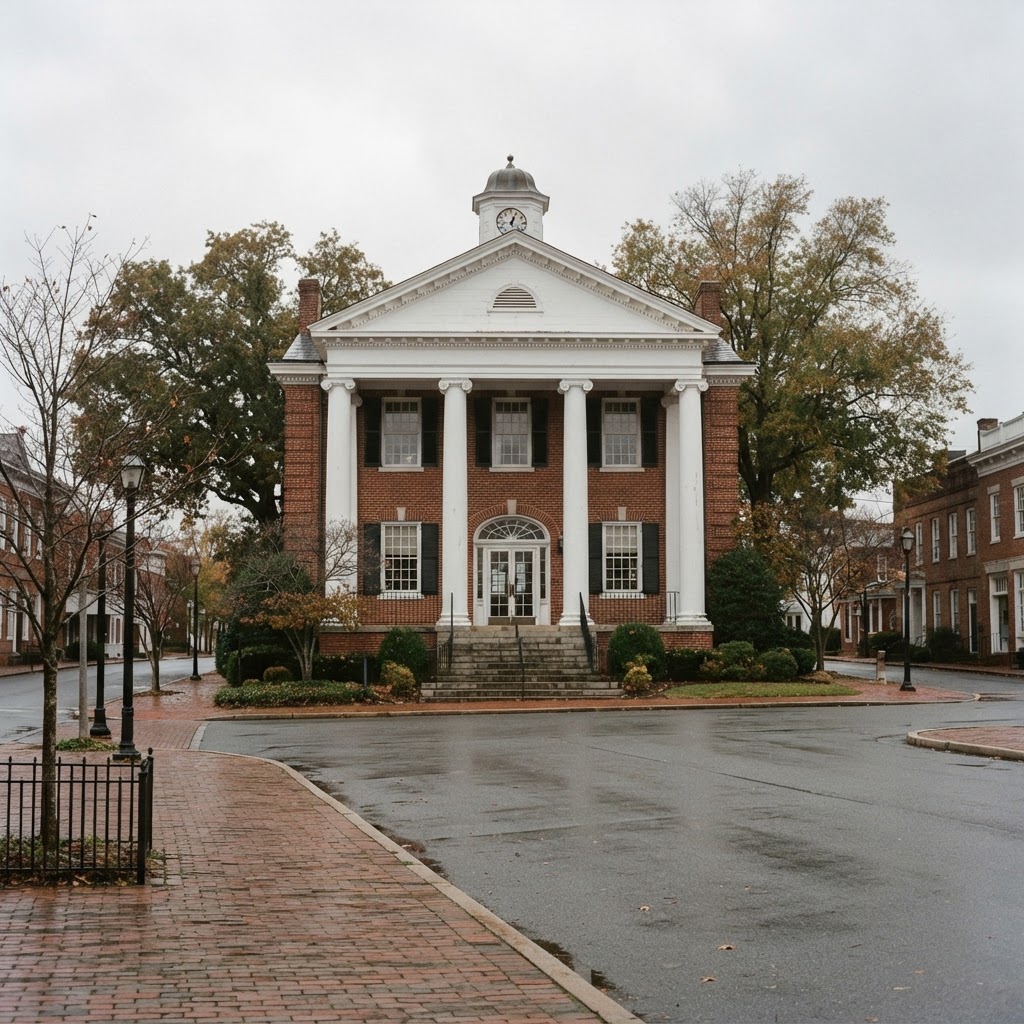
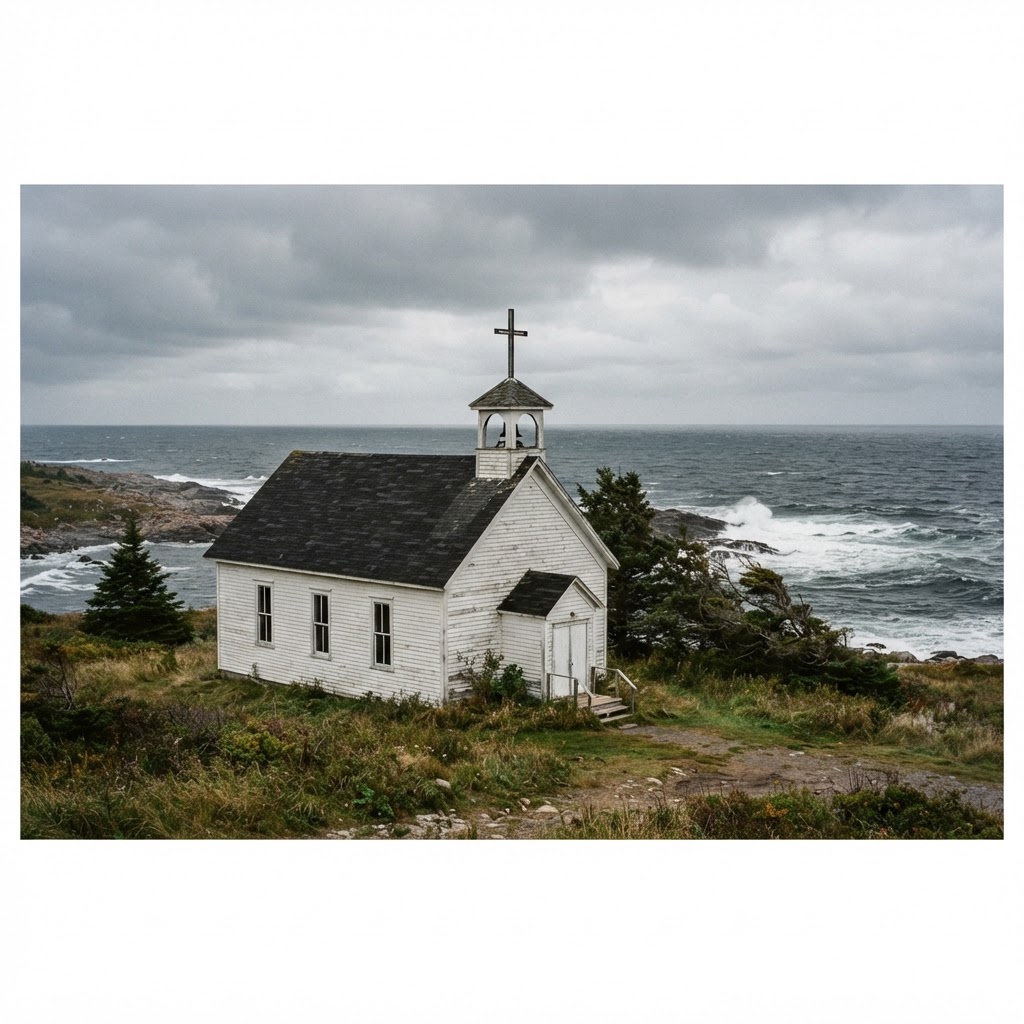
An Ocean City, Maryland, church says the town is violating its religious freedom by fining it $1,000 a day for sheltering the homeless. The town says it is enforcing its zoning code.
Key Takeaways
- •St. Paul's By-the-Sea Episcopal Church sued Ocean City, Maryland on June 16, 2026.
- •The town fined the church $1,000 per day since June 8 for operating a homeless shelter.
- •The lawsuit alleges violations of the First Amendment and federal religious liberty law.
- •Ocean City officials frame the dispute as a zoning enforcement matter.
- •The case tests the balance between local zoning authority and the free exercise of religion.
An Ocean City church opened its doors to homeless families. The town responded with a $1,000-a-day fine. Now the two sides are in federal court — and the contradiction at the heart of the case is drawing attention far beyond the Eastern Shore.
On June 16, 2026, St. Paul's By-the-Sea Episcopal Church filed a federal lawsuit against Ocean City Mayor Rick Meehan and the Town Council, alleging the town violated the First Amendment and federal religious liberty protections by trying to shut down the church's overnight homeless shelter. According to The Daily Record, the Episcopal News Service, and the Baltimore Sun, the city had been fining both the pastor and the senior warden $1,000 every day since June 8 — a figure that, by the time the suit was filed, had already run into thousands of dollars.
What the church says
The church argues that sheltering the homeless is not a sideline activity — it is a direct expression of its religious mission. Federal law, including the Religious Land Use and Institutionalized Persons Act (RLUIPA) and the First Amendment's Free Exercise Clause, protects religious organizations from government interference in their core activities.
The lawsuit contends that Ocean City's fines amount to government pressure designed to force the church to abandon a ministry it considers commanded by faith. Episcopal News Service reported that the congregation had been preparing the legal challenge after receiving citations on consecutive days in early June.
What the town says
Ocean City officials have framed the dispute as a straightforward zoning matter. The shelter, they argue, operates in a district where such use is not permitted, and the town is simply enforcing its code consistently. From the city's perspective, exempting one property owner because it is a church would undermine the zoning rules that apply to everyone else.
That argument has force. Equal application of the law is a conservative principle, and a town that selectively enforces its ordinances invites abuse. If the shelter creates genuine safety or code issues — fire capacity, sanitation, neighborhood impact — the town has a legitimate interest in addressing them.
But the church's response cuts to the core tension: when a government regulation burdens religious exercise, federal law demands more than mere consistency. The town must show that its rule serves a compelling interest and is the least restrictive way to achieve it. A blanket fine that effectively shuts down a ministry without offering an alternative does not obviously clear that bar.
The broader stakes
Ocean City, a resort town on Maryland's Worcester County coast with a year-round population of fewer than 7,000 that swells dramatically in summer, is not the only community where faith-based charities have clashed with local government over homelessness. But the case is unusual in how directly it pits two values conservatives hold dear against each other: the rule of law and the free exercise of religion.
Critics of the shelter have warned that ministries operating outside the regulated shelter system can create accountability gaps — no oversight of safety standards, no coordination with social services. Advocates for the church counter that the regulated system has failed to meet demand, leaving organizations like St. Paul's to fill the gap, and that penalizing them for doing so punishes the very compassion the community claims to value.
What to watch
The lawsuit asks the court to halt the fines and protect the shelter's operation while the case proceeds. If the church prevails, it could set a precedent limiting how aggressively municipalities can regulate faith-based homeless services — a question with implications for congregations nationwide, as we have noted in our Religious Freedom coverage.
If the town prevails, it reinforces local authority to enforce zoning uniformly — but risks confirming the fears of religious organizations that their ministries are welcome only until they become inconvenient.
The mayor's office had not publicly detailed its legal response as of late June, and officials faced a court deadline to answer the complaint. Whatever the outcome, the case underscores a question every community will eventually face: when government regulation and religious duty collide, which gives way?
For residents following how local decisions shape public life, the Election Center tracks where officials stand on the issues that reach your town.
Explore Maryland
Explore more news, elections, representatives, and information from Maryland.
Visit Maryland State Profile