Faith & Family
Federal Government Sues Tiny Troy, Idaho, Over Church Zoning Denial
The Department of Justice says Troy, Idaho, denied a church a permit based on 'animus' against its beliefs. The city says it was responding to the will of the people.
Key Takeaways
- •The DOJ sued Troy, Idaho in May 2025 alleging a RLUIPA violation.
- •Christ Church elder Matt Meyer sought a permit for a worship space in a former bank building.
- •The city denied the permit in March 2023, citing the 'will of the people.'
- •Troy later adopted an ordinance banning churches and 38 other uses in its downtown.
- •Assistant AG Harmeet K. Dhillon said RLUIPA forbids zoning decisions based on dislike of a religious group.
The City of Troy, Idaho, decided a church was not welcome on Main Street. The federal government disagrees — and now the two are in court.
In May 2025, the U.S. Department of Justice sued the small Latah County town of roughly 890 residents, alleging it violated the Religious Land Use and Institutionalized Persons Act (RLUIPA) when it denied a conditional use permit to Christ Church. The complaint, filed in federal court, accuses the city of acting on "animus against the church and its teachings."
How the dispute started
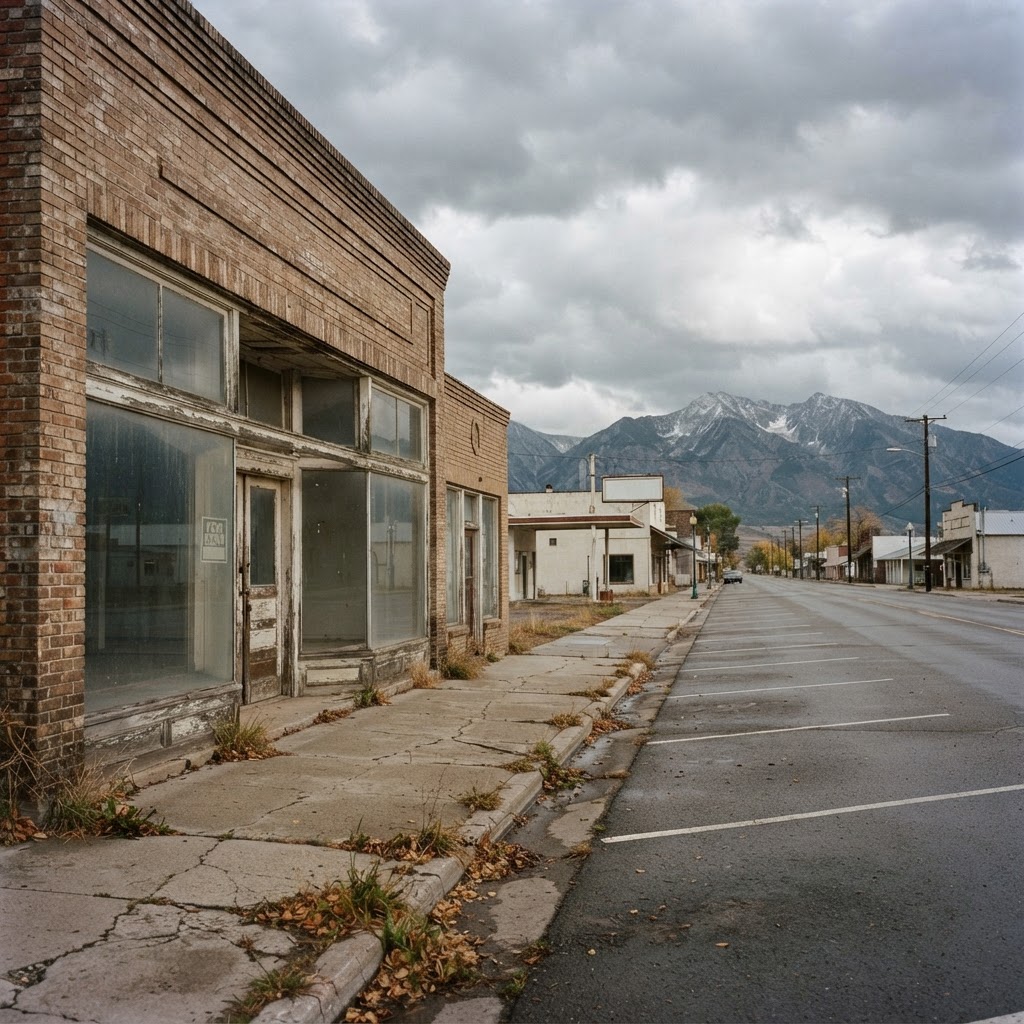
According to the DOJ complaint and reporting by the Idaho Capital Sun and the Spokesman-Review, Christ Church elder Matt Meyer purchased a former bank building along Troy's main street. The property had been vacant for about a year. Meyer planned to split the space between offices and an event venue, with exclusive Sunday use for religious services by Christ Church, which is based in nearby Moscow.
Troy's land use ordinance at the time required conditional approval from the city for any new church, regardless of the zone. In March 2023, the City Council denied the permit. Nearly all public comments submitted opposed it — several explicitly pushing back against the church's conservative ideology.
The denial itself struck a contradictory note. "The City of Troy welcomes any church to our community," it read — before concluding that the church's use of the property "is against the will of the people and will have a negative effect on the City's ability to grow its business community."
The federal response
"RLUIPA unequivocally forbids local governments from deciding zoning matters based on their dislike of certain religious groups," said Assistant Attorney General Harmeet K. Dhillon, who leads the Justice Department's Civil Rights Division.
The lawsuit asks a federal judge to force the city to grant the church permission to worship at the location and to mandate training for city personnel on federal religious discrimination laws.
The strongest argument for the city
Troy's defenders have a real case worth taking seriously. Local governments exist to reflect community preferences, and residents showed up in force to oppose the permit. If a community is uncomfortable with a particular organization's presence, the argument goes, it should have the right to shape its own downtown — especially when that organization's teachings are controversial.
Christ Church, as Boise State Public Radio has documented, stresses strict gender roles and advocates limiting civil rights for women and those who do not follow its interpretation of Christianity. Opponents have reasonable grounds to worry about the kind of influence such a group might exert in a small town.
But here is the problem with the city's position, and the reason the federal government stepped in: RLUIPA exists precisely because local majorities cannot be trusted to protect minority rights. A city cannot welcome "any church" in one breath and deny one because of its beliefs in the next. The freedom to worship does not turn on whether the community approves of the theology.
If Troy can reject a church because its doctrines are unpopular, the same logic lets any city reject any congregation that falls out of favor — a principle that cuts against religious liberty for everyone, a value we explore further in our Religious Freedom issue hub.
A new ordinance deepens the conflict
The timing of the city's actions did not help its case. Just weeks before the DOJ filed suit, the Troy City Council adopted a new land use ordinance banning 39 different uses within the central business district — including churches and religious facilities. To federal investigators, that looked less like neutral planning and more like a legislative retreat behind barricades.
Whether the court agrees will hinge on intent. RLUIPA claims turn on whether a land use decision imposes a substantial burden on religious exercise and whether the government had a compelling, narrowly tailored reason for it. The DOJ's theory is that Troy's reason was simple disapproval — and the city's own words may be its toughest obstacle.
What it means for small towns
Troy is a community of fewer than a thousand people in northern Idaho, and its fight has drawn national attention precisely because it tests a question small towns everywhere face: how far does local control go when it collides with a federal civil rights statute?
Local control is a conservative value — but so is the rule of law, including the laws that protect the free exercise of religion. When a city says a church is welcome but acts to keep it out, it invites exactly the kind of federal intervention Troy now faces.
The case is ongoing. The city's attorney did not immediately respond to requests for comment when the suit was filed. For more on how religious liberty and local government intersect, see our coverage of free speech and faith in the public square.
Sources
Explore Idaho
Explore more news, elections, representatives, and information from Idaho.
Visit Idaho State Profile