Local Government
Hall County Planning Commission Under Fire for Open Meetings Violations
Gainesville, Hall County County, Georgia
A third-party investigation into the Hall County Planning Commission reveals systemic Open Meetings Act violations, sparking calls for official removals.

Key Takeaways
- •A third-party investigation confirmed at least five illegal quorum meetings by the Hall County Planning Commission.
- •Commissioners Chris Braswell, Stan Hunt, and Frank Sosebee were identified as participants in the private sessions.
- •The Hall County Development Services Director resigned on August 11, 2026, amid the ongoing scandal.
- •The Board of Commissioners has initiated a formal removal process for the accused planning officials.
The bedrock of a free republic is the transparency of its governing institutions. When local officials retreat behind closed doors to decide the fate of land use and community development, the social contract between the governed and the governors is severed. In Gainesville, Georgia, that contract is currently under severe strain. The Hall County Planning Commission is facing a crisis of legitimacy following a third-party investigation that confirmed multiple violations of the Georgia Open Meetings Act. This breach of public trust comes at a time when residents are already reeling from a proposed 14.12% property tax increase, making the demand for government accountability more than just a slogan—it is a necessity for the survival of the community’s fiscal health.
The Investigation
The investigation was not a voluntary act of soul-searching by the commission but the result of a formal complaint filed by a vigilant Hall County resident. Following the complaint, the Hall County Board of Commissioners hired the Buford-based law firm Carothers and Mitchell to conduct an independent deep-dive into the Planning Commission’s practices. The scope of the probe focused on allegations that members were holding "pre-meeting sessions" to discuss upcoming agenda items—specifically zoning requests and development codes—without public notice or access.
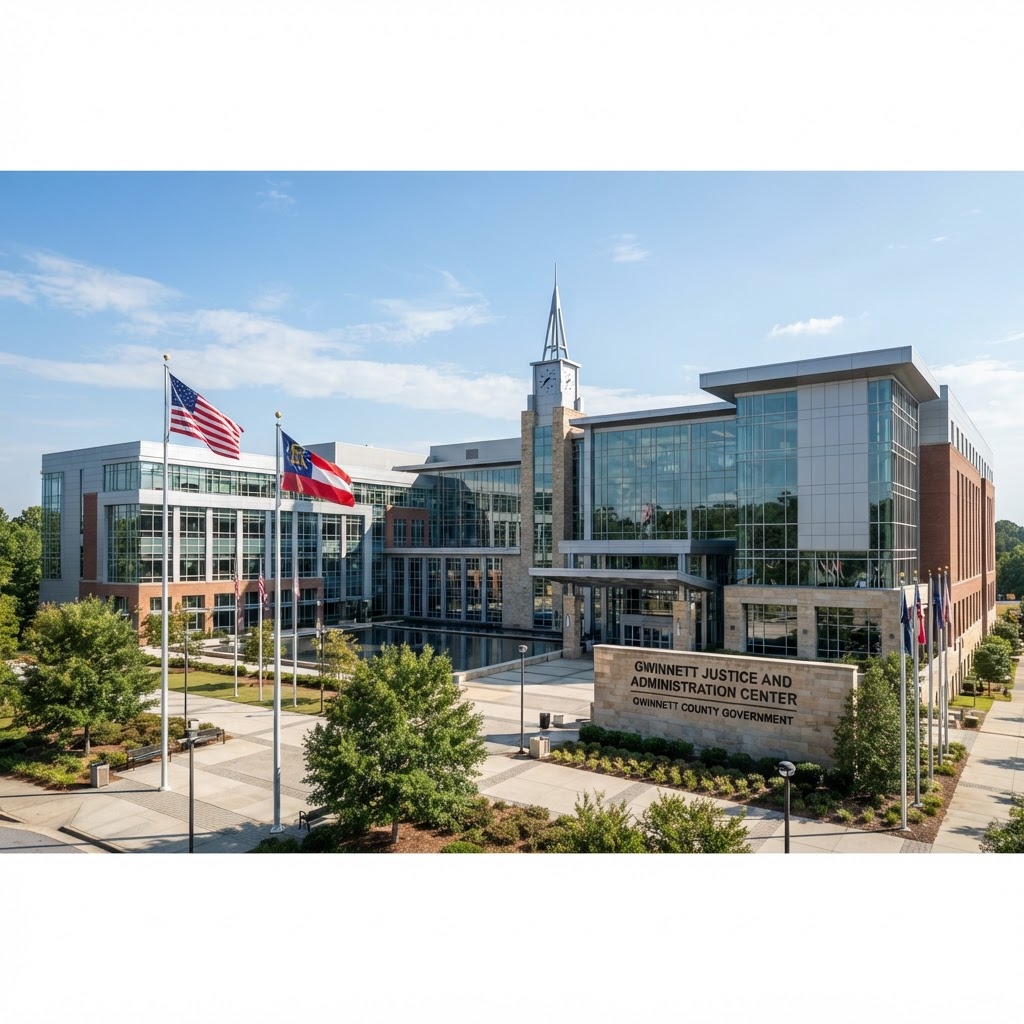
While the Georgia Attorney General’s Office had previously looked into a single meeting in September and found no conclusive violation, the third-party investigators took a broader view. Their findings, released in a detailed report, paint a picture of a board that viewed public transparency as an obstacle rather than a requirement. The investigation focused on the third floor of the Hall County Government Center in Gainesville, where these private sessions reportedly occurred with regularity.
What We Found
The findings are damning for those who believe in the rule of law. The report from Carothers and Mitchell states there is "little doubt" that at least two, and likely as many as five or more, meetings occurred in 2025 where a quorum of the five-member board gathered privately. Under Georgia law, a quorum—in this case, three members—cannot meet to discuss official business without proper public advertisement and open doors.
The investigation specifically named Planning Commission Chair Chris Braswell, along with commissioners Stan Hunt and Frank Sosebee, as the participants in these improper sessions. According to the report, these meetings became more frequent as the county worked to update its Unified Development Code. Staff members reportedly "presented" information to the trio, allowing them to vet projects and coordinate stances before the cameras were turned on and the public was allowed into the room.
This shadow governance undermines the very purpose of public hearings. When the "real" discussion happens in a private office, the subsequent public meeting becomes nothing more than political theater. For Gainesville taxpayers, who are currently navigating the Hall County Property Tax 2026: Board of Assessors Sets August Meeting Dates, the revelation that zoning decisions—which directly impact property values and infrastructure needs—were being handled in secret is a bitter pill to swallow.
The Records
The records produced by the investigation highlight a culture of administrative arrogance. When interviewed, Chair Chris Braswell reportedly claimed the investigation was "politically motivated" and "unfair." However, the testimony from county staff contradicted the notion that these were merely casual social gatherings. Staffers told investigators that the sessions were structured to discuss the business agenda items scheduled for upcoming formal meetings.
In response to these findings, the Hall County Board of Commissioners held a special meeting to address the fallout. District 3 Commissioner Gregg Poole has been vocal about the need for consequences, stating that the accused planning commissioners were offered the opportunity to resign but refused. "I think it’s very selfish. I think it reeks of arrogance, and I think nobody is thinking about the trust factor for the county," Poole told reporters.
The situation reached a boiling point on August 11, 2026, when the Hall County Development Services Director resigned unexpectedly. While the official reason for the resignation has not been fully disclosed, the timing—occurring less than 24 hours ago amid the Planning Commission scandal—has led many to believe the administrative shake-up is far from over. This follows a pattern of instability seen in other jurisdictions, such as the recent Walton County Commissioners Meeting: Key Votes on Budget and Ordinances, where transparency in spending and development has become a primary voter concern.
Unanswered Questions
As of today, August 12, 2026, the future of Braswell, Hunt, and Sosebee remains uncertain. The Board of Commissioners has the authority to remove planning commission members under Hall County Code of Ordinances 11.1.B.3 for cause, including violations of state law or the code of ethics. A formal removal process has been initiated, but the accused commissioners appear ready to fight to keep their seats.
Several questions remain: Why did the Planning Commission feel the need to bypass the public in the first place? Was there specific pressure from developers to fast-track certain projects within the Unified Development Code? And perhaps most importantly, how many zoning decisions made during these "shadow sessions" are now legally vulnerable to challenges from affected property owners?
For the America First movement, the lesson is clear: local government is where the battle for the rule of law is won or lost. If the officials in Gainesville cannot be trusted to follow the simple requirement of meeting in public, they cannot be trusted with the complex task of shaping the community’s future. The Hall County Board of Commissioners must now decide if they will uphold the law or allow a culture of secrecy to persist at the expense of the Gainesville taxpayer.
More Hall County Coverage
For more reporting from across Hall County — Gainesville, Flowery Branch, Oakwood, Braselton, Lula, and every community in the county — visit our Hall County news hub, or browse all local news from WorthFighting.org.
Explore Georgia
Explore more news, elections, representatives, and information from Georgia.
Visit Georgia State ProfileMore Hall County coverage
Explore the County Government hub, the Hall County hub, and related topic hubs.