Faith & Family
Woodland Park Faithful Stand Strong Against New Ministry Restrictions
Woodland Park, Teller County, Colorado
Hundreds of Woodland Park residents gathered at City Hall this week to defend religious liberty against a proposed ordinance targeting local faith-based

Key Takeaways
- •A record crowd attended the Woodland Park City Council hearing on July 14, 2026, to oppose Ordinance 1492.
- •Faith leaders argue the proposed zoning changes violate the federal Religious Land Use and Institutionalized Persons Act (RLUIPA).
- •The City Council has delayed a final vote on the measure following intense public pressure and legal concerns.
- •Residents link the defense of religious liberty to broader efforts to protect parental rights and traditional education.
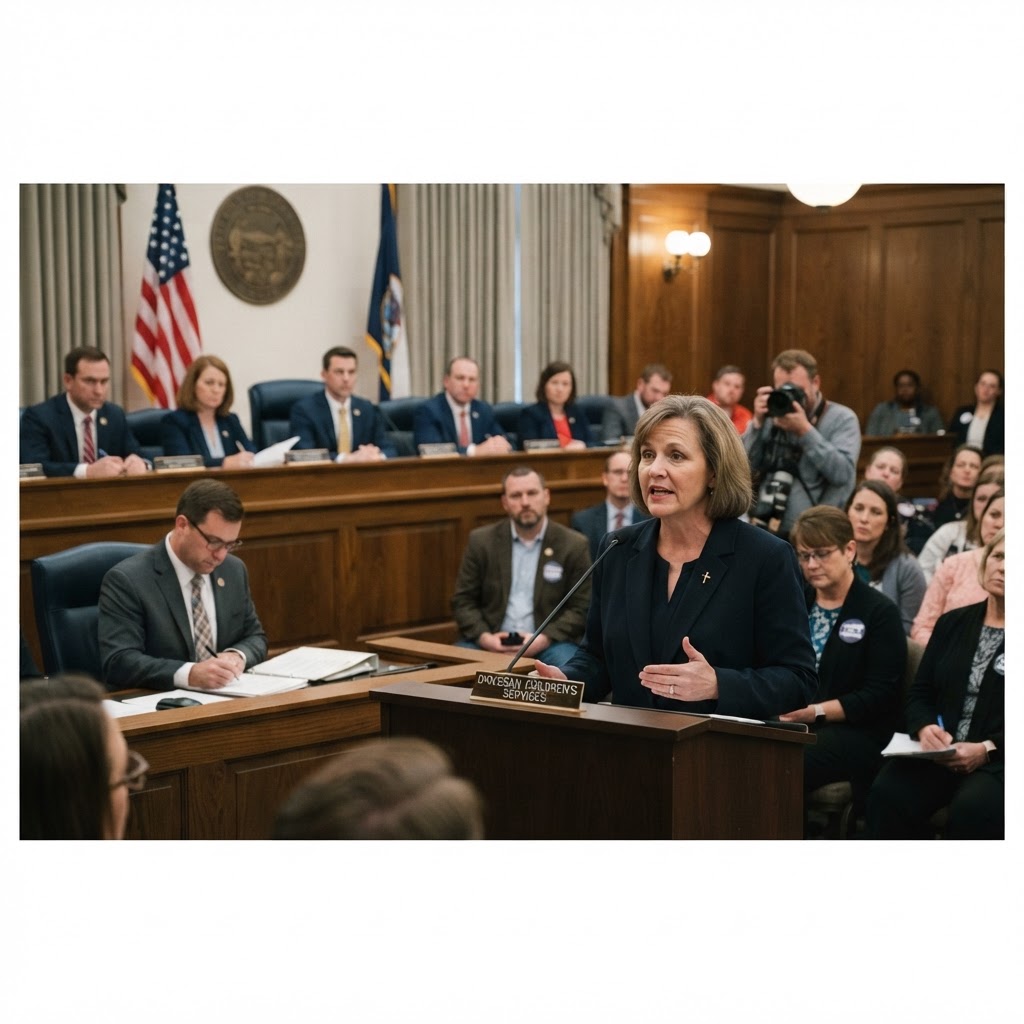
WOODLAND PARK, Colo. — The halls of the Woodland Park City Council were overflowing Tuesday night as hundreds of Teller County residents gathered to voice their unwavering support for religious liberty and the foundational role of faith in their community. The focal point of the evening was a heated public hearing regarding a proposed zoning amendment that critics argue is a thinly veiled attempt to curtail the growth and outreach of local religious institutions.
For years, Woodland Park—a mountain town of roughly 8,000 residents—has been at the center of a national conversation regarding the influence of faith-based organizations in local governance and education. Tuesday’s meeting proved that the community's commitment to these values remains as robust as ever. Residents from across the Pikes Peak region, many carrying Bibles or wearing shirts from local congregations, stood for hours to testify against Ordinance 1492, which would impose strict new occupancy and land-use requirements on properties designated for 'religious assembly and outreach.'
A Battle for the Soul of the Town
The tension in the room was palpable as Mayor Hilary LaBarre opened the floor for public comment. While city officials framed the ordinance as a necessary update to ensure safety and infrastructure capacity, many in the audience saw it as an direct assault on the ministries that provide a backbone for the town’s economy and social services.
'Our faith is not something we practice only behind closed doors on Sunday mornings,' said local resident and small business owner Marcus Thorne during his three minutes at the podium. 'Our ministries are part of our homes, our schools, and our daily lives. This town was built on the independence of the individual and the freedom to serve God without the heavy hand of the state breathing down our necks.'
A primary concern for the citizens is the potential impact on Charis Bible College and Andrew Wommack Ministries, which have long been targets of secularist pushback. The proposed rules would restrict the use of auxiliary buildings for visiting students and seasonal ministry volunteers—a move that local leaders say violates the Religious Land Use and Institutionalized Persons Act (RLUIPA). This federal law protects religious institutions from discriminatory or unduly burdensome zoning regulations.
Protecting Parent Rights and Community Values
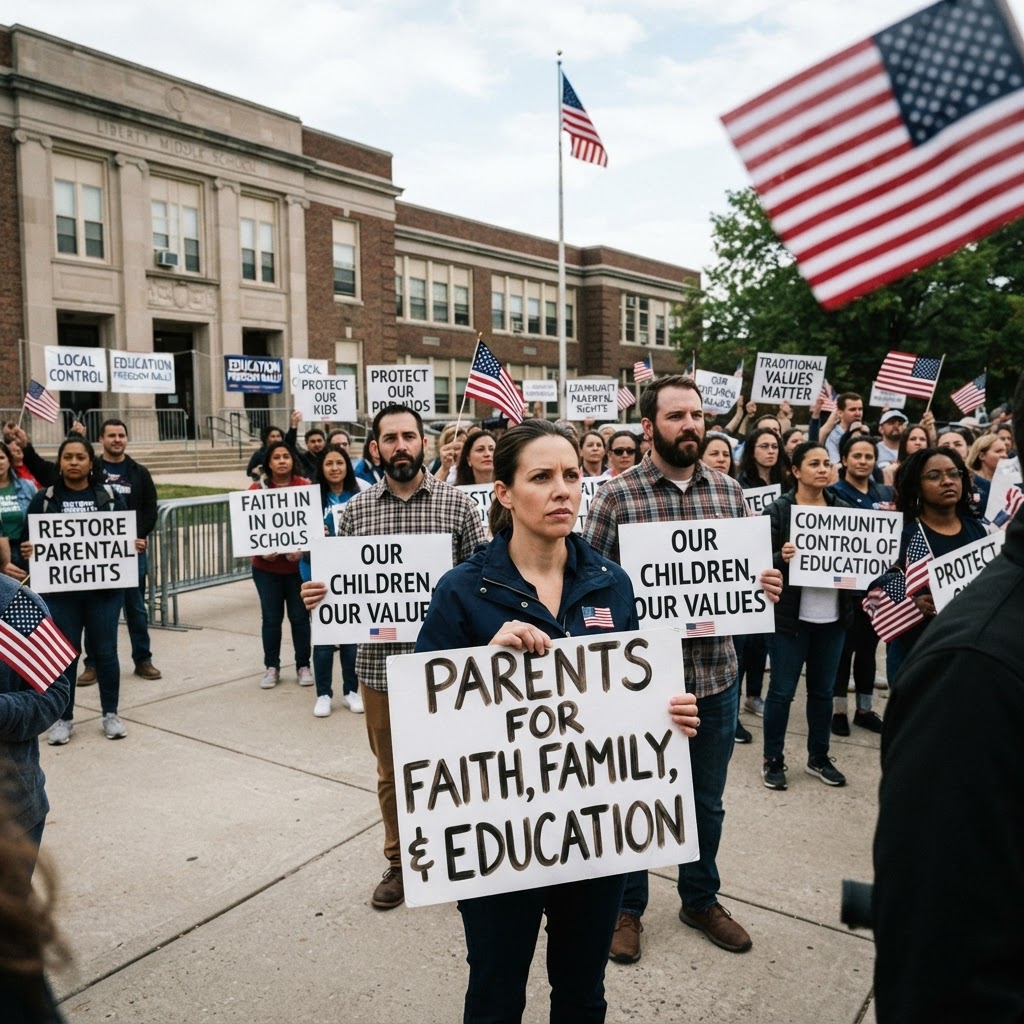
The defense of religious liberty in Woodland Park is closely tied to the broader fight for parental rights and traditional education. Many of the same voices defending the ministries on Tuesday have been instrumental in supporting the Woodland Park School District’s move toward the 'American Birthright' social studies standards. Similar battles are playing out across the country, such as when the Rolla School Board Moves to Roll Back DEI Policies in favor of merit and traditional values.
Local activists pointed out that the effort to over-regulate churches often mirrors the effort to push radical ideologies into the classroom. In both cases, the goal of the administrative state is to displace the authority of the family and the church with the authority of the government.
'We’ve seen what happens when you let the government dictate the terms of your faith and your family life,' said Sarah Jenkins, a mother of four. 'We moved to Teller County specifically because we wanted to raise our children in a community that respects the Bible and honors our country’s heritage. We won’t let that be zoned out of existence.'
Why This Matters
What happens in Woodland Park is a bellwether for small towns across America. As metropolitan areas become increasingly hostile to traditional faith, rural communities are becoming the front lines for the preservation of constitutional rights. When a local government attempts to use zoning laws to stifle a religious mission, it isn't just a matter of property lines—it is a matter of national sovereignty and the First Amendment.
The conservative, America First movement recognizes that strong, faith-based communities are the greatest check against government overreach. By standing firm against the secularization of their town, the residents of Woodland Park are setting a standard for how local citizens can protect their way of life through civil participation and a refusal to compromise on core principles.
Following four hours of public testimony, the City Council voted to postpone a final decision on the ordinance, citing the need for further legal review of the RLUIPA implications. For the hundreds of believers who packed the room, the delay was seen as a temporary victory and a call to remain vigilant. As the meeting adjourned, the crowd broke into a spontaneous rendition of 'God Bless America,' a reminder that in this small Colorado town, the spirit of 1776 is alive and well.
Explore Colorado
Explore more news, elections, representatives, and information from Colorado.
Visit Colorado State Profile