
PA School District Weighs Max Tax Hike and Staff Layoffs
Whitehall-Coplay School District directors voted to propose a 4.7% property tax hike and staff reductions to close a looming $6 million budget shortfall.
WorthFighting.org News
Staff Writer
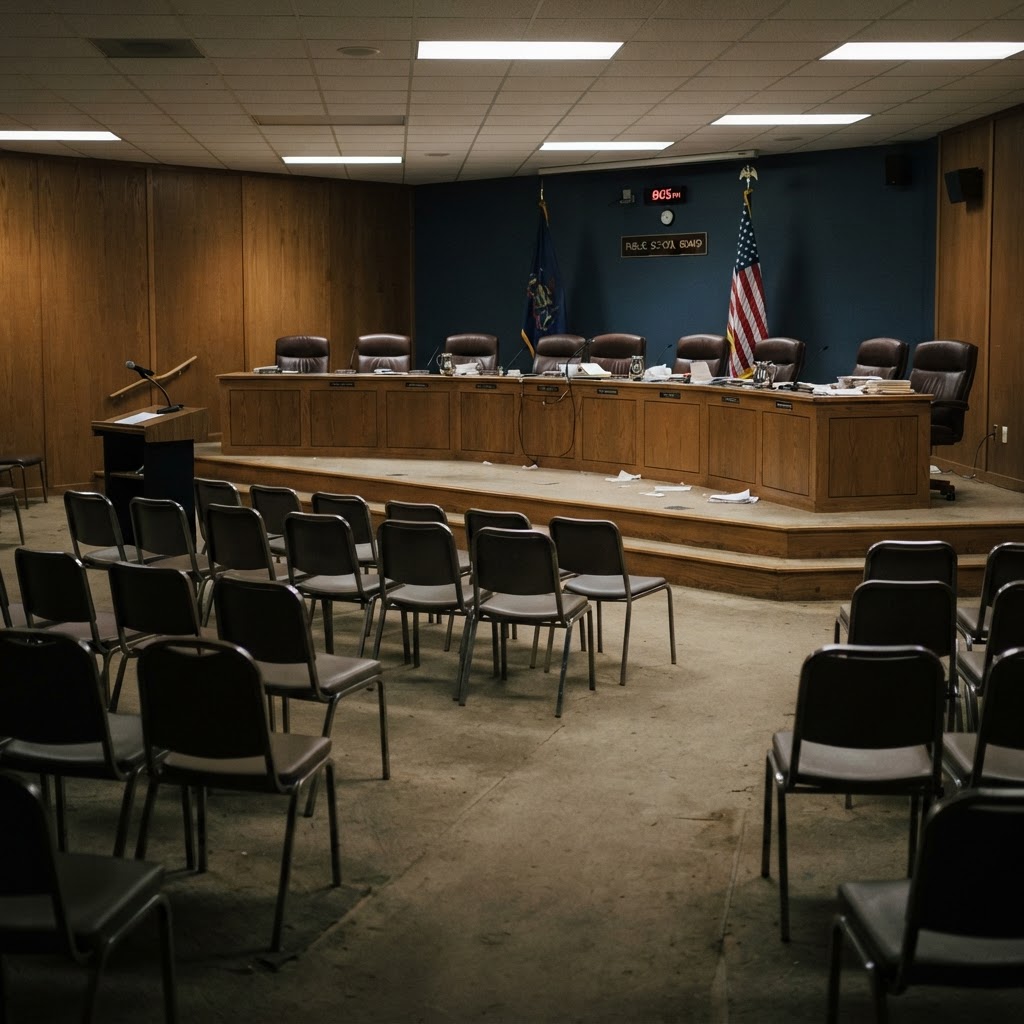
School directors in Lehigh County have taken the first formal step toward hitting property owners with the maximum allowable tax increase under state guidelines, while also preparing for potential staff reductions to close a multi-million dollar budget hole.
The Whitehall-Coplay School District Board of Directors advanced a proposed final 2026-27 spending plan totaling $110.7 million during an evening vote at the district education center. The measure passed in an 8-1 vote, signaling broad board support for pushing local property tax rates to the legal limit established by Pennsylvania’s Act 1 index.
Faced with a projected $6 million budget gap, district officials indicated that routine cost-trimming would not be enough to balance the ledger. Alongside the proposed 4.7% property tax increase, administrators warned that the district must prepare for significant layoffs across staff positions before a final budget is enacted.
Maximum Property Tax Hike Advanced
The 4.7% tax increase represents the highest rate the Whitehall-Coplay School District can levy on local residents without requesting voter approval via a primary ballot referendum. For homeowners across Whitehall Township and the Borough of Coplay, the increase adds another direct cost to existing household burdens.
Over the past several budget cycles, local boards across the Commonwealth have repeatedly pointed to escalating mandatory costs—including special education requirements, state retirement system contributions, and contractual salary adjustments—as principal drivers behind rising budgets. Yet for residents tracking the economy, continuous tax escalations place direct pressure on fixed-income seniors and working-class families.
District leaders have noted that the preliminary budget adoption serves as a procedural marker required under Pennsylvania law, allowing the administration to display the spending plan publicly before a binding, final vote is held in late spring.
Personnel Reductions Loom
While tax hikes form one half of the district’s proposed balancing act, personnel adjustments represent the other. Superintendent Christopher Schiffert signaled that closing the remaining gap between anticipated revenues and expenditures will require significant workforce reductions.
School operational budgets allocate the overwhelming majority of their general funds to instructional salaries, administrative compensation, and healthcare benefits. Consequently, deep shortfalls typically cannot be bridged without cutting positions. Previous district plans examined operational departments, external vendor contracts, and support services to mitigate classroom impacts, but persistent gaps have now brought staffing adjustments to the forefront of the education debate in Lehigh County.
Board members who supported the preliminary measure argued that maintaining fiscal solvency requires tough choices ahead of state-mandated June deadlines. However, the prospect of workforce reductions alongside maximum tax hikes has drawn growing concern from local community members who question whether educational quality will suffer even as their property bills climb.
Escalating Spending Pressures
Whitehall-Coplay’s budgetary pressures mirror challenges playing out in districts across eastern Pennsylvania. While school boards frequently lobby Harrisburg for higher basic education subsidies and changes to charter school funding formulas, local spending totals continue to grow year over year.
Taxpayer advocates have long maintained that school boards must prioritize internal auditing, administrative efficiency, and prudent fiscal discipline before leaning on statutory tax caps. When school boards reach the absolute ceiling of the Act 1 index, it underscores an escalating tension between growing public school payroll obligations and the economic realities faced by the citizens who fund them.
District administrators will continue refining spending projections in the coming weeks, evaluating whether additional state aid allocations or departmental attrition can lessen the scale of projected staff layoffs before the board takes a final vote.
Why This Matters
Local property taxes remain one of the most immediate and unyielding financial burdens placed on American homeowners. When public school boards immediately default to maximum legal tax hikes while simultaneously cutting operational personnel, taxpayers are asked to pay more for fewer services. Ensuring public school boards exercise fiscal responsibility and transparency is critical to protecting homeownership, preserving stable communities, and defending taxpayers from unsustainable local government expansion.
Comments (0)
Be the first to comment.
Related Stories
Education
Ohio School Districts Face Financial Crisis at the Ballot
Across Ohio, multiple school districts are heading to the November ballot with critical tax levies, warning of severe budget cuts and potential consolidation.
WorthFighting.org News · 6 min read
Education
Iowa City Schools Face $32.5M Deficit and Potential Closures
The Iowa City Community School District is launching a boundary review committee as it grapples with a massive $32.5 million budget shortfall.
WorthFighting.org News · 6 min read

Education
Kentucky Education Fund Offers New Tax Credit Opportunity
A new initiative allows Kentucky taxpayers to support the Kentucky Education Fund while receiving tax credits through the Education Freedom Tax Credit program.
WorthFighting.org News · 5 min read
Education
Minneapolis Schools Face Potential Closure of 16 Campuses
Minneapolis Public Schools is considering closing 16 schools to address a $40 million deficit and declining enrollment. Families are bracing for major changes.
WorthFighting.org News · 6 min read
What People Are Reading
East Providence Taxpayers Hit With 3.5% Property Tax Hike
Florida Homeowners Remain Skeptical of Insurance Reforms
Chicago Aldermen Clash Over Mayor Johnson’s Budget Cuts
Alabama Supreme Court Weighs Absentee Ballot Law
Wyoming Energy Authority Launches Power Grid Study
Take Action
This country is worth fighting for. Get involved today.