The War With Iran: What Do Americans Really Think?
The conflict involving the United States, Israel, and Iran has become one of the defining foreign policy issues of the Trump administration's second term. Americans remain divided on whether military action has made the country safer or more vulnerable.
Derek J
Admin - Senior Correspondent

The conflict involving the United States, Israel, and Iran has become one of the defining foreign policy issues of the Trump administration's second term. While military operations have dominated headlines, another important battle has taken place at home: the debate over whether America's involvement has made the country safer, stronger, or more vulnerable.
Public opinion reflects a nation wrestling with difficult questions.
A Nation Divided
Polling conducted throughout 2026 shows that Americans generally support preventing Iran from developing nuclear weapons, but they are far less united on the use of military force to achieve that goal. Many surveys have found that a majority of Americans oppose a prolonged military conflict, while large majorities favor efforts to reach a negotiated end to the fighting.
The result is a complicated political landscape. Many Americans want a strong national defense while also wanting to avoid another long-term military commitment in the Middle East.
Why Some Americans Support Military Action
Supporters of the administration's approach argue that Iran has posed a threat to regional stability for decades through its nuclear ambitions, missile development, and support for armed proxy groups throughout the Middle East.
They believe decisive military action can:
- Deter future aggression.
- Protect American troops and allies.
- Reduce Iran's military capabilities.
- Demonstrate that attacks against U.S. interests will carry serious consequences.
Many also argue that allowing Iran to become a nuclear-armed state would create even greater risks for global security.
Why Others Oppose the War
Critics raise different concerns.
Many worry that military action could draw the United States into another lengthy conflict with significant financial and human costs. Others fear that escalation could increase instability across the Middle East, threaten global energy supplies, and place American service members at greater risk.
Polls have consistently shown that many Americans are concerned about rising gasoline prices, inflation, and broader economic consequences tied to the conflict.
The Economic Impact
Events in the Middle East often affect markets around the world.
Because Iran sits near the strategically important Strait of Hormuz—one of the world's busiest oil shipping routes—any disruption can influence global energy prices. Even when oil markets stabilize after ceasefires or diplomatic progress, investors remain sensitive to renewed tensions.
For many Americans, the war is judged not only through national security but also through everyday concerns such as gasoline prices, grocery bills, and overall economic stability.
The Political Debate
The conflict has become a major issue in Washington.
Supporters of President Trump argue that his administration has demonstrated strength by confronting Iran directly while also seeking negotiations when possible.
Critics question whether the objectives of military operations have been clearly defined and whether the long-term benefits outweigh the costs. Several national polls have found that many Americans remain skeptical that the conflict has fully achieved its stated goals.
Looking Ahead
The future of U.S. policy toward Iran will likely depend on several factors:
- Whether diplomatic negotiations continue.
- Iran's nuclear program.
- Regional security developments.
- The impact on energy markets.
- Public support within the United States.
Regardless of political affiliation, many Americans appear to agree on one point: they want policies that protect U.S. national security while avoiding unnecessary, long-term military conflicts whenever possible.
Final Thoughts
The war with Iran has once again highlighted the difficult balance between military strength, diplomacy, economic stability, and national security. Americans remain deeply divided on the best path forward, but the debate reflects a broader question that has shaped U.S. foreign policy for generations:
How can America protect its interests abroad while avoiding conflicts that become costly in lives, resources, and public trust?
Join the Discussion
What do you think?
- Should the United States maintain a strong military presence to deter Iran?
- Should diplomacy be the primary focus going forward?
- Has the conflict made America safer or less secure?
- What should the administration's next step be?
Share your thoughts respectfully. Civil discussion is essential when tackling issues that affect both America and the world.
Comments (0)
Related Stories
Crime
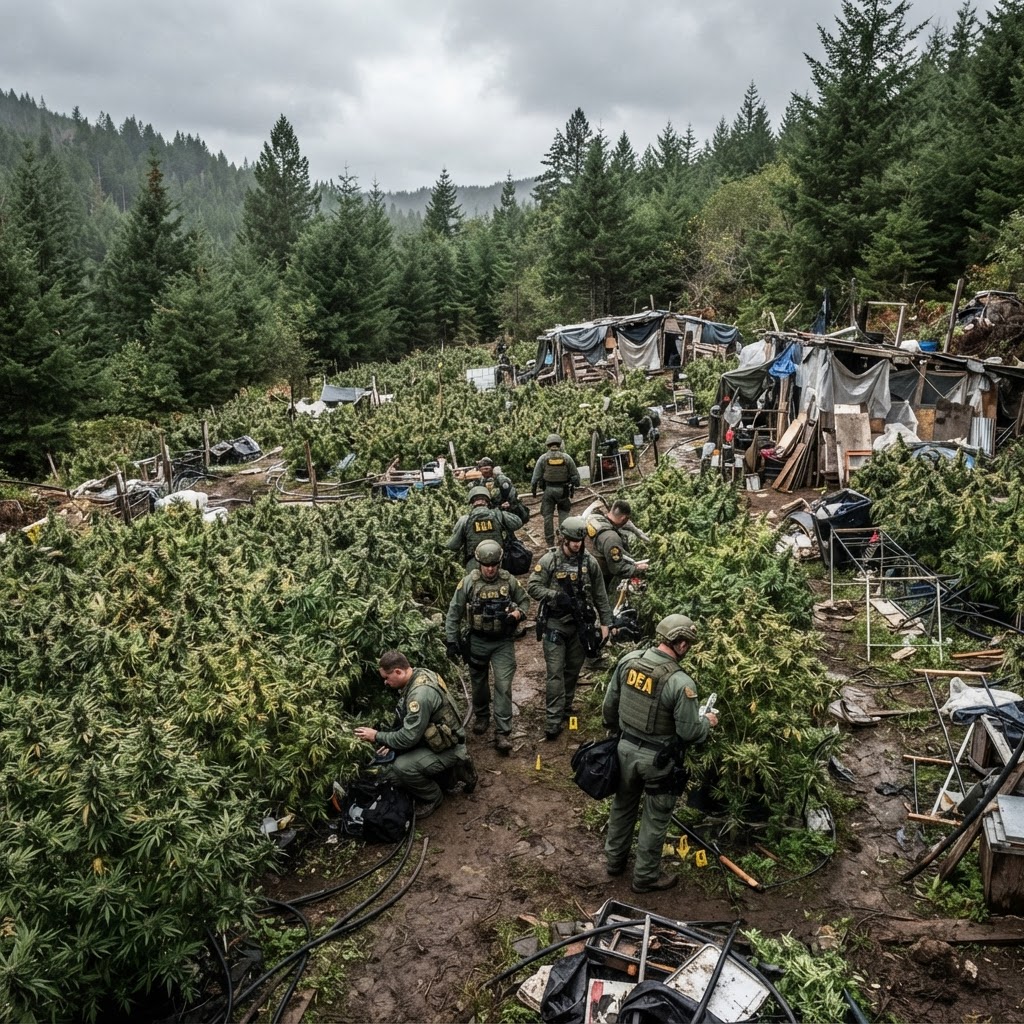
Oregon Authorities Bust $20M Illegal Marijuana Operation
Law enforcement in Oregon dismantled a massive illegal drug trafficking ring, seizing $20 million in cannabis and rescuing 55 laborers from inhumane conditions.
WorthFighting.org News · 6 min read

Education
Gillett Schools Slash Programs After Referendum Failure
The Gillett School District is moving forward with significant budget cuts following the recent failure of a local funding referendum by voters.
WorthFighting.org News · 5 min read
America First
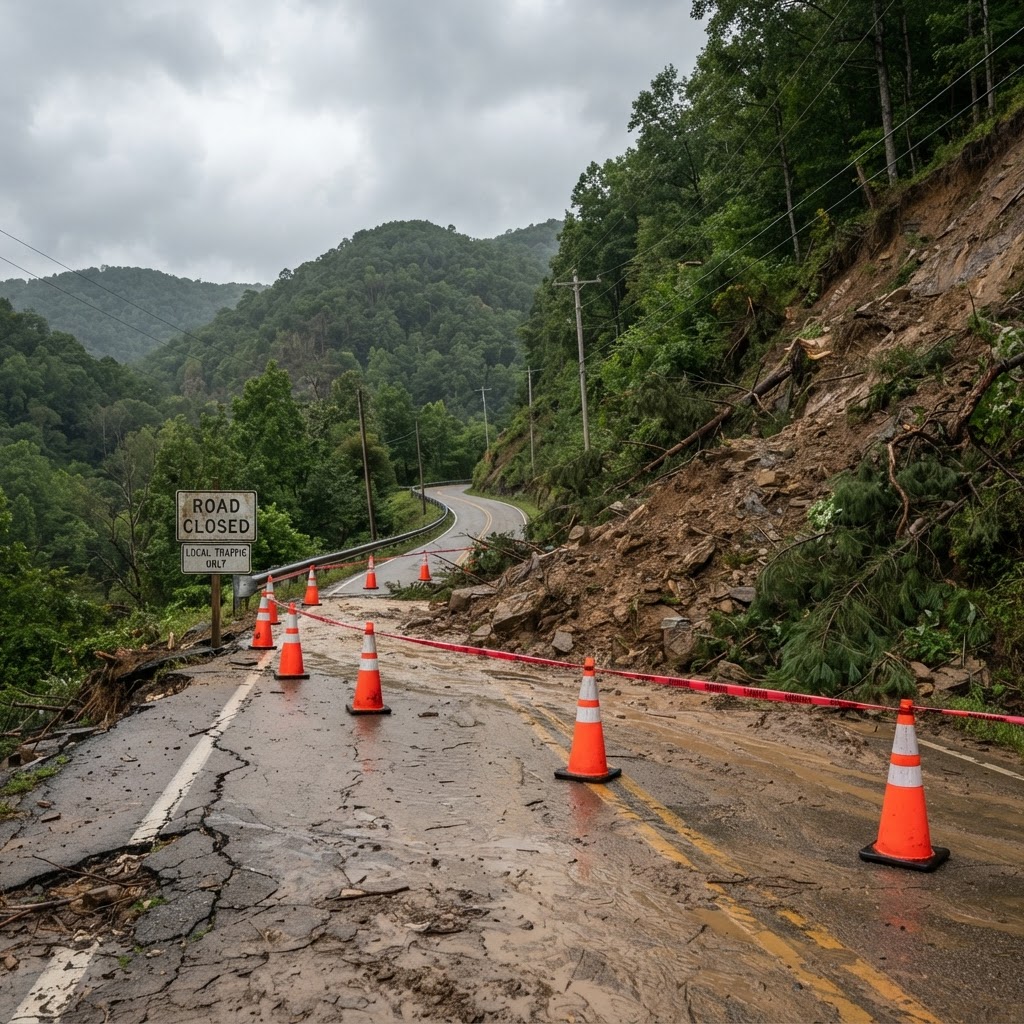
Leslie County Secures Emergency Funds for Road Repairs
The Kentucky Transportation Cabinet has awarded over $161,000 in emergency aid to Leslie County to address critical road slides and ensure community safety.
WorthFighting.org News · 5 min read
Education
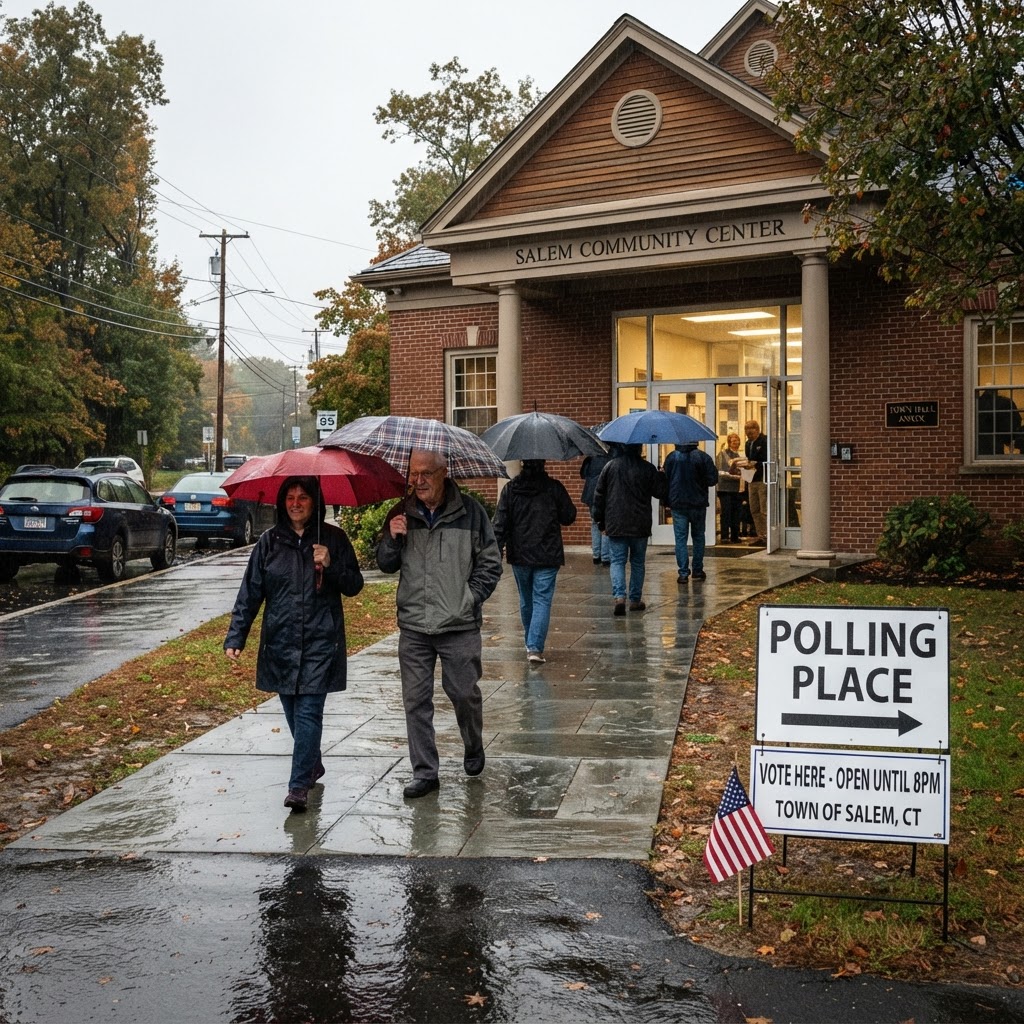
Plainfield Voters Secure School Funding in Second Ballot
Plainfield residents successfully passed a school budget in a second vote, effectively minimizing potential cuts to local education programs and staff.
WorthFighting.org News · 5 min read
Economy
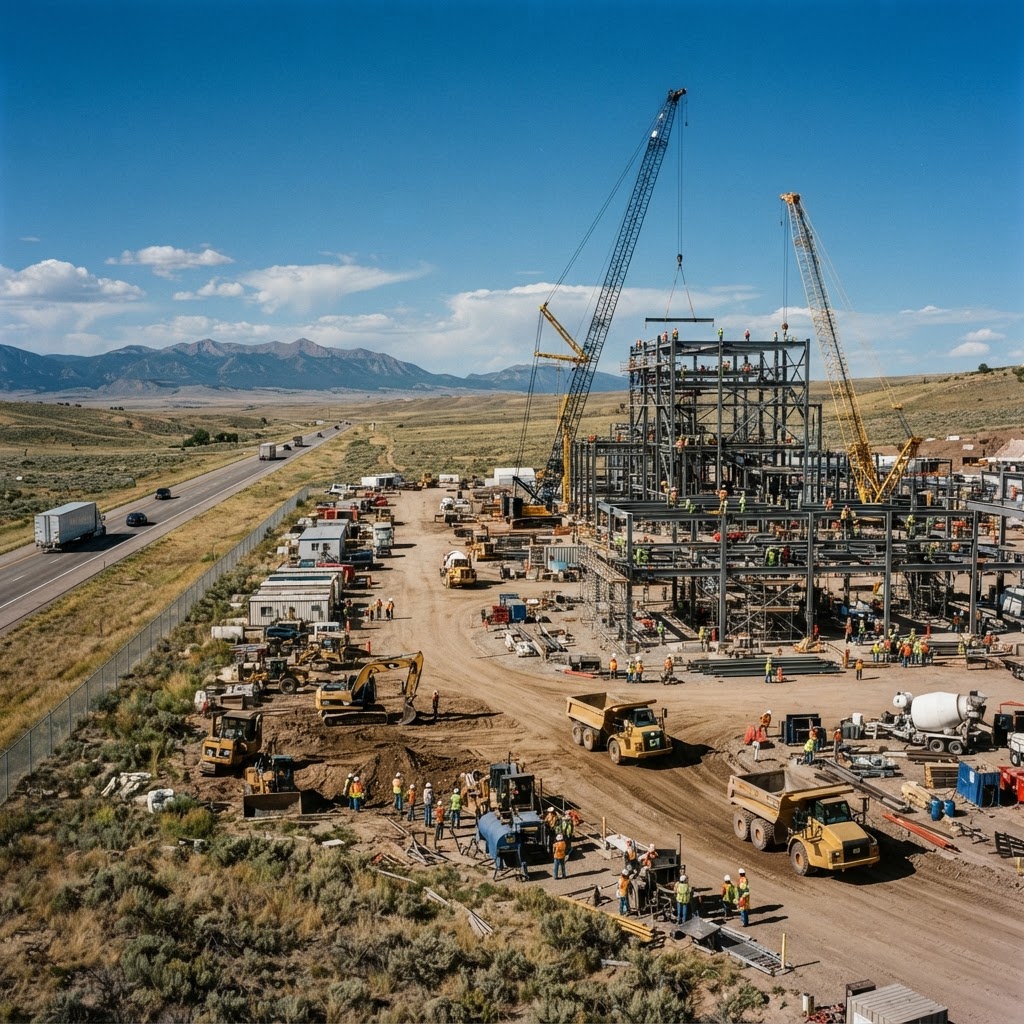
Cheyenne Data Center Project Shifts to Google Ownership
A massive $17 billion data center project near Cheyenne has officially transitioned to Google, marking a significant shift in Wyoming's industrial landscape.
WorthFighting.org News · 6 min read
Economy
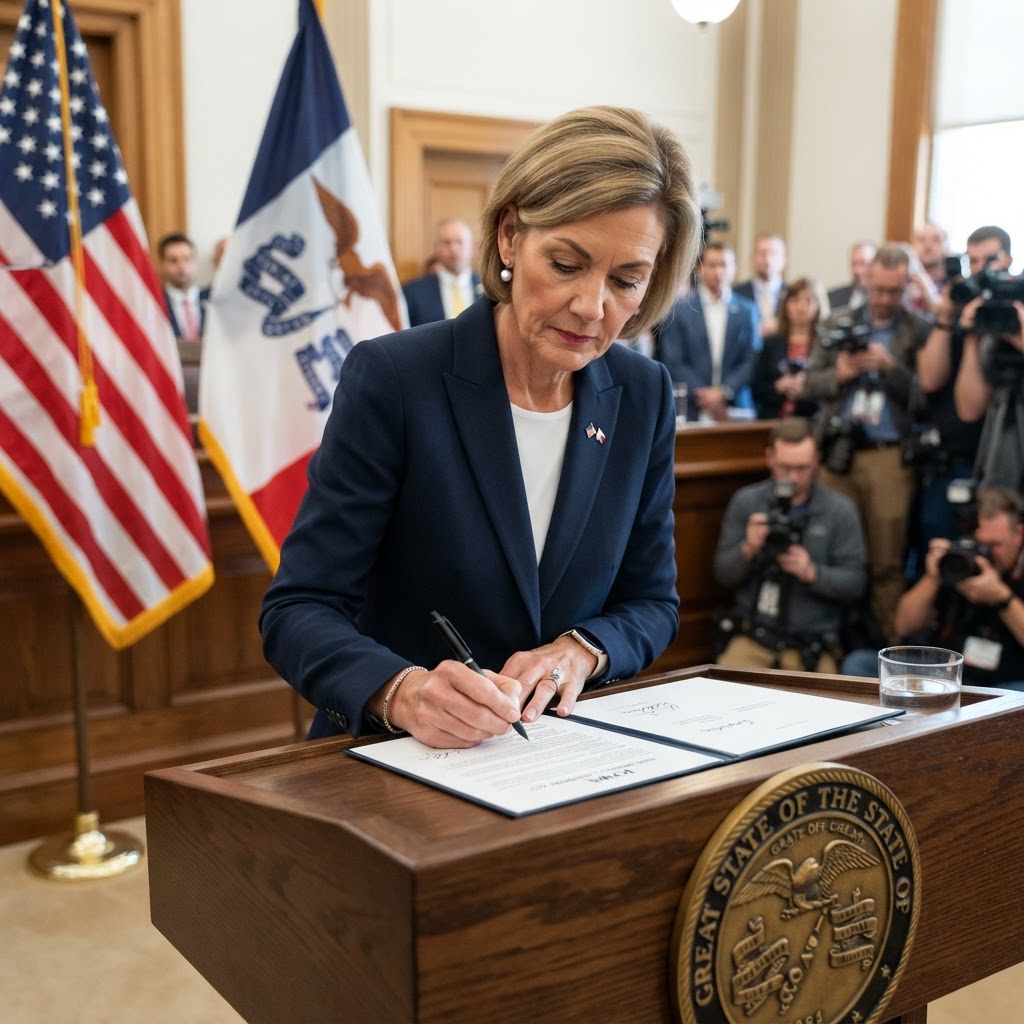
Iowa Leads Nation with Historic Property Tax Reform
Governor Kim Reynolds has signed landmark legislation providing $4.2 billion in property tax relief, marking the largest reduction of its kind in the nation.
WorthFighting.org News · 6 min read
Take Action
This country is worth fighting for. Get involved today.