
America Draws the Line: U.S. Pulls Back from WHO Pandemic Treaty as Global Health Bureaucrats Push for Sweeping Sovereignty Grab
The Trump administration has formally rejected the latest draft of the World Health Organization's pandemic treaty, citing dangerous overreach into U.S. sovereignty and constitutional freedoms. Conservative voices are cheering the move as a long-overdue stand against globalist health bureaucracy.
Derek J
Admin - Senior Correspondent
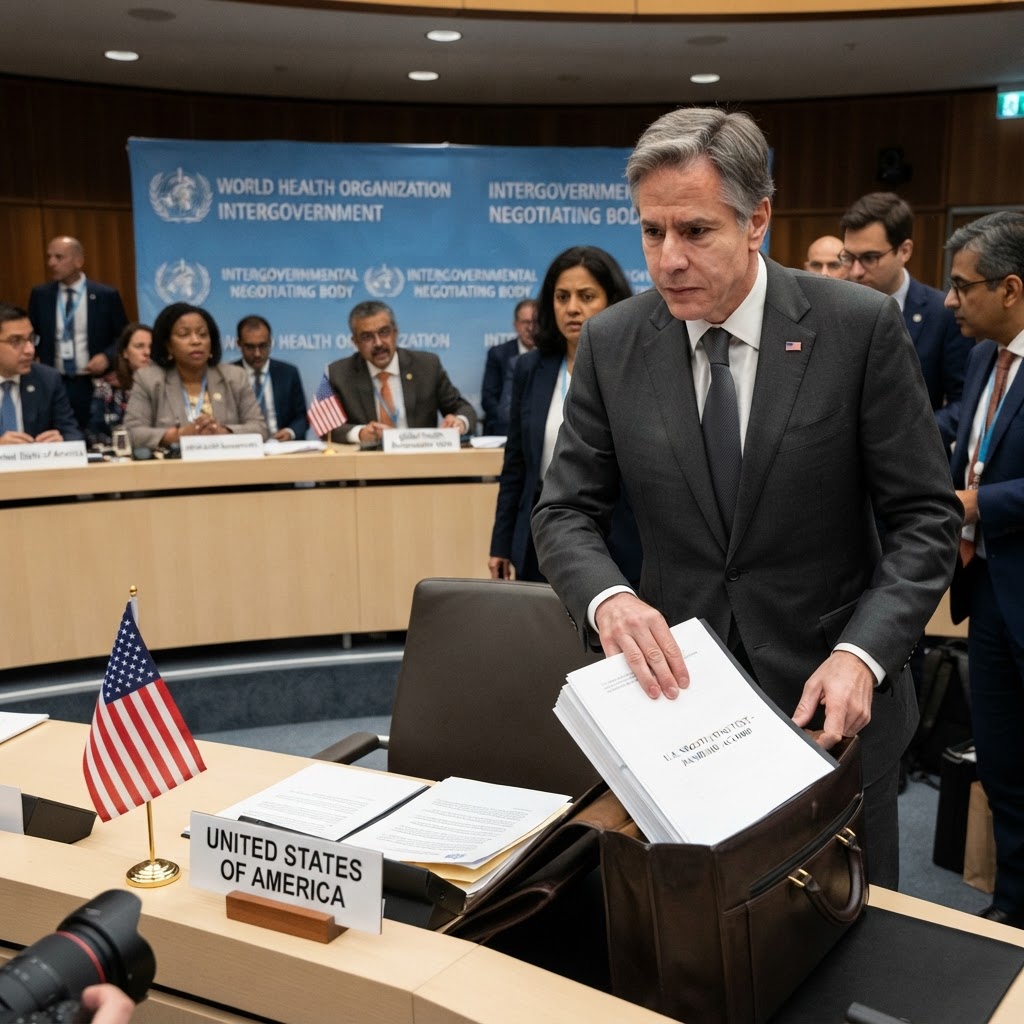
Washington Puts America First — Again
In a decisive move that has drawn sharp praise from conservatives and fierce criticism from the globalist establishment, the Trump administration formally notified the World Health Organization this month that the United States will not be a signatory to the revised International Pandemic Treaty — a sweeping agreement that critics say would hand unelected foreign bureaucrats unprecedented authority over American public health decisions, domestic policy, and even free speech online.
The decision, announced by the State Department on July 9, 2026, marks a dramatic departure from the posture of previous administrations and delivers on one of the America First movement's core foreign policy promises: that no international body will ever supersede the United States Constitution.
What's Actually in the Treaty
The WHO's pandemic treaty — formally known as the "Pandemic Accord" — has been under negotiation since 2021. The latest draft, finalized in Geneva in late June 2026, contains provisions that alarmed constitutional scholars and national security experts across the country. Among its most controversial elements:
- Mandatory reporting requirements that would compel member nations to share genomic and epidemiological data with the WHO in real time, with no guarantee of national security protections
- Misinformation provisions that task member governments with combating "infodemics" — a term critics warn could be used to suppress legitimate dissent and medical debate
- Supply chain commandeering clauses that allow the WHO Director-General to recommend the redistribution of a nation's medical stockpiles to other countries during a declared emergency
- Financing mandates that would obligate wealthier nations — read: the United States — to fund pandemic preparedness in the developing world at levels exceeding current foreign aid commitments
- Surveillance infrastructure that would require member nations to build domestic monitoring systems consistent with WHO standards, effectively importing a global framework into American law
"This treaty was never about science — it was always about control," said Dr. Harrison Vale, a senior fellow at the American Sovereignty Institute. "The WHO's track record during COVID-19 was abysmal. They covered for China, they suppressed early data, and they politicized every major decision. Rewarding that institution with veto power over U.S. health policy would be an act of national self-destruction."
The Sovereignty Question
At the heart of the administration's objection is a fundamental constitutional argument: treaties that delegate domestic policymaking authority to international bodies violate the separation of powers and undermine the sovereignty of the American people.
"The Constitution does not permit Washington to outsource American freedom to Geneva. Any agreement that allows a foreign director-general to dictate what Americans can say, what medicines we must share, or how our government must respond to a health emergency is not a treaty — it's a surrender." — Ambassador Reginald Forsythe, U.S. Special Envoy for International Organizations
The administration's legal team has further argued that several provisions in the treaty would require Senate ratification — a threshold proponents were deliberately trying to avoid by framing the accord as an administrative agreement under the WHO's constitutional framework.
Conservative constitutional attorney Claire Dunmore, who submitted an amicus brief on the treaty to the Senate Foreign Relations Committee, put it bluntly: "If this had gone through as an executive agreement, it would have been one of the most consequential stealth power grabs in modern American history."
The Left's Predictable Meltdown
Predictably, the globalist left and their media allies erupted in outrage. Former Obama-era health officials and progressive think tanks accused the administration of "isolationism" and warned of catastrophic consequences for global pandemic preparedness. The editorial boards of the nation's largest newspapers called the decision "reckless" and "dangerous."
But conservatives pushed back hard. "Every time America asserts its sovereignty, the establishment calls it isolationism," said Marcus Thorne, a foreign policy analyst at the Patriot Policy Center. "What they really mean is that America is no longer willing to be the ATM and the scapegoat for failed globalist institutions."
It's worth noting that the United States already contributes more than any other nation to global health funding through bilateral aid programs, the CDC's global operations, and PEPFAR — programs that maintain American oversight and accountability, unlike the WHO's notoriously opaque bureaucracy.
A Larger Pattern of Reclaiming American Authority
The WHO treaty rejection is not an isolated event. Since returning to office, the Trump administration has pursued an aggressive agenda of unwinding multilateral entanglements it views as hostile to American interests — from renegotiating climate accords to reasserting U.S. authority over international trade disputes. The message from Washington has been consistent: American voters, not international bodies, govern America.
For millions of Americans who watched in horror as governments weaponized public health powers during COVID-19 — closing churches, shuttering small businesses, mandating injections, and silencing dissent — this moment carries deep symbolic weight.
"People remember," said Dr. Vale. "They remember who wanted to keep the lockdowns going. They remember who tried to take away their livelihoods and their freedoms in the name of a global emergency. They're not going to hand those same people a treaty that makes it easier to do it again."
The Road Ahead
The WHO has signaled it will continue to pursue the treaty with remaining member nations and may seek to apply economic or diplomatic pressure on non-signatory states. Several European governments have already signed the accord, though notable holdouts beyond the U.S. include India and Brazil.
In Washington, the Senate Foreign Relations Committee has announced it will hold hearings this fall to review all existing U.S. commitments to international health organizations, with an eye toward ensuring full constitutional compliance and American oversight of any future agreements.
For now, America has drawn a clear line — and conservatives are standing firmly behind it.
Comments (0)
Be the first to comment.
Related Stories

Crime
Seattle Police Budget Hike Sparks Staffing Concerns
Seattle City Council members are clashing over Mayor Katie Wilson's proposed 13.9% police budget increase, questioning if it will truly boost officer numbers.
WorthFighting.org News · 6 min read
Economy
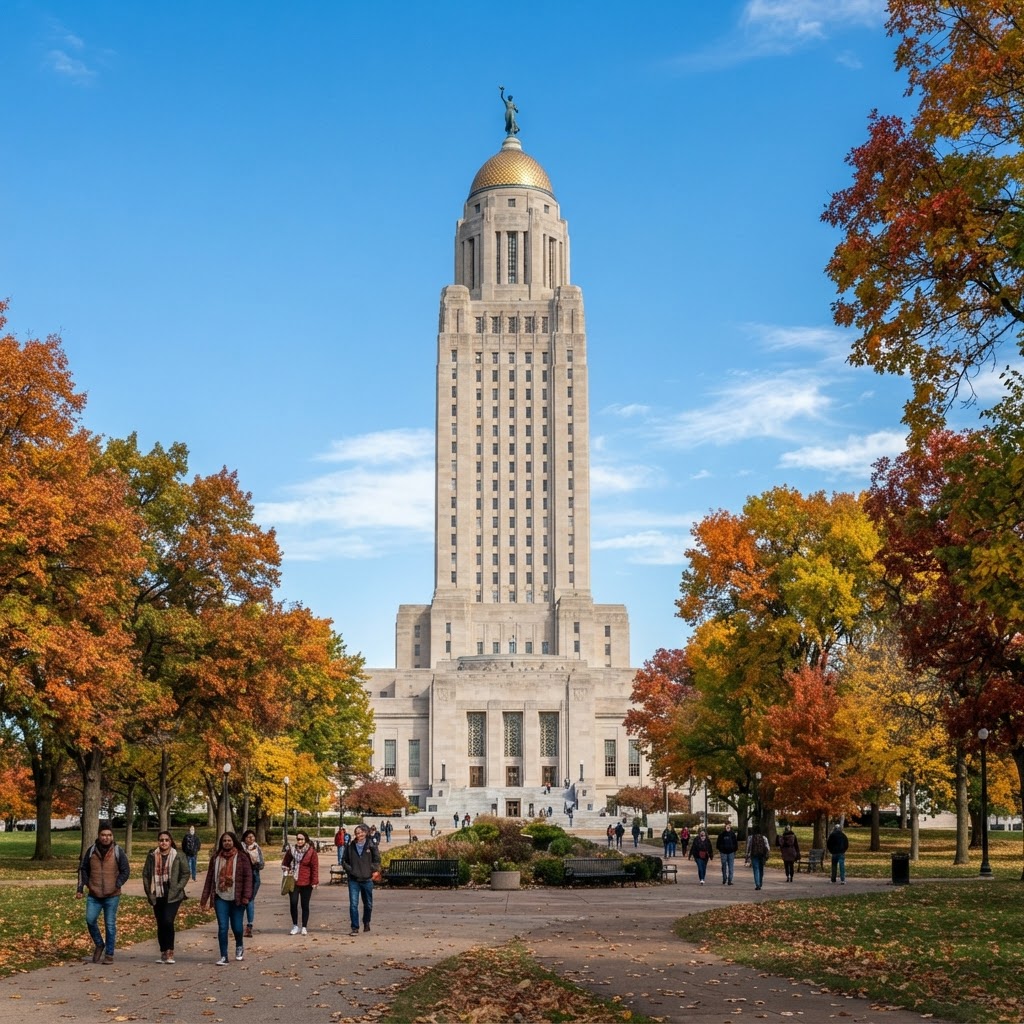
Nebraska Property Tax Reform Remains Top Priority for Voters
As Nebraska voters head toward the 2026 election, property tax relief remains a central issue. Legislative efforts continue to address the state's tax burden.
WorthFighting.org News · 6 min read

Economy
Florida Homeowners Remain Skeptical of Insurance Reforms
Despite state claims of a stabilizing insurance market, a new survey reveals that many Florida homeowners continue to struggle with high premiums and coverage
WorthFighting.org News · 6 min read

Crime
Rhode Island Sues Meta Over Rampant Scam Advertising
Attorney General Peter Neronha has filed a lawsuit against Meta, alleging the tech giant profits from billions of dollars in fraudulent ads on its platforms.
WorthFighting.org News · 6 min read
Economy
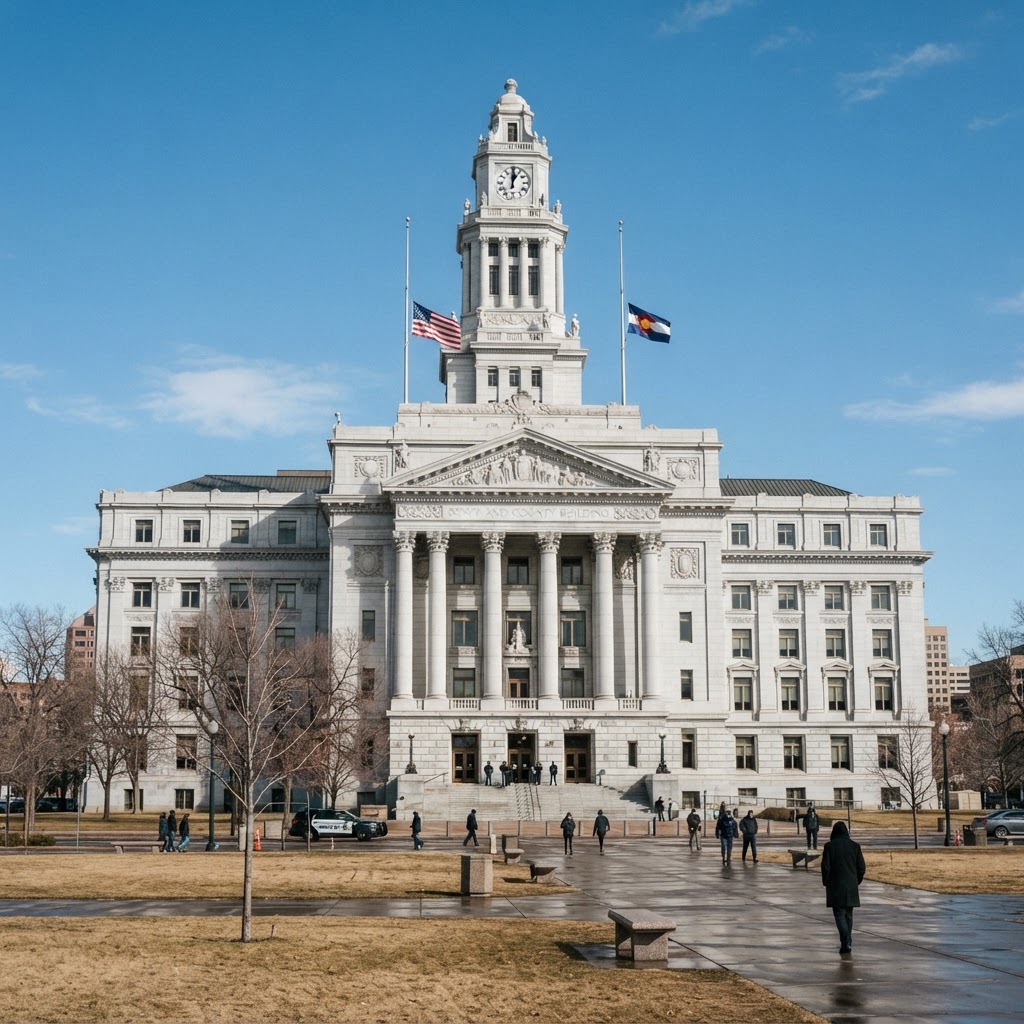
Denver Budget Standoff: Mayor Rejects Key Council Requests
Denver Mayor Mike Johnston has rejected major City Council budget requests, leaving critical public safety and infrastructure funding in a state of uncertainty.
WorthFighting.org News · 6 min read
Education
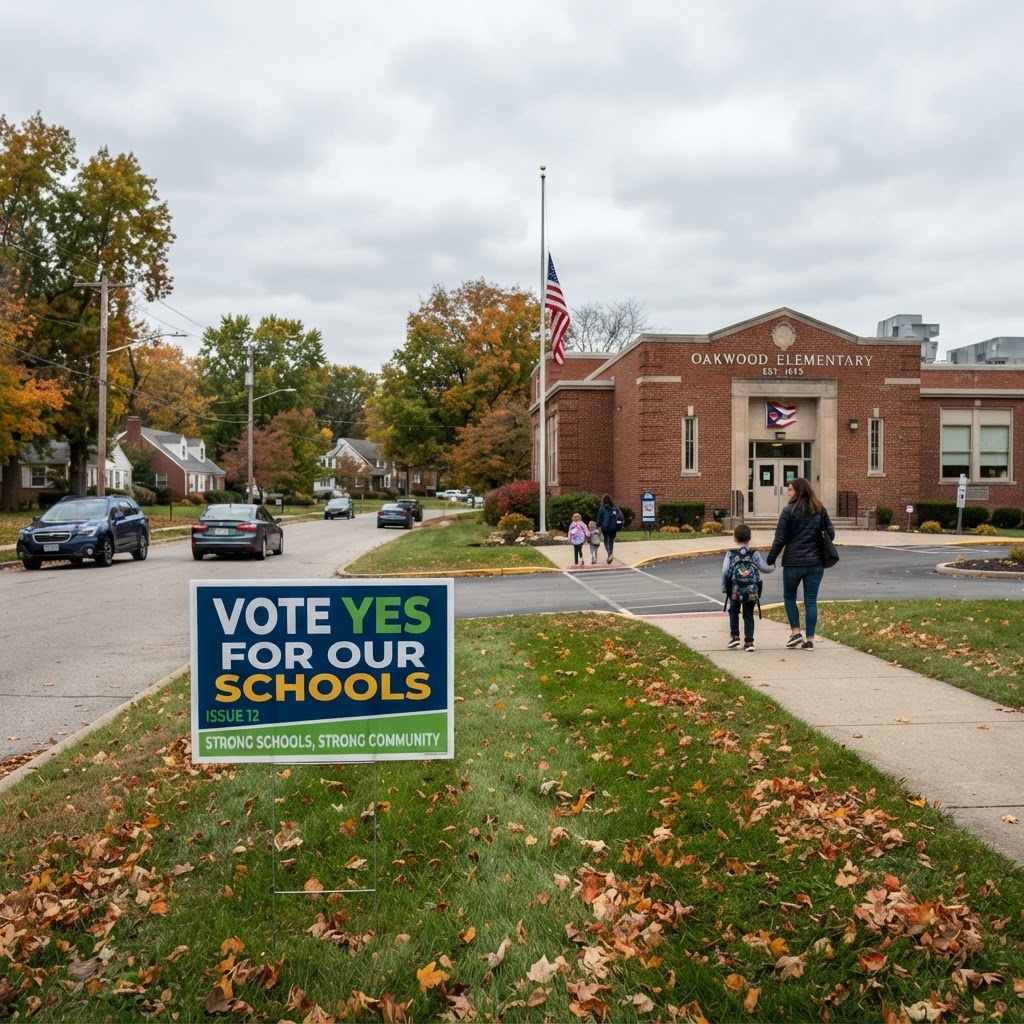
Ohio School Districts Face Financial Crisis at the Ballot
Across Ohio, multiple school districts are heading to the November ballot with critical tax levies, warning of severe budget cuts and potential consolidation.
WorthFighting.org News · 6 min read
Related Resources
Related Articles
13 itemsSame category: Foreign Policy
Same category: Foreign Policy
Same category: Foreign Policy
What People Are Reading

East Providence Taxpayers Hit With 3.5% Property Tax Hike
Florida Homeowners Remain Skeptical of Insurance Reforms
Chicago Aldermen Clash Over Mayor Johnson’s Budget Cuts
Alabama Supreme Court Weighs Absentee Ballot Law

Wyoming Energy Authority Launches Power Grid Study
Take Action
This country is worth fighting for. Get involved today.