
U.S. Strikes on Iran: Current Status of the Conflict and Strait of Hormuz Crisis
The U.S. and Iran are locked in an escalating cycle of military confrontation, with CENTCOM striking over 170 targets in 48 hours and the IRGC declaring the Strait of Hormuz closed.
WorthFighting.org Staff
Staff Writer

Photo by Michael Afonso on Unsplash
Key Takeaways
- 1.CENTCOM struck over 170 targets in Iran during a 48-hour window in July 2026
- 2.The IRGC declared the Strait of Hormuz closed in response to U.S. military operations
- 3.Iran attacked at least three commercial vessels transiting the strait
- 4.President Trump reinstated an Iranian blockade and announced shipping fees
- 5.A prior ceasefire has completely collapsed amid the escalating cycle of retaliation
The United States and Iran have descended into a violent cycle of military escalation, with American forces launching multiple rounds of precision strikes against Iranian military targets in what has become the most sustained direct confrontation between the two nations in decades.
As of mid-July 2026, the conflict shows no signs of de-escalation. The most recent American offensive, announced by U.S. Central Command (CENTCOM) on July 7, saw over 80 targets struck with precision munitions across Iran. This was followed by additional strikes in the days that followed, with the U.S. military confirming it had struck more than 170 targets in Iran during a 48-hour window — a significant increase in the tempo of operations.
What Triggered the Latest Escalation
According to CENTCOM, the July 7 strikes were launched as a direct response to Iran's attacks on commercial vessels transiting the Strait of Hormuz, one of the world's most critical maritime chokepoints for global oil shipments. Iranian forces had attacked at least three commercial vessels: the Marshall Islands-flagged M/T Al Rekayyat, the Saudi Arabia-flagged M/T Wedyan, and the Liberian-flagged M/T Cyprus Prosperity.
American forces targeted Iranian air defense systems, command and control networks, coastal radar sites, anti-ship missile capabilities, and more than 60 Islamic Revolutionary Guard Corps (IRGC) small boats operating in and near the strait. The objective, according to military officials, was to degrade Iran's ability to continue attacking international commerce flowing through the corridor.
The Strait of Hormuz Standoff
The Strait of Hormuz has become the focal point of the conflict. In a dramatic escalation, the IRGC declared the strait closed in response to what it characterized as U.S. interference in the region. Iran has also exchanged missile and drone attacks with U.S. forces and allied positions across the Gulf.
President Donald Trump reinstated an Iranian blockade and announced that the United States would charge a fee for ships crossing the strait — a move that has sent shockwaves through global energy markets and drawn condemnation from international shipping organizations.
Iranian media has reported explosions near Qeshm Island, Jask, Sirik, and west of Bandar Abbas — all key military and logistical hubs along Iran's southern coast. The reports came shortly after the U.S. military announced its latest wave of strikes.
Ceasefire Collapse
The current violence represents a complete collapse of a ceasefire that had briefly paused hostilities earlier in the conflict. Iran's state-run media reported that two military sites in separate cities were targeted by multiple strikes. The U.S. military later confirmed the significant increase in target count, signaling a shift from limited retaliatory strikes to a broader campaign aimed at dismantling Iran's offensive capabilities.
CENTCOM forces have stated they remain postured and prepared to hold Iran accountable when the agreement is not adhered to or obeyed — a clear signal that further Iranian provocations will be met with additional military force.
Regional and Global Implications
The conflict has drawn in neighboring countries, with reports of Iranian missile and drone attacks reaching Bahrain and Kuwait. The broader Middle East is on edge as allies and adversaries alike assess the implications of a sustained U.S.-Iran military exchange.
Oil markets have been volatile, with the disruption to one of the world's most important shipping lanes threatening global supply chains. The Strait of Hormuz handles approximately 20% of the world's daily oil consumption, making any sustained disruption a critical economic concern for consumers and businesses worldwide.
What Comes Next
Despite the escalation, Iran had reportedly agreed to continue diplomatic talks, though the sincerity and viability of such negotiations remain deeply uncertain amid ongoing military operations. The U.S. position, as articulated through CENTCOM's statements, is that Iran must cease its attacks on commercial shipping and adhere to the terms of the ceasefire agreement.
The situation remains fluid and dangerous. With both sides locked in a cycle of retaliation, the risk of further escalation — whether intentional or accidental — remains high. The international community is watching closely, with the potential for the conflict to spiral into a broader regional war remaining a serious concern.
For now, American forces continue their operations, Iran continues its provocations, and the Strait of Hormuz remains a flashpoint that could determine the trajectory of the entire conflict in the weeks and months ahead.
Comments (0)
Sources
- 1.U.S. Central Command (CENTCOM)GovernmentAccessed Jul 13, 2026
- 2.ReutersNewsAccessed Jul 13, 2026
- 3.Sky NewsNewsAccessed Jul 13, 2026
Related Stories
Crime
Oregon Authorities Bust $20M Illegal Marijuana Operation
Law enforcement in Oregon dismantled a massive illegal drug trafficking ring, seizing $20 million in cannabis and rescuing 55 laborers from inhumane conditions.
WorthFighting.org News · 6 min read
Education
Gillett Schools Slash Programs After Referendum Failure
The Gillett School District is moving forward with significant budget cuts following the recent failure of a local funding referendum by voters.
WorthFighting.org News · 5 min read
America First
Leslie County Secures Emergency Funds for Road Repairs
The Kentucky Transportation Cabinet has awarded over $161,000 in emergency aid to Leslie County to address critical road slides and ensure community safety.
WorthFighting.org News · 5 min read

Education
Plainfield Voters Secure School Funding in Second Ballot
Plainfield residents successfully passed a school budget in a second vote, effectively minimizing potential cuts to local education programs and staff.
WorthFighting.org News · 5 min read
Economy
Cheyenne Data Center Project Shifts to Google Ownership
A massive $17 billion data center project near Cheyenne has officially transitioned to Google, marking a significant shift in Wyoming's industrial landscape.
WorthFighting.org News · 6 min read
Economy
Iowa Leads Nation with Historic Property Tax Reform
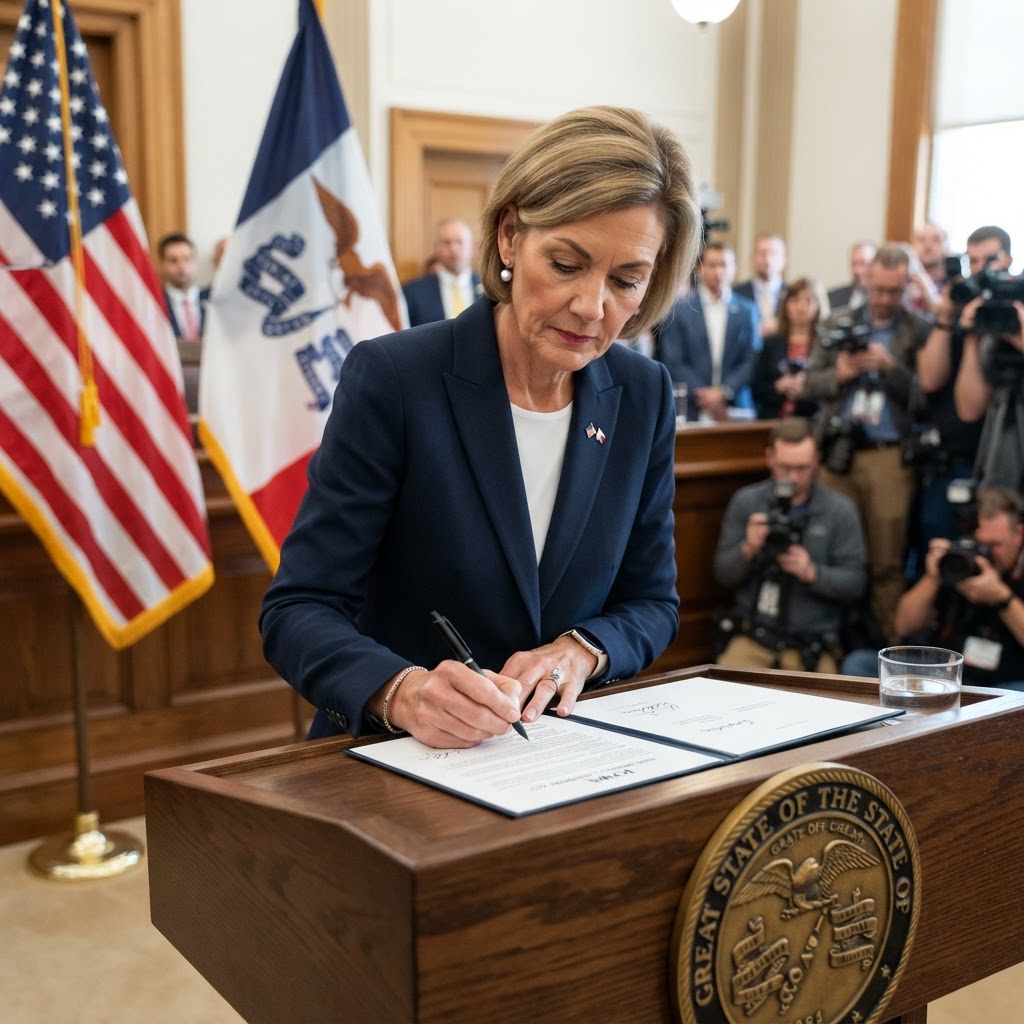
Governor Kim Reynolds has signed landmark legislation providing $4.2 billion in property tax relief, marking the largest reduction of its kind in the nation.
WorthFighting.org News · 6 min read
Take Action
This country is worth fighting for. Get involved today.