
St. Paul Mayor Proposes 6.8% Property Tax Hike
Saint Paul Mayor Kaohly Her has proposed a 6.8% property tax levy increase to address a $26 million budget deficit, sparking concerns over rising costs for
WorthFighting.org News
Staff Writer
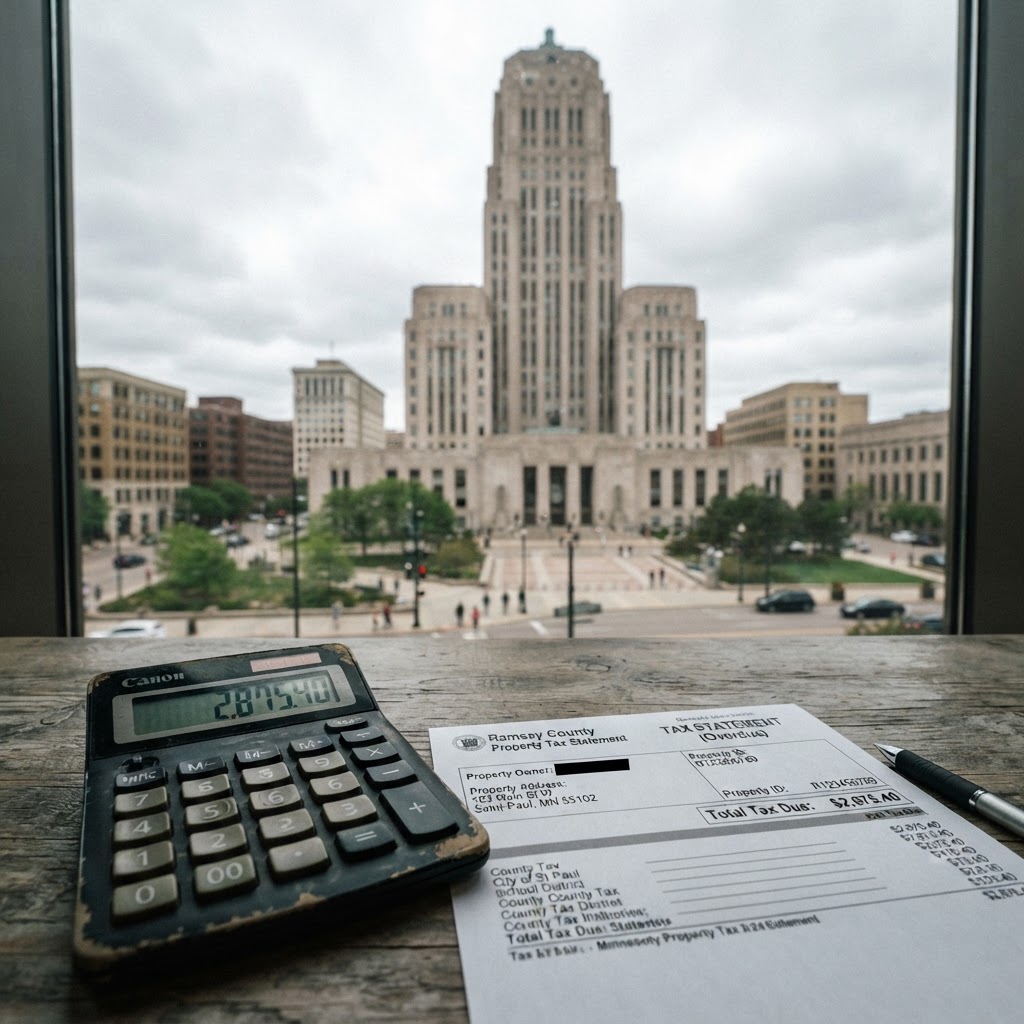
A Growing Fiscal Gap in Saint Paul\n\nResidents of Minnesota’s capital city are facing a significant hit to their wallets as local leaders struggle to balance the books. Saint Paul Mayor Kaohly Her has officially proposed a 6.8 percent property tax levy increase as part of her administration’s plan to address a looming $26 million budget deficit. The proposal, unveiled this week, sets the stage for a heated debate within the Saint Paul City Council and among taxpayers who are already feeling the squeeze of a tightening economy.\n\nCity officials have described the $26 million shortfall as one of the largest financial gaps in Saint Paul’s recent history. Despite a total municipal budget that approaches $1 billion, the city claims it cannot maintain current service levels without asking property owners for more money. The administration oversees 18 departments and more than 3,000 employees, and the costs of maintaining that workforce are rising faster than the city’s traditional revenue streams.\n\n## The Cost of Municipal Operations\n\nMayor Her defended the proposed hike by pointing to external inflationary pressures that have driven up the cost of essential services. According to the Mayor’s office, the city is facing sharp increases in employee health insurance premiums, fuel costs for the Saint Paul Police Department and fire vehicles, and the price of raw materials used for municipal infrastructure projects. \n\n"Closing the gap without some form of tax increase would be impossible," Her stated during the budget rollout. She emphasized that while inflation increases the cost of delivering public services, municipal revenue does not always rise at the same pace. However, for many residents in Ramsey County, the explanation offers little comfort as they deal with their own rising costs for groceries, utilities, and housing.\n\n## A Compounding Burden for Taxpayers\n\nThis proposal does not exist in a vacuum. The 6.8 percent increase from the city is only one portion of the total tax bill that Saint Paul residents will see. Property tax statements also include levies from Ramsey County and the Saint Paul Public Schools (SPPS) district. \n\nSPPS is currently navigating its own fiscal crisis, reporting a $14.3 million budget shortfall for the 2026-27 school year. The school board recently approved preliminary cuts to combat this imbalance, which may include reductions in classroom resources and staff. When combined with the city’s proposed hike, the cumulative effect on homeowners could be substantial. Critics argue that the constant reliance on property tax increases is unsustainable and punishes long-term residents and small business owners who are the backbone of the community.\n\n## The Broader Minnesota Budget Crisis\n\nThe fiscal strain in Saint Paul mirrors a larger trend across the state of Minnesota. While the state legislature approved a major increase in education funding last year, many districts claim it was not enough to offset decades of underfunding and the expiration of federal COVID-19 relief money. Furthermore, the state itself is forecast to face a nearly $6 billion deficit in the 2028-29 biennium, suggesting that the era of easy spending in St. Paul and Minneapolis may be coming to an end.\n\nAs the Saint Paul City Council begins its public budget process, council members will have to weigh the Mayor’s proposal against the concerns of their constituents. The administration has acknowledged that difficult choices lie ahead, noting that residents must decide which services can be reduced and how much additional cost they can reasonably absorb. For those advocating for an America First approach to local governance, the focus remains on fiscal discipline, cutting non-essential programs, and protecting the financial security of hardworking families.\n\n## Why This Matters\n\nThe proposed tax hike in Saint Paul is a clear indicator of the fiscal challenges facing urban centers across the Midwest. When local governments fail to prioritize essential services and allow budgets to swell to nearly $1 billion, the taxpayer is always the one left holding the bill. This situation underscores the need for greater transparency in municipal spending and a renewed commitment to fiscal responsibility at every level of government. As the cost of living continues to rise, the ability of families to remain in their homes depends on local leaders who are willing to make the tough cuts necessary to keep taxes low.
Comments (0)
Be the first to comment.
Related Stories
Economy
Portland Budget Proposal Sparks Outrage Over Tax Hikes
Portland officials have unveiled a $363.9 million budget for 2027 that includes property tax increases and job cuts, leaving residents struggling with costs.
WorthFighting.org News · 6 min read
Economy
Jersey City Hits Residents With 15% Property Tax Hike
Jersey City officials have officially approved a 15.15% property tax increase, capping off a contentious budget battle amid a massive municipal financial
WorthFighting.org News · 6 min read
Economy
Nebraska Property Tax Reform Remains Top Priority for Voters
As Nebraska voters head toward the 2026 election, property tax relief remains a central issue. Legislative efforts continue to address the state's tax burden.
WorthFighting.org News · 6 min read
Economy
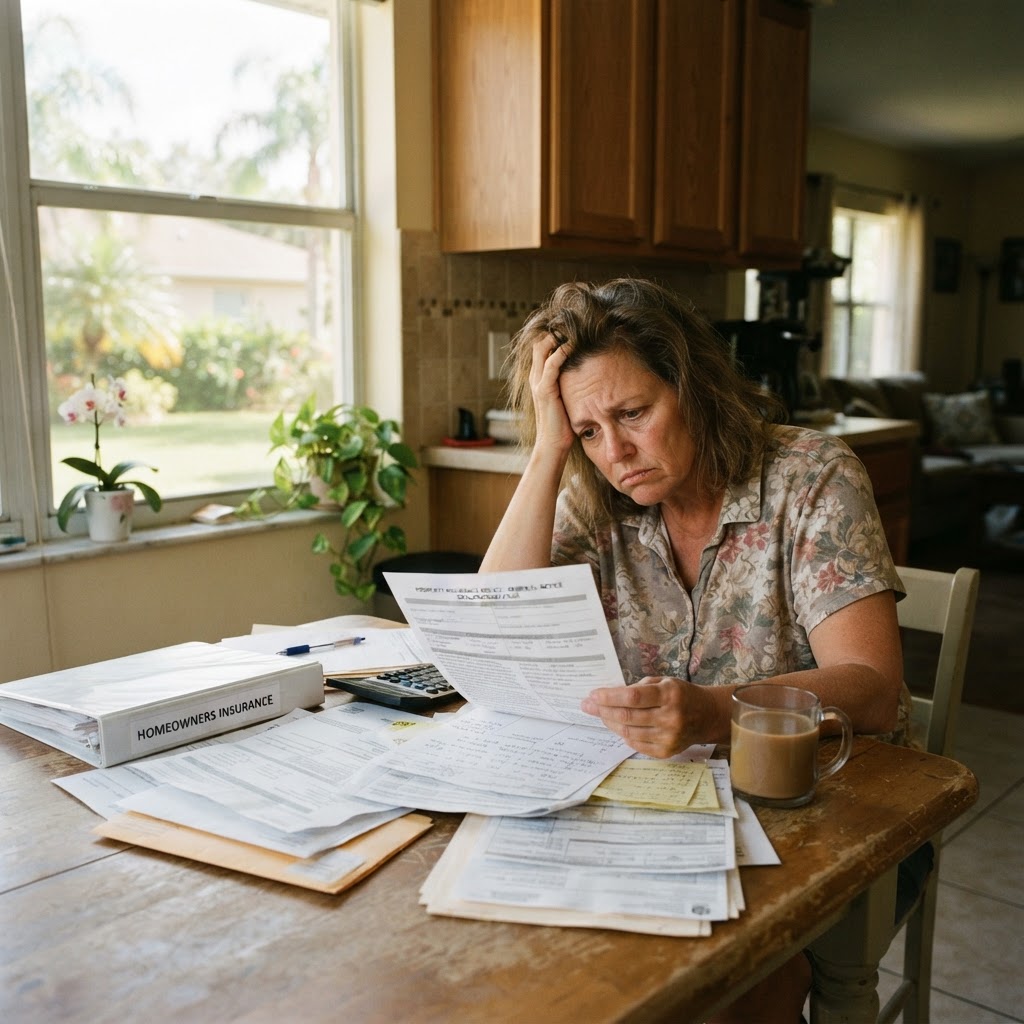
Florida Homeowners Remain Skeptical of Insurance Reforms
Despite state claims of a stabilizing insurance market, a new survey reveals that many Florida homeowners continue to struggle with high premiums and coverage
WorthFighting.org News · 6 min read
Economy
Denver Budget Standoff: Mayor Rejects Key Council Requests
Denver Mayor Mike Johnston has rejected major City Council budget requests, leaving critical public safety and infrastructure funding in a state of uncertainty.
WorthFighting.org News · 6 min read
Economy
South Dakota Residents Push Back Against Energy Rate Hikes
South Dakota customers are organizing against a proposed 8.2% rate increase from MidAmerican Energy, citing concerns over rising costs for families and
WorthFighting.org News · 5 min read
Related Resources
Related Articles
13 itemsSame category: Economy
Same category: Economy
Same category: Economy
What People Are Reading
East Providence Taxpayers Hit With 3.5% Property Tax Hike
Florida Homeowners Remain Skeptical of Insurance Reforms
Chicago Aldermen Clash Over Mayor Johnson’s Budget Cuts
Alabama Supreme Court Weighs Absentee Ballot Law
Wyoming Energy Authority Launches Power Grid Study
Take Action
This country is worth fighting for. Get involved today.