
Iowa Tax Reform Law Delivers $4.2 Billion in Relief
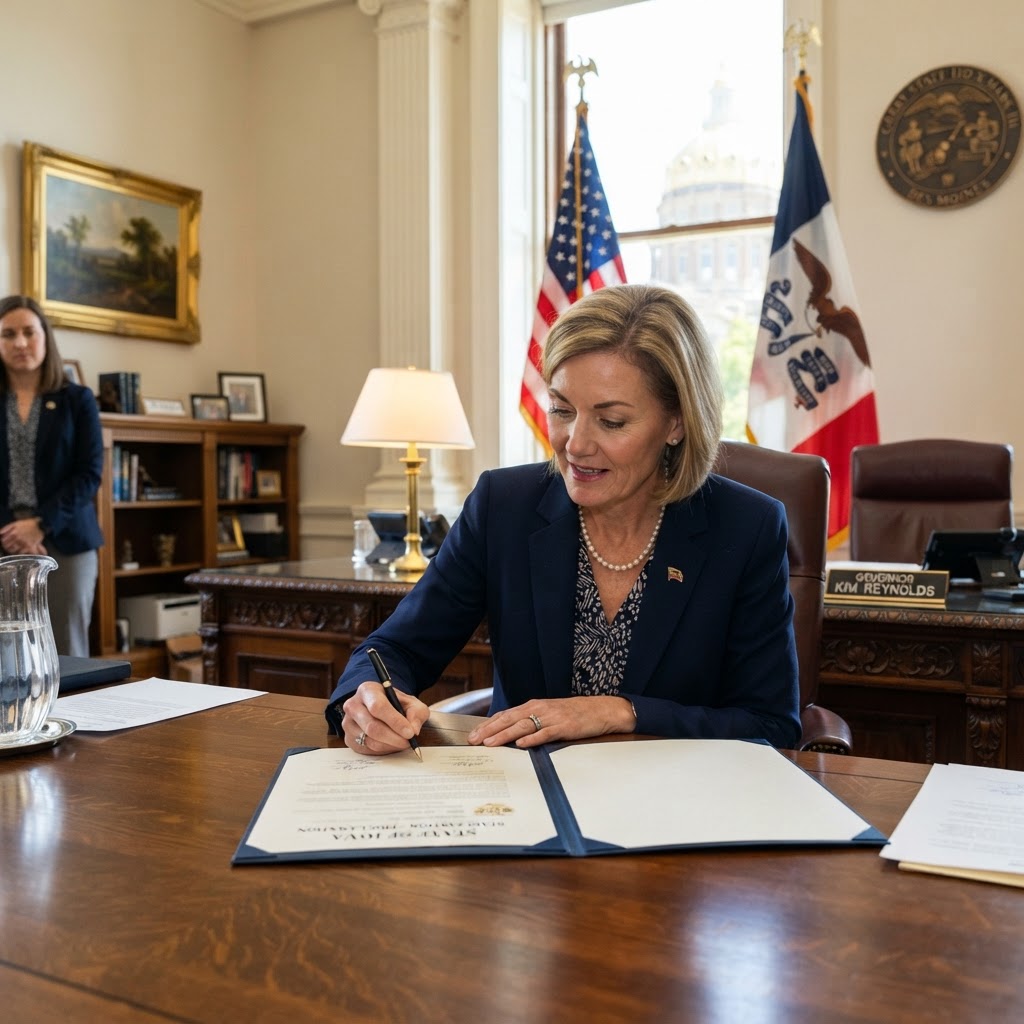
Governor Kim Reynolds has signed a landmark property tax reform bill, projected to save Iowans $4.2 billion over the next six years through structural changes.
WorthFighting.org News
Staff Writer
A Victory for Iowa Taxpayers
In a major win for fiscal conservatives and hardworking families across the state, Governor Kim Reynolds has officially signed a comprehensive property tax reform package. The legislation, which is projected to save Iowans $4.2 billion over the next six years, marks a turning point in the state’s approach to government spending and taxation. By targeting the root causes of rising tax burdens, the Iowa legislature has taken a decisive step toward ensuring that the state remains an affordable place to live, work, and raise a family.
For too long, local government spending in many jurisdictions has outpaced the growth of household incomes, leading to unsustainable property tax hikes. This new law directly addresses that imbalance by implementing a hard revenue cap. By limiting how much total property tax revenue local taxing authorities can collect annually, the state is forcing local officials to prioritize essential services and exercise the same fiscal discipline that Iowa families practice every day.
Structural Reform Over Temporary Fixes
Unlike previous attempts at tax relief that relied on accounting gimmicks or short-term subsidies, this package focuses on structural reform. The legislation preserves Iowa’s critical rollback system, which acts as a safeguard against automatic tax increases caused by rising property valuations. Furthermore, the bill replaces the existing homestead tax credit with a more robust homestead property tax exemption, providing direct and immediate relief to homeowners.
This move is part of a broader effort by Iowa Republicans to transform the state into a national leader in tax policy. Having already successfully moved to a flat income tax and reduced the overall tax burden on businesses, the state is now cementing its reputation as a pro-growth, taxpayer-friendly environment. You can read more about our ongoing efforts to promote fiscal responsibility at our Economy section.
Balancing Local Control and Accountability
While some local government officials have expressed concerns regarding their ability to fund existing programs, the reality is that the state legislature holds the ultimate authority to define the scope of local taxation. Under the principles of Dillon’s Rule, local governments derive their powers from the state, and this reform ensures that those powers are exercised in a way that protects the taxpayer.
By curbing the ability of local governments to increase revenue without restraint, the state is effectively demanding greater accountability. This is not about eliminating services; it is about ensuring that taxpayer dollars are spent efficiently and that local governments are not using property taxes as a blank check for non-essential projects. For more analysis on how these policies impact our communities, visit our America First page.
Why This Matters
This legislation is a testament to what can be achieved when leaders prioritize the needs of the people over the demands of the bureaucracy. By capping revenue growth, Iowa is setting a standard for other states to follow. It sends a clear message that the era of runaway property tax increases is coming to an end, and that the state government is committed to protecting the property rights and financial security of its citizens. As we look toward the future, this structural change will provide the predictability and protection that Iowans have been demanding for years.
Comments (0)
Be the first to comment.
Related Stories

Economy
Jersey City Hits Residents With 15% Property Tax Hike
Jersey City officials have officially approved a 15.15% property tax increase, capping off a contentious budget battle amid a massive municipal financial
WorthFighting.org News · 6 min read

Economy
Nebraska Property Tax Reform Remains Top Priority for Voters
As Nebraska voters head toward the 2026 election, property tax relief remains a central issue. Legislative efforts continue to address the state's tax burden.
WorthFighting.org News · 6 min read

Economy
Florida Homeowners Remain Skeptical of Insurance Reforms
Despite state claims of a stabilizing insurance market, a new survey reveals that many Florida homeowners continue to struggle with high premiums and coverage
WorthFighting.org News · 6 min read
Economy
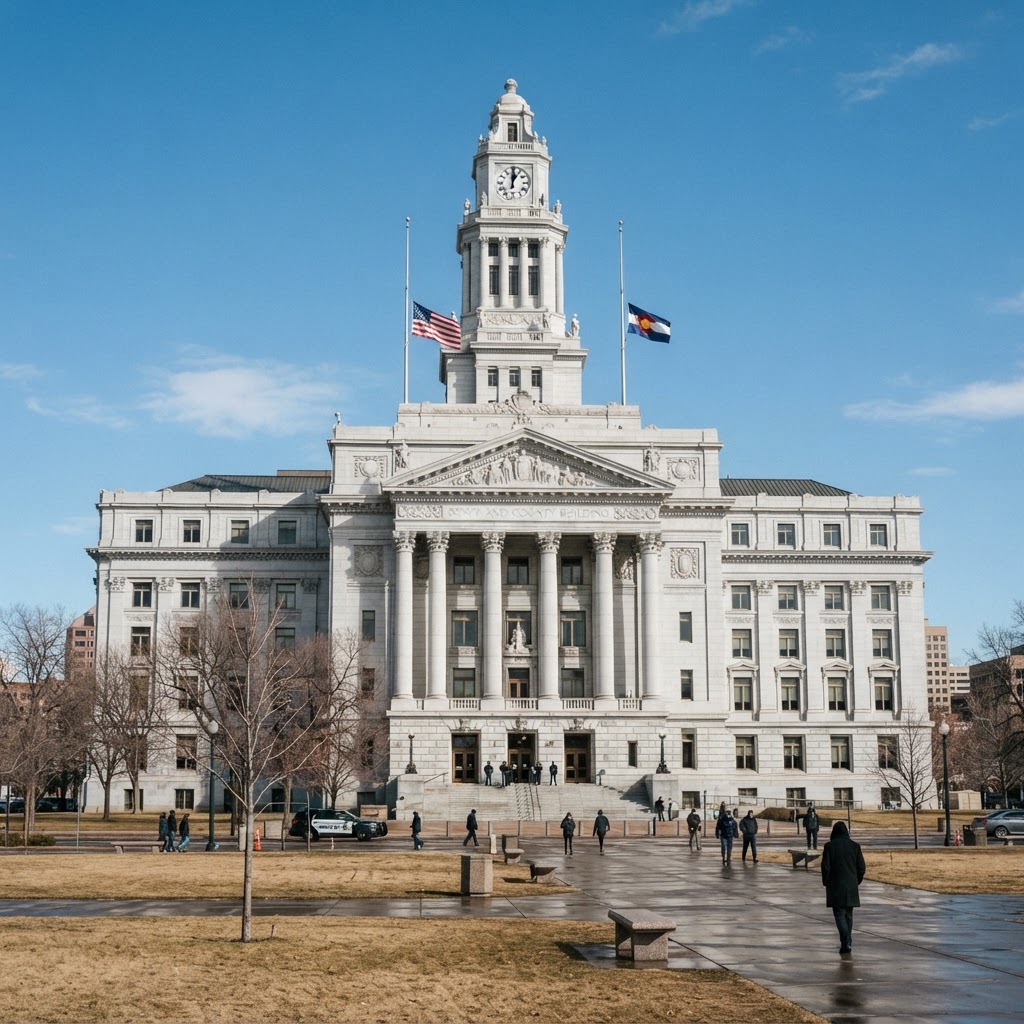
Denver Budget Standoff: Mayor Rejects Key Council Requests
Denver Mayor Mike Johnston has rejected major City Council budget requests, leaving critical public safety and infrastructure funding in a state of uncertainty.
WorthFighting.org News · 6 min read

Economy
Portland Budget Proposal Sparks Outrage Over Tax Hikes
Portland officials have unveiled a $363.9 million budget for 2027 that includes property tax increases and job cuts, leaving residents struggling with costs.
WorthFighting.org News · 6 min read
Economy
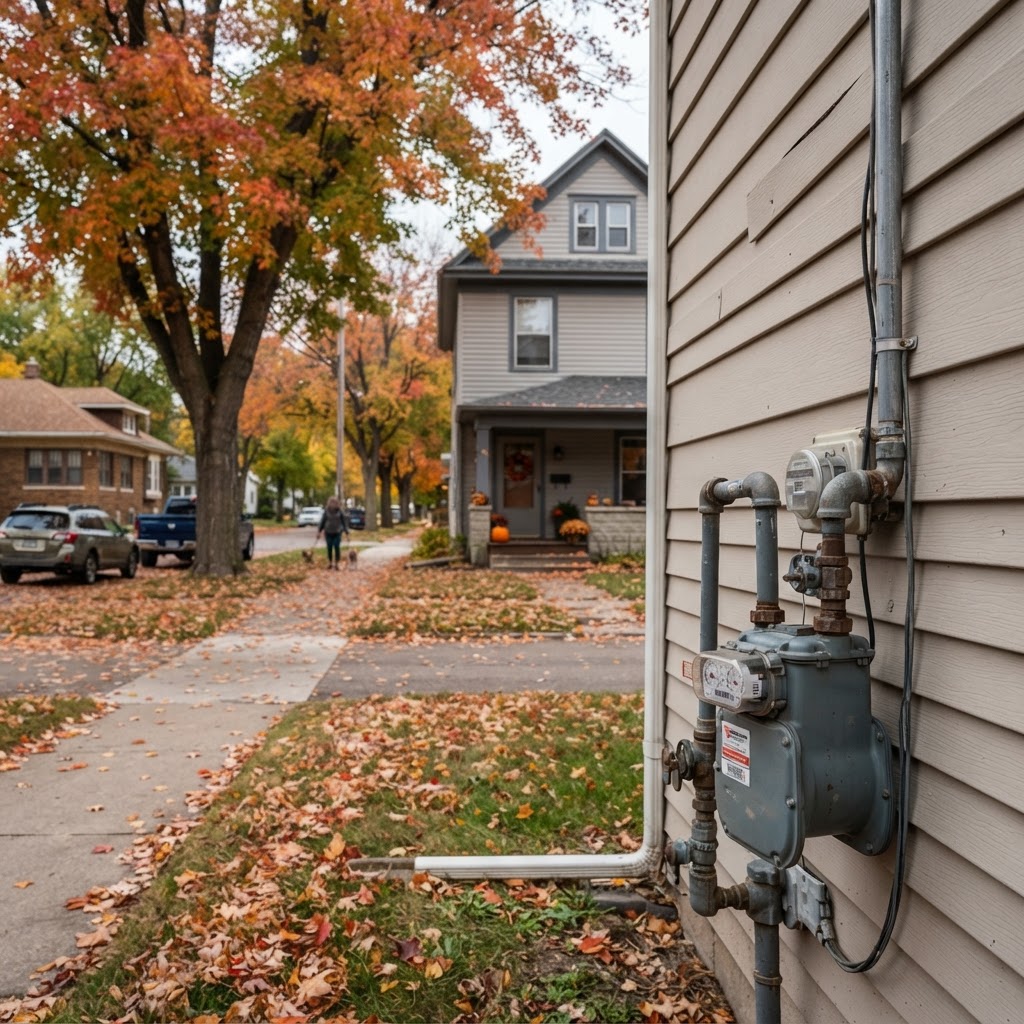
South Dakota Residents Push Back Against Energy Rate Hikes
South Dakota customers are organizing against a proposed 8.2% rate increase from MidAmerican Energy, citing concerns over rising costs for families and
WorthFighting.org News · 5 min read
Related Resources
Related Articles
13 itemsSame category: Economy
Same category: Economy
Same category: Economy
What People Are Reading

East Providence Taxpayers Hit With 3.5% Property Tax Hike
Florida Homeowners Remain Skeptical of Insurance Reforms
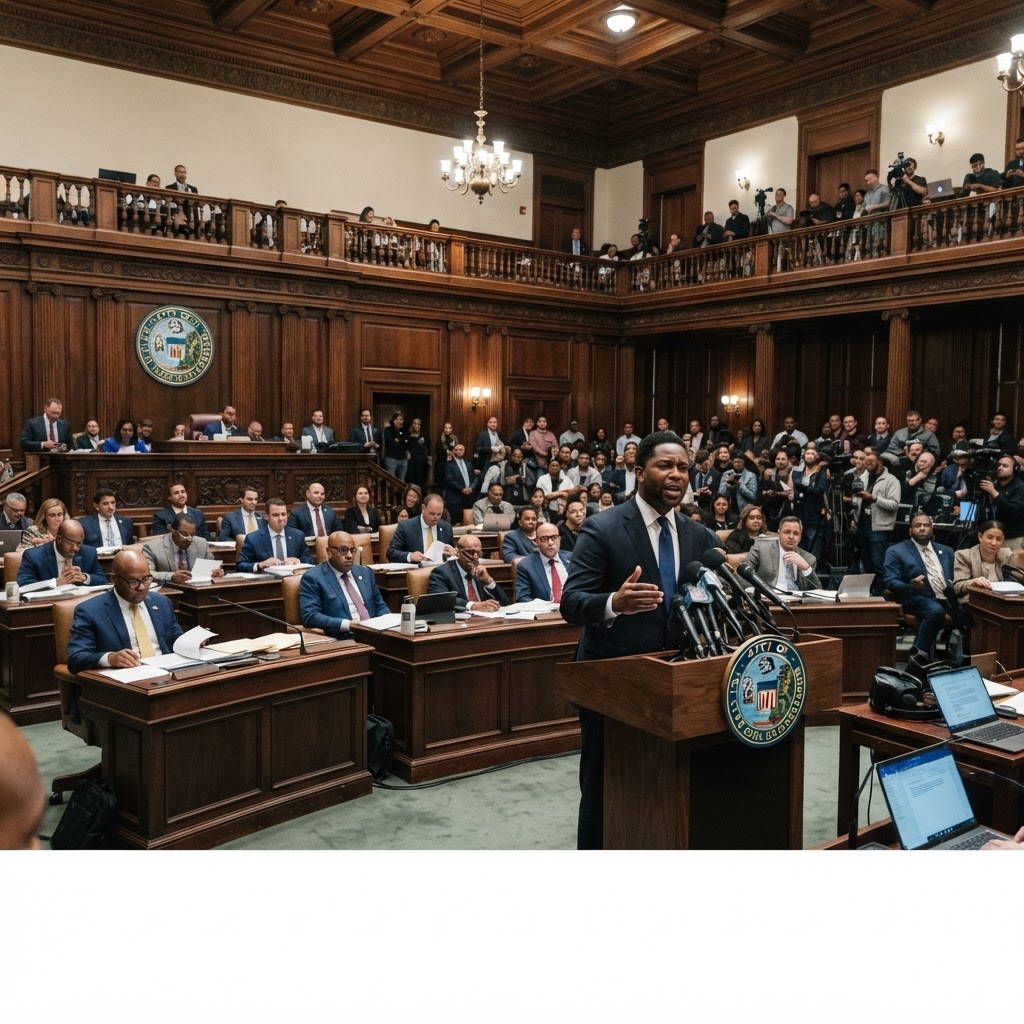
Chicago Aldermen Clash Over Mayor Johnson’s Budget Cuts

Alabama Supreme Court Weighs Absentee Ballot Law

Wyoming Energy Authority Launches Power Grid Study
Take Action
This country is worth fighting for. Get involved today.