
MS Auditor Warns of PERS Crisis, Demands Fiscal Reform
State Auditor Shad White sounds the alarm on Mississippi's failing retirement system, calling for urgent structural changes to prevent a taxpayer-funded
WorthFighting.org News
Staff Writer
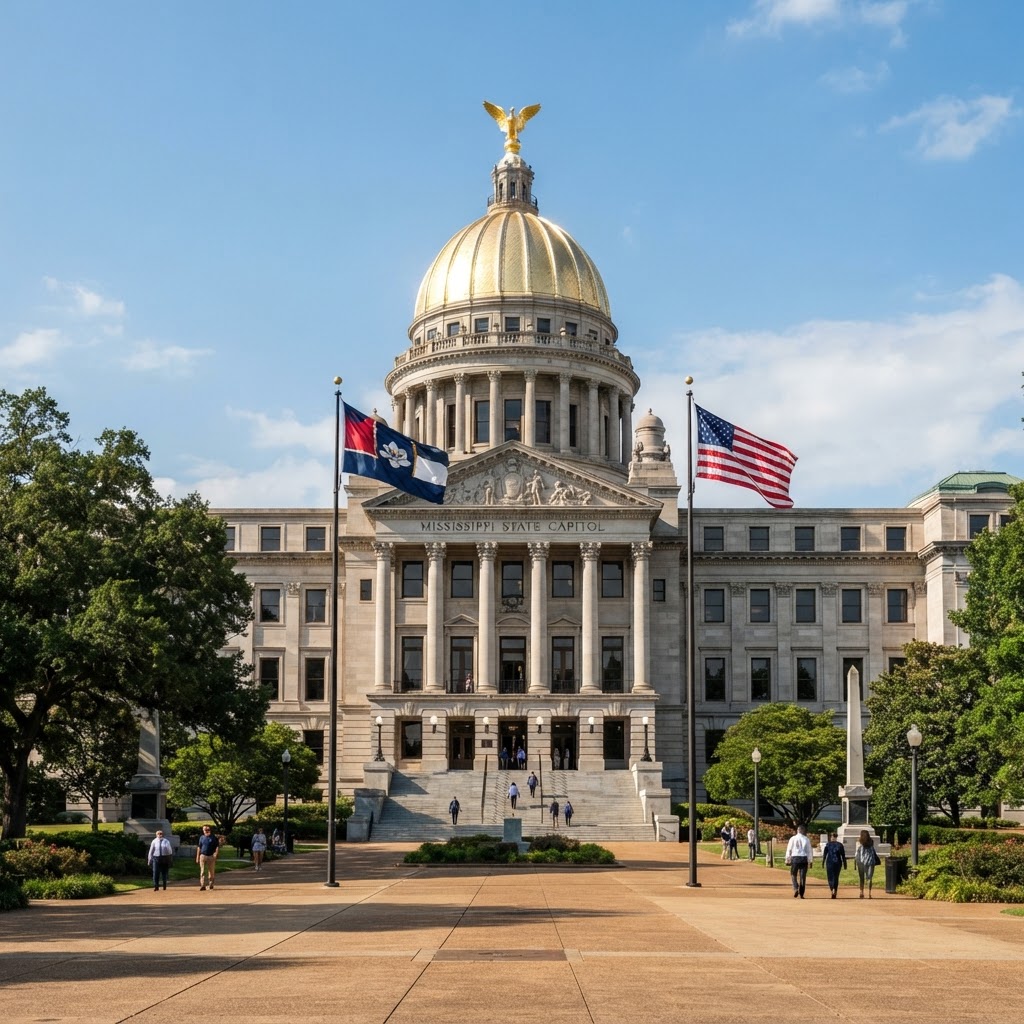
The financial bedrock of Mississippi’s public workforce is facing a reckoning. In a series of blunt statements and data-driven warnings issued over the last 48 hours, Mississippi State Auditor Shad White has intensified his call for a complete overhaul of the Public Employees' Retirement System (PERS). The Auditor’s warnings suggest that without immediate intervention from the state legislature, the Mississippi economy could be hamstrung by a pension system that he describes as being in a "death spiral."
At the heart of the issue is a staggering $25 billion unfunded liability. This figure represents the gap between the benefits promised to retirees and the assets currently held by the system. As the gap widens, the PERS Board of Trustees has sought to bridge the divide by raising the "employer contribution rate"—the percentage of a worker's salary that government agencies, including school districts and municipal police departments, must pay into the fund.
The Rising Burden on Local Communities
For decades, the employer contribution rate hovered around 9.75%. However, as the system's health declined, that rate has been hiked repeatedly. The board recently proposed moving the rate to 22.4%, a move that would force local governments across Hinds, Rankin, and Madison counties to divert millions of dollars away from infrastructure and public safety just to cover pension costs.
Auditor White argues that these hikes are essentially a hidden tax on every citizen. When a local school district or a county sheriff's office has to pay more into PERS, that money must come from somewhere—either through increased property taxes or decreased services.
"The current trajectory is unsustainable," White noted in a recent public briefing. "We are asking current taxpayers to foot the bill for decades of structural mismanagement. We cannot tax our way out of a math problem."
A Call for Structural Change
White is not merely criticizing the current state of affairs; he is proposing a shift toward the economy models used by the private sector. Currently, PERS operates as a defined-benefit plan, which guarantees a specific payout regardless of market performance. White is advocating for the legislature to consider a defined-contribution model, similar to a 401(k), for all new state employees hired after a certain date.
This "America First" approach to fiscal responsibility emphasizes individual ownership of retirement savings and removes the long-term liability from the backs of future generations. Under such a plan, the state would still provide a match, but the ultimate solvency of the state's general fund would no longer be at risk if investment returns fall short.
Legislative Tension in Jackson
The push for reform has created a rift in the State Capitol. While conservative lawmakers are largely in agreement with White regarding the need for fiscal sanity, there is significant pressure from retiree advocacy groups who fear any change to the system could lead to a reduction in benefits.
Earlier this year, the Mississippi Legislature passed a bill aimed at limiting the PERS board’s ability to raise rates without legislative approval. However, blocking a rate hike does not solve the underlying lack of funding. It simply delays the inevitable, according to fiscal hawks in the Auditor's office.
Protecting the Promise
Auditor White has been careful to clarify that his proposals would not affect current retirees or those close to retirement. The goal, he insists, is to protect the promises already made by ensuring the system doesn't go completely bankrupt.
By moving new hires to a different system, the state can begin to "ring-fence" the existing liability and manage it down over time. Without such a move, the Auditor warns that the system will eventually require a direct multi-billion dollar bailout from the state treasury, which would deplete the rainy-day fund and threaten Mississippi's credit rating.
As the next legislative session approaches, the PERS crisis is expected to be a dominant theme. Residents from the Gulf Coast to the Delta will be watching closely to see if their representatives have the political courage to implement the structural reforms necessary to secure the state's financial future.
Why This Matters
The PERS crisis is a cautionary tale of how government-managed systems can fail when they ignore demographic realities and market shifts. For Mississippi families, this isn't just a matter of accounting; it determines whether their local communities can afford to put police officers on the street and teachers in the classroom. Ensuring a stable, sustainable retirement system is a core component of responsible governance and long-term economic prosperity.
Comments (0)
Be the first to comment.
Related Stories

Economy
Nebraska Property Tax Reform Remains Top Priority for Voters
As Nebraska voters head toward the 2026 election, property tax relief remains a central issue. Legislative efforts continue to address the state's tax burden.
WorthFighting.org News · 6 min read

Economy
Florida Homeowners Remain Skeptical of Insurance Reforms
Despite state claims of a stabilizing insurance market, a new survey reveals that many Florida homeowners continue to struggle with high premiums and coverage
WorthFighting.org News · 6 min read
Economy
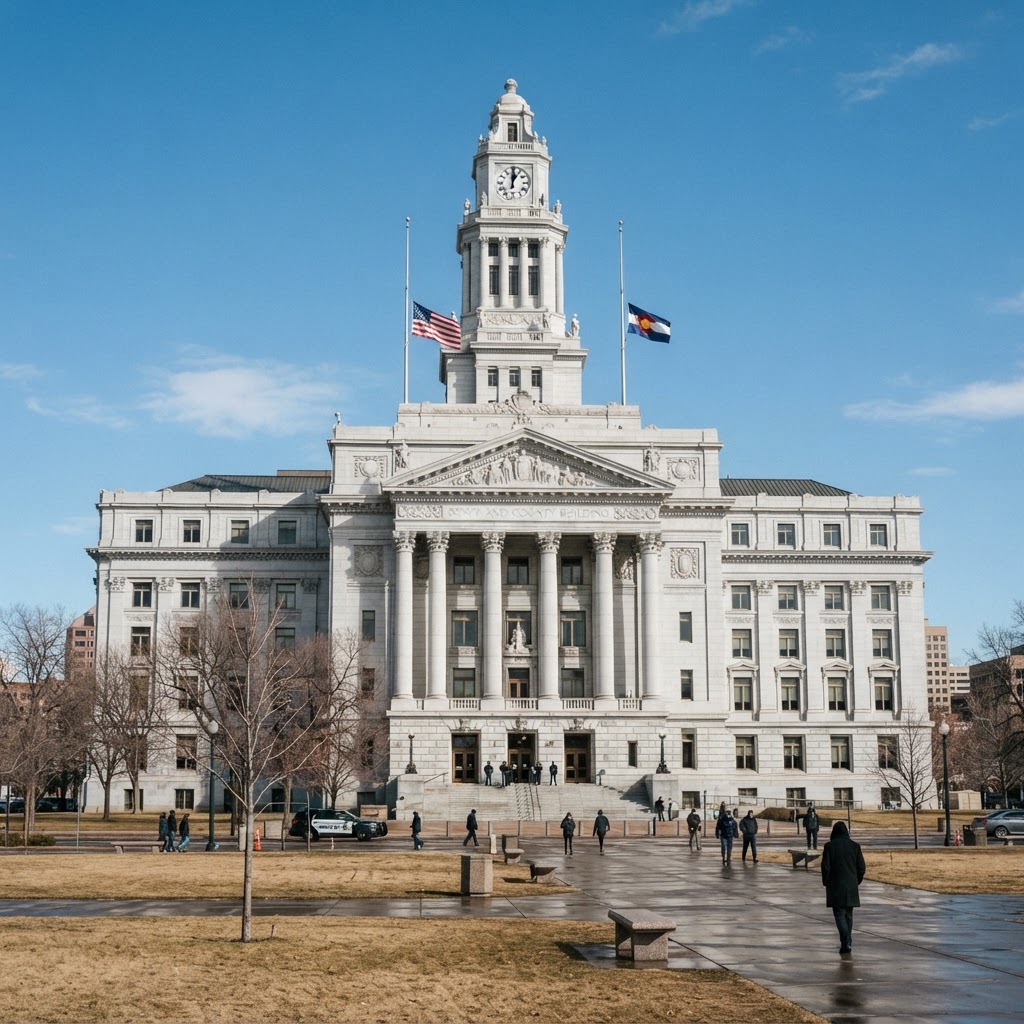
Denver Budget Standoff: Mayor Rejects Key Council Requests
Denver Mayor Mike Johnston has rejected major City Council budget requests, leaving critical public safety and infrastructure funding in a state of uncertainty.
WorthFighting.org News · 6 min read

Economy
Portland Budget Proposal Sparks Outrage Over Tax Hikes
Portland officials have unveiled a $363.9 million budget for 2027 that includes property tax increases and job cuts, leaving residents struggling with costs.
WorthFighting.org News · 6 min read
Economy
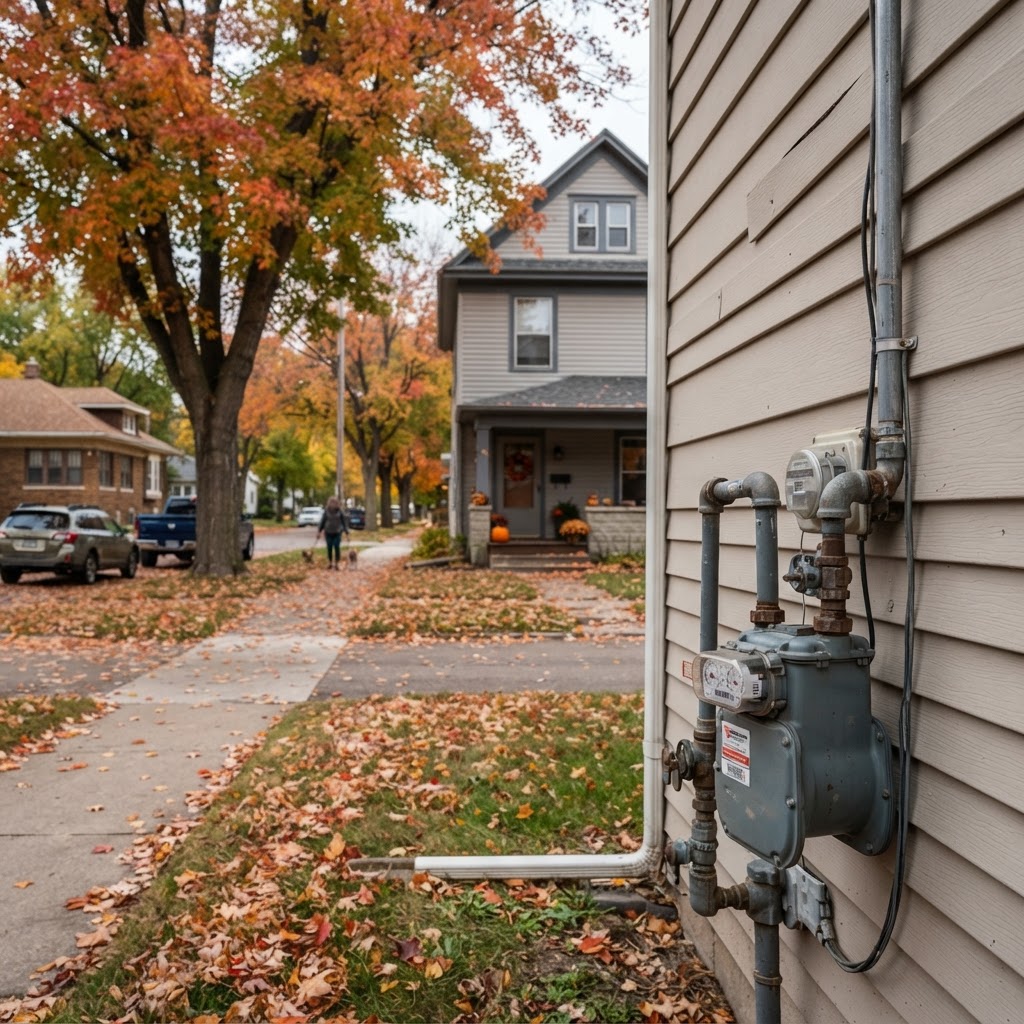
South Dakota Residents Push Back Against Energy Rate Hikes
South Dakota customers are organizing against a proposed 8.2% rate increase from MidAmerican Energy, citing concerns over rising costs for families and
WorthFighting.org News · 5 min read

Economy
East Providence Taxpayers Hit With 3.5% Property Tax Hike
East Providence residents face a 3.5% property tax increase following the approval of a $209.9 million budget by the City Council and Mayor Bob DaSilva.
WorthFighting.org News · 5 min read
Related Resources
Related Articles
8 itemsSame category: Economy
Same category: Economy
Same category: Economy
Related Breaking News
1 itemSame category: Economy

What People Are Reading
East Providence Taxpayers Hit With 3.5% Property Tax Hike
Florida Homeowners Remain Skeptical of Insurance Reforms
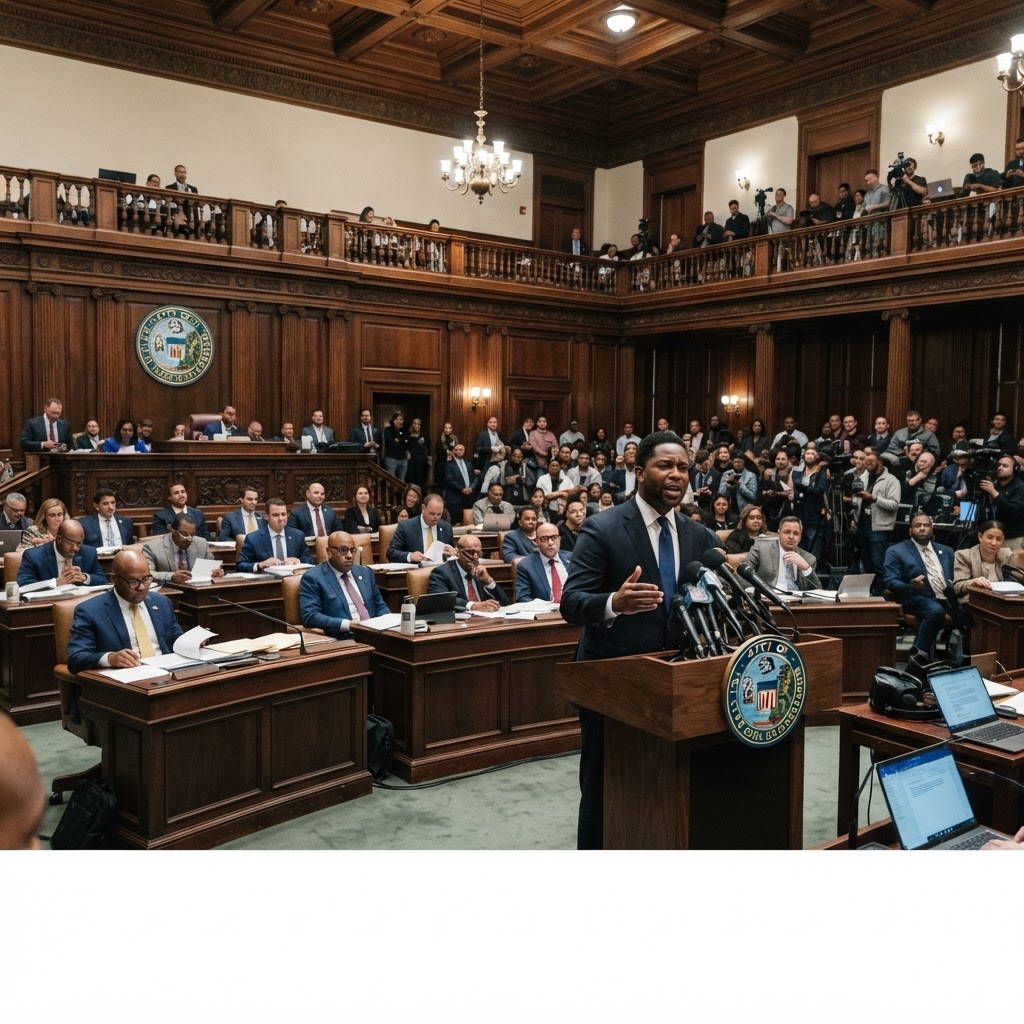
Chicago Aldermen Clash Over Mayor Johnson’s Budget Cuts

Alabama Supreme Court Weighs Absentee Ballot Law
Wyoming Energy Authority Launches Power Grid Study
Take Action
This country is worth fighting for. Get involved today.