
Boston Tax Shift Passes Senate Despite Business Warning
The MA Senate approved Mayor Michelle Wu's proposal to shift tax burdens to businesses, raising concerns over Boston's long-term economic health.
WorthFighting.org News
Staff Writer
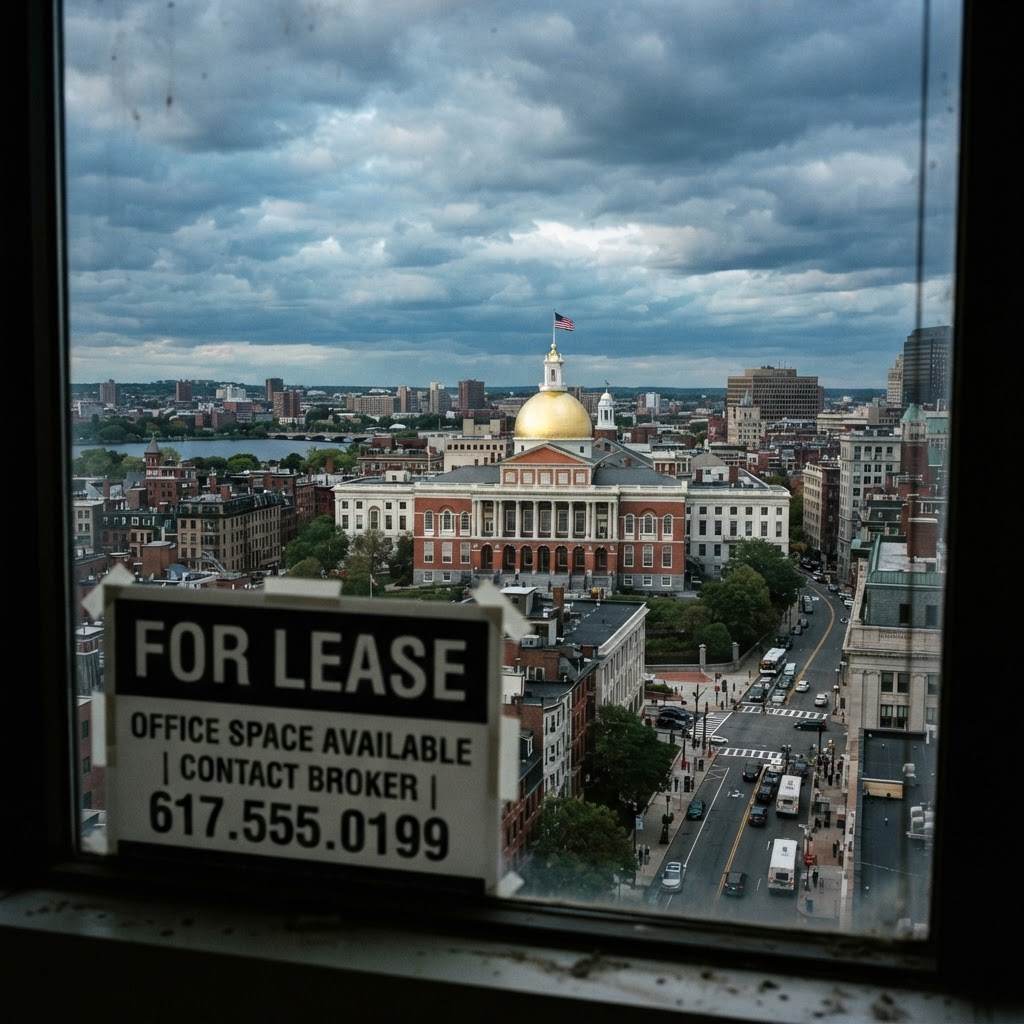
The Massachusetts State Senate has officially waded into the brewing fiscal storm in Boston, voting on Thursday to approve a controversial home rule petition spearheaded by Mayor Michelle Wu. The legislation, which seeks to temporarily shift a larger portion of the property tax burden onto commercial owners, passed the chamber despite vocal opposition from business leaders and fiscal conservatives who warn of long-term damage to the city’s economic engine.\n\nLocated in the heart of Suffolk County, Boston is currently grappling with what experts call a "tax cliff" caused by the plummeting value of commercial office space. With the rise of remote work leaving many downtown towers in the Financial District and Back Bay underutilized, the assessed value of these properties has dropped significantly. Under normal circumstances, this would trigger a massive spike in residential property taxes to cover the city's budget—a prospect Mayor Wu and her allies in the State Legislature are desperate to avoid.\n\n## Shifting the Burden to Small Business\n\nThe approved plan allows the City of Boston to increase the "classification shift," which effectively raises the tax rate for commercial properties beyond the current state-mandated limit of 175 percent of the residential rate. By pushing this cap higher, the city can extract more revenue from businesses to keep residential rates stable. While the move is intended to shield homeowners from a projected 14 percent tax hike, critics argue that the burden will inevitably fall on the shoulders of small business owners who are already struggling to keep their doors open.\n\nMany commercial leases in Boston include "triple net" clauses, meaning tenants—not just wealthy landlords—are responsible for property tax increases. For a small retail shop in the Seaport or a local restaurant in the North End, an additional tax burden could be the breaking point. This policy reflects a growing trend in urban centers where government spending remains high even as the underlying tax base shifts.\n\n## A Risky Economic Strategy\n\nThe Senate’s version of the bill includes several amendments designed to sunset the tax shift over a period of three years, gradually returning the rates to their current levels. However, the Greater Boston Chamber of Commerce and other industry advocates remain unconvinced. They argue that signaling to the world that Boston will target businesses whenever a budget gap appears will discourage future investment and potentially lead to an exodus of corporations to more tax-friendly states.\n\n"We are at a delicate moment for our city's economy," noted one industry representative during the lead-up to the vote. "Adding more weight to the commercial sector while it is already reeling from high vacancy rates is a recipe for a downtown death spiral."\n\nConservative observers point out that instead of looking for ways to trim the municipal budget or reduce reliance on property taxes, the administration is doubling down on a "tax and spend" philosophy. The City of Boston’s budget has expanded significantly in recent years, reaching a record $4.6 billion, and this latest legislative maneuver is seen by many as a way to avoid making difficult fiscal choices.\n\n## What Happens Next?\n\nBecause the Senate made changes to the version previously passed by the House of Representatives, the bill must now return to the House for a final vote of concurrence. If approved there, it will land on the desk of Governor Maura Healey. While Healey has generally been supportive of municipal autonomy, she has also emphasized the need to keep Massachusetts competitive on a national stage.\n\nThe outcome of this legislative battle will be a major test for America First economic principles in the Northeast. Proponents of limited government argue that the focus should be on creating a business-friendly environment that encourages growth, rather than penalizing the sectors that provide the most revenue to the city. As the bill moves toward finalization, residents and business owners across Suffolk County are watching closely. The decision made on Beacon Hill will determine not just next year’s tax bills, but the future of Boston’s status as a premier hub for commerce and innovation.\n\n## Why This Matters\n\nThis story is a prime example of how local government decisions can have a profound impact on the economic health of a region. By shifting the tax burden to the commercial sector to avoid political backlash from homeowners, Boston risks hollowing out its business district and driving away the very industries that sustain the city. For readers concerned with fiscal responsibility and the protection of small businesses, this development serves as a warning of the consequences of unchecked municipal spending and the erosion of a stable tax environment in one of America's most historic cities.
Comments (0)
More from Economy

Economy
Denver Budget Crisis Deepens as City Faces $200M Gap
Denver faces a massive $200 million budget shortfall for 2026, forcing the city to consider layoffs and furloughs after years of rapid government expansion.
WorthFighting.org News · 6 min read

Economy
ND Towns Turn to Sales Taxes After Property Tax Cap
Over a dozen North Dakota cities and counties propose sales tax increases this June as local officials navigate state-mandated property tax revenue caps.
WorthFighting.org News · 5 min read

Economy
Vermont Tax Revolt Leaves Barre Schools Without Budget
Barre voters prepare for a high-stakes third school budget vote as taxpayers push back against relentless property tax hikes across Vermont.
WorthFighting.org News · 6 min read
Take Action
This country is worth fighting for. Get involved today.