
Springfield's Reckoning: Supreme Court TPS Ruling Puts 350,000 Haitians — and One Ohio Town — on the Brink
The Supreme Court's 6-3 ruling ending Temporary Protected Status for 350,000 Haitian immigrants has put Springfield, Ohio at the center of the national immigration debate. What happens next will define the future of small-town America.
WorthFighting Editorial Team
Senior Editor

The Supreme Court Drops the Hammer
On June 26, 2026, the United States Supreme Court handed down a 6-3 decision that sent shockwaves through Springfield, Ohio and immigrant communities across the nation. The ruling overturned lower court orders and allowed the Department of Homeland Security to swiftly end Temporary Protected Status for approximately 350,000 Haitian immigrants who have been living in the United States under the program.
For Springfield, a city of about 58,000 people in Clark County, the ruling was seismic. Over the past several years, between 12,000 and 15,000 Haitian immigrants have settled in Springfield — a population increase of over 20% that has transformed the city in ways that no one could have predicted. The TPS program, which granted temporary legal status to Haitian nationals following the 2010 earthquake and subsequent crises in their homeland, was the legal foundation for their presence in the community.
Now that foundation has been pulled out from under them, and Springfield is left to deal with the consequences.
A City Transformed
The story of Springfield's Haitian community is complicated. The New York Times reported that Haitian immigrants who arrived by the thousands in recent years had, in many ways, revived a city that had been in decline for decades. Springfield's population had been shrinking since the collapse of its manufacturing base in the late 20th century. Businesses had closed. Neighborhoods had deteriorated. The city's future looked bleak.
The Haitian arrivals brought new energy. They took jobs in local factories and warehouses. They opened businesses. They rented apartments that had been sitting empty. In some measurable ways, they helped reverse decades of decline.
But the transformation came with significant costs that the mainstream media has been reluctant to acknowledge. Springfield's infrastructure, schools, and social services were designed for a population of 58,000 — not 73,000. The influx strained every system the city had. Schools were overwhelmed with non-English-speaking students. Healthcare providers were stretched thin. Housing costs surged as demand outpaced supply. Traffic increased. Crime ticked up. Long-time residents felt like strangers in their own city.
The debate over Springfield has been distorted by both sides. The left pretends the influx has been entirely positive and that any concerns are rooted in racism. The right has, at times, engaged in irresponsible rhetoric that distracts from the legitimate policy questions. The truth is that Springfield's experience illustrates both the potential benefits and the very real costs of rapid, large-scale immigration to a small city that was not prepared for it.
The Failed Promise of TPS
Temporary Protected Status was designed to be exactly what its name suggests — temporary. It was created to provide a humanitarian safe harbor for nationals of countries experiencing extraordinary conditions like war, natural disaster, or epidemic. The program was never intended as a pathway to permanent residency.
But TPS has been abused by successive administrations as a de facto immigration policy, repeatedly extending protections for years or decades beyond the original crisis. Haitian TPS has been extended repeatedly since 2010 — sixteen years after the earthquake that originally triggered it. At some point, "temporary" stops meaning temporary and starts meaning permanent.
The Supreme Court's ruling simply acknowledged what the law has always said: the executive branch has the authority to end TPS when the conditions that justified it no longer exist. Haiti in 2026 is not the same Haiti of 2010. The original earthquake crisis has long passed. The country's conditions, while challenging, do not meet the standard for continued TPS designation.
The 6-3 ruling reflects a Supreme Court that is willing to enforce the law as written rather than as progressive advocates wish it were written. The dissent, predictably, argued for a more expansive interpretation of executive discretion — the same discretion they would likely condemn if used by an administration they opposed.
The Human Reality
Behind the legal and political debate are real human beings whose lives are being upended. The Haitian immigrants who settled in Springfield have built lives there — they have jobs, homes, children in schools, and connections to the community. The prospect of deportation is terrifying for them and their families.
But the human reality cuts both ways. The long-time residents of Springfield have also been affected by the rapid demographic transformation of their city. They have seen their neighborhoods change, their schools overwhelmed, their healthcare system strained, and their housing costs rise. Their concerns are no less valid than the concerns of the immigrants who have settled among them.
The compassionate response to this situation is not to ignore the law. It is to enforce the law while providing a reasonable transition period for affected individuals to make arrangements. The Trump administration has indicated it will implement the ruling in an orderly fashion, prioritizing the removal of individuals with criminal records and giving others time to wind down their affairs.
The Failure of Federal Immigration Policy
Springfield's crisis is ultimately the result of federal immigration policy failures. The Biden-Harris administration's open-border policies and expansive use of programs like parole and TPS created the conditions that led to the rapid influx in the first place. Local leaders in Springfield were never consulted about whether their community could absorb tens of thousands of new residents. The federal government made decisions, and Springfield bore the consequences.
This is the core injustice of the current immigration system. Washington makes policy, and small towns like Springfield live with the results. The federal government does not provide additional funding for schools, healthcare, or infrastructure to communities that receive large influxes of immigrants. It does not consult local officials about capacity. It does not offer any mechanism for communities to have a voice in their own demographic transformation.
The Ohio House Democrats acknowledged this in a statement noting that "the Haitian migrant influx into Springfield is the result of failed Federal immigration policy under the Biden-Harris Administration. Local leaders have been left to manage a crisis they did not create and cannot control." They are right about the cause, even if they are wrong about the solution.
The Path Forward
The Supreme Court ruling provides an opportunity to reset the conversation about immigration in America.
Enforce the law consistently. When immigration law is enforced consistently and predictably, individuals can make informed decisions about their futures. The uncertainty created by repeated TPS extensions is cruel in its own way — it gives people false hope that temporary status will become permanent.
Prioritize community capacity. Immigration policy must account for the capacity of receiving communities. Small cities like Springfield cannot absorb 20% population increases without significant strain. The federal government should consult with local officials and provide resources when it directs immigration to specific communities.
Fix the asylum and parole system. The abuse of parole authority and the exploitation of asylum claims have created a system where immigration is driven by executive discretion rather than congressional law. Congress must reclaim its constitutional authority over immigration and establish clear, enforceable rules.
Support American communities first. Before the federal government spends billions on immigrant services, it should invest in the American communities that are struggling. Springfield's long-time residents — including its Black and white working-class families — deserve investment in their schools, their infrastructure, and their economic future.
Springfield's Lesson for America
Springfield, Ohio is a microcosm of the American immigration debate. It shows both sides of the story — the revitalization that immigration can bring and the strain that rapid demographic change imposes. It shows the failure of federal policy to account for community capacity. And it shows the consequences of treating temporary programs as permanent solutions.
The Supreme Court's ruling is not the end of Springfield's story. It is the beginning of a new chapter — one in which the rule of law is restored, communities have a voice in their own future, and immigration policy serves the interests of the American people rather than the political agendas of Washington elites.
The fight for Springfield is the fight for every small American town that has been transformed by federal immigration policy without its consent. It is a fight worth winning.
Comments (0)
Related Stories
Border Security
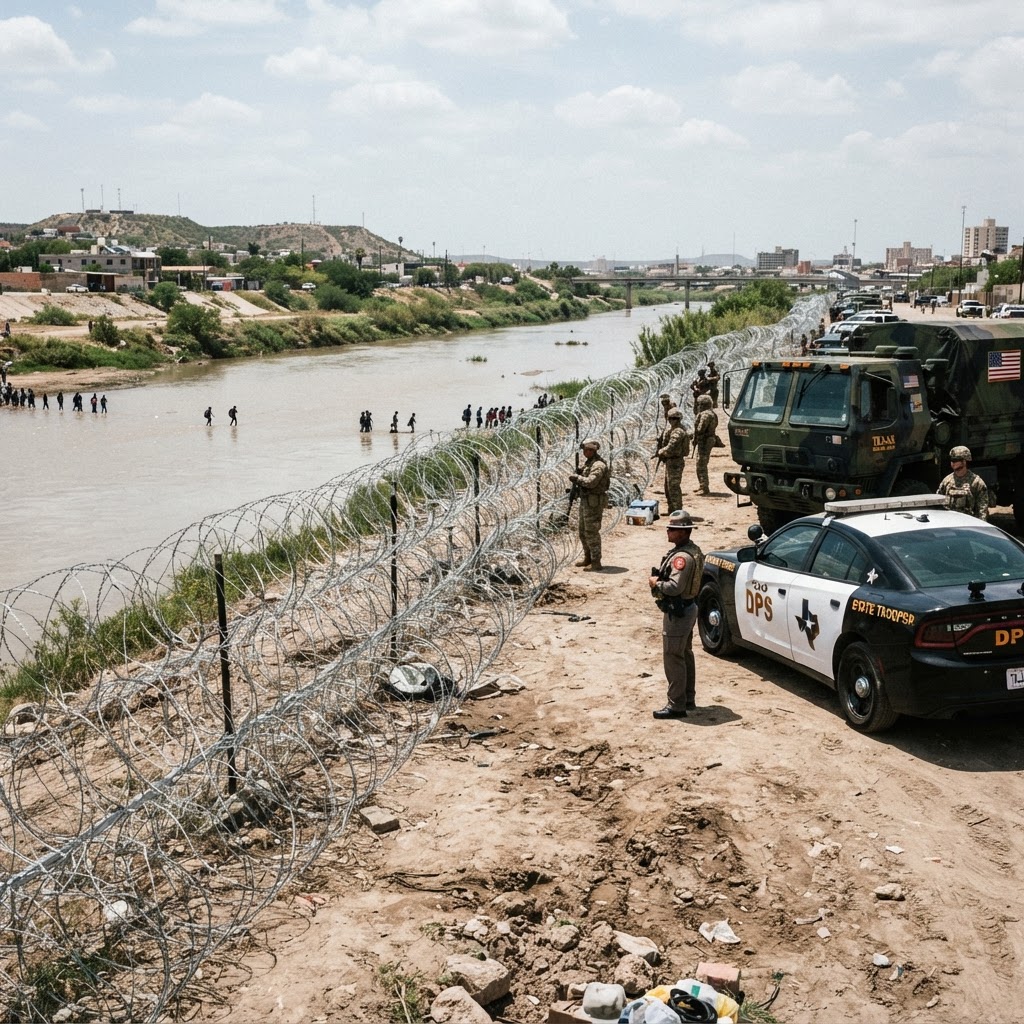
Texas Expands Border Strike Teams in Eagle Pass
Texas deploys new DPS tactical strike teams and expands National Guard razor-wire barriers along the Rio Grande in Maverick County to secure the southern
WorthFighting.org News · 5 min read
Crime
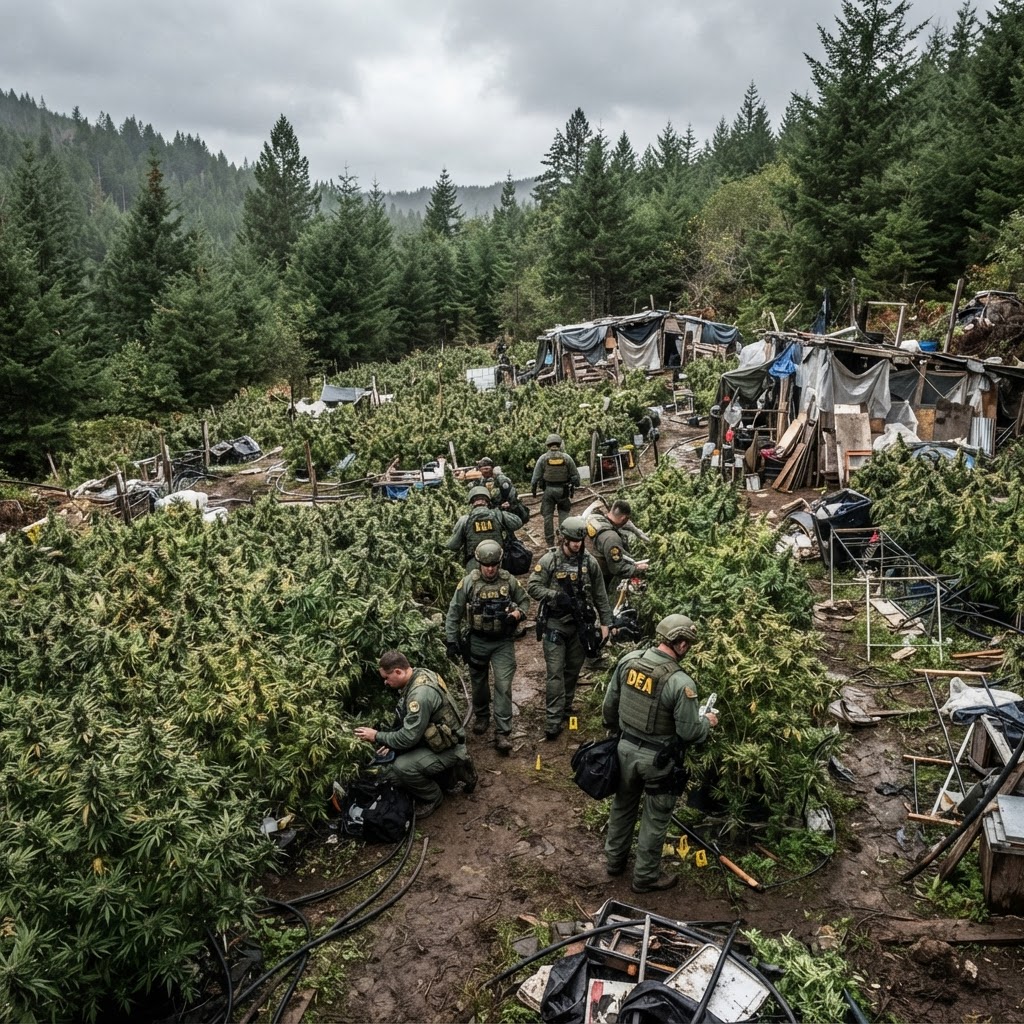
Oregon Authorities Bust $20M Illegal Marijuana Operation
Law enforcement in Oregon dismantled a massive illegal drug trafficking ring, seizing $20 million in cannabis and rescuing 55 laborers from inhumane conditions.
WorthFighting.org News · 6 min read
Education
Gillett Schools Slash Programs After Referendum Failure
The Gillett School District is moving forward with significant budget cuts following the recent failure of a local funding referendum by voters.
WorthFighting.org News · 5 min read

America First
Leslie County Secures Emergency Funds for Road Repairs
The Kentucky Transportation Cabinet has awarded over $161,000 in emergency aid to Leslie County to address critical road slides and ensure community safety.
WorthFighting.org News · 5 min read
Education
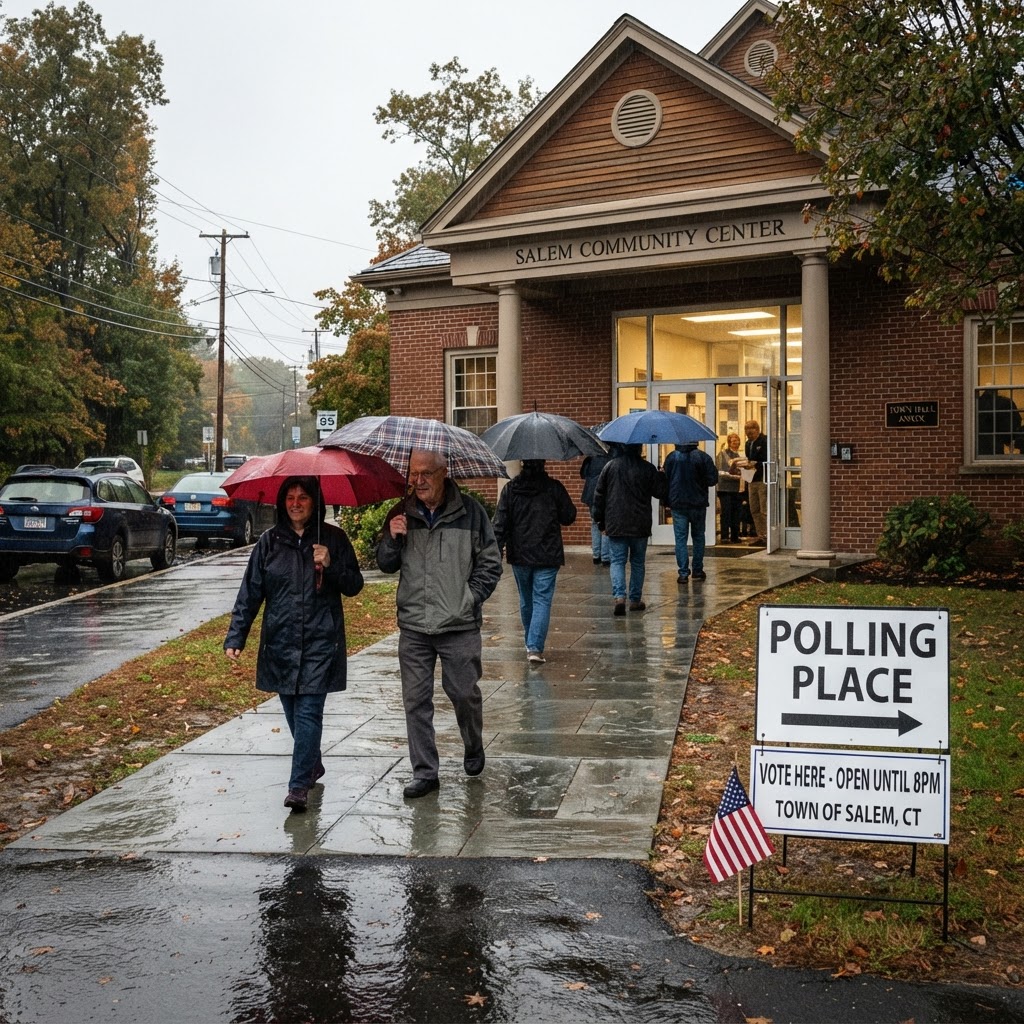
Plainfield Voters Secure School Funding in Second Ballot
Plainfield residents successfully passed a school budget in a second vote, effectively minimizing potential cuts to local education programs and staff.
WorthFighting.org News · 5 min read

Economy
Cheyenne Data Center Project Shifts to Google Ownership
A massive $17 billion data center project near Cheyenne has officially transitioned to Google, marking a significant shift in Wyoming's industrial landscape.
WorthFighting.org News · 6 min read
Take Action
This country is worth fighting for. Get involved today.