
Record Fentanyl Seizures at the Southern Border Expose the Cartel Crisis and the Need for Tough Enforcement
Record fentanyl seizures at the southern border expose the ongoing cartel crisis, proving that strict enforcement and ending catch-and-release saves lives.
WorthFighting Editorial Team
Editorial Staff

Wikimedia Commons / Public domain
Key Takeaways
- 1.Record fentanyl seizures by CBP in 2026 highlight both the scale of the Mexican cartel threat and the effectiveness of current strict border enforcement.
- 2.The fentanyl epidemic is a national security crisis, with enough lethal doses seized in early 2026 to kill over 100 million Americans.
- 3.Ending catch-and-release policies has deprived cartels of the chaotic border conditions they previously used to smuggle narcotics.
- 4.Under DHS Secretary Markwayne Mullin, the U.S. has achieved 13 consecutive months of zero releases, allowing agents to focus on drug interdiction.
The ongoing war for America's sovereignty and public health has reached a critical juncture. Over the past year, record fentanyl seizures at the southern border have painted a harrowing picture of the ongoing cartel crisis that continues to threaten communities across the nation. But these massive interdictions by U.S. Customs and Border Protection (CBP) in 2026 also tell a secondary, more encouraging story: tough border enforcement and a return to strict deterrence policies are finally working to intercept the poison before it hits our streets.
For years, open-border policies and disastrous catch-and-release mandates served as an open invitation to transnational criminal organizations. The Mexican cartels—primarily the Sinaloa and Jalisco New Generation cartels—seized the opportunity, turning human smuggling and drug trafficking into a multi-billion-dollar enterprise. Fentanyl, a synthetic opioid roughly 50 times more potent than heroin, became their weapon of choice. The human toll has been catastrophic, with illicit fentanyl becoming the leading cause of death for Americans aged 18 to 45.
Now, under a renewed America First approach, federal law enforcement is striking back. In May 2026, CBP reported seizing 795 pounds of fentanyl—a massive 72 percent increase from the previous month. Furthermore, midway through the 2026 fiscal year, CBP agents successfully seized enough lethal doses of fentanyl along the southwest border to kill more than 100 million Americans. This astronomical figure exposes the sheer volume of illicit narcotics that cartels are still attempting to funnel into the United States. However, the fact that these drugs are being stopped at the border rather than making their way into our neighborhoods is a testament to the power of unapologetic law and order.
The Human Toll and Cartel Operations
The cartels are ruthless, sophisticated, and heavily armed. They do not care about the lives destroyed by their product; they care only about profit. They exploit every vulnerability in the U.S. immigration system. In the past, they routinely used surges of illegal aliens to overwhelm Border Patrol agents between official ports of entry, thereby creating deliberate blind spots to smuggle high-value narcotics. They also heavily utilize ports of entry, often coercing or paying off compromised individuals to transport pills hidden in passenger vehicles.
The human cost of this cartel operation cannot be overstated. Fentanyl has hollowed out American towns, from rural heartlands to major metropolitan centers. Families have been shattered, and local law enforcement agencies have been stretched to their breaking points responding to fatal overdoses.
Border Czar Tom Homan recently highlighted the severity of the threat, noting that classifying the synthetic opioid as a weapon of mass destruction (WMD) should "at least be a discussion." When narco-terrorist organizations are manufacturing and distributing a substance capable of wiping out the entire U.S. population several times over, treating this as a conventional drug problem is no longer sufficient. It is a national security crisis of the highest order.
Deterrence and Enforcement: The Antidote to Catch-and-Release
For years, conservative leaders warned that lax immigration enforcement and "catch-and-release" policies were directly emboldening the cartels. When illegal aliens are apprehended and promptly released into the U.S. interior, it sends a global signal that America's borders are open. Cartels use this to their advantage, leveraging human smuggling profits to fund their lethal drug operations.
The narrative has fundamentally shifted in 2026. The Department of Homeland Security (DHS), now under the leadership of Secretary Markwayne Mullin, has completely abandoned the failed experiment of open borders. In June 2026, DHS and CBP celebrated a historic milestone: 13 consecutive months of zero releases at the southern border.
"The days of catch and release are over," Secretary Mullin stated emphatically. "We are enforcing the nation's laws and quickly sending illegal aliens back to their home countries, ensuring the safety and sovereignty of our nation."
By detaining and deporting illegal border crossers, the current administration has drastically reduced the chaos that cartels previously weaponized. Daily average apprehensions are down 94 percent compared to the peaks of the previous administration. This profound reduction in illegal crossings allows CBP agents to focus on their primary mission: interdicting deadly drugs and dismantling transnational criminal networks. When agents aren't forced to act as processing clerks and babysitters for unvetted migrants, they can properly utilize advanced non-intrusive search systems and specialized K-9 units to find hidden fentanyl shipments.
The Bottom Line
Record fentanyl seizures at the southern border highlight the stark reality of the cartel threat facing the United States. The Mexican drug cartels remain a clear and present danger, relentless in their efforts to flood American communities with lethal synthetic opioids.
However, the massive CBP interdictions of 2026 prove that the conservative approach to border security—centered on deterrence, strict enforcement, and the total abolition of catch-and-release—is the only effective strategy. We cannot negotiate with narco-terrorists, and we cannot afford to return to policies that incentivize border surges. As long as our leaders prioritize the safety of American citizens over the appeasement of open-border activists, we stand a fighting chance at winning the war against fentanyl and securing our homeland once and for all.
Comments (0)
Be the first to comment.
Sources
- 1.U.S. Customs and Border Protection (CBP)Government DataAccessed Jul 15, 2026
- 2.Department of Homeland Security (DHS)Government Press ReleaseAccessed Jul 15, 2026
- 3.AxiosNews ArticleAccessed Jul 15, 2026
Related Stories
Border Security
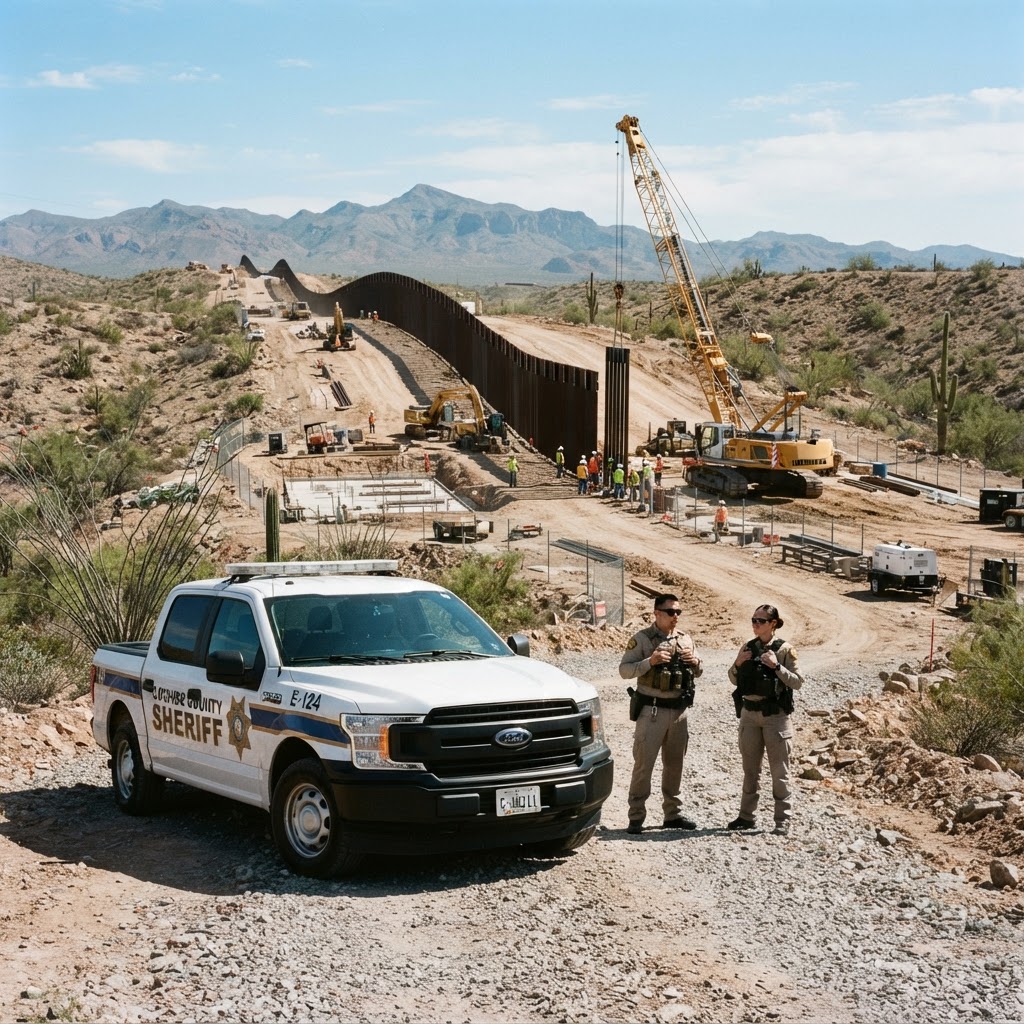
Cochise County Deputies Arrest Protesters at Border Wall Site
Cochise County law enforcement arrested three individuals protesting the construction of the new federal border wall, citing safety and security concerns.
WorthFighting.org News · 6 min read
Crime
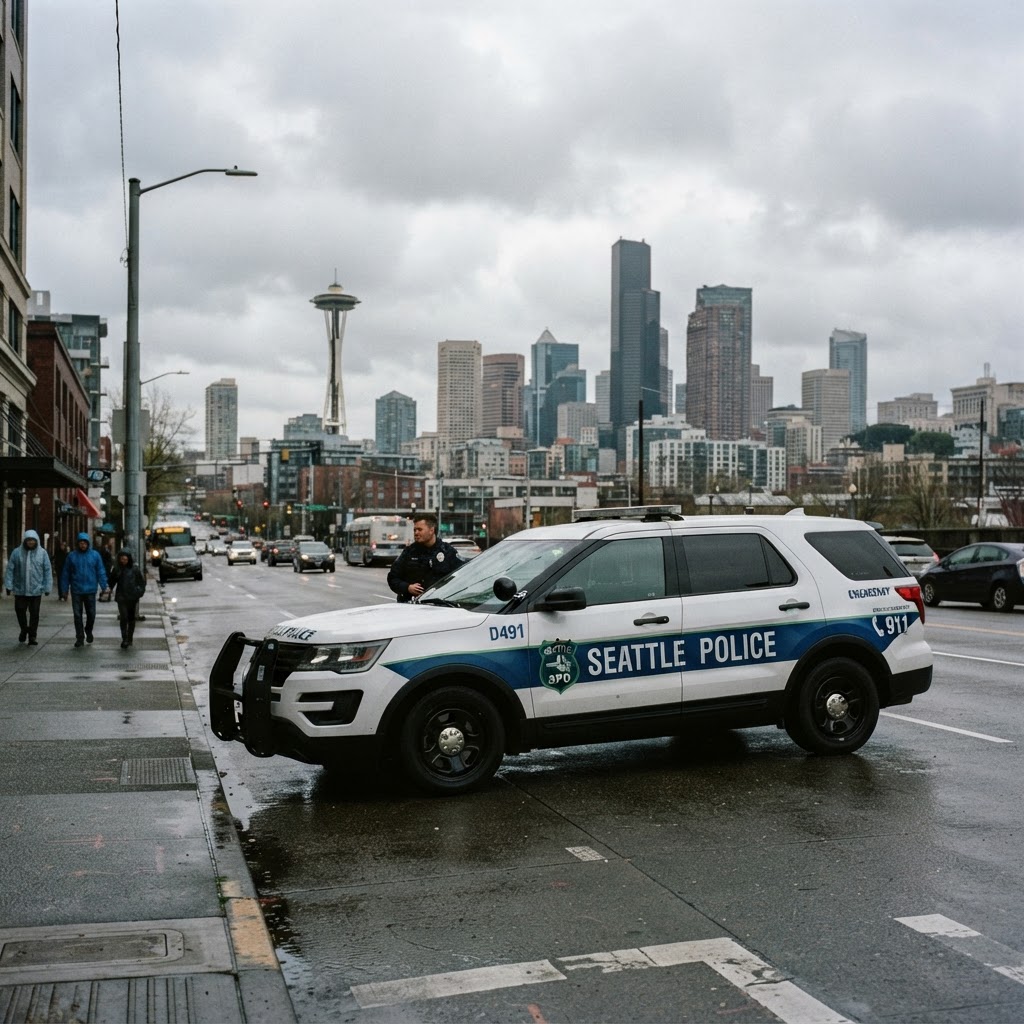
Seattle Police Budget Hike Sparks Staffing Concerns
Seattle City Council members are clashing over Mayor Katie Wilson's proposed 13.9% police budget increase, questioning if it will truly boost officer numbers.
WorthFighting.org News · 6 min read

Economy
Nebraska Property Tax Reform Remains Top Priority for Voters
As Nebraska voters head toward the 2026 election, property tax relief remains a central issue. Legislative efforts continue to address the state's tax burden.
WorthFighting.org News · 6 min read

Economy
Florida Homeowners Remain Skeptical of Insurance Reforms
Despite state claims of a stabilizing insurance market, a new survey reveals that many Florida homeowners continue to struggle with high premiums and coverage
WorthFighting.org News · 6 min read

Crime
Rhode Island Sues Meta Over Rampant Scam Advertising
Attorney General Peter Neronha has filed a lawsuit against Meta, alleging the tech giant profits from billions of dollars in fraudulent ads on its platforms.
WorthFighting.org News · 6 min read
Economy
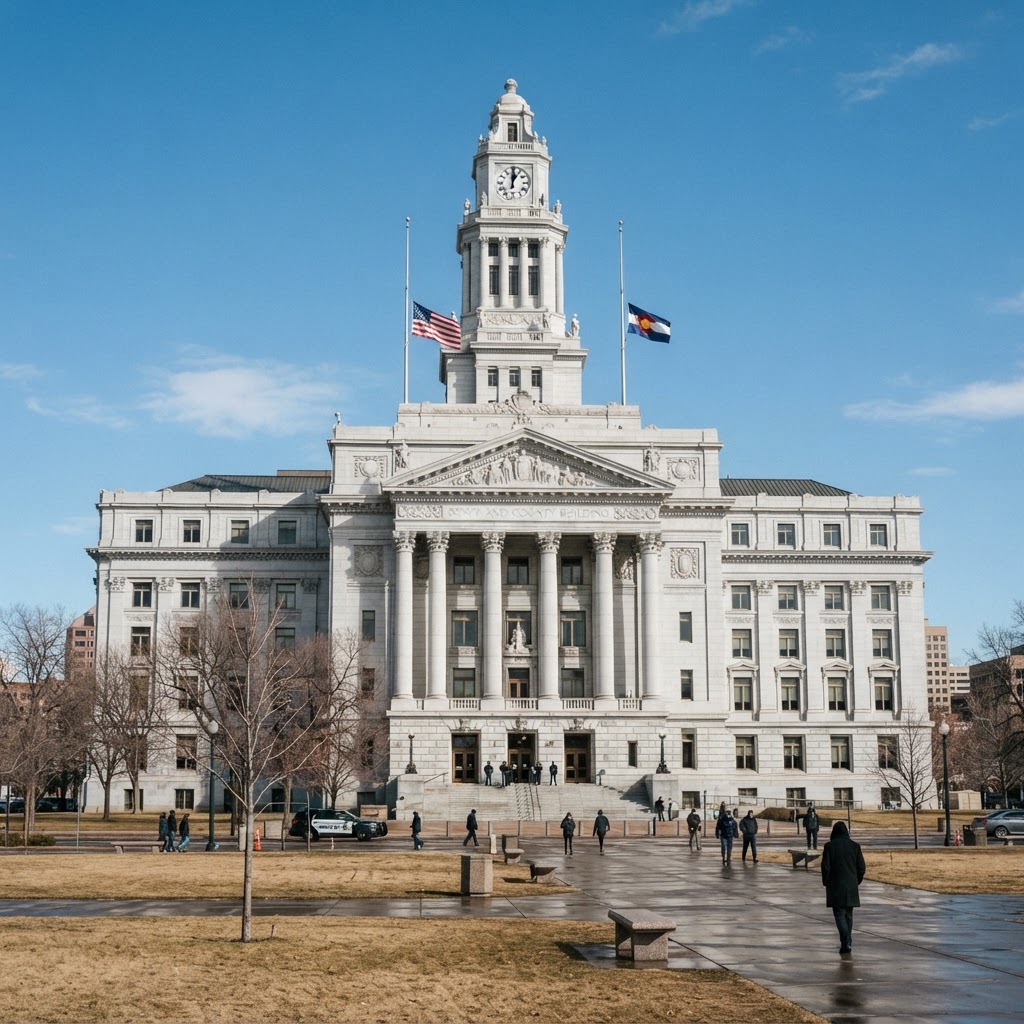
Denver Budget Standoff: Mayor Rejects Key Council Requests
Denver Mayor Mike Johnston has rejected major City Council budget requests, leaving critical public safety and infrastructure funding in a state of uncertainty.
WorthFighting.org News · 6 min read
Related Resources
Related Articles
12 itemsSame category: Border Security
Same category: Border Security
Same category: Border Security
What People Are Reading

East Providence Taxpayers Hit With 3.5% Property Tax Hike
Florida Homeowners Remain Skeptical of Insurance Reforms
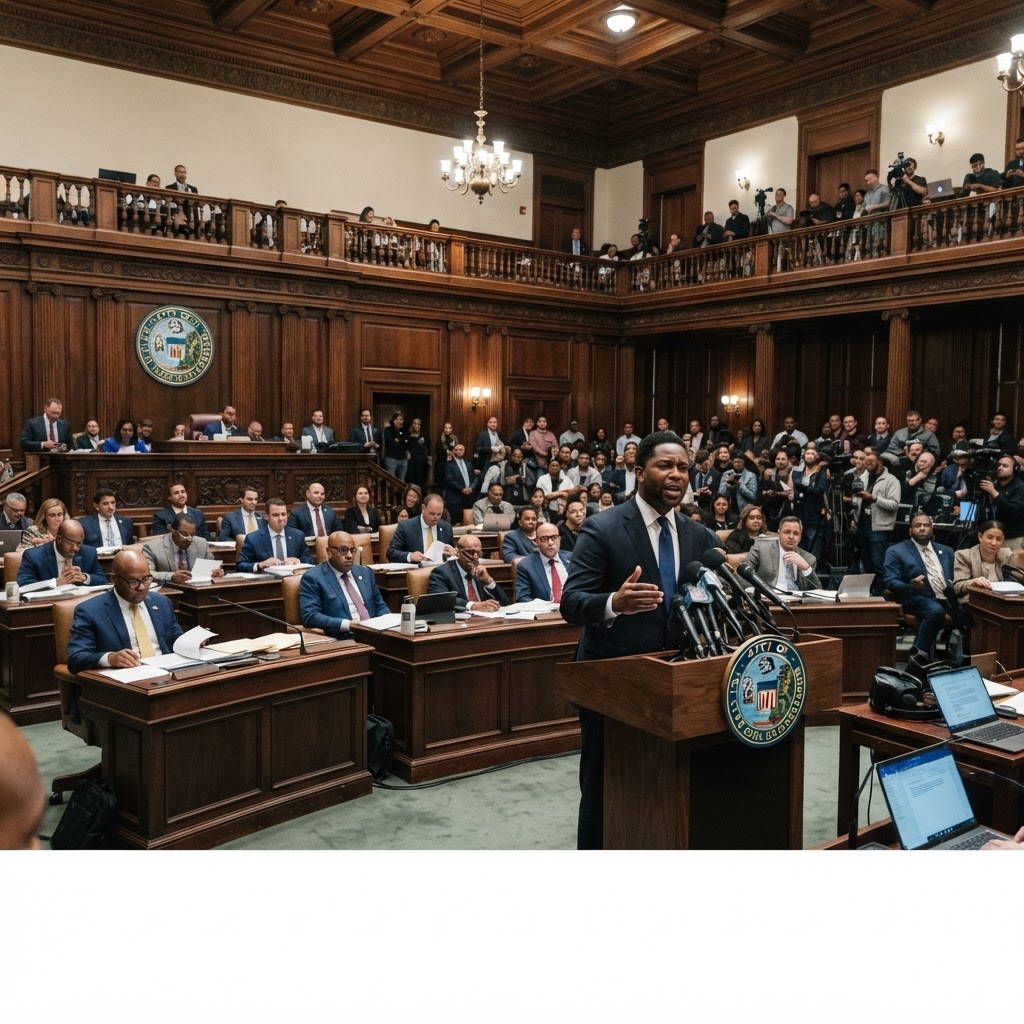
Chicago Aldermen Clash Over Mayor Johnson’s Budget Cuts
Alabama Supreme Court Weighs Absentee Ballot Law
Wyoming Energy Authority Launches Power Grid Study
Take Action
This country is worth fighting for. Get involved today.