
Border Crossings Hit Record Low — But Cartels Are Adapting and Experts Warn the Fight Is Far From Over
Illegal border crossings have plummeted to their lowest levels in decades following aggressive enforcement measures, but national security analysts warn that Mexican drug cartels are shifting tactics — moving deeper underground and exploiting legal ports of entry in ways that demand continued vigilance.
Derek J
Admin - Senior Correspondent
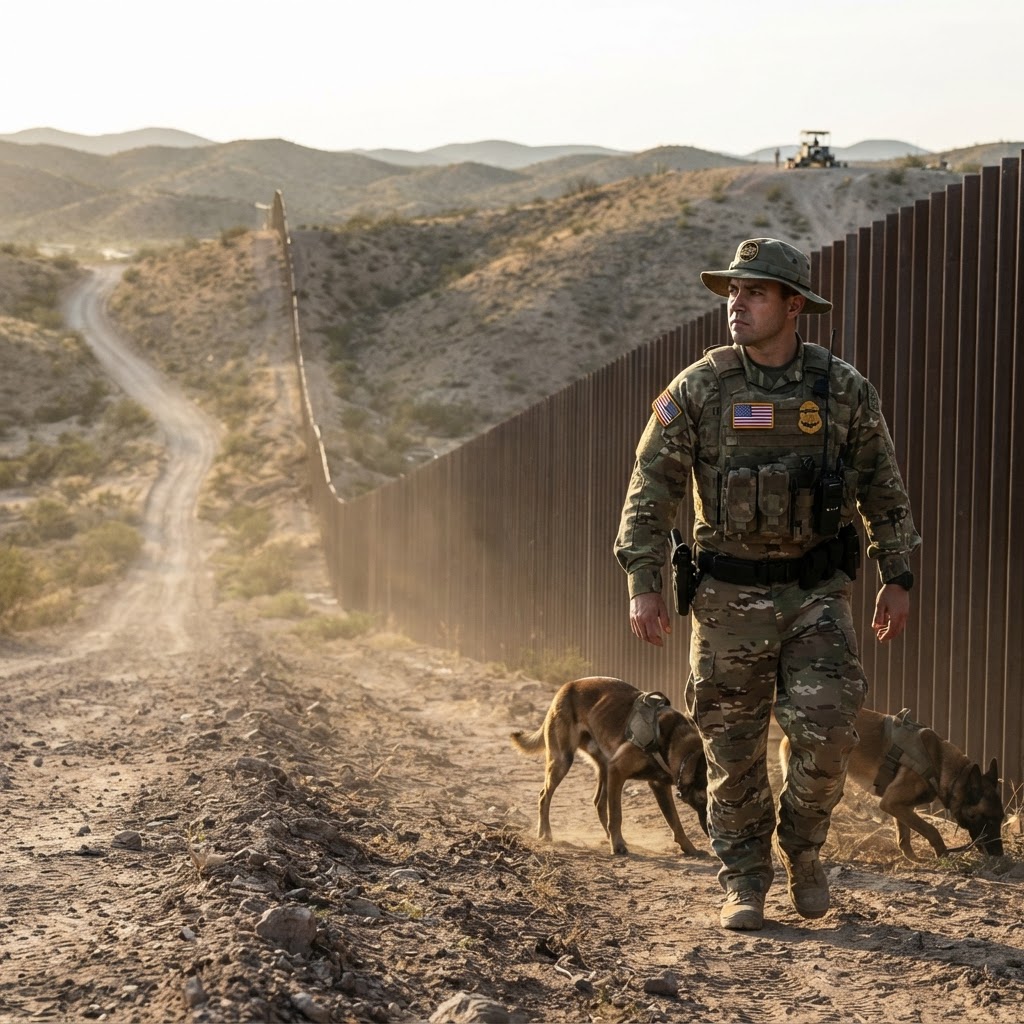
A Hard-Won Victory on the Southern Border
The numbers don't lie — and for the first time in a generation, they're telling a story that America's sovereignty advocates have long fought to see written. Customs and Border Protection reported this week that illegal crossings along the U.S.-Mexico border have dropped to their lowest monthly totals since reliable recordkeeping began, with apprehensions falling below 28,000 for the third consecutive month in June 2026.
For a nation that spent years watching its southern border hemorrhage under the weight of open-border ideology and deliberate policy neglect, the turnaround has been nothing short of historic. Reinforced physical barriers, expanded deportation operations, Title 8 enforcement mechanisms, and bilateral pressure on Mexico's federal government have combined to produce results that skeptics once called impossible.
"What we're seeing now is what real political will looks like," said Marcus Tirado, a former senior Border Patrol field agent and current director of the Center for Sovereignty and Immigration Policy. "This didn't happen by accident. It happened because someone finally decided that American lives and American law mattered more than the approval of open-borders activists."
The Cartel Problem Isn't Going Away
But beneath the encouraging headlines, a more complicated and dangerous reality is taking shape.
Intelligence reports reviewed by WorthFighting.org indicate that the Sinaloa Cartel and the Jalisco New Generation Cartel — the two dominant criminal organizations controlling most cross-border smuggling corridors — have responded to increased border security not by retreating, but by adapting.
Key tactical shifts now being monitored by federal law enforcement include:
- Port-of-entry exploitation: Cartels are increasingly embedding fentanyl and other synthetic drugs inside commercial cargo shipments, using corrupted logistics networks to slip contraband through legal crossings.
- Visa fraud and asylum abuse: Criminal networks are coaching migrants to use fraudulent asylum claims as cover for entry, allowing operatives and scouts to embed themselves within legitimate immigration flows.
- Tunnel infrastructure: New tunnel discoveries in the San Diego and Nogales sectors suggest cartels have redirected construction investment underground, away from wall-adjacent crossing points.
- Domestic distribution cells: Rather than relying on large border shipments, cartels are pre-positioning narcotics in U.S.-side warehouses and using American citizens as local distributors — making interdiction harder.
"The wall works. The patrol surge works. But cartels are not a street gang — they are a multi-billion-dollar transnational criminal enterprise," said Dr. Rebecca Holt, a national security fellow at the American Sovereignty Institute. "They have lawyers, accountants, logistics experts, and intelligence analysts. We have to be just as sophisticated, and we have to be relentless."
The Fentanyl Crisis Remains a National Emergency
Nowhere is cartel adaptation more lethal than in the continued flow of fentanyl into American communities. Despite the drop in illegal crossings, fentanyl seizures at ports of entry have remained stubbornly high — a sign that the drug pipeline is shifting channels rather than drying up.
Over 42,000 Americans died from fentanyl-related overdoses in the first five months of 2026, according to preliminary CDC data. That pace, while slightly below 2025's record, still represents a catastrophic toll that no administration should be permitted to declare victory over.
"Every one of those deaths is a policy failure. Every pill that crosses our border is a national security breach. We don't get to spike the football while American kids are still dying in their bedrooms." — Marcus Tirado, Center for Sovereignty and Immigration Policy
Conservative lawmakers on the House Homeland Security Committee have responded by pushing the Cartel Designation Enforcement Act, a bill that would formally classify the Sinaloa and CJNG cartels as Foreign Terrorist Organizations and unlock a broader set of Treasury, DOD, and intelligence authorities to pursue their networks.
The bill has passed committee along party lines and awaits a full House vote, where it is expected to pass with near-unanimous Republican support.
Mexico's Cooperation: Progress With Asterisks
The bilateral relationship with Mexico has improved markedly compared to the contentious years of the early 2020s, with the Mexican government deploying National Guard units to its own southern border and extraditing a record number of cartel figures to face U.S. prosecution in 2025.
However, analysts caution that cooperation remains fragile, transactional, and incomplete. Cartel corruption still penetrates deep into Mexico's law enforcement and political institutions, and several high-profile extraditions have been quietly stalled amid domestic political pressure south of the border.
"Mexico is doing more — we should acknowledge that," said former Department of Homeland Security advisor Colton Marsh. "But 'more' is not the same as 'enough.' Until the cartels fear Mexican law as much as they fear American law, we're still fighting with one hand tied behind our back."
The Work Is Not Done
America First border security has achieved something real. The broken, chaotic spectacle of thousands of migrants overwhelming Border Patrol agents in makeshift camps — broadcast nightly into American living rooms for years — has given way to an enforcement posture that projects national seriousness.
But seriousness must be sustained. Cartels are patient, resourceful, and ruthless. The moment political pressure to enforce the border eases — the moment enforcement is traded for favorable press or legislative compromise — the pipeline will reopen.
The American people deserve a southern border that is not merely better than it was, but genuinely secure. That means continued physical infrastructure investment, expanded cartel prosecution authorities, vigorous port-of-entry inspection technology, and an unflinching refusal to allow humanitarian rhetoric to be weaponized as a smuggling subsidy.
The border is not a humanitarian opportunity. It is the sovereign edge of a constitutional republic. And it deserves to be defended like one.
Comments (0)
Be the first to comment.
Related Stories
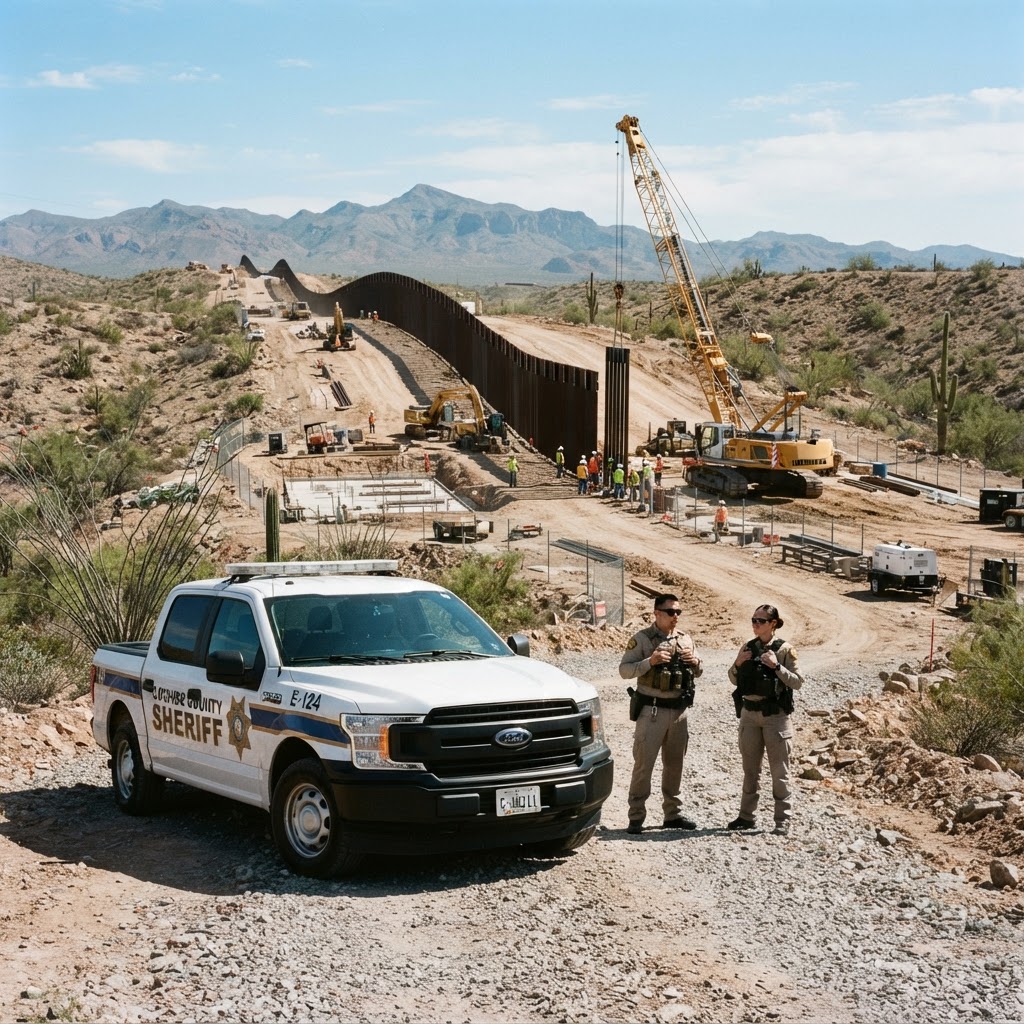
Border Security
Cochise County Deputies Arrest Protesters at Border Wall Site
Cochise County law enforcement arrested three individuals protesting the construction of the new federal border wall, citing safety and security concerns.
WorthFighting.org News · 6 min read
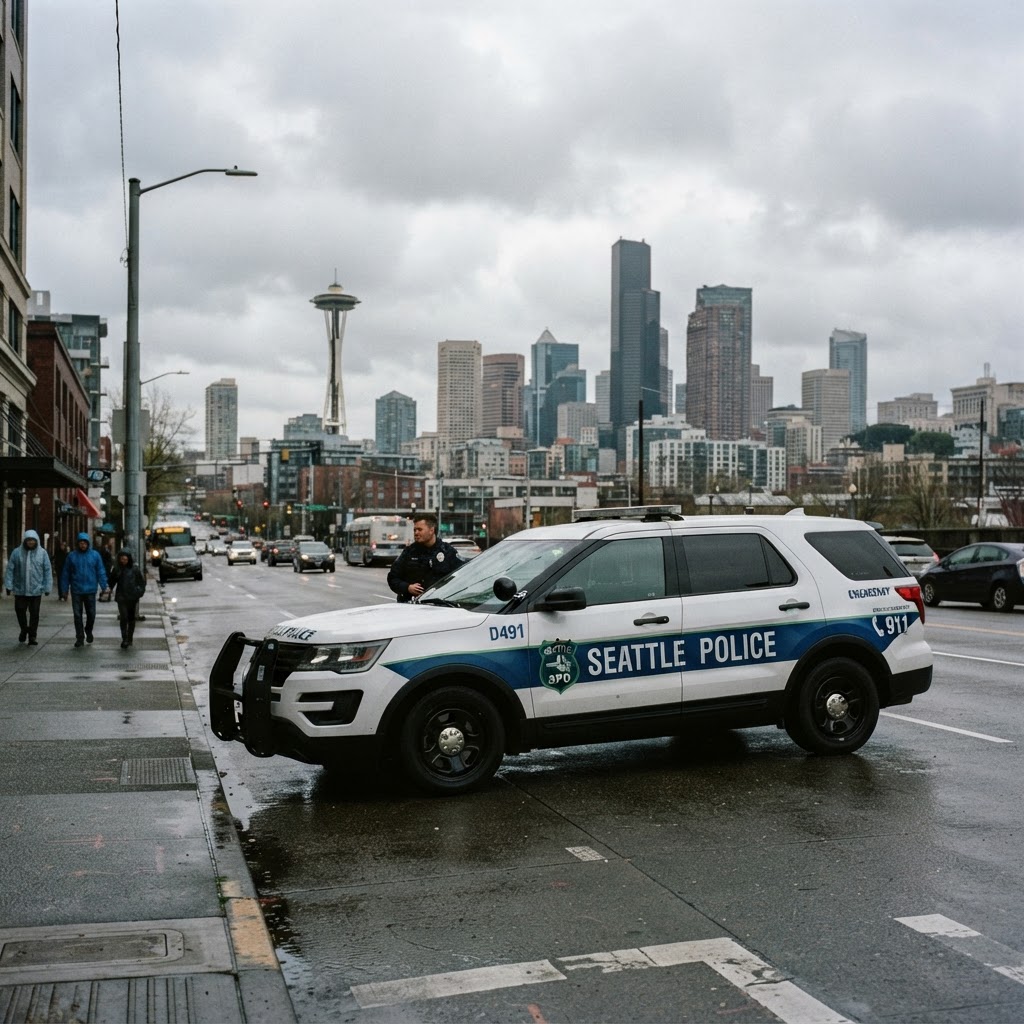
Crime
Seattle Police Budget Hike Sparks Staffing Concerns
Seattle City Council members are clashing over Mayor Katie Wilson's proposed 13.9% police budget increase, questioning if it will truly boost officer numbers.
WorthFighting.org News · 6 min read
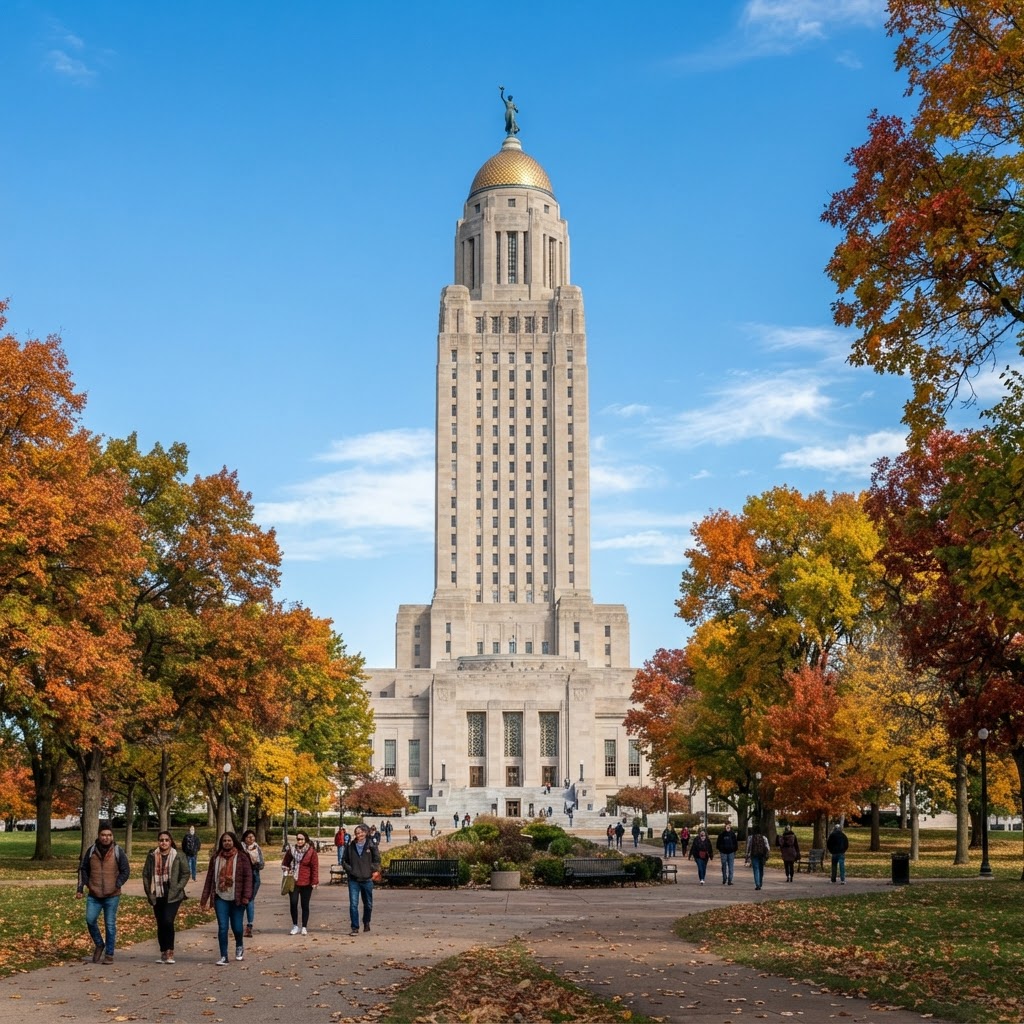
Economy
Nebraska Property Tax Reform Remains Top Priority for Voters
As Nebraska voters head toward the 2026 election, property tax relief remains a central issue. Legislative efforts continue to address the state's tax burden.
WorthFighting.org News · 6 min read

Economy
Florida Homeowners Remain Skeptical of Insurance Reforms
Despite state claims of a stabilizing insurance market, a new survey reveals that many Florida homeowners continue to struggle with high premiums and coverage
WorthFighting.org News · 6 min read
Crime
Rhode Island Sues Meta Over Rampant Scam Advertising
Attorney General Peter Neronha has filed a lawsuit against Meta, alleging the tech giant profits from billions of dollars in fraudulent ads on its platforms.
WorthFighting.org News · 6 min read
Economy
Denver Budget Standoff: Mayor Rejects Key Council Requests
Denver Mayor Mike Johnston has rejected major City Council budget requests, leaving critical public safety and infrastructure funding in a state of uncertainty.
WorthFighting.org News · 6 min read
Related Resources
Related Articles
22 itemsSame category: Border Security
Same category: Border Security
Shared tags: Border Security, National Sovereignty
Related Breaking News
3 itemsShared keywords: illegal, record, levels
Shared keywords: illegal, border, crossings
Shared keywords: illegal
Related Issue Hubs
1 itemSame category: Border Security
What People Are Reading
East Providence Taxpayers Hit With 3.5% Property Tax Hike
Florida Homeowners Remain Skeptical of Insurance Reforms
Chicago Aldermen Clash Over Mayor Johnson’s Budget Cuts
Alabama Supreme Court Weighs Absentee Ballot Law
Wyoming Energy Authority Launches Power Grid Study
Take Action
This country is worth fighting for. Get involved today.