
Summer Border Crackdown Shows Results, but Cartels Are Already Testing New Weak Points
Preliminary summer enforcement figures indicate illegal crossings at the southern border have fallen sharply in key sectors, but security analysts warn that cartel networks are shifting tactics rather than retreating. Conservatives say the lesson is simple: enforcement works, but Washington must make it permanent.
Derek J
Admin - Senior Correspondent
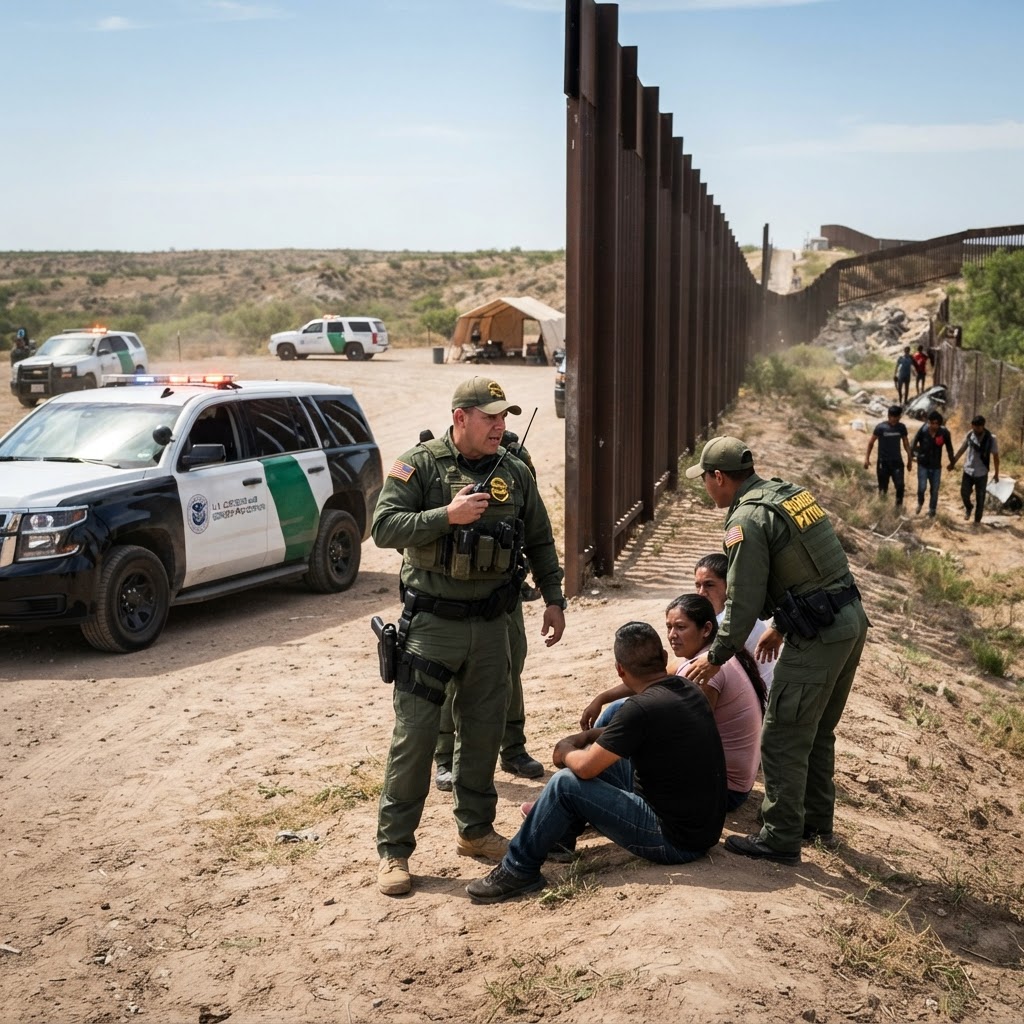
Border Numbers Move in the Right Direction
Preliminary summer enforcement data circulated among congressional oversight staff in July 2026 point to a significant drop in illegal crossings across several high-traffic sectors of the U.S.-Mexico border. State officials in Texas and Arizona are also reporting fewer mass-group entries compared with the same period last year, crediting tighter detention policies, expanded aerial surveillance, and more aggressive cooperation between state troopers, National Guard units, and federal agents.
For communities long burdened by cartel traffic, property damage, and public safety costs, the trend is more than a political talking point. It is a reminder that when the government chooses to enforce the law, the law still works.
"The data are confirming what border communities have said for years," said Daniel Mercer, a retired sector chief and now a senior fellow at the conservative Center for American Sovereignty. "When consequences are real, crossings go down. Cartels are profit-driven enterprises, and they respond quickly when access gets harder and more expensive."
Enforcement Works — If Washington Has the Will
The recent improvement appears tied to several overlapping measures:
- expanded use of rapid removal authority for inadmissible entrants
- increased physical barriers and mobile surveillance towers in known smuggling corridors
- joint state-federal patrol operations targeting stash houses and scout networks
- stricter detention capacity management to reduce catch-and-release incentives
Conservatives have argued for years that border chaos was not inevitable. It was the direct result of political choices made in Washington, where elite opinion too often prioritized process over sovereignty and ideology over public safety.
"A nation that cannot control entry into its territory is surrendering one of the first duties of self-government," said Elaine Porter, a constitutional policy analyst with the American Civic Forum. "Border security is not hostility. It is the minimum requirement of national independence."
Cartels Shift Routes, Not Intentions
Still, the drop in crossings does not mean the threat has disappeared. Border sheriffs and intelligence analysts say smuggling organizations are adapting by pushing more traffic into remote desert zones, increasing maritime moves near the California coast, and testing northern routes through lightly monitored areas.
That matters because cartel strategy has never depended on one corridor alone. It depends on identifying weakness, exploiting bureaucracy, and using America’s political divisions as cover.
Ranchers in southern New Mexico and west Texas continue to report cut fencing, water theft, and nighttime scout activity. Meanwhile, anti-narcotics units warn that fentanyl trafficking remains a major danger even as unlawful entry totals decline.
"Lower crossing numbers are welcome, but the country should not confuse a tactical setback for the cartels with a strategic defeat," said Col. Matthew Granger, a former military border operations planner now advising a coalition of southwestern counties. "If Congress relaxes pressure or the courts undercut enforcement tools, these networks will surge back immediately."
The Next Test Is in Congress
The political question now is whether lawmakers will codify the policies producing results or allow them to be reversed by the next administration. America First advocates say the answer should be obvious: build durable enforcement, restore interior removal, punish employers who knowingly hire illegal labor, and treat cartel infiltration as a national security threat, not just an immigration debate.
Border security is not an abstract issue for cable television panels. It affects wages, crime, drug deaths, sovereignty, and the basic trust citizens place in their government.
If summer 2026 proves anything, it is that strength works. The only real danger is that Washington forgets the lesson.
Comments (0)
Be the first to comment.
Related Stories
Border Security
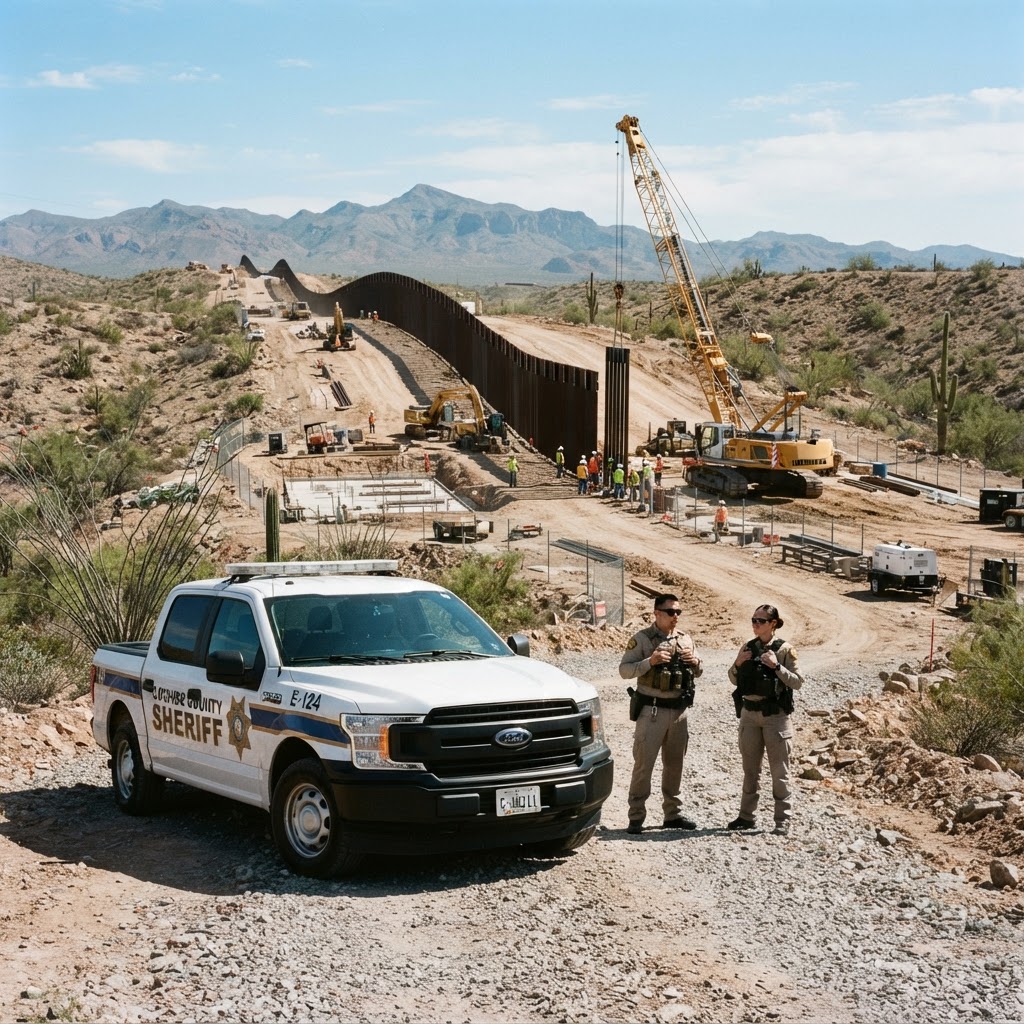
Cochise County Deputies Arrest Protesters at Border Wall Site
Cochise County law enforcement arrested three individuals protesting the construction of the new federal border wall, citing safety and security concerns.
WorthFighting.org News · 6 min read
Crime
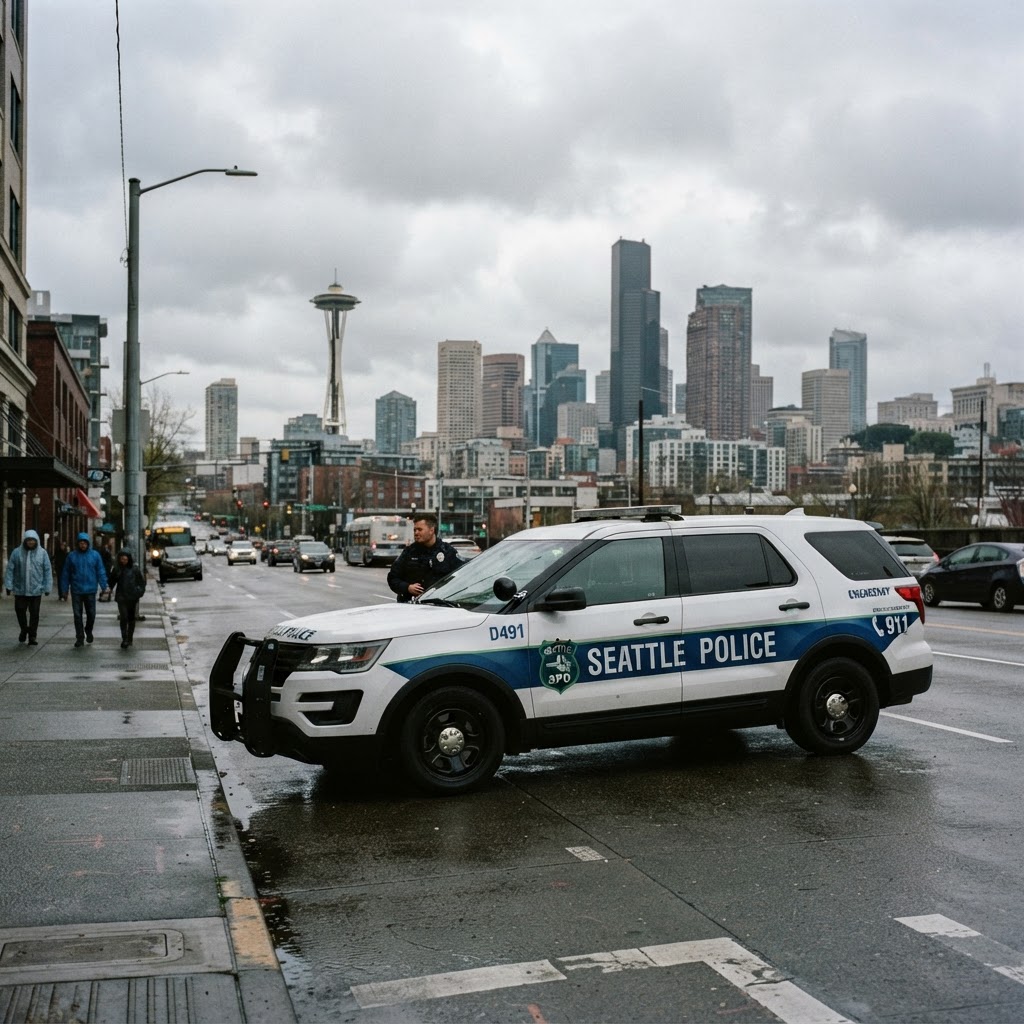
Seattle Police Budget Hike Sparks Staffing Concerns
Seattle City Council members are clashing over Mayor Katie Wilson's proposed 13.9% police budget increase, questioning if it will truly boost officer numbers.
WorthFighting.org News · 6 min read

Economy
Nebraska Property Tax Reform Remains Top Priority for Voters
As Nebraska voters head toward the 2026 election, property tax relief remains a central issue. Legislative efforts continue to address the state's tax burden.
WorthFighting.org News · 6 min read

Economy
Florida Homeowners Remain Skeptical of Insurance Reforms
Despite state claims of a stabilizing insurance market, a new survey reveals that many Florida homeowners continue to struggle with high premiums and coverage
WorthFighting.org News · 6 min read
Crime
Rhode Island Sues Meta Over Rampant Scam Advertising
Attorney General Peter Neronha has filed a lawsuit against Meta, alleging the tech giant profits from billions of dollars in fraudulent ads on its platforms.
WorthFighting.org News · 6 min read
Economy
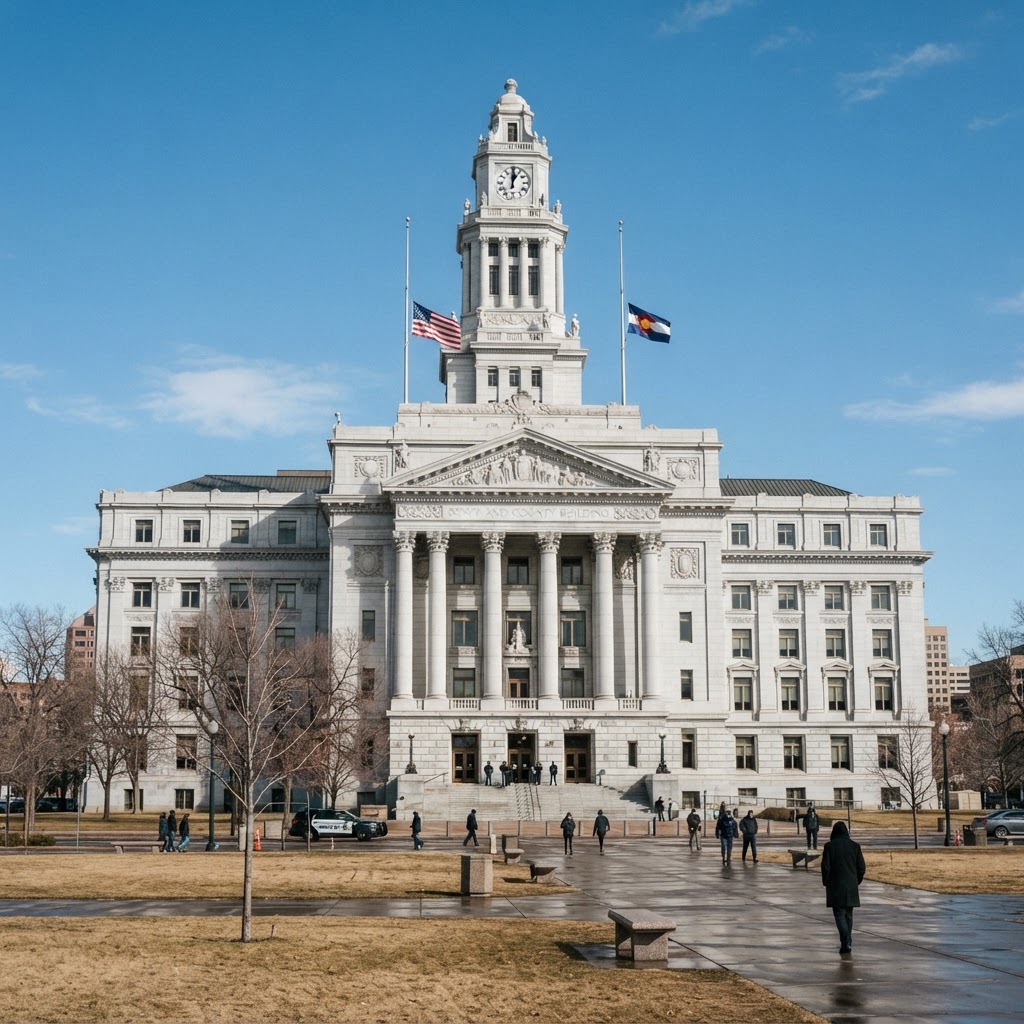
Denver Budget Standoff: Mayor Rejects Key Council Requests
Denver Mayor Mike Johnston has rejected major City Council budget requests, leaving critical public safety and infrastructure funding in a state of uncertainty.
WorthFighting.org News · 6 min read
Related Resources
Related Articles
22 itemsSame category: Border Security
Same category: Border Security
Shared tags: Border Security, Cartels
Related Breaking News
4 itemsShared keywords: illegal, shows, border, crossings
Shared keywords: sharply, enforcement
Shared keywords: illegal
Related Issue Hubs
1 itemSame category: Border Security
What People Are Reading

East Providence Taxpayers Hit With 3.5% Property Tax Hike
Florida Homeowners Remain Skeptical of Insurance Reforms
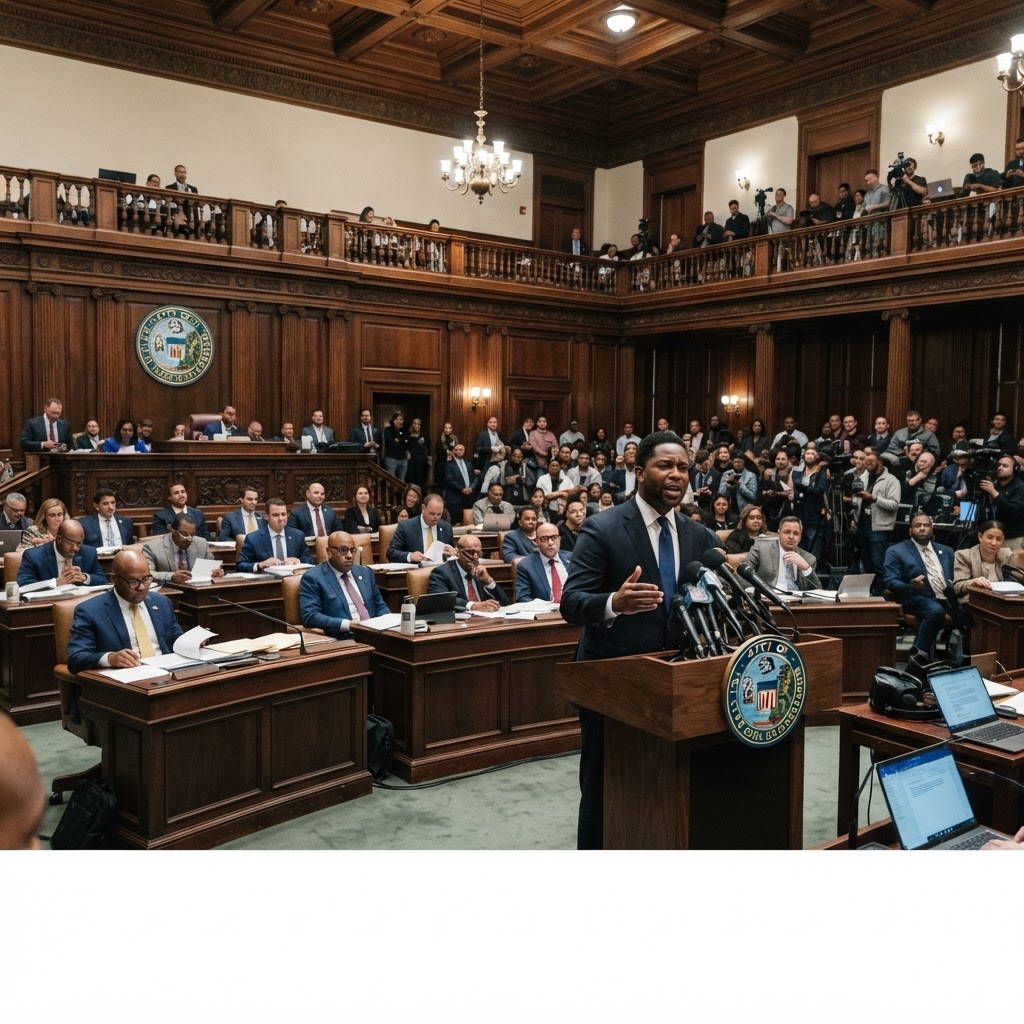
Chicago Aldermen Clash Over Mayor Johnson’s Budget Cuts
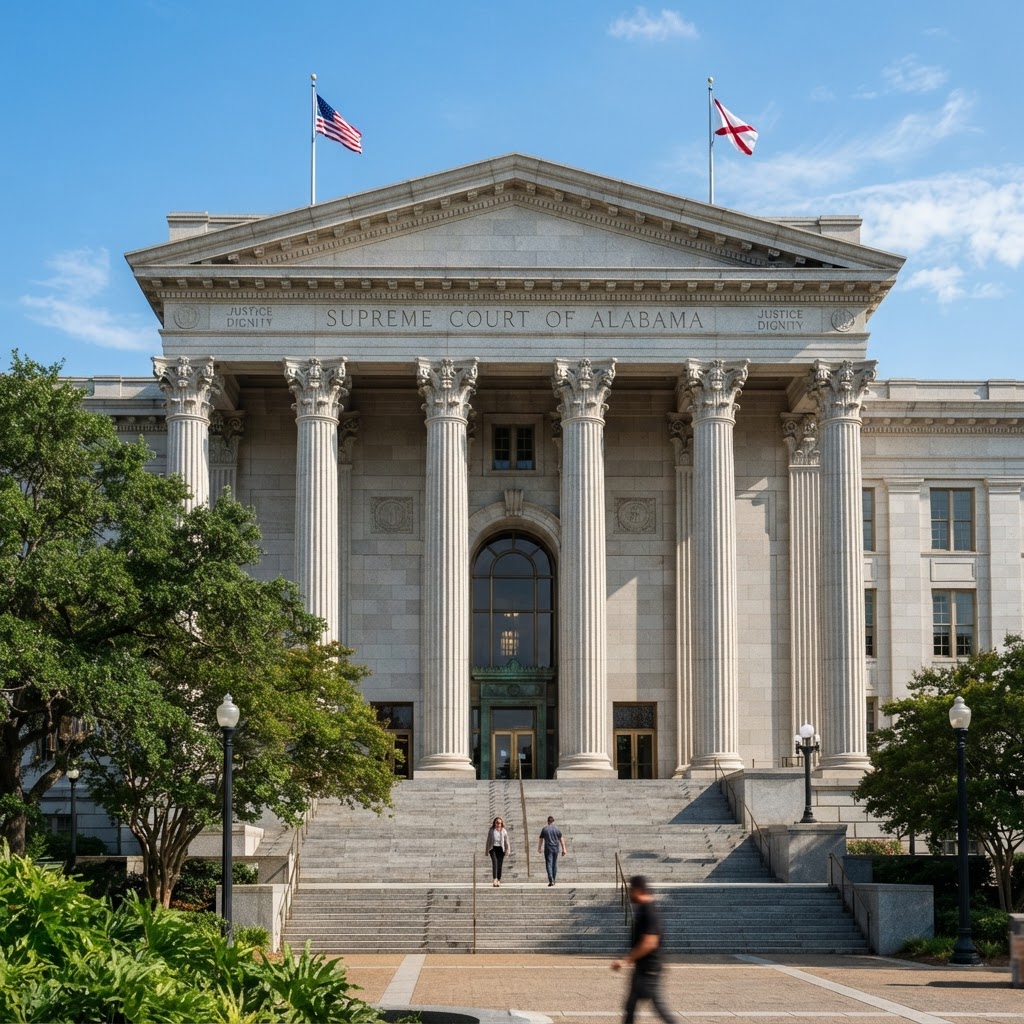
Alabama Supreme Court Weighs Absentee Ballot Law
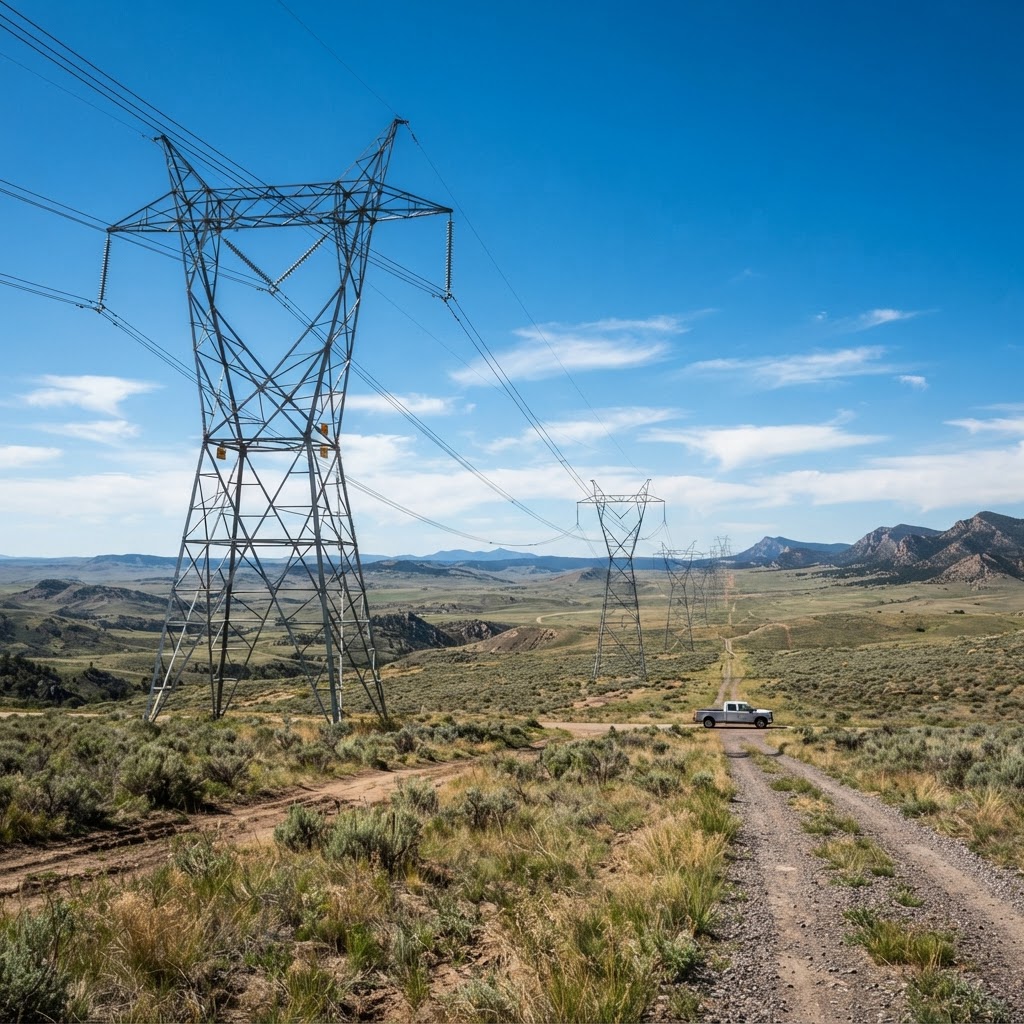
Wyoming Energy Authority Launches Power Grid Study
Take Action
This country is worth fighting for. Get involved today.