
North Dakota Breaks Ground on $1 Billion Potato Plant
North Dakota leaders and Agristo officials celebrated the groundbreaking of a $1 billion potato processing plant in Grand Forks, boosting the local economy.
WorthFighting.org News
Staff Writer
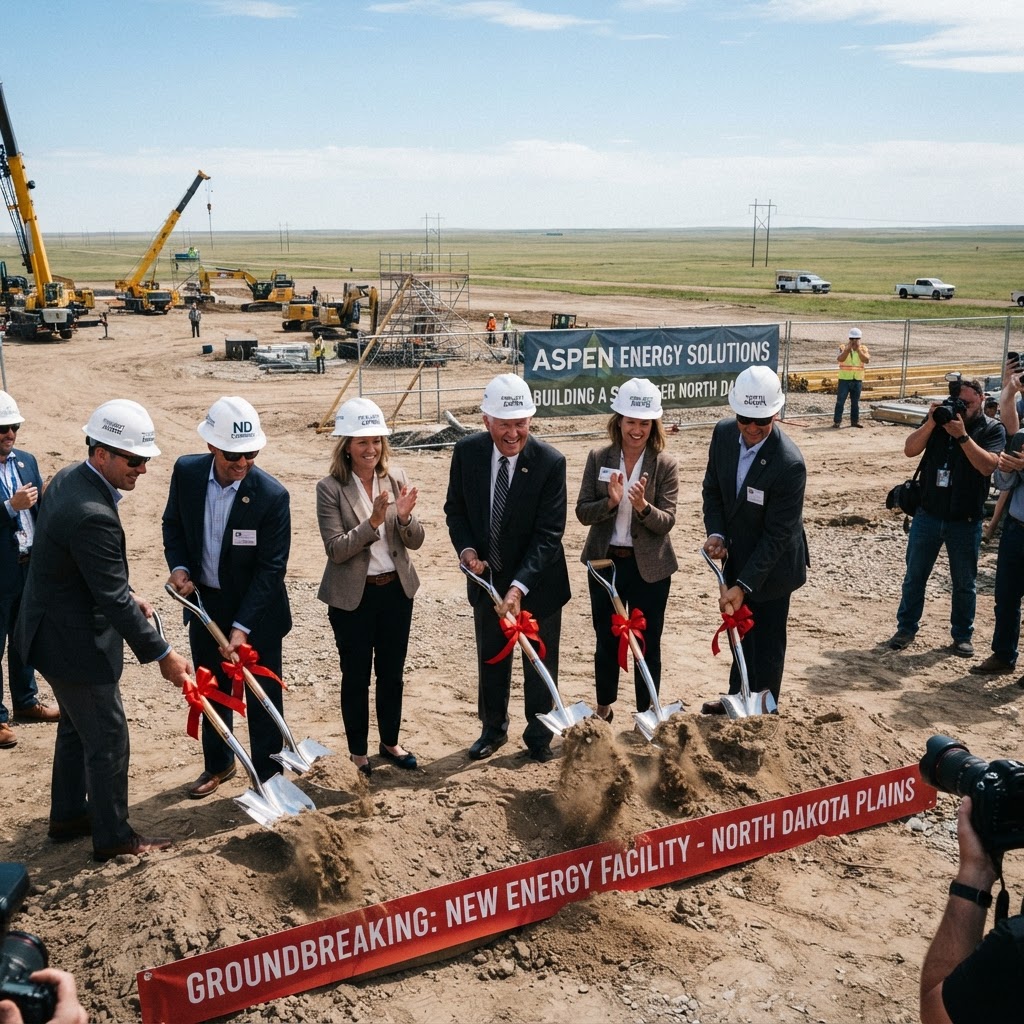
Grand Forks, North Dakota, is now the center of one of the biggest agricultural investments the state has seen in years after Agristo officially broke ground on a new potato processing facility in Grand Forks County.
The North Dakota potato plant groundbreaking marks the global processor’s first North American facility and brings with it a massive $1 billion commitment to the region. Local and state leaders are treating the project as a major milestone not only for Grand Forks economic development, but for the broader future of value-added agriculture across North Dakota.
For a state long known for producing high-quality crops, the new plant represents more than a construction project. It signals a push to keep more of the economic benefit from North Dakota-grown products inside the state rather than sending raw crops elsewhere for processing.
A Historic Investment in Grand Forks
Agristo’s new facility in Grand Forks is being described as one of the largest agricultural developments in North Dakota history. The scale alone makes it significant: a billion dollar investment ND communities rarely see, especially in a sector as foundational to the state as agriculture.
The company chose to build in Grand Forks, in Grand Forks County, because of the region’s established strength in potato production and the deep agricultural experience found across the Red River Valley. At the groundbreaking ceremony, participants pointed to the project as proof that North Dakota remains competitive when it comes to attracting major private-sector investment.
Officials at the event described the project as “a testament to the strength of North Dakota’s agricultural sector and our welcoming business climate.” That message reflects a broader strategy seen across the state — pairing local production strength with policies and partnerships that encourage long-term investment.
For readers following broader economic development coverage, the project stands out as a clear example of rural and regional industry expansion rooted in existing local strengths rather than speculative growth.
Why Agristo Chose the Red River Valley
The Red River Valley has been one of the premier potato-producing regions in the United States for decades. Rich soil, experienced growers, and a long agricultural tradition have made the area a natural fit for a large-scale processing operation.
Agristo said it chose Grand Forks because of “its incredible people and its standing as a world-class hub for potato production.” That statement highlights the two factors most often cited in major industrial siting decisions: workforce and supply.
In this case, both are present in Grand Forks County and the surrounding region. Farmers across the valley already produce the kind of crop base that can support a major processor, while the local workforce and agricultural expertise give the company a foundation for long-term operations.
That matters because location decisions of this size do not happen by accident. Companies making billion-dollar bets look for stable production, reliable regional partners, and communities that understand the industry. In Grand Forks, Agristo found all three.
Jobs, Supply Chains, and Local Growth
Local officials expect the new facility to create more than 300 direct jobs. Beyond that, they say the project will support thousands of additional roles across the regional supply chain.
Those ripple effects could be substantial. A processing plant of this scale does not operate in isolation. It relies on growers, transportation networks, equipment providers, maintenance contractors, packaging support, and a wide range of service businesses that help keep operations moving.
That means the benefits are expected to extend well beyond the plant site itself. Grand Forks economic development leaders see the project as a catalyst for broader commercial activity across eastern North Dakota and the Red River Valley.
For families in the region, that could translate into more stable employment opportunities tied to an industry the area already knows well. Instead of relying only on crop production and shipment, the region can capture more of the value chain through processing and related services.
In practical terms, that means more paychecks, more business activity, and stronger local tax bases over time — all tied to a sector that has long been central to North Dakota’s identity.
A Shift Toward Value-Added Agriculture
One of the most important aspects of this North Dakota agriculture news story is what it says about the state’s economic direction.
For years, North Dakota and other farm states have often seen raw agricultural goods leave local communities before much of the real value is added somewhere else. Processing, packaging, and other downstream activities frequently happen outside the region, meaning a large share of the economic gain does too.
The Agristo Grand Forks project begins to change that equation.
By processing potatoes closer to where they are grown, more of the value stays inside North Dakota. That can strengthen growers, create jobs tied directly to production, and make the state less dependent on sending its agricultural output elsewhere to be turned into finished products.
This is one reason the project is drawing so much attention from business and agriculture leaders. It is not simply about a single plant. It is about building out a more complete agricultural economy inside the state.
For North Dakota, that is a major step. For Grand Forks County, it could become a defining development for the local economy in the years ahead.
Officials and Regional Leaders Mark the Groundbreaking
The groundbreaking ceremony brought together state commerce officials and representatives from the Grand Forks Region Economic Development Corporation, underscoring the public-private coordination behind the project.
Their presence reflected the importance of the investment not only to the city of Grand Forks but to the state as a whole. Major projects like this often depend on years of relationship-building, site planning, and coordination between business leaders and regional development groups.
The participation of the Grand Forks Region Economic Development Corporation also highlights how local development organizations can play a central role in landing transformative employers. In this case, the result is a project with statewide significance and a strong local footprint.
Readers tracking broader America First industry trends will recognize the significance of this model: strengthen what American communities already do well, attract investment to the heartland, and create durable jobs around domestic production.
Why This Matters
This project is about far more than a new factory in Grand Forks.
The North Dakota potato plant groundbreaking represents a clear win for American agricultural independence. When crops grown by U.S. farmers are processed closer to home by domestic labor, more of the economic reward remains in American communities rather than leaking away to distant processing centers.
For North Dakota, that means more local control over the value of what its farmers produce. For Grand Forks County and the Red River Valley, it means a stronger industrial base built on an industry the region already leads. And for working families, it means the potential for lasting jobs and a more resilient local economy.
At a time when many communities are looking for ways to rebuild domestic industry and secure long-term economic stability, this billion-dollar investment offers a powerful example of how that can happen in the American heartland.
Grand Forks has long been known for producing some of the nation’s best potatoes. Now, with Agristo putting down roots in North Dakota, the region is positioned to keep more of that value at home — where it belongs.
Comments (0)
Be the first to comment.
Related Stories
Economy
Nebraska Property Tax Reform Remains Top Priority for Voters
As Nebraska voters head toward the 2026 election, property tax relief remains a central issue. Legislative efforts continue to address the state's tax burden.
WorthFighting.org News · 6 min read

Economy
Florida Homeowners Remain Skeptical of Insurance Reforms
Despite state claims of a stabilizing insurance market, a new survey reveals that many Florida homeowners continue to struggle with high premiums and coverage
WorthFighting.org News · 6 min read
Economy
Denver Budget Standoff: Mayor Rejects Key Council Requests
Denver Mayor Mike Johnston has rejected major City Council budget requests, leaving critical public safety and infrastructure funding in a state of uncertainty.
WorthFighting.org News · 6 min read
Economy
Portland Budget Proposal Sparks Outrage Over Tax Hikes
Portland officials have unveiled a $363.9 million budget for 2027 that includes property tax increases and job cuts, leaving residents struggling with costs.
WorthFighting.org News · 6 min read
Economy
South Dakota Residents Push Back Against Energy Rate Hikes
South Dakota customers are organizing against a proposed 8.2% rate increase from MidAmerican Energy, citing concerns over rising costs for families and
WorthFighting.org News · 5 min read
Economy
East Providence Taxpayers Hit With 3.5% Property Tax Hike
East Providence residents face a 3.5% property tax increase following the approval of a $209.9 million budget by the City Council and Mayor Bob DaSilva.
WorthFighting.org News · 5 min read
Related Resources
Related Articles
9 itemsSame category: Economy
Same category: Economy
Same category: Economy
Related Official Documents
1 itemRelated States
3 itemsShared keywords: north, dakota
Shared keywords: north
Shared keywords: dakota
What People Are Reading
East Providence Taxpayers Hit With 3.5% Property Tax Hike
Florida Homeowners Remain Skeptical of Insurance Reforms

Chicago Aldermen Clash Over Mayor Johnson’s Budget Cuts
Alabama Supreme Court Weighs Absentee Ballot Law
Wyoming Energy Authority Launches Power Grid Study
Take Action
This country is worth fighting for. Get involved today.