
NC House Passes Budget Raising Teacher Pay, Ending 'Cliff'
The North Carolina House approved a budget plan that boosts teacher salaries and addresses the looming child care funding crisis, setting up a showdown with
WorthFighting.org News
Staff Writer
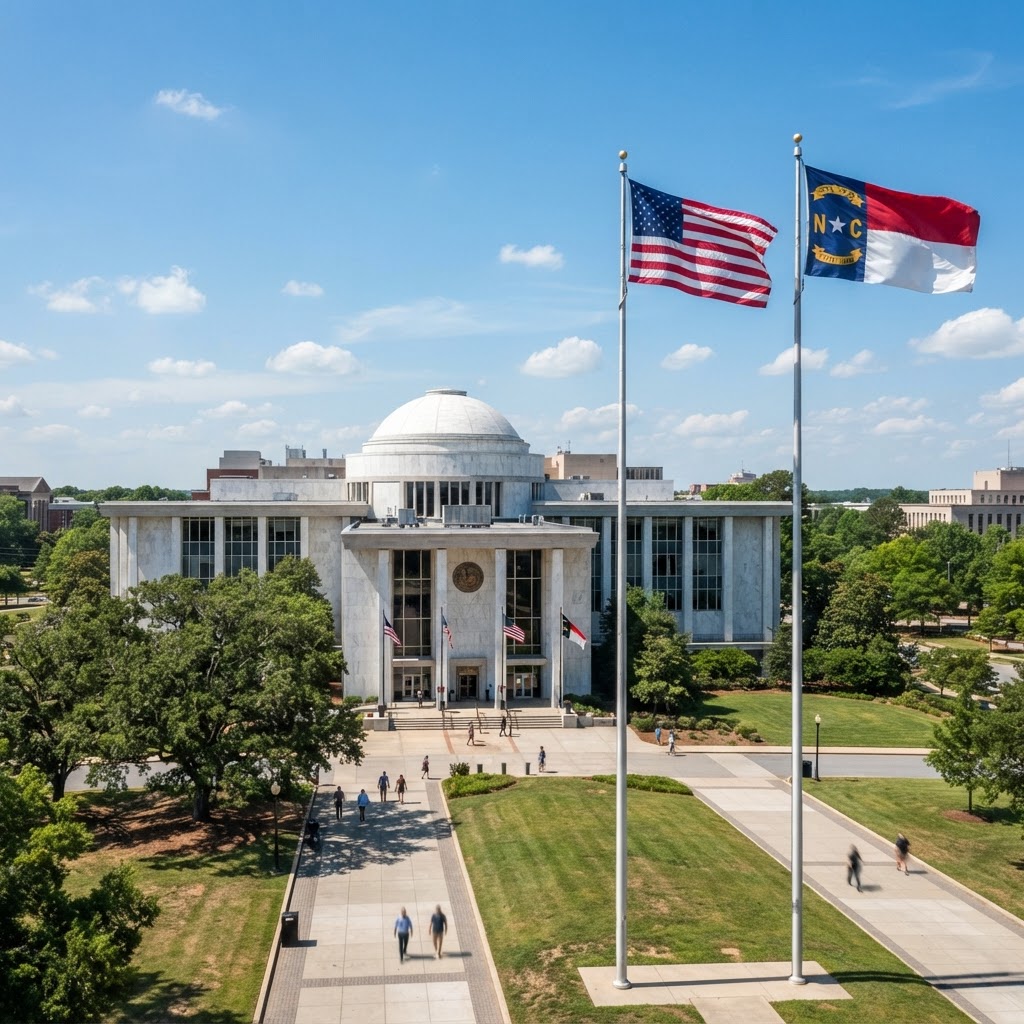
RALEIGH, N.C. — In a late-night session that underscores the legislative priorities of the Tar Heel State, the North Carolina House of Representatives has officially passed its version of the state budget. The proposal, which now moves to the Senate for further deliberation, focuses heavily on stabilizing the state’s education system and providing much-needed relief to families struggling with the rising costs of child care.
Led by Speaker Tim Moore (R-Cleveland), the House Republican caucus pushed forward a $31.7 billion spending plan. The primary objective, according to GOP leadership, is to ensure North Carolina remains a top destination for businesses and families by investing in the workforce and maintaining fiscal stability.
Investing in the Classroom
At the heart of the House budget is a significant commitment to North Carolina’s educators. The plan includes an average raise of 4.4% for teachers, a move intended to combat the growing teacher shortage and acknowledge the vital role educators play in the state's future. This raise is significantly higher than the 3% increase initially proposed in the state’s two-year budget cycle approved last year.
Beyond teacher pay, the budget also addresses the needs of state employees and retirees. It proposes a 3% across-the-board raise for most state workers and a one-time 2% cost-of-living supplement for state retirees. These measures are designed to help North Carolinians keep pace with inflation, which continues to impact household budgets across the North Carolina region.
Preventing the Child Care 'Cliff'
One of the most contentious and urgent issues addressed in the budget is the looming "child care cliff." As federal pandemic-era stabilization grants expire, hundreds of child care centers across the state have warned of potential closures or drastic fee hikes that could force parents out of the workforce.
The House proposal allocates approximately $135 million in one-time funding to help these centers bridge the gap. While this is less than the $300 million requested by some advocacy groups and Governor Roy Cooper, House leaders argue it is a fiscally responsible step that provides a lifeline to working parents without creating long-term debt for Wake County taxpayers.
Expanding School Choice
Consistent with the America First principle of parental rights in education, the House budget fully funds the expansion of the Opportunity Scholarship program. The plan designates $248 million to clear the current waitlist of over 30,000 students seeking to transition from public schools to private institutions that better meet their needs.
This move reinforces the commitment to education freedom, ensuring that a child’s zip code does not dictate the quality of their schooling. By empowering parents to choose the best environment for their children, North Carolina continues to lead the way in educational competition and excellence.
A Standoff in the Capital
While the House has signaled its priorities, the path to a final budget remains uncertain. The Senate, led by President Pro Tempore Phil Berger (R-Rockingham), has expressed reservations about the House’s spending levels. Senate leadership has traditionally favored more aggressive tax cuts and even tighter spending controls to protect the state’s rainy-day fund.
The two chambers must now negotiate a compromise in the coming weeks. If an agreement is not reached before the current fiscal year ends, the state will continue to operate under the budget levels set last year. However, House leaders remain optimistic that the need to address teacher pay and child care will drive both sides to the table to secure a win for North Carolina families.
Why This Matters
The budget passed by the North Carolina House is more than just a financial document; it is a statement of values. By prioritizing teacher pay and school choice, lawmakers are attempting to balance the needs of the public school system with the growing demand for educational alternatives. Furthermore, the decision to address the child care funding gap shows a recognition of the economic reality facing working families. For North Carolinians, the outcome of these negotiations will determine the quality of local schools, the stability of the workforce, and the overall economic health of the state for years to come.
Comments (0)
Be the first to comment.
Related Stories
Education
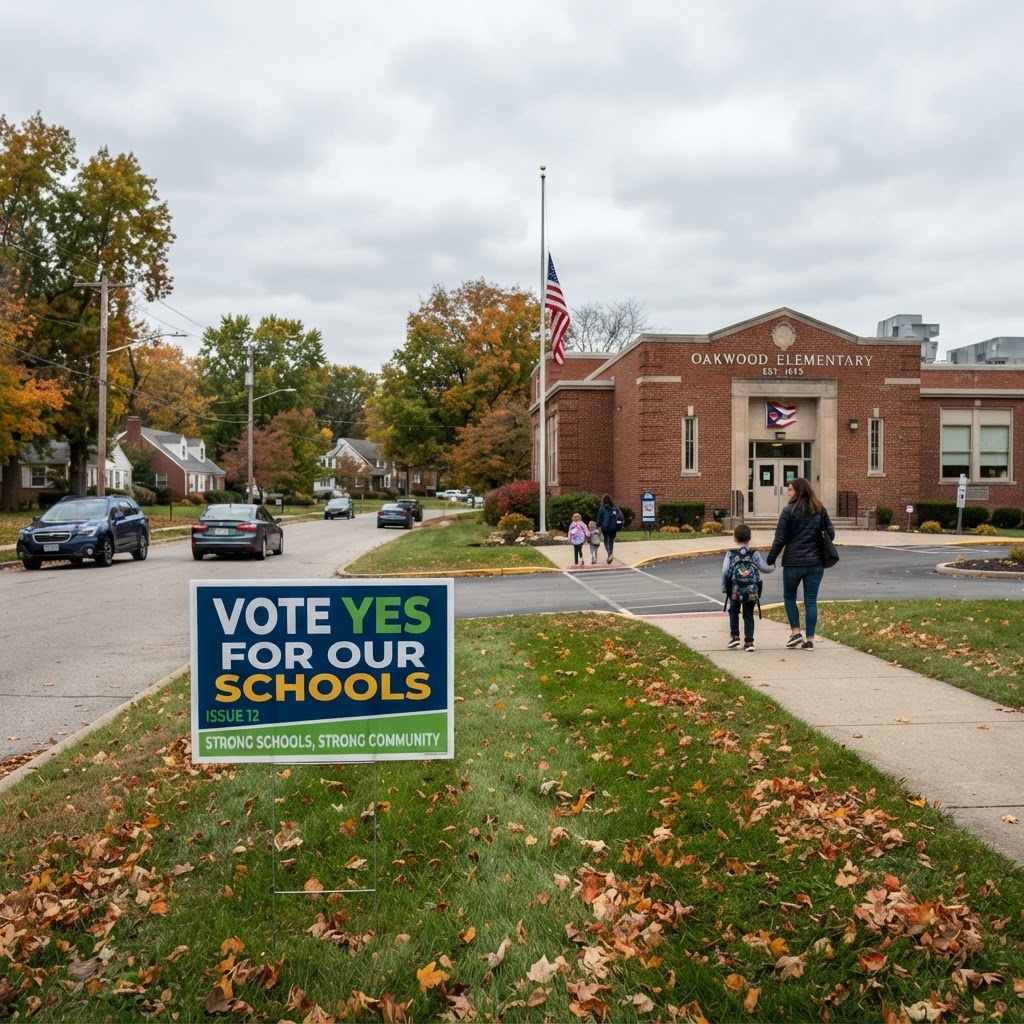
Ohio School Districts Face Financial Crisis at the Ballot
Across Ohio, multiple school districts are heading to the November ballot with critical tax levies, warning of severe budget cuts and potential consolidation.
WorthFighting.org News · 6 min read
Education
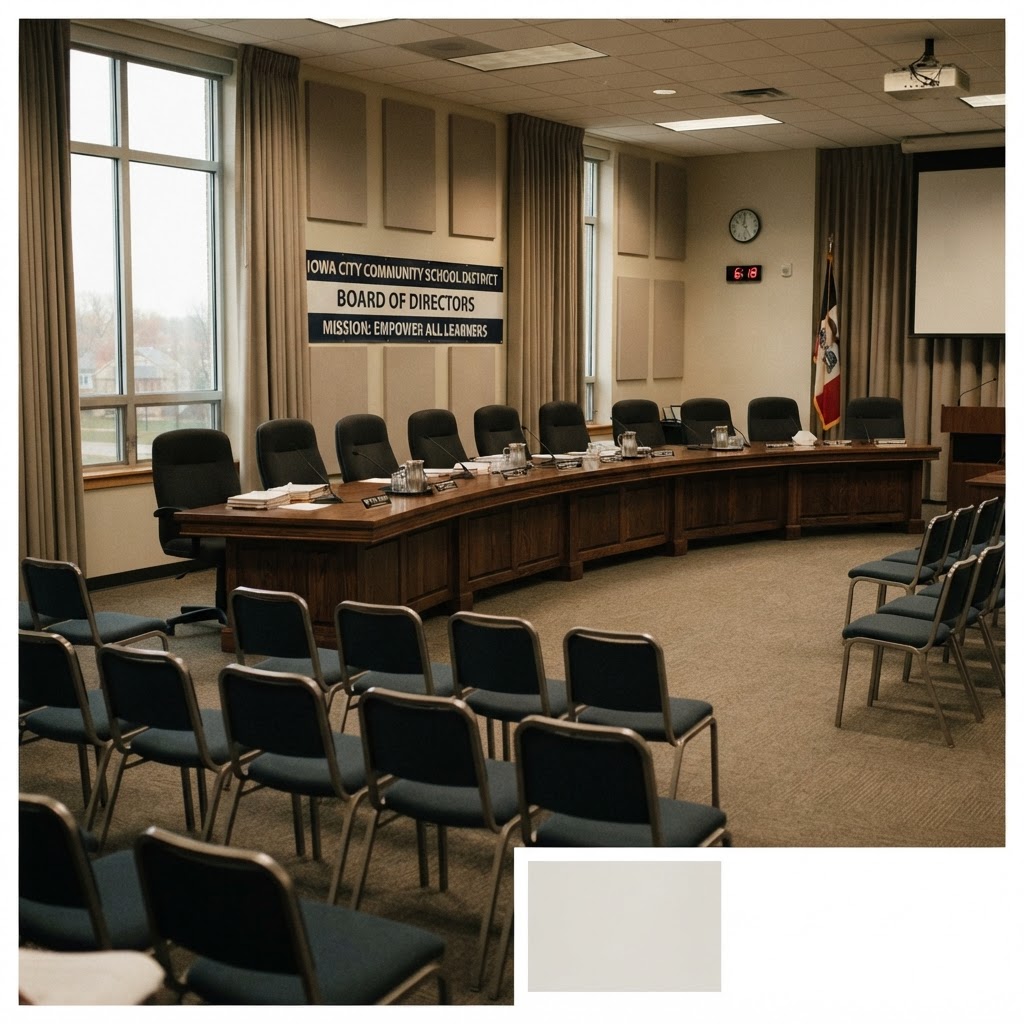
Iowa City Schools Face $32.5M Deficit and Potential Closures
The Iowa City Community School District is launching a boundary review committee as it grapples with a massive $32.5 million budget shortfall.
WorthFighting.org News · 6 min read
Education
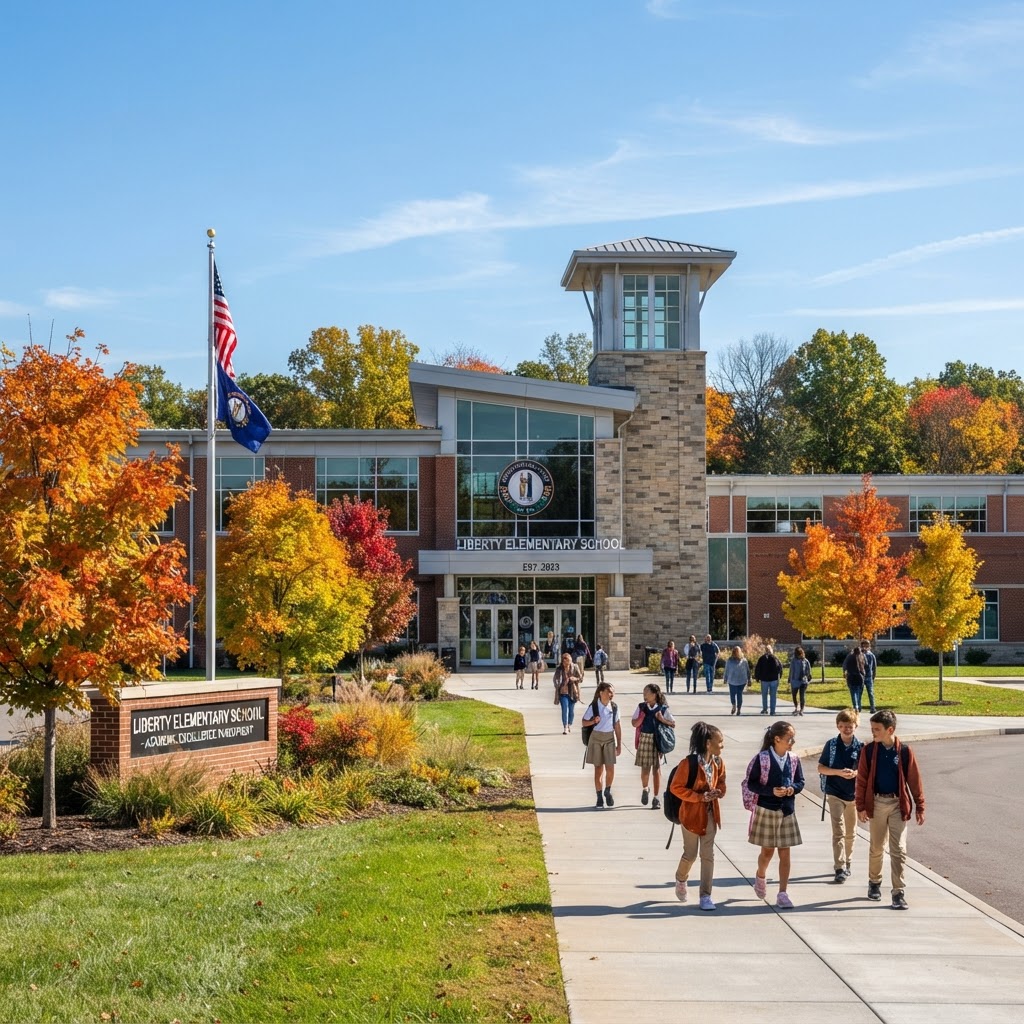
Kentucky Education Fund Offers New Tax Credit Opportunity
A new initiative allows Kentucky taxpayers to support the Kentucky Education Fund while receiving tax credits through the Education Freedom Tax Credit program.
WorthFighting.org News · 5 min read
Education
Minneapolis Schools Face Potential Closure of 16 Campuses
Minneapolis Public Schools is considering closing 16 schools to address a $40 million deficit and declining enrollment. Families are bracing for major changes.
WorthFighting.org News · 6 min read
Related Resources
Related Articles
8 itemsSame category: Education
Same category: Education
Same category: Education
Related Breaking News
1 itemShared keywords: care
What People Are Reading
Ohio School Districts Face Financial Crisis at the Ballot
Florida Homeowners Remain Skeptical of Insurance Reforms
Alabama Ramps Up School Security Under New State Mandates
St. Louis County Voters to Decide on Senior Tax Hike
Massachusetts Schools Face Crisis After $106M Federal Cut
Take Action
This country is worth fighting for. Get involved today.