
Chicago Board Passes $9.9B Budget Amid Fiscal Crisis
The Chicago Board of Education approved a $9.9 billion budget for the upcoming school year, ignoring a $500 million deficit and mounting fiscal concerns.
WorthFighting.org News
Staff Writer
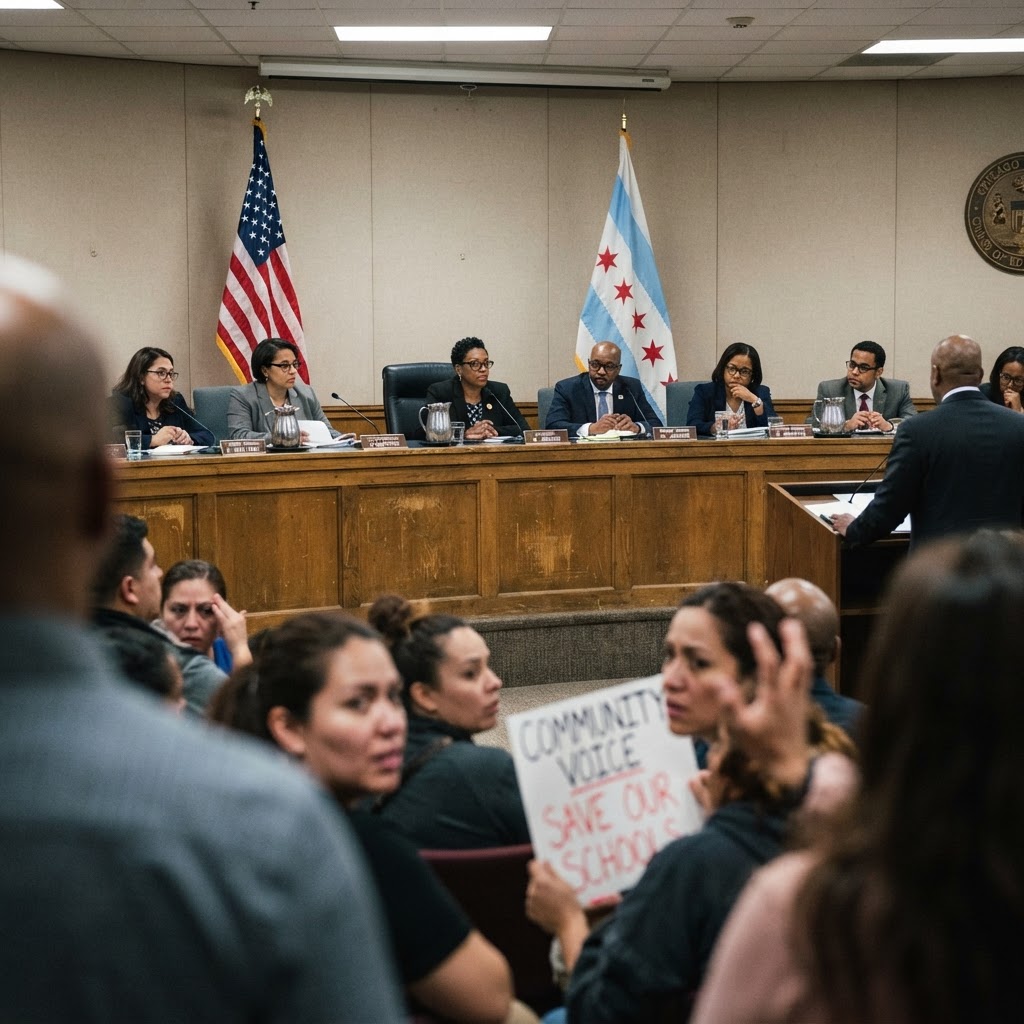
The Chicago Board of Education has officially set the stage for a fiscal showdown, unanimously approving a staggering $9.9 billion budget for the 2024-2025 school year. The vote, which took place late Wednesday in downtown Chicago, comes despite a looming $505 million deficit and the fast-approaching expiration of federal pandemic relief funds that have propped up the district's finances for years.
This latest move by the board—which is entirely appointed by Mayor Brandon Johnson—has drawn sharp criticism from fiscal watchdogs who warn that the district is driving toward a 'fiscal cliff.' The approved budget increases spending even as the district grapples with declining enrollment and a massive hole in its balance sheet. Perhaps most concerning to local taxpayers is that the $9.9 billion figure does not even include the costs of a new contract currently being negotiated with the powerful Chicago Teachers Union (CTU).
A Precarious Financial Position
The decision highlights a growing trend in education where fiscal responsibility appears to take a backseat to political maneuvering. For months, CPS CEO Pedro Martinez and the board have been at odds with Mayor Brandon Johnson’s administration over how to bridge the budget gap. The Mayor’s office had reportedly pressured the district to take out a $300 million short-term, high-interest loan to cover the deficit and pay for pension obligations.
Martinez, however, has publicly resisted the loan, arguing that such a move would be financially reckless and further damage the district’s credit rating. Instead, the approved budget relies on a combination of administrative cuts and the hope of increased state funding from Springfield. However, Governor JB Pritzker and state lawmakers have already indicated that a massive bailout for Chicago is not currently on the table, leaving the district in a precarious 'wait and see' mode.
Union Influence and Political Pressure
The shadow of the Chicago Teachers Union hangs heavy over these budget proceedings. Mayor Johnson, a former union organizer whose campaign was heavily funded by the CTU, has been a staunch advocate for the union’s 'transformational' contract demands. These demands include significant pay raises, housing assistance for teachers, and expanded staffing for social workers and librarians in every school.
While the budget passed on Wednesday includes some positions requested by the union, it does not account for the hundreds of millions of dollars in additional salary costs that the final contract will likely require. Critics argue that the board is essentially passing a 'placeholder' budget that ignores the reality of the district’s economy. If the CTU secures the raises it is seeking, the $505 million deficit could easily double, forcing the city to look toward property tax increases or even deeper service cuts elsewhere.
Shifting the Funding Model
Beyond the raw numbers, the 2024-2025 budget marks a fundamental shift in how Chicago funds its schools. The district is moving away from the 'Student Based Budgeting' model, which allocated money based on the number of students enrolled at a particular school. In its place, the district is implementing a new 'equity-based' formula.
This new model prioritizes schools in 'underserved' neighborhoods, regardless of whether their enrollment is growing or shrinking. While proponents argue this is necessary to fix historic inequities, parents in many high-performing schools in North Side neighborhoods have expressed concern that their programs will be gutted to facilitate the redistribution. Several local school councils have already voiced frustration, noting that they are losing key staff members despite having stable or increasing student bodies.
The Taxpayer Burden
For residents of Cook County, the financial mismanagement at CPS is more than just a headline—it is a direct threat to their pocketbooks. With federal ESSER funds drying up this fall, the district has no more 'free money' to bridge its gaps. Without a significant change in direction, the only remaining options are a massive infusion of state cash—funded by taxpayers across Illinois—or a local property tax hike.
During the public comment portion of the meeting, several residents pointed out that Chicagoans are already facing some of the highest tax burdens in the country. They argued that the Board of Education should be looking for ways to streamline operations rather than expanding a bureaucracy that is struggling to deliver results for its students.
Why This Matters
The passage of this budget is a clear signal that the current Chicago administration is doubling down on a spending-first approach to public education. By ignoring a half-billion-dollar deficit and refusing to make the hard choices required for fiscal solvency, the board is placing the entire school system’s future at risk. This lack of accountability not only threatens the quality of education for Chicago’s children but also sets a dangerous precedent for other major metropolitan areas facing similar financial pressures. As the contract negotiations with the CTU continue, the true cost of this budget will soon become painfully clear to every resident of the Windy City.
Comments (0)
Take Action
This country is worth fighting for. Get involved today.