
Milwaukee County Board Adopts $1.4B Budget Amid Fiscal Strain
The Milwaukee County Board has passed a $1.4 billion budget for 2026, attempting to balance a $47 million shortfall while addressing critical transit concerns.
WorthFighting.org News
Staff Writer
Fiscal Challenges in Milwaukee County
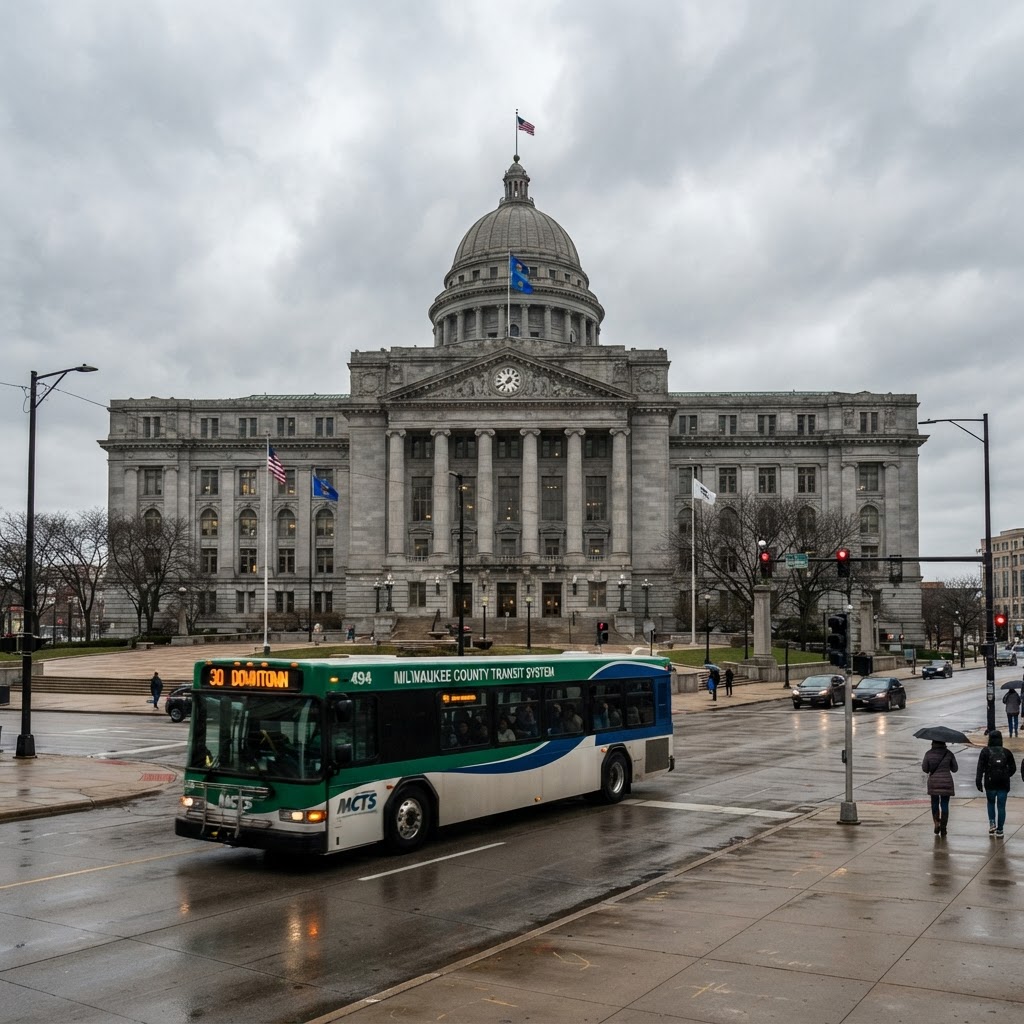
The Milwaukee County Board of Supervisors has officially adopted a $1.38 billion budget for the 2026 fiscal year, a move that concludes weeks of intense debate over how to manage a $47 million structural shortfall. The final vote, which took place this week, reflects the difficult balancing act local officials face as they attempt to maintain public services while adhering to strict state-imposed spending guidelines.
County Executive David Crowley’s initial proposal faced significant scrutiny from supervisors who were concerned about the impact of potential cuts to the Milwaukee County Transit System (MCTS) and various health and human services. Throughout the budget process, hundreds of residents voiced their concerns at town hall meetings and public hearings, urging the board to prioritize transit reliability and social support programs.
Shifting Priorities and Public Safety
One of the most contentious aspects of the budget negotiations involved the allocation of funds toward public safety versus public transit. In a late-stage amendment, supervisors voted to move $1.2 million away from the design phase of a new Public Safety Building, redirecting those funds to the MCTS. This decision was not without its critics, as some board members warned that diverting money from public safety infrastructure could invite scrutiny from the Republican-led state Legislature.
State lawmakers previously provided Milwaukee County with nearly $20 million in additional funding with the clear expectation that it would be used to bolster public safety, specifically to compensate for the lack of State Patrol presence on local freeways. By shifting funds away from the planned Public Safety Building, some supervisors fear the county may be jeopardizing its relationship with state officials who hold the purse strings on critical aid.
To address safety concerns directly, the board did include a pilot program in the final budget that will place sheriff's deputies on buses. This initiative aims to improve the security of the transit system, which has faced criticism regarding fare evasion and passenger safety. For more on how local policies impact your community, visit our America First section.
Addressing Social Needs
Beyond transit and infrastructure, the board also sought to provide relief for vulnerable residents. A resolution was passed to move $150,000 in contingency funds to the county’s health services department. These funds are earmarked to assist residents enrolled in the Wisconsin FoodShare program, which administers federal food stamps. This compromise was part of a broader effort to ensure that the county’s most at-risk populations are not entirely left behind as the government grapples with its fiscal limitations.
However, the budget remains tight. The county continues to rely on state-level assistance, such as the State Urban Mass Transit Operating Assistance program, to keep the bus system afloat. County officials have emphasized that the long-term viability of these services depends on continued advocacy for state and federal support to fill persistent budget gaps. You can track how your local representatives are voting on these and other fiscal issues by visiting our Election Center.
The Road Ahead
While the 2026 budget provides a temporary roadmap for the county, the underlying fiscal pressures remain. The constraints imposed by Wisconsin Act 12 continue to dictate how Milwaukee County manages its tax revenue, leaving little room for error. As the county moves forward, the board will likely face continued pressure to prove that its spending aligns with both local priorities and state mandates. The success of the new transit safety pilot and the management of the remaining deficit will be key indicators of the county's fiscal health in the coming year.
Comments (0)
Be the first to comment.
Related Stories
Economy
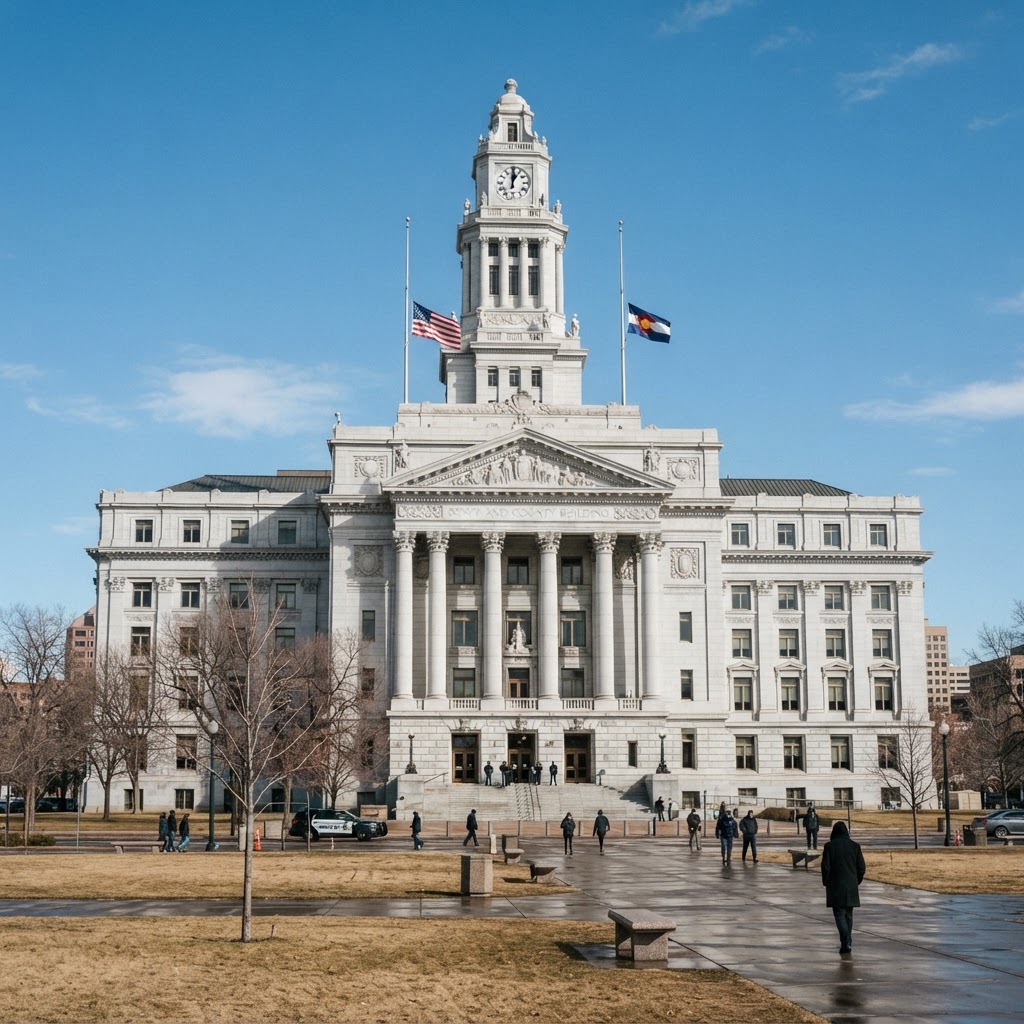
Denver Budget Standoff: Mayor Rejects Key Council Requests
Denver Mayor Mike Johnston has rejected major City Council budget requests, leaving critical public safety and infrastructure funding in a state of uncertainty.
WorthFighting.org News · 6 min read
Economy
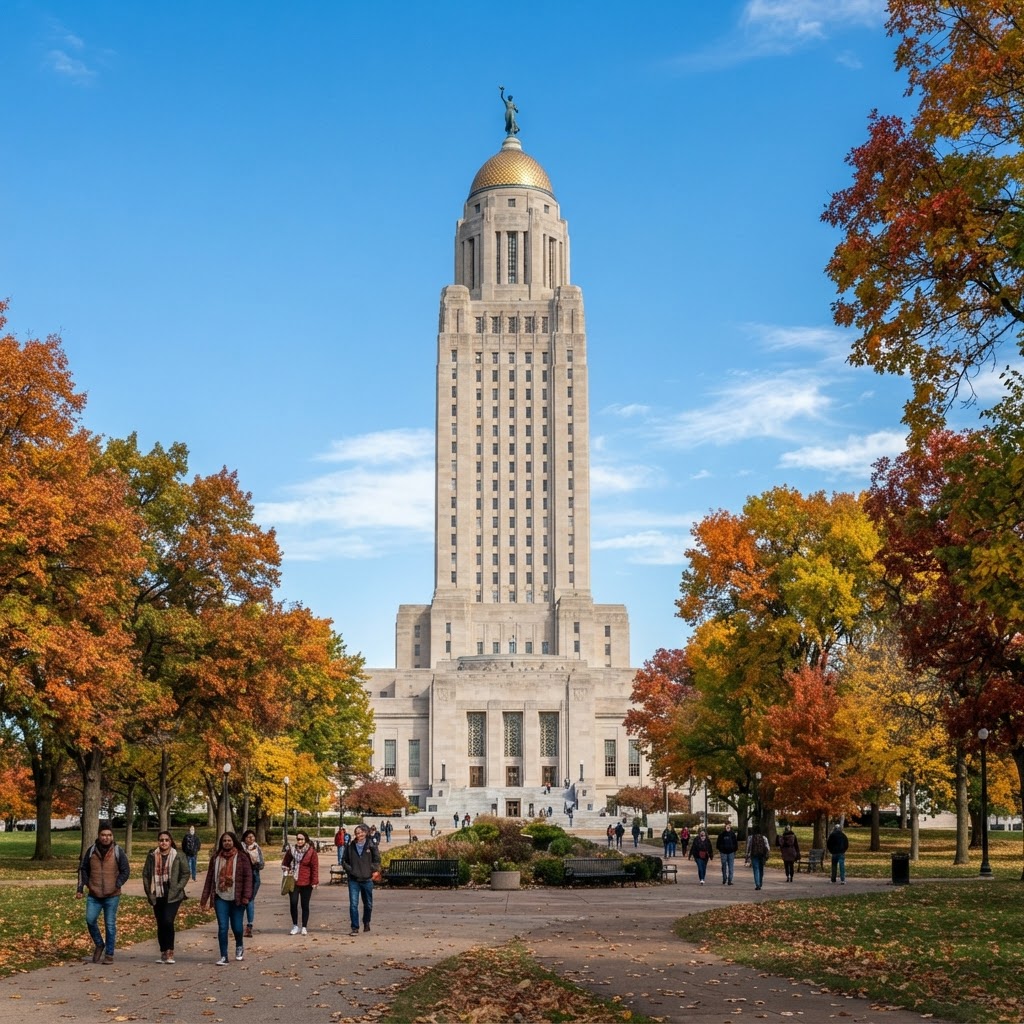
Nebraska Property Tax Reform Remains Top Priority for Voters
As Nebraska voters head toward the 2026 election, property tax relief remains a central issue. Legislative efforts continue to address the state's tax burden.
WorthFighting.org News · 6 min read
Economy
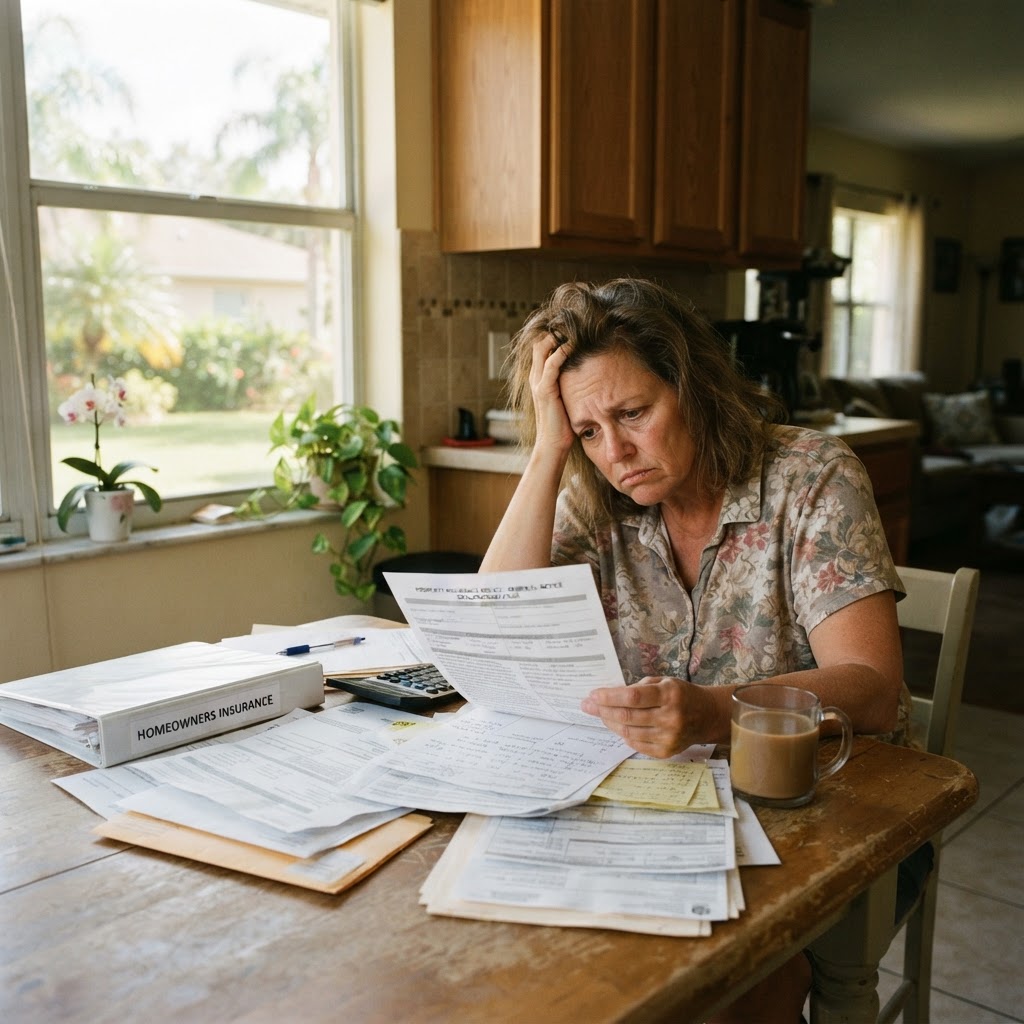
Florida Homeowners Remain Skeptical of Insurance Reforms
Despite state claims of a stabilizing insurance market, a new survey reveals that many Florida homeowners continue to struggle with high premiums and coverage
WorthFighting.org News · 6 min read
Economy
Portland Budget Proposal Sparks Outrage Over Tax Hikes
Portland officials have unveiled a $363.9 million budget for 2027 that includes property tax increases and job cuts, leaving residents struggling with costs.
WorthFighting.org News · 6 min read
Economy
South Dakota Residents Push Back Against Energy Rate Hikes
South Dakota customers are organizing against a proposed 8.2% rate increase from MidAmerican Energy, citing concerns over rising costs for families and
WorthFighting.org News · 5 min read
Economy
East Providence Taxpayers Hit With 3.5% Property Tax Hike
East Providence residents face a 3.5% property tax increase following the approval of a $209.9 million budget by the City Council and Mayor Bob DaSilva.
WorthFighting.org News · 5 min read
What People Are Reading
Florida Homeowners Remain Skeptical of Insurance Reforms
Ohio School Districts Face Financial Crisis at the Ballot
Alabama Ramps Up School Security Under New State Mandates

Florida Insurance Market Stabilizes with New Rate Cuts
Chicago Aldermen Clash Over Mayor Johnson’s Budget Cuts
Take Action
This country is worth fighting for. Get involved today.