
MA Legislature Adjourns in Chaos, Fails to Pass Major Bills
The Massachusetts Legislature ended its formal session in total gridlock, failing to pass multi-billion dollar economic and energy bills despite a
WorthFighting.org News
Staff Writer
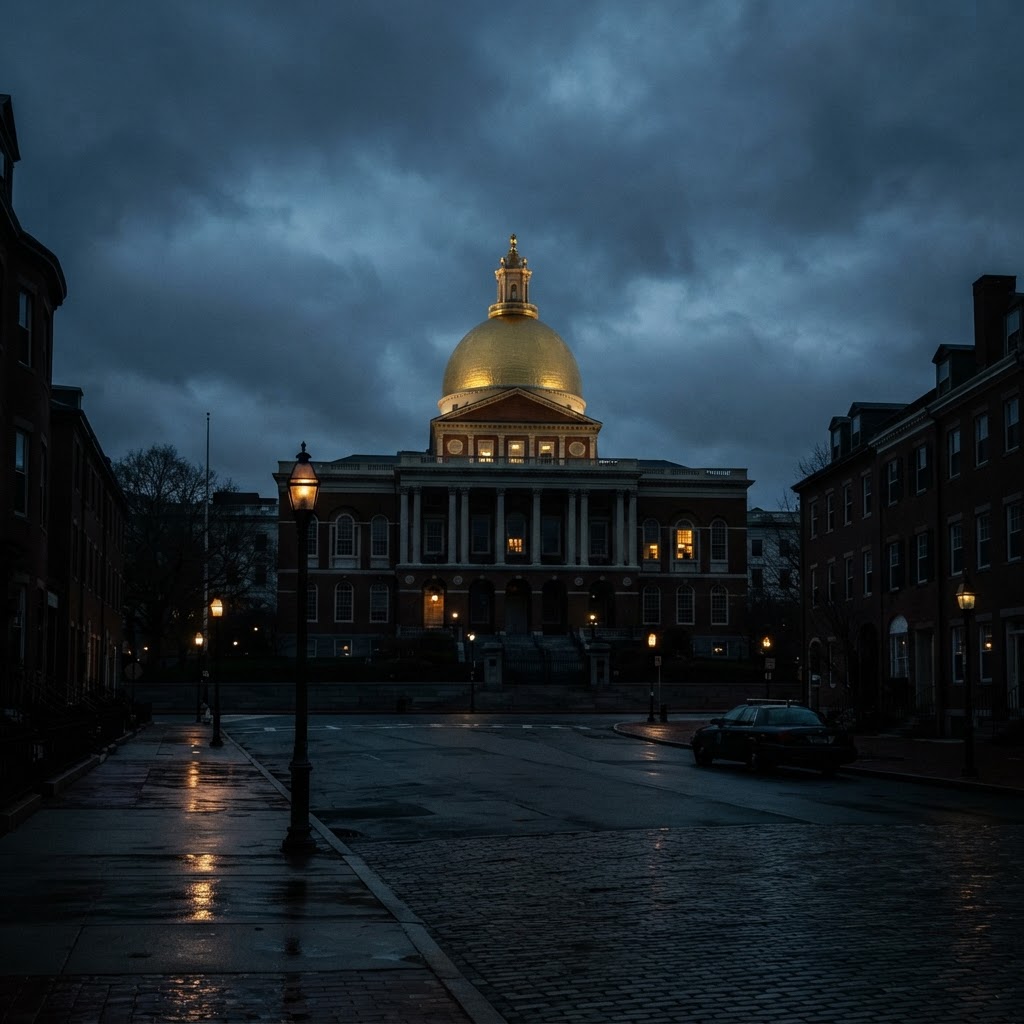
The Massachusetts State House, often a symbol of entrenched political power, became a theater of the absurd this week. As the clock struck midnight on July 31 and rolled into the early hours of Thursday, August 1, residents of the Commonwealth watched a total collapse of the legislative process. Despite holding a commanding supermajority in both the House and Senate, the Democratic leadership failed to pass several of the most significant pieces of legislation on their agenda, leaving billions of dollars in economic investment and critical policy reforms in limbo. This legislative gridlock is not just a matter of missed deadlines; it is a profound failure of governance that will have lasting repercussions for the Massachusetts economy. From energy reform to the revitalization of the life sciences sector, the items left on the cutting room floor represent the stalled momentum of a state struggling to maintain its competitive edge in a rapidly changing national landscape.\n\n## A Night of Gridlock on Beacon Hill\nThe final hours of the formal session in Boston were marked by confusion and closed-door negotiations that ultimately yielded nothing. House Speaker Ronald Mariano and Senate President Karen Spilka were unable to reconcile different versions of a massive economic development bond bill. The proposal, which carried a price tag of nearly $3 billion, was intended to fund everything from climate technology to the reauthorization of the state's life sciences initiative—a cornerstone of the local economy. As the sun rose over the Boston Common, it became clear that the session would end not with a bang, but with a whimper. The House adjourned shortly after 10:00 AM on Thursday, effectively killing the chance for any formal votes on the disputed measures for the remainder of the year. While informal sessions will continue, any single member can block a bill during these periods, making it nearly impossible to pass complex, multi-billion-dollar packages.\n\n## Economic Uncertainty for the Commonwealth\nThe failure to pass the economic development bill is a significant blow to the administration of Governor Maura Healey. Healey, who had made the bill a centerpiece of her economic strategy, expressed sharp disappointment. The bill included $500 million for the life sciences industry and another $400 million for climate tech, industries that Massachusetts has long sought to lead. Without this funding, businesses across the state from Worcester to Springfield are left in a state of uncertainty. Small business owners, who often rely on the downstream effects of large-scale state investments, are now forced to navigate an increasingly hostile fiscal environment without the support promised by their representatives in Massachusetts.\n\n## Energy and Infrastructure Stalled\nBeyond the economic package, the Legislature also failed to reach an agreement on a major clean energy bill. This legislation was intended to streamline the permitting process for infrastructure projects, a critical step if the state is to meet its ambitious climate goals. The disagreement between the House and Senate reportedly centered on how to reform the siting and permitting process for large energy projects, with neither side willing to budge. Furthermore, the session’s end saw the demise of a bill aimed at increasing oversight of the hospital industry—a response to the ongoing crisis surrounding Steward Health Care. The failure to act on hospital transparency is particularly stinging for communities in eastern Massachusetts that have seen their local healthcare options dwindle under corporate mismanagement.\n\n## Political Accountability and the Path Forward\nThe collapse of these negotiations highlights a growing rift within the state's dominant political party. Even with total control of the executive and legislative branches, the inability to find common ground suggests a level of dysfunction that voters are increasingly finding unacceptable. Critics argue that the lack of a meaningful opposition party in the State House has led to complacency and a lack of urgency among the leadership. As the Commonwealth moves into the election season, the failure of this session will undoubtedly become a focal point for those calling for greater accountability. The taxpayers of Massachusetts, who are already grappling with a high cost of living and a strained infrastructure, are left wondering why their government cannot perform its most basic functions despite having the resources and the mandates to do so.\n\n## Why This Matters\nThe legislative failure in Massachusetts serves as a stark reminder that a political monopoly does not equate to effective governance. When a supermajority fails to pass its own priority legislation, it signals a breakdown in the representative process that directly impacts the state's economic health and public safety. For citizens, this gridlock means delayed infrastructure improvements, lost business opportunities, and a government that is more focused on internal power struggles than serving the needs of the people.
Comments (0)
Be the first to comment.
Related Stories
Economy
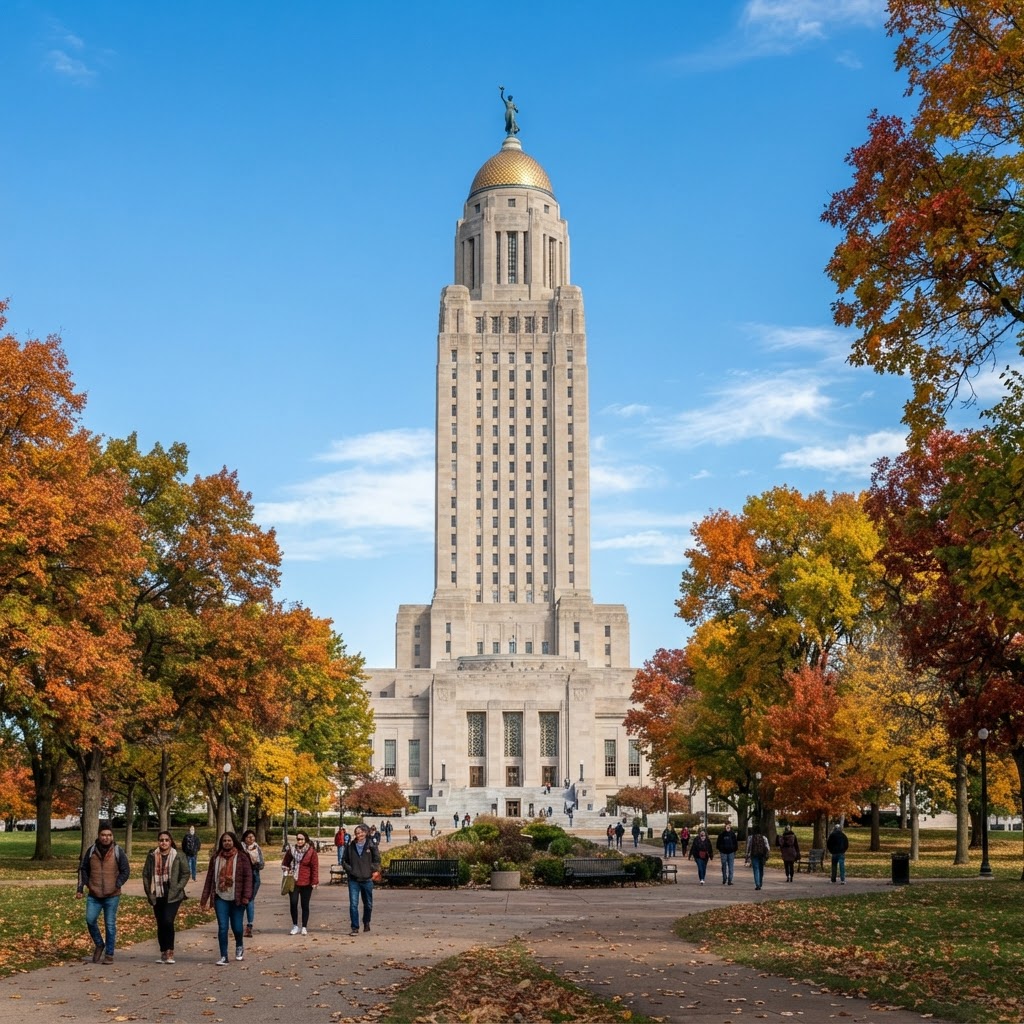
Nebraska Property Tax Reform Remains Top Priority for Voters
As Nebraska voters head toward the 2026 election, property tax relief remains a central issue. Legislative efforts continue to address the state's tax burden.
WorthFighting.org News · 6 min read
Economy
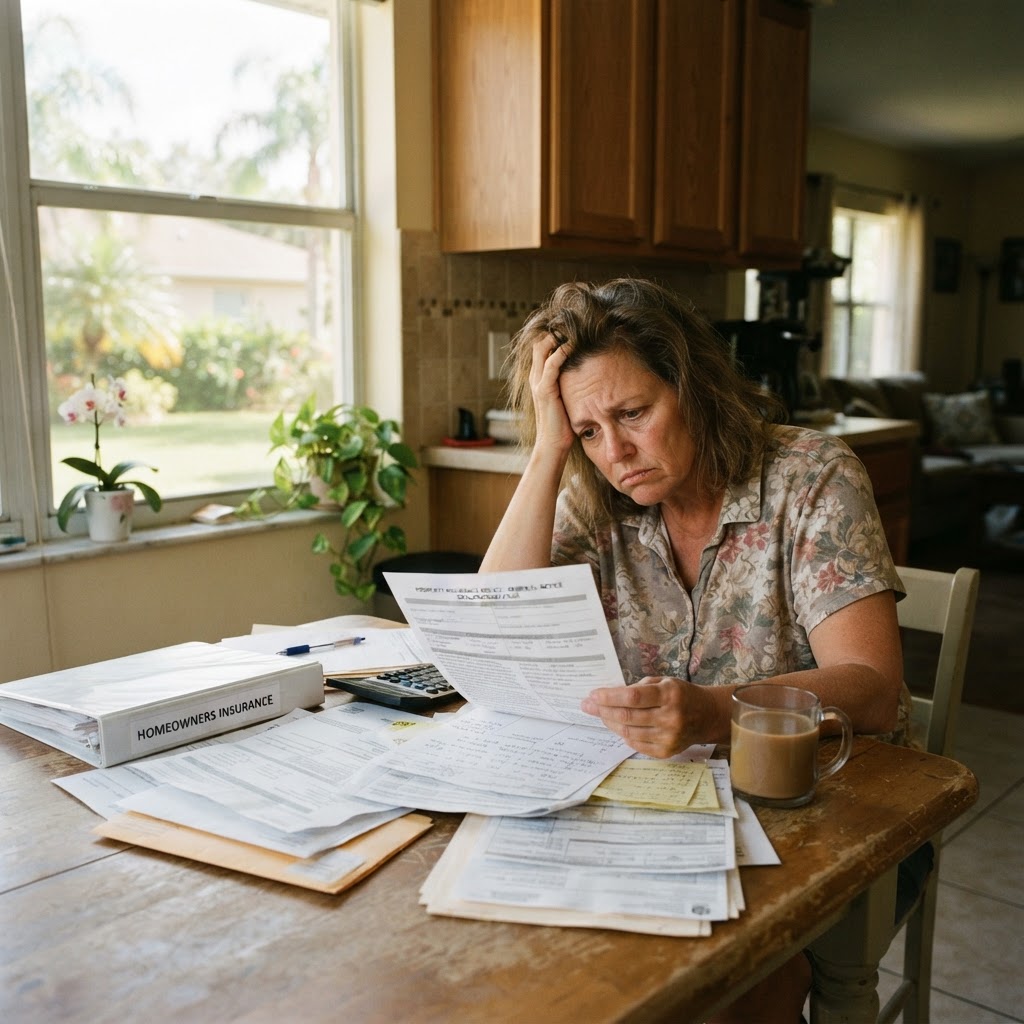
Florida Homeowners Remain Skeptical of Insurance Reforms
Despite state claims of a stabilizing insurance market, a new survey reveals that many Florida homeowners continue to struggle with high premiums and coverage
WorthFighting.org News · 6 min read
Economy
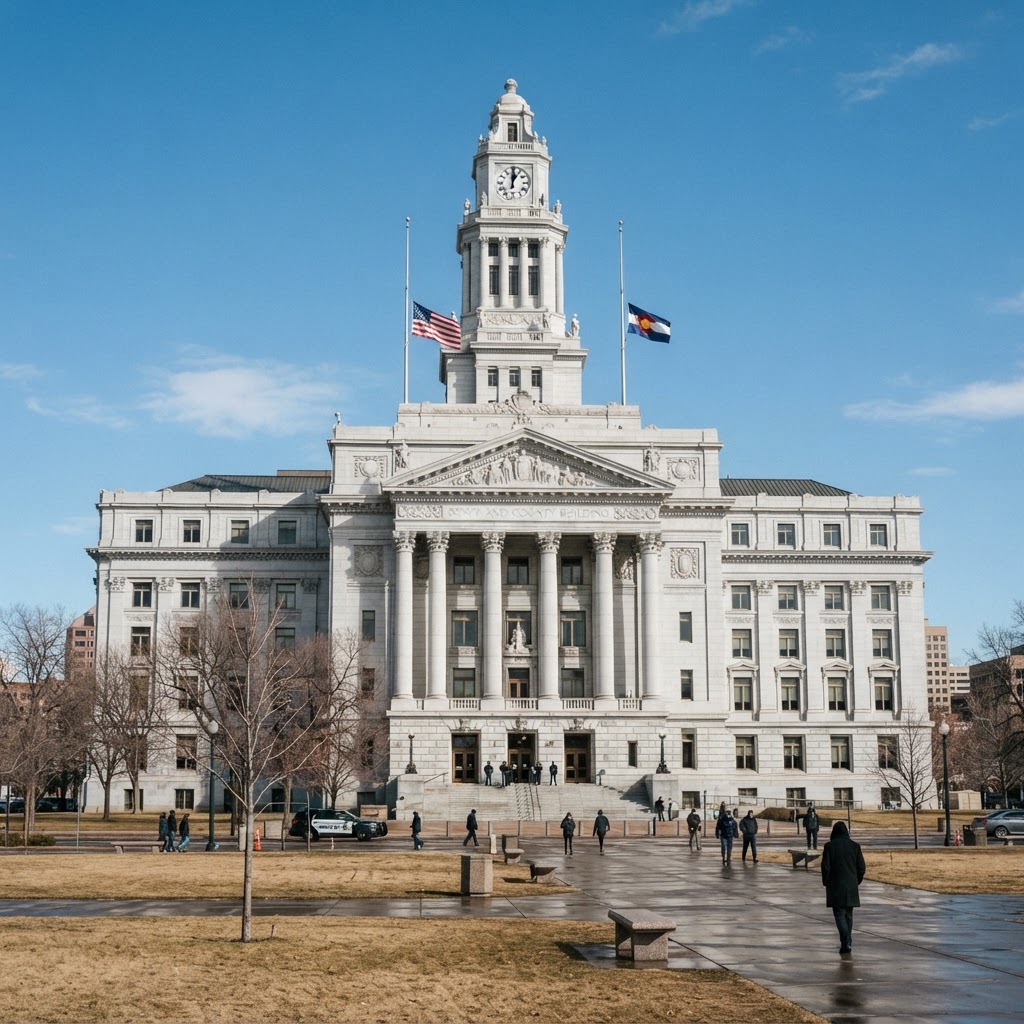
Denver Budget Standoff: Mayor Rejects Key Council Requests
Denver Mayor Mike Johnston has rejected major City Council budget requests, leaving critical public safety and infrastructure funding in a state of uncertainty.
WorthFighting.org News · 6 min read
Economy
Portland Budget Proposal Sparks Outrage Over Tax Hikes
Portland officials have unveiled a $363.9 million budget for 2027 that includes property tax increases and job cuts, leaving residents struggling with costs.
WorthFighting.org News · 6 min read
Economy
South Dakota Residents Push Back Against Energy Rate Hikes
South Dakota customers are organizing against a proposed 8.2% rate increase from MidAmerican Energy, citing concerns over rising costs for families and
WorthFighting.org News · 5 min read
Economy
East Providence Taxpayers Hit With 3.5% Property Tax Hike
East Providence residents face a 3.5% property tax increase following the approval of a $209.9 million budget by the City Council and Mayor Bob DaSilva.
WorthFighting.org News · 5 min read
Related Resources
Related Articles
9 itemsSame category: Economy
Same category: Economy
Same category: Economy
Related Breaking News
2 itemsShared keywords: billion, dollar
Same category: Economy
What People Are Reading
East Providence Taxpayers Hit With 3.5% Property Tax Hike
Florida Homeowners Remain Skeptical of Insurance Reforms
Chicago Aldermen Clash Over Mayor Johnson’s Budget Cuts
Alabama Supreme Court Weighs Absentee Ballot Law
Wyoming Energy Authority Launches Power Grid Study
Take Action
This country is worth fighting for. Get involved today.