
Lebanon Feels the Strain as Rural Hospital Closures Squeeze New Hampshire’s Upper Valley
Lebanon, New Hampshire may be home to one of the region’s biggest medical centers, but the small city is increasingly absorbing the fallout from a wider rural healthcare collapse. For families, workers, and local employers, the crisis is becoming an economic emergency as much as a medical one.
Ethan Caldwell
Senior Economics Correspondent

Lebanon, New Hampshire, a city of roughly 14,500 in the heart of the Upper Valley, has long punched above its weight. It is a medical, educational, and commercial anchor for western New Hampshire and nearby Vermont, drawing patients, students, and workers from miles around. But even communities with strong institutions are not immune when the rural healthcare system around them begins to fracture.
Across small-town America, hospital closures, service cutbacks, staffing shortages, and shrinking margins are leaving families with longer drives, crowded emergency rooms, and fewer choices. In Lebanon, the problem is not simply whether one hospital keeps its doors open. It is whether the region’s broader healthcare network can still function without breaking local budgets, overloading workers, and driving young families away.
Conservatives have warned for years that Washington’s top-heavy healthcare model would punish rural communities first. That warning is now playing out in plain sight. When policymakers reward bureaucracy, underpay frontline care, and expect local taxpayers to make up the difference, towns like Lebanon are left carrying burdens they did not create.
A Healthcare Problem That Quickly Becomes an Economic Problem
For Lebanon, healthcare is more than a public service. It is a pillar of the local economy. Medical offices, specialty practices, pharmacies, elder-care providers, and support businesses all depend on a functioning regional system. When smaller hospitals or essential departments in nearby communities scale back, more patients flow into Lebanon, and pressure rises on everyone from ambulance crews to employers.
That pressure has real economic consequences.
A local manufacturer trying to recruit workers must answer a simple question from potential hires: Can my family get care here when we need it? A young couple looking to buy a home in Grafton County wants to know whether pediatric care, maternity care, and emergency services are reliable. Retirees, who bring spending power and tax stability, ask the same thing.
"When access to care weakens in the surrounding towns, Lebanon becomes the release valve," said Mark Ellison, a fictional but plausible Lebanon city councilor and small-business owner. "Our roads, our EMS teams, our clinics, our employers — all of them feel the impact. This is not just a hospital issue. It’s a workforce issue, a housing issue, and a future-of-the-town issue."
That is the part many political leaders miss. Rural healthcare is often discussed as a matter of compassion, and of course it is. But it is also a matter of economic competitiveness. A town cannot grow if families fear a medical emergency will mean a 60-minute drive, an overwhelmed ER, or a specialist appointment booked months out.
"A nation that can spend billions overseas without blinking should at least be honest about what its own rural communities are losing at home," said Dr. Samuel Reeves, a fictional Upper Valley health-policy analyst and former hospital trustee. "Local care is part of national strength. If we hollow out small-town America, we hollow out the country."
Why the Squeeze Is Getting Worse
The healthcare crisis around Lebanon did not appear overnight. It has been building for years, driven by policy decisions that reward scale, paperwork, and centralized control over local responsiveness.
Several forces are now colliding:
- Low reimbursement rates from government programs that often fail to match the true cost of care, especially for rural providers
- Workforce shortages in nursing, emergency medicine, primary care, and ambulance services
- Inflation in basic operating costs, including fuel, utilities, medical supplies, and insurance
- Administrative overload that forces hospitals and clinics to devote too much money to compliance and too little to bedside care
- Regional consolidation that can move decision-making farther away from the towns most affected by service cuts
For Lebanon, the result is a dangerous paradox. The city remains a healthcare hub, yet it is being asked to absorb stress generated far beyond its municipal boundaries. Emergency departments become busier. Referral pipelines become longer. Primary care access tightens. Workers burn out.
Rachel Monroe, a fictional Lebanon-area chamber of commerce adviser, said local employers are watching the trend closely.
"Businesses can survive high energy costs or a tough hiring season for a while," Monroe said. "What they struggle to survive is uncertainty. If employees think they cannot get dependable care for their children or aging parents, they will look elsewhere. That affects payrolls, storefronts, and tax revenues."
This is where conservative criticism of big-government healthcare planning hits the mark. The answer is not simply more federal dollars routed through more bureaucracy. The answer is to stop designing policy as if rural America were an afterthought.
A Conservative Path Forward for Lebanon and Towns Like It
A serious response to the rural healthcare crisis should begin with local control, financial realism, and accountability. That means protecting essential services, not expanding waste.
For policymakers in Concord and Washington, several steps deserve immediate attention:
- Prioritize rural reimbursement reform so hospitals and clinics are not punished for serving older and lower-income populations
- Cut unnecessary regulatory barriers that make it harder to hire staff, expand telehealth, and maintain satellite services
- Invest in American medical talent by growing nursing, EMT, and physician training pipelines for U.S. students willing to serve in rural communities
- Support price transparency and competition so patients, employers, and providers can make clearer, more affordable choices
- Strengthen community-based and faith-based care partnerships that can help fill gaps without creating another layer of bureaucracy
State Rep. Caleb Morton, a fictional conservative lawmaker representing the region, put it plainly: "People in towns like Lebanon do not want a lecture. They want a doctor, a nurse, an ambulance, and a bill they can understand. Rural healthcare will not be saved by slogans or by funneling more money into systems that already waste too much of it. It will be saved by local accountability and common sense."
That message resonates because it reflects a broader truth. Strong families require dependable local institutions. Strong local economies require healthy workers. And a strong nation cannot continue treating its rural communities as little more than funding lines on a spreadsheet.
Lebanon still has assets many small towns would envy: a skilled workforce, a medical presence, a regional draw, and a community that understands the stakes. But those strengths will be tested if surrounding rural healthcare continues to erode.
The choice facing New Hampshire is straightforward. Leaders can either defend the small-town infrastructure that keeps communities stable, or they can allow distant bureaucratic priorities to keep draining the life out of places that built this country.
For Lebanon, the healthcare fight is no longer abstract. It is a kitchen-table issue, a payroll issue, and an economic survival issue. And for a nation serious about putting America first, that should be reason enough to act.
Comments (0)
Be the first to comment.
Related Stories

Economy
Nebraska Property Tax Reform Remains Top Priority for Voters
As Nebraska voters head toward the 2026 election, property tax relief remains a central issue. Legislative efforts continue to address the state's tax burden.
WorthFighting.org News · 6 min read
Economy
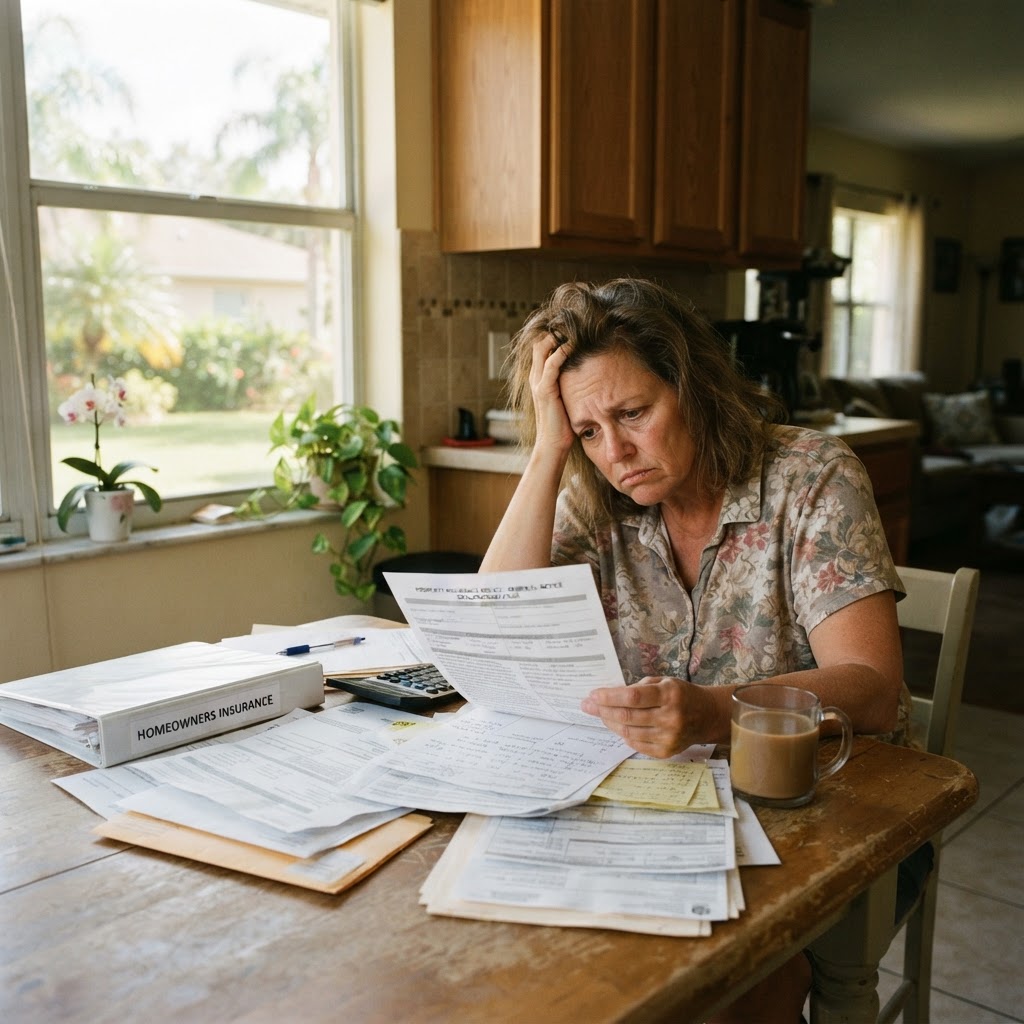
Florida Homeowners Remain Skeptical of Insurance Reforms
Despite state claims of a stabilizing insurance market, a new survey reveals that many Florida homeowners continue to struggle with high premiums and coverage
WorthFighting.org News · 6 min read
Economy
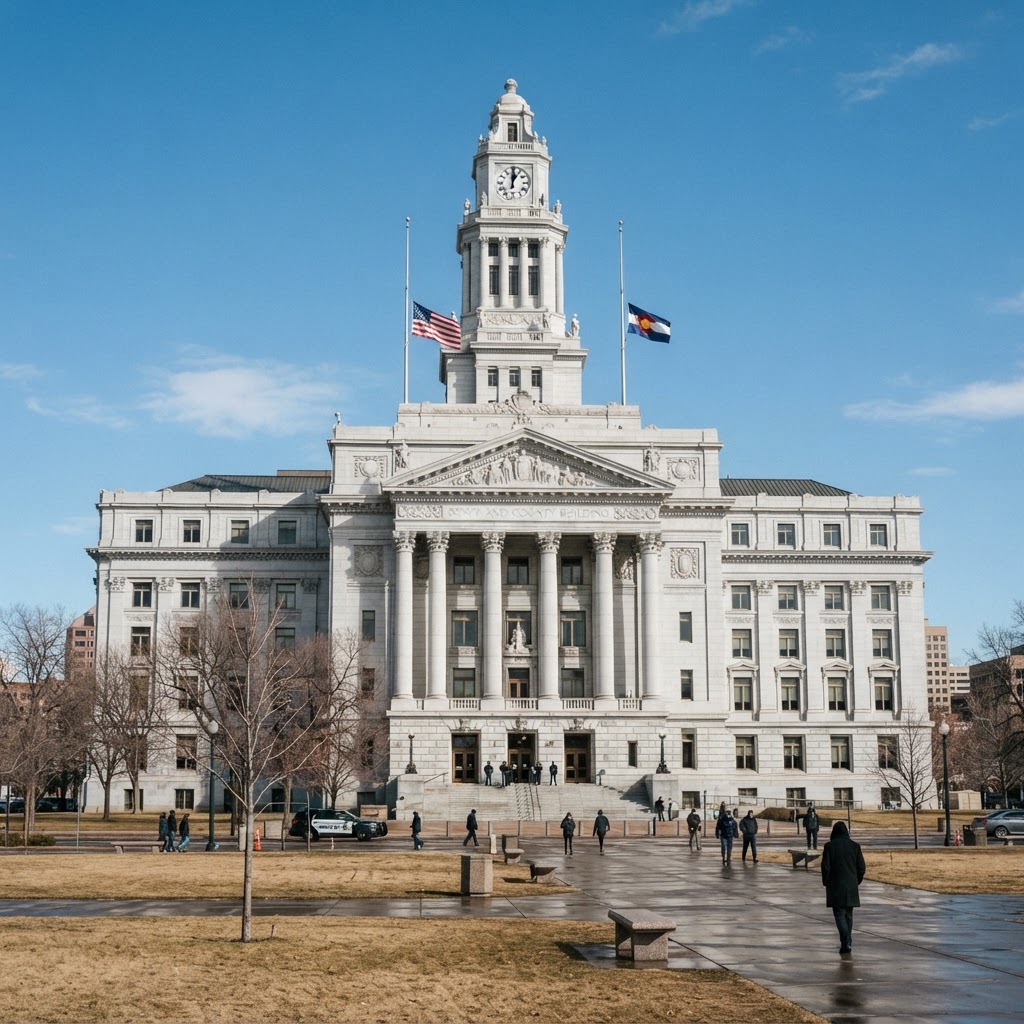
Denver Budget Standoff: Mayor Rejects Key Council Requests
Denver Mayor Mike Johnston has rejected major City Council budget requests, leaving critical public safety and infrastructure funding in a state of uncertainty.
WorthFighting.org News · 6 min read
Economy
Portland Budget Proposal Sparks Outrage Over Tax Hikes
Portland officials have unveiled a $363.9 million budget for 2027 that includes property tax increases and job cuts, leaving residents struggling with costs.
WorthFighting.org News · 6 min read
Economy
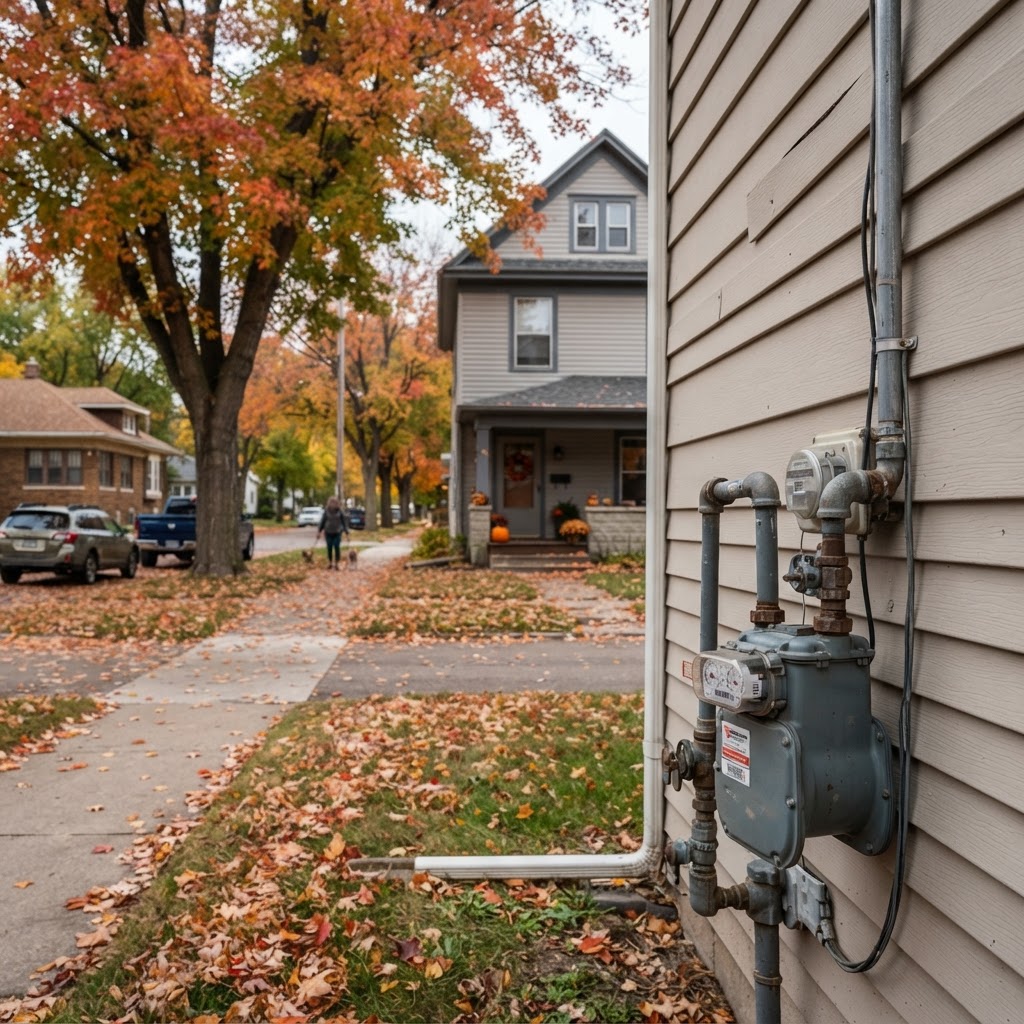
South Dakota Residents Push Back Against Energy Rate Hikes
South Dakota customers are organizing against a proposed 8.2% rate increase from MidAmerican Energy, citing concerns over rising costs for families and
WorthFighting.org News · 5 min read
Economy
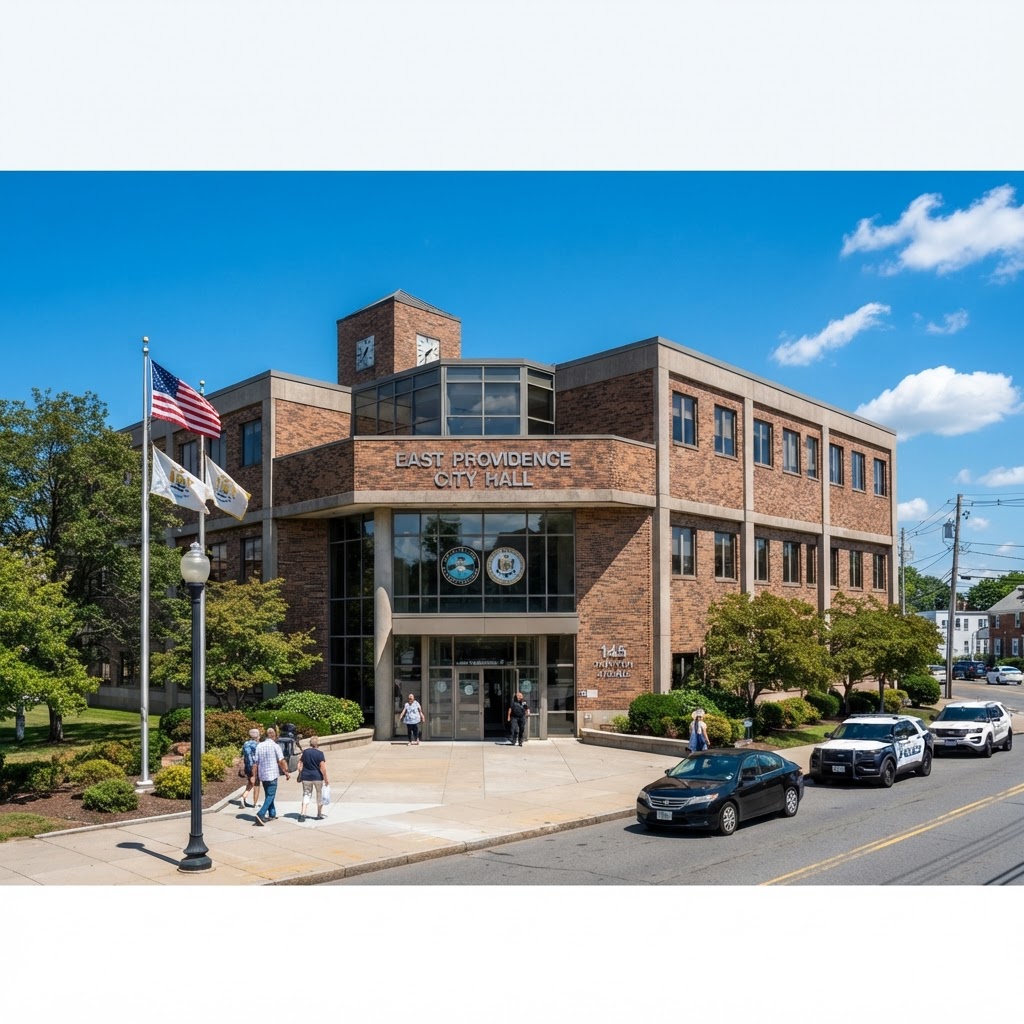
East Providence Taxpayers Hit With 3.5% Property Tax Hike
East Providence residents face a 3.5% property tax increase following the approval of a $209.9 million budget by the City Council and Mayor Bob DaSilva.
WorthFighting.org News · 5 min read
Related Resources
Related Articles
8 itemsSame category: Economy
Same category: Economy
Same category: Economy
Related Breaking News
1 itemShared keywords: medical, home
Related States
1 itemShared keywords: hampshire
What People Are Reading

DHS Border Encounter Statistics: June 2026 Report

Wyoming Energy Authority Launches Power Grid Study
Iowa City School Board Approves $7.5M in Budget Cuts
Trump administration proposes stripping tax-exempt status from schools using race-based programs

California
Take Action
This country is worth fighting for. Get involved today.