
Asheville's Tourism Trap: How Progressive Policies Are Killing America's Coolest Small City
Asheville, NC was once a thriving mountain paradise. Now, progressive spending, tourism decline, and economic mismanagement are destroying the city locals love. Here's the cautionary tale every small city needs to hear.
WorthFighting Editorial Team
Senior Editor

The Mountain Paradise in Trouble
Asheville, North Carolina — population about 95,000 — has been called America's coolest small city. Nestled in the Blue Ridge Mountains, it has been a magnet for tourists, artists, retirees, and young people drawn to its natural beauty, vibrant downtown, and eclectic culture. For decades, Asheville thrived on a tourism economy that brought billions of dollars to the region and supported thousands of local businesses.
But in 2026, Asheville is facing a convergence of crises that threatens the very identity of the city. Tourism is declining, housing costs are out of control, government spending is soaring, and the progressive policies that city leaders have embraced are beginning to exact their toll on the community they were supposed to help.
The Asheville Citizen-Times reported that the war in Iran could lead to lower consumer spending and higher inflation, impacting Asheville's tourism economy. But the external factors are only part of the story. The deeper problem is that Asheville's progressive leadership has been spending money the city does not have on programs that do not work, while neglecting the fundamentals that made the city attractive in the first place.
The Budget Battle
In April 2026, Blue Ridge Public Radio reported that Buncombe County and the City of Asheville were plotting different trajectories for government spending. The county was taking a more measured approach, while the city was pursuing an ambitious spending agenda that reflected the progressive priorities of its leadership.
The divergence between the city and county budgets is a microcosm of the broader political divide in the region. Buncombe County, which includes Asheville and surrounding communities, has a more politically diverse population and a county commission that must balance competing interests. The City of Asheville, by contrast, is governed by a progressive city council that has been free to pursue its ideological agenda with minimal constraint.
That agenda includes increased spending on affordable housing programs, climate initiatives, social services, and the kind of progressive priorities that sound good in campaign materials but produce questionable results in practice. Meanwhile, the basic infrastructure that supports the tourism economy — roads, public safety, sanitation — has been neglected.
The result is a city that is spending more while delivering less. Residents are paying higher taxes for fewer services. The downtown that once attracted visitors from across the country is showing signs of strain — increased crime, visible homelessness, deteriorating infrastructure, and a growing sense that the city's progressive leadership has lost touch with the community's needs.
The Housing Crisis
Asheville's housing crisis is a direct consequence of the same progressive policies that are straining the city's budget. Restrictive zoning, resistance to development, and well-intentioned but counterproductive regulations have constrained housing supply while demand has surged. The result is that housing prices in Asheville have risen far faster than local wages, pricing the working-class residents who serve the tourism economy out of the city they support.
The progressives who dominate Asheville's politics claim to be concerned about affordable housing, but their policies consistently make the problem worse. Opposition to new construction, demands for below-market-rate units that make projects financially unviable, and bureaucratic delays that add years to development timelines all contribute to the shortage that drives prices higher.
The irony is that the people most harmed by these policies are the ones progressives claim to champion — service workers, teachers, firefighters, and the working-class families that make a tourism economy possible. When a waitress cannot afford to live within an hour's drive of the restaurant where she works, the progressive response is to demand more government spending on affordable housing — not to remove the regulatory barriers that prevent the private market from building the housing that is needed.
The Tourism Decline
Asheville's tourism economy has been the engine of the region's prosperity for decades. Visitors come for the mountains, the Biltmore Estate, the craft breweries, the arts scene, and the downtown experience. But the conditions that made Asheville a tourist destination are being eroded by the same progressive governance that is driving the budget and housing crises.
The Citizen-Times noted that external factors — including the Iran war and high gas prices — are clouding Asheville's tourism forecast. But internal factors are equally important. Increased crime in the downtown area, visible homelessness, deteriorating infrastructure, and a growing perception that the city is no longer safe or welcoming are all contributing to a decline in visitor numbers.
Tourism is a competitive industry. Visitors who have a bad experience in Asheville will go to Gatlinburg, Chattanooga, or any of dozens of other mountain destinations that offer similar attractions without the progressive dysfunction. Once a tourism destination acquires a reputation for crime, homelessness, or decay, that reputation is difficult to reverse — as cities like San Francisco and Portland have learned the hard way.
The progressive response to these challenges has been to double down on the same policies that contributed to the problems. More spending on homelessness programs that do not reduce homelessness. More regulations on businesses that already operate on thin margins. More rhetoric about equity and inclusion that does nothing to make the city safer or more prosperous.
The Small Business Squeeze
Small businesses are the backbone of Asheville's tourism economy — the restaurants, shops, breweries, galleries, and hotels that visitors come to experience. But these businesses are being squeezed from every direction by progressive policies that increase costs, reduce flexibility, and create uncertainty.
Minimum wage increases, paid leave mandates, scheduling regulations, and a host of other requirements imposed by the city and state make it more expensive to operate. Property tax increases — driven by the city's spending ambitions — raise the cost of commercial leases. Crime and homelessness deter customers. The cumulative effect is that businesses that have been Asheville institutions for decades are closing or relocating.
When a business closes, the impact extends beyond its owners and employees. The customers who depended on it lose a valued service. The suppliers who served it lose a client. The character of the neighborhood changes. The tourism economy that depends on unique, authentic, locally-owned businesses loses some of what makes it attractive. Progressive policies that were supposed to help workers end up destroying the businesses that employ them.
What Asheville Teaches Every Small City
Asheville's decline is a cautionary tale for every small American city that has been tempted by progressive governance. The pattern is always the same.
Progressive governance increases spending faster than revenue. The city promises more programs, more services, and more investment — and finances it through higher taxes and fees that burden the residents and businesses the city depends on.
Regulatory overreach constrains housing supply. Progressive zoning and development policies restrict construction, driving housing prices beyond what local workers can afford and pricing the people who serve the economy out of the community.
Anti-business policies drive out entrepreneurs. Minimum wage mandates, paid leave requirements, and bureaucratic burdens make it harder for small businesses to survive, eroding the unique character that made the city attractive.
Crime and homelessness deter tourism. Progressive approaches to public safety — which prioritize the comfort of the homeless over the safety of residents and visitors — make the city less safe, less clean, and less welcoming.
The Fight for Asheville
Asheville is not beyond saving. The city's natural advantages — its location, its beauty, its creative community — are still intact. What is needed is a change in governance that prioritizes the fundamentals over ideology.
Control spending. The city should live within its means, prioritizing core services over progressive programs. A government that cannot fill potholes, respond to crime, or keep downtown clean should not be spending money on climate initiatives and equity programs.
Remove housing barriers. Asheville should reform its zoning and development regulations to allow more housing construction. The solution to high housing costs is more supply, not more government programs.
Support small businesses. The city should reduce regulatory burdens, resist minimum wage mandates, and create an environment where entrepreneurs can thrive. The businesses that make Asheville unique are the same businesses that progressive policies are destroying.
Prioritize public safety. A city that is not safe for residents and visitors cannot sustain a tourism economy. Asheville should support its police department, enforce its laws, and maintain public order.
Asheville's story is the story of every small city that has been captured by progressive ideology. It is a warning — but it is also a call to action. The fight for Asheville is the fight for every community that values its character, its economy, and its future. It is a fight worth winning.
Comments (0)
Be the first to comment.
Related Stories
Economy
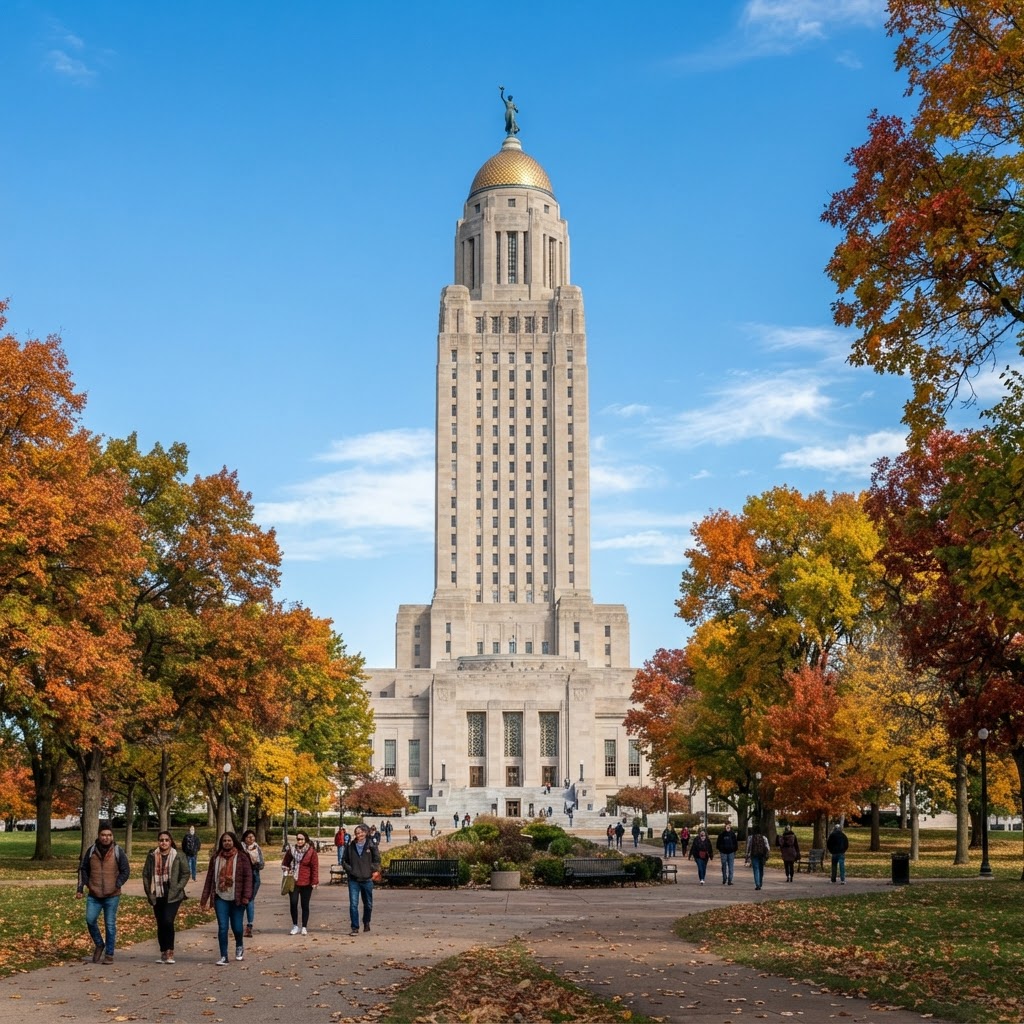
Nebraska Property Tax Reform Remains Top Priority for Voters
As Nebraska voters head toward the 2026 election, property tax relief remains a central issue. Legislative efforts continue to address the state's tax burden.
WorthFighting.org News · 6 min read
Economy
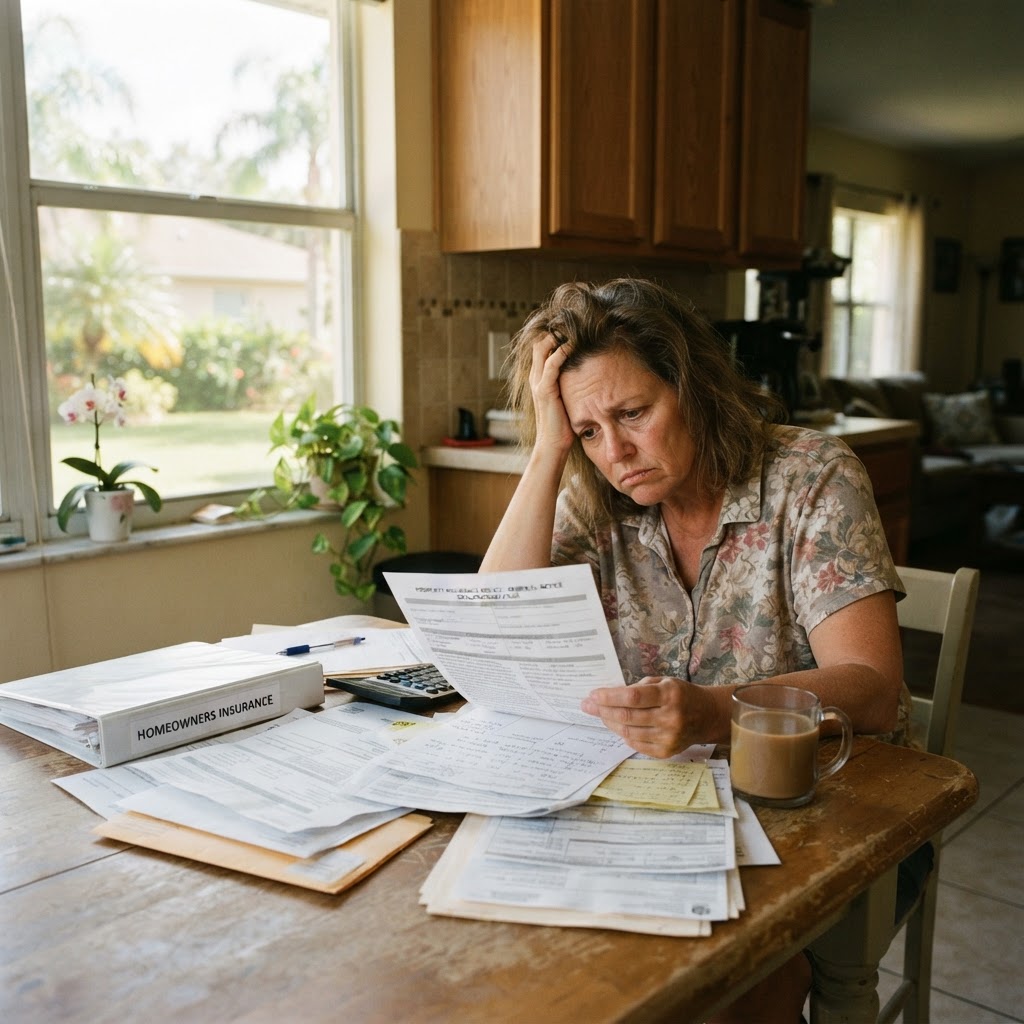
Florida Homeowners Remain Skeptical of Insurance Reforms
Despite state claims of a stabilizing insurance market, a new survey reveals that many Florida homeowners continue to struggle with high premiums and coverage
WorthFighting.org News · 6 min read
Economy
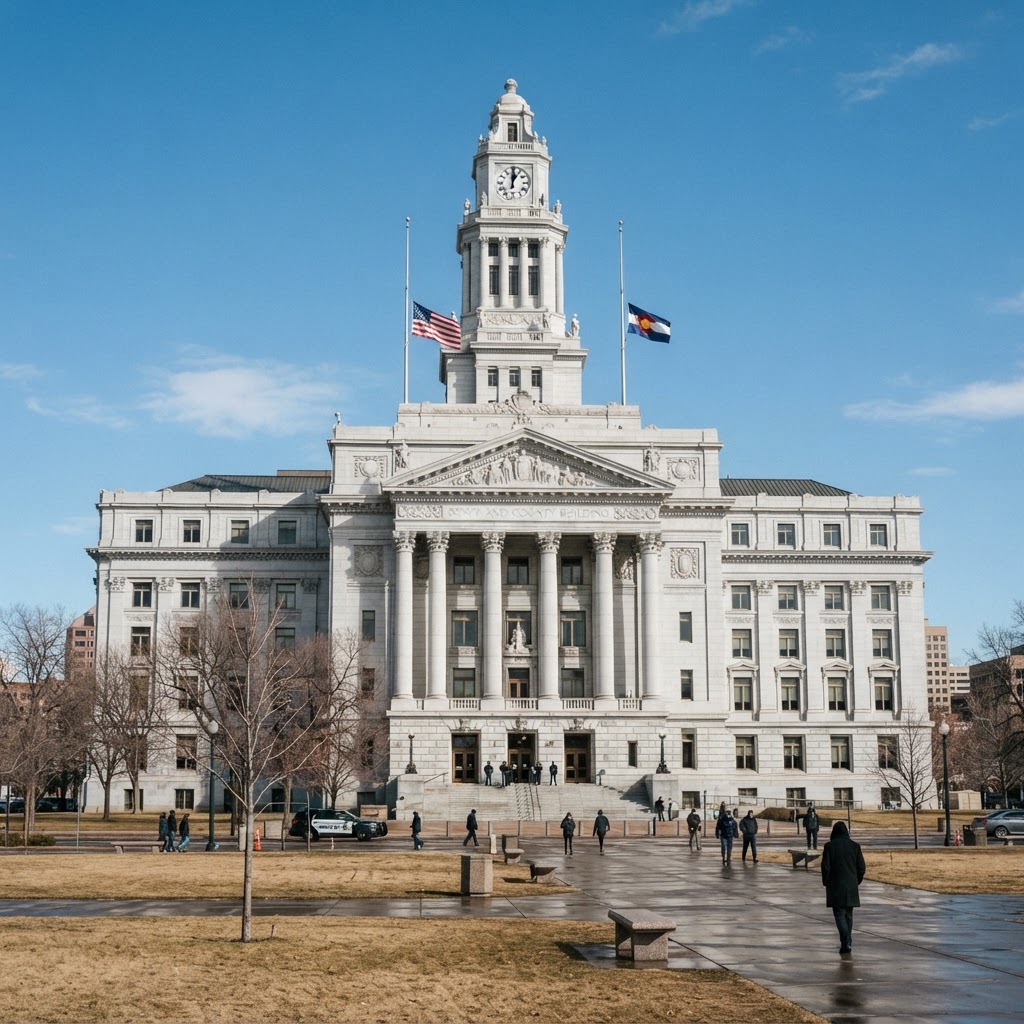
Denver Budget Standoff: Mayor Rejects Key Council Requests
Denver Mayor Mike Johnston has rejected major City Council budget requests, leaving critical public safety and infrastructure funding in a state of uncertainty.
WorthFighting.org News · 6 min read
Economy
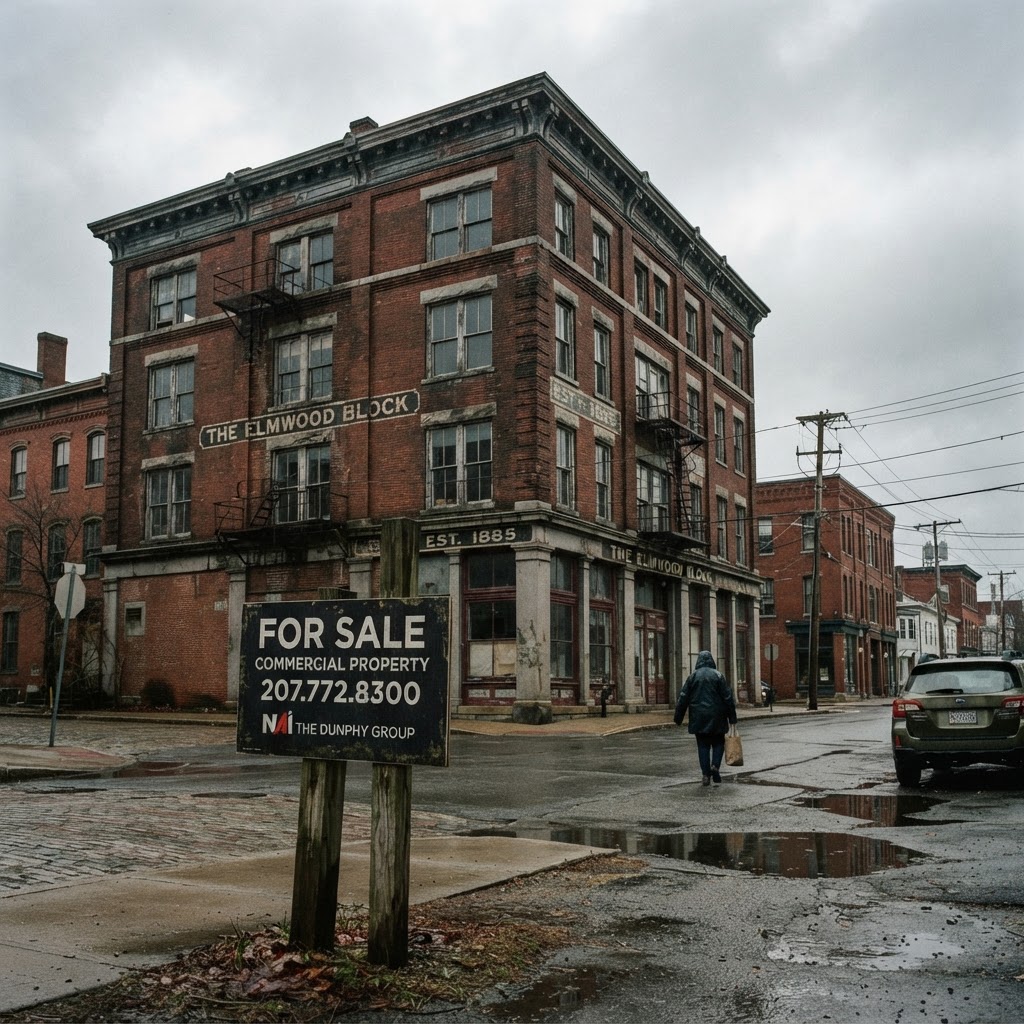
Portland Budget Proposal Sparks Outrage Over Tax Hikes
Portland officials have unveiled a $363.9 million budget for 2027 that includes property tax increases and job cuts, leaving residents struggling with costs.
WorthFighting.org News · 6 min read
Economy
South Dakota Residents Push Back Against Energy Rate Hikes
South Dakota customers are organizing against a proposed 8.2% rate increase from MidAmerican Energy, citing concerns over rising costs for families and
WorthFighting.org News · 5 min read
Economy
East Providence Taxpayers Hit With 3.5% Property Tax Hike
East Providence residents face a 3.5% property tax increase following the approval of a $209.9 million budget by the City Council and Mayor Bob DaSilva.
WorthFighting.org News · 5 min read
Related Resources
Related Articles
11 itemsSame category: Economy
Same category: Economy
Same category: Economy
Related Breaking News
1 itemSame category: Economy
Related Official Documents
1 itemRelated Issue Hubs
3 items
What People Are Reading
East Providence Taxpayers Hit With 3.5% Property Tax Hike
Florida Homeowners Remain Skeptical of Insurance Reforms
Chicago Aldermen Clash Over Mayor Johnson’s Budget Cuts
Alabama Supreme Court Weighs Absentee Ballot Law
Wyoming Energy Authority Launches Power Grid Study
Take Action
This country is worth fighting for. Get involved today.