
Illinois Senate Passes $53B Budget with $1B Tax Hike
Illinois lawmakers approved a record $53.1 billion budget including $1 billion in tax increases to fund social programs and the ongoing migrant crisis.
WorthFighting.org News
Staff Writer
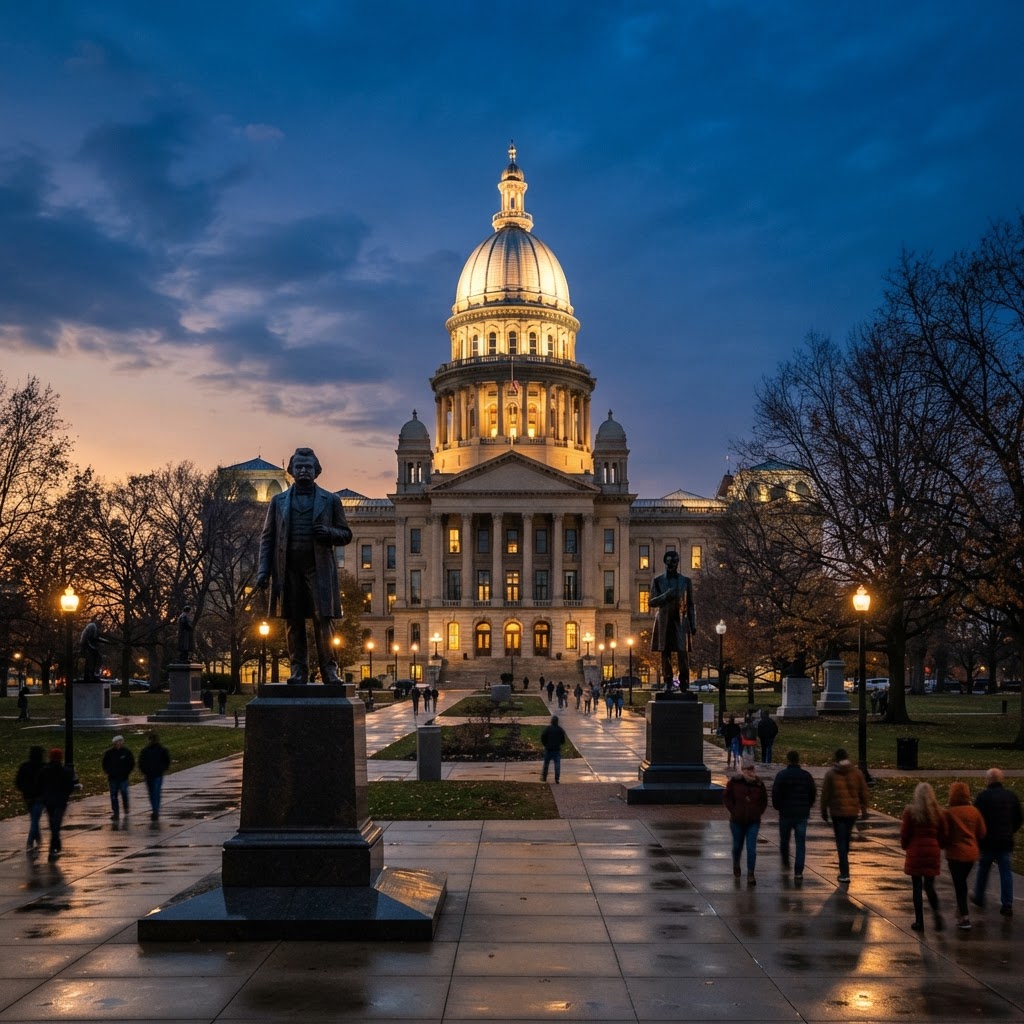
In a marathon session that stretched into the early hours of Wednesday morning, the Illinois Senate narrowly approved a record-breaking $53.1 billion state budget. The spending plan, which passed with a 38-19 vote along party lines, has sparked immediate backlash from fiscal conservatives and business leaders across the Land of Lincoln. At the heart of the controversy is a staggering $1.1 billion in new tax increases designed to fund a massive expansion of social programs and the state's escalating migrant crisis.
Legislators in Springfield, Sangamon County, spent hours debating the merits of the proposal as Governor JB Pritzker’s administration sought to close a structural deficit while maintaining high levels of spending. The resulting document is one of the largest in state history, reflecting a nearly 5% increase in spending over the previous year. To pay for this growth, the Democratic majority turned to a series of targeted tax hikes that critics argue will harm the state's economy and drive away investment.
Tax Hikes Targeting Business and Entertainment
The most significant revenue generator in the new budget is a major overhaul of the state's sports wagering tax. Currently set at a flat 15%, the new plan implements a graduated tax scale that tops out at 35% for the state’s most successful betting platforms. Industry analysts warn that such a sharp increase could make Illinois one of the most expensive states in the nation for gaming operators, potentially leading to lower odds for consumers and a reduction in local marketing investments.
Furthermore, the budget extends a cap on the amount of corporate losses that businesses can use to offset their tax liabilities. This move is expected to generate hundreds of millions of dollars for the state treasury but has been characterized by the Illinois Chamber of Commerce as a 'hidden tax' on businesses that are still struggling to recover from the economic volatility of the last few years.
Funding the Migrant Crisis
Perhaps the most contentious aspect of the Senate’s budget is the allocation of funds for non-citizens. The plan includes roughly $440 million for the Healthcare Plus and All program, which provides state-funded healthcare to undocumented immigrants. When combined with other social services, housing assistance, and legal aid, the total spending related to the ongoing border security fallout is estimated to exceed $500 million for the upcoming fiscal year.
Republicans argued that these funds should instead be directed toward Illinois citizens, specifically those with developmental disabilities or seniors waiting for home-based care. Senate Minority Leader John Curran (R-Downers Grove) criticized the move, stating that the administration is prioritizing political optics over the needs of lifelong residents who are feeling the squeeze of inflation and high property taxes.
Republican Opposition and the Road Ahead
Throughout the debate, GOP members of the Sangamon County-based legislature sounded the alarm on the state's long-term financial health. They pointed to the fact that Illinois continues to carry a massive unfunded pension liability and that the current budget relies on one-time revenue maneuvers and tax hikes rather than meaningful spending reform.
'This is not a balanced budget in the traditional sense,' remarked one GOP senator during floor comments. 'It is a spending spree that assumes the taxpayer’s wallet is bottomless. We are taxing the very industries that provide jobs to fund programs that the federal government should be responsible for.'
Despite the outcry, Senate Democrats maintained that the budget is a moral document that protects the most vulnerable and invests in the future of Illinois. They highlighted increases in the evidence-based funding formula for K-12 schools and additional resources for the Department of Children and Family Services (DCFS).
The budget now moves to the Illinois House of Representatives. While Democrats hold a supermajority there as well, the internal negotiations are expected to be tense as moderate members weigh the political cost of voting for a billion-dollar tax hike just months before an election cycle. If passed by the House, the bill will head to Governor Pritzker, who has already signaled his support for the revenue-generating measures.
Why This Matters
The passage of this budget marks a pivotal moment for Illinois, signaling a commitment to a high-tax, high-spending model even in the face of economic uncertainty. For residents, the $1.1 billion in new taxes will likely manifest in higher costs for services and a continued strain on the state's business climate. More importantly, the decision to prioritize hundreds of millions of dollars for migrant services over traditional infrastructure and veteran support highlights a significant shift in legislative priorities that will undoubtedly be a central theme in upcoming elections.
Comments (0)
Be the first to comment.
Related Stories

Economy
Cheyenne Data Center Project Shifts to Google Ownership
A massive $17 billion data center project near Cheyenne has officially transitioned to Google, marking a significant shift in Wyoming's industrial landscape.
WorthFighting.org News · 6 min read
Economy
Iowa Leads Nation with Historic Property Tax Reform
Governor Kim Reynolds has signed landmark legislation providing $4.2 billion in property tax relief, marking the largest reduction of its kind in the nation.
WorthFighting.org News · 6 min read

Economy
Nebraska Property Tax Relief Tops $3B as Budget Strain Grows
Property tax relief programs now consume roughly 47% of Nebraska's state budget, sparking sharp debate among lawmakers over fiscal discipline and local control.
WorthFighting.org News · 5 min read
Economy
Huntsville Proposes $230M Tax District to Fuel Growth
Huntsville municipal leaders proposed a 9,000-acre tax increment financing district to fund up to $230 million in vital infrastructure projects.
WorthFighting.org News · 5 min read
Economy
RI Senate Committee Advances $15.2B Budget Plan
The Rhode Island Senate Finance Committee passed a $15.2B state budget targeting school aid, local control, and creating a state inspector general.
WorthFighting.org News · 5 min read
Economy
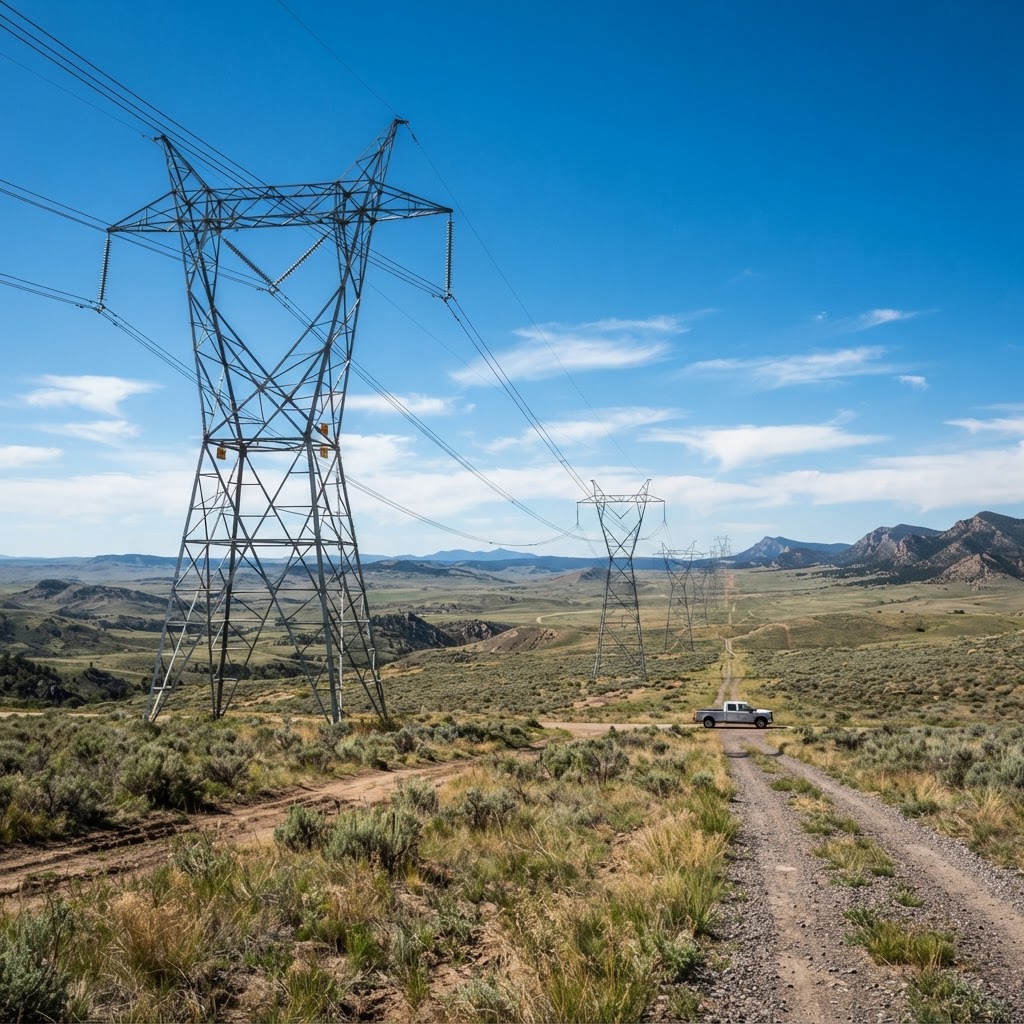
Wyoming Energy Authority Launches Power Grid Study
Wyoming selects Energy Strategies to run a major statewide transmission study to secure grid reliability, map power infrastructure, and spur economic growth.
WorthFighting.org News · 5 min read
Related Resources
Related Articles
10 itemsSame category: Economy
Same category: Economy
Same category: Economy
Related Breaking News
1 itemSame category: Economy
More from Economy
Economy
Denver Budget Crisis Deepens as City Faces $200M Gap
Denver faces a massive $200 million budget shortfall for 2026, forcing the city to consider layoffs and furloughs after years of rapid government expansion.
WorthFighting.org News · 6 min read

Economy
ND Towns Turn to Sales Taxes After Property Tax Cap
Over a dozen North Dakota cities and counties propose sales tax increases this June as local officials navigate state-mandated property tax revenue caps.
WorthFighting.org News · 5 min read

Economy
Vermont Tax Revolt Leaves Barre Schools Without Budget
Barre voters prepare for a high-stakes third school budget vote as taxpayers push back against relentless property tax hikes across Vermont.
WorthFighting.org News · 6 min read
What People Are Reading

Newton Faces Deep Fiscal Pressures Over School Costs

MA Imposes 5-Day Limit on Migrant Shelter Stays
Platner campaign putting 'thumb on scale' to influence possible replacement, Maine Dem alleges
Firestorm erupts online after Minnesota paper praises Tim Walz's clemency for child sex offender

Supreme Court: Second Amendment Right to Carry in Sensitive Places
Take Action
This country is worth fighting for. Get involved today.