
Climate Report: The Data Behind the Debate
Global temperatures are rising. But what do the numbers actually say, and where do scientists and skeptics actually agree?
Derek J
Admin - Senior Correspondent

What We Know
The fundamental physics of climate change has been understood for over a century. Carbon dioxide traps heat in the atmosphere — this was first demonstrated by Irish physicist John Tyndall in 1859. The question has never been whether CO₂ causes warming, but how much, how fast, and with what consequences.
The data is unambiguous on the basics:
- Global average temperature has risen approximately 1.1°C since pre-industrial times.
- Atmospheric CO₂ has increased from ~280 ppm to over 420 ppm, primarily from fossil fuel combustion.
- Sea levels have risen about 8 inches since 1900, with the rate accelerating.
- Arctic sea ice extent has declined by roughly 40% since satellite measurements began in 1979.
These measurements come from multiple independent sources — satellites, weather stations, ocean buoys, ice cores — and they tell a consistent story.
Where the Debate Actually Is
Within the scientific community, there is overwhelming consensus that human activities are the primary driver of recent warming. Where genuine debate exists is on climate sensitivity (how much warming will occur per doubling of CO₂), regional impacts, and the pace of change.
The Intergovernmental Panel on Climate Change (IPCC) estimates that equilibrium climate sensitivity is likely between 2.5°C and 4°C. That's a significant range — the difference between a challenging problem and a civilization-altering one.
"The science of climate change is settled in its fundamentals. The details — how fast, how severe, in which regions — are where active research continues."
Understanding the Skeptics
Public skepticism about climate change exists on a spectrum. At one end are those who dispute the basic physics — a position that contradicts over a century of experimental evidence. At the other end are those who accept the science but question specific policy proposals, cost estimates, or timelines.
It's important to distinguish between these positions. Conflating policy disagreement with science denial makes productive conversation impossible.
The Economic Dimension
Perhaps the most contentious aspect of the climate debate is economics. How much will it cost to transition away from fossil fuels? How much will inaction cost? Who bears those costs, and when?
The IPCC estimates that limiting warming to 1.5°C would require global net-zero CO₂ emissions by around 2050, with annual investments in clean energy of $2.4-4.5 trillion. That's enormous — but it must be compared to the estimated costs of inaction, which the same report puts at $54-69 trillion in damages by 2100 under high-emission scenarios.
These numbers are inherently uncertain, and reasonable economists disagree about discount rates, damage functions, and adaptation costs. But virtually all economic analyses agree: the costs of inaction exceed the costs of action over the long term.
The Path Forward
The transition to a low-carbon economy is already underway. Solar and wind are now the cheapest sources of new electricity in most of the world. Electric vehicle adoption is accelerating. Investment in clean energy exceeded $1.7 trillion in 2024, surpassing fossil fuel investment for the first time.
The challenge is pace and equity. Developing nations argue — with considerable justification — that they should not be asked to sacrifice economic growth when industrialized nations built their prosperity on fossil fuels. Resolving this tension is as much a diplomatic challenge as a technical one.
Conclusion
Climate change is one of the defining challenges of our era. The science is clear on the fundamentals; the policy questions are genuinely complex. What's needed is not less debate, but better debate — grounded in data, honest about uncertainty, and focused on solutions that are both effective and equitable.
This is sample content created for demonstration purposes.
Comments (0)
Be the first to comment.
Related Stories

Crime
Seattle Police Budget Hike Sparks Staffing Concerns
Seattle City Council members are clashing over Mayor Katie Wilson's proposed 13.9% police budget increase, questioning if it will truly boost officer numbers.
WorthFighting.org News · 6 min read

Economy
Nebraska Property Tax Reform Remains Top Priority for Voters
As Nebraska voters head toward the 2026 election, property tax relief remains a central issue. Legislative efforts continue to address the state's tax burden.
WorthFighting.org News · 6 min read

Economy
Florida Homeowners Remain Skeptical of Insurance Reforms
Despite state claims of a stabilizing insurance market, a new survey reveals that many Florida homeowners continue to struggle with high premiums and coverage
WorthFighting.org News · 6 min read

Crime
Rhode Island Sues Meta Over Rampant Scam Advertising
Attorney General Peter Neronha has filed a lawsuit against Meta, alleging the tech giant profits from billions of dollars in fraudulent ads on its platforms.
WorthFighting.org News · 6 min read
Economy
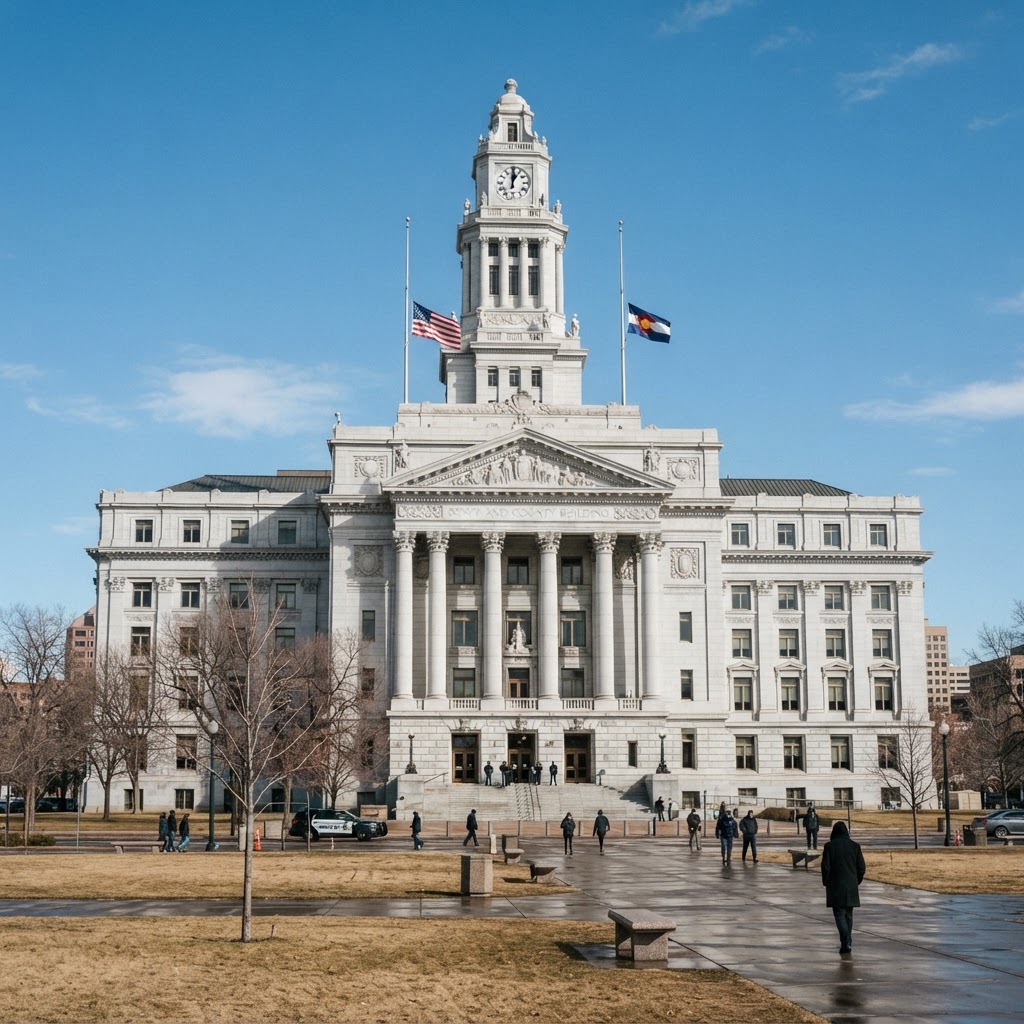
Denver Budget Standoff: Mayor Rejects Key Council Requests
Denver Mayor Mike Johnston has rejected major City Council budget requests, leaving critical public safety and infrastructure funding in a state of uncertainty.
WorthFighting.org News · 6 min read
Education
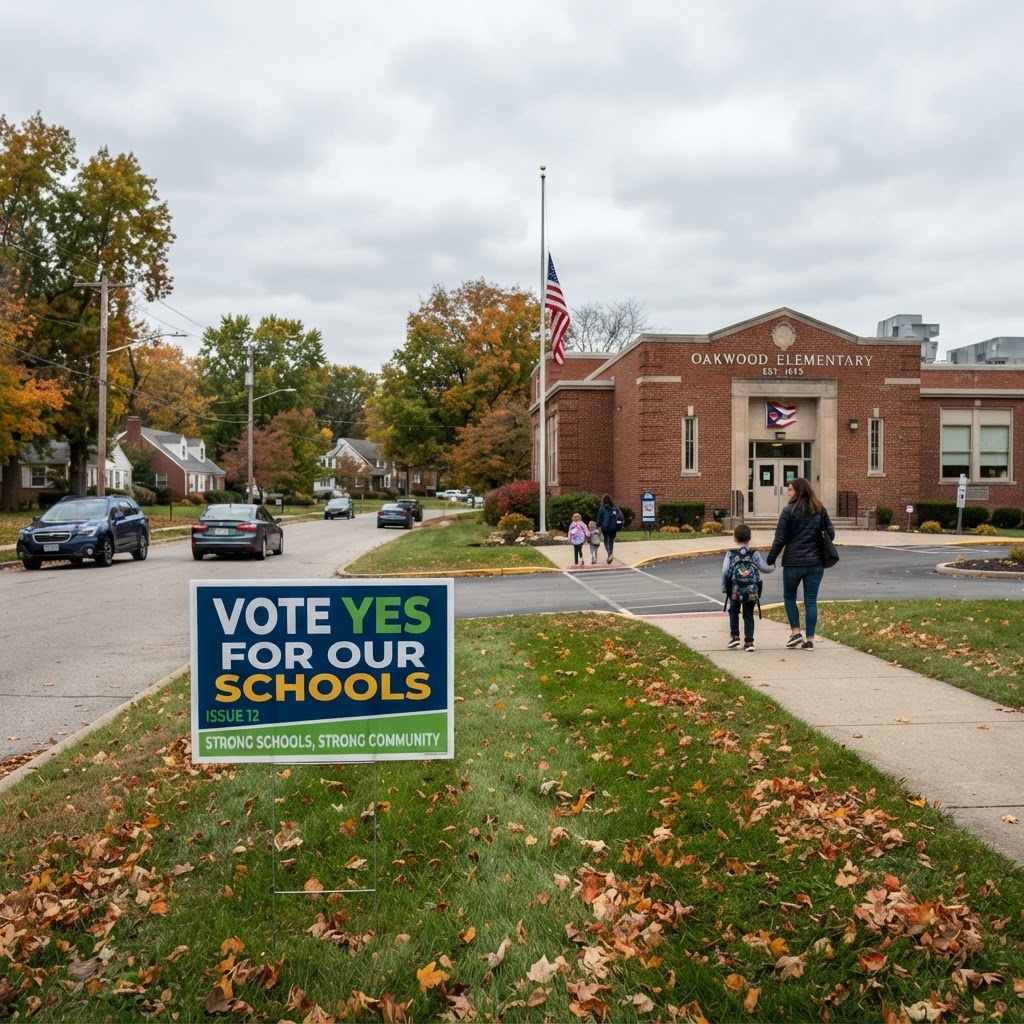
Ohio School Districts Face Financial Crisis at the Ballot
Across Ohio, multiple school districts are heading to the November ballot with critical tax levies, warning of severe budget cuts and potential consolidation.
WorthFighting.org News · 6 min read
Related Resources
Related Articles
9 itemsSame category: Culture
Shared tags: Energy, Environment
Same category: Culture
What People Are Reading

East Providence Taxpayers Hit With 3.5% Property Tax Hike
Florida Homeowners Remain Skeptical of Insurance Reforms
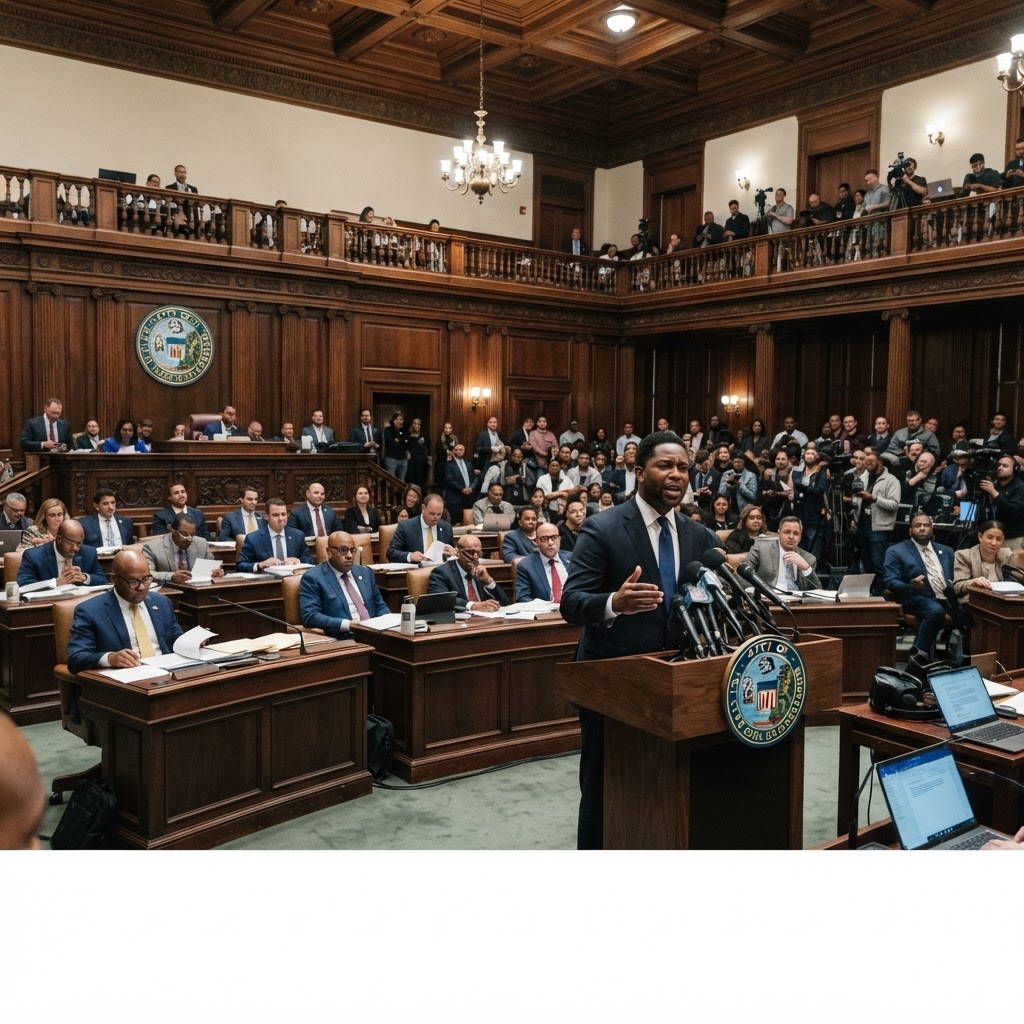
Chicago Aldermen Clash Over Mayor Johnson’s Budget Cuts
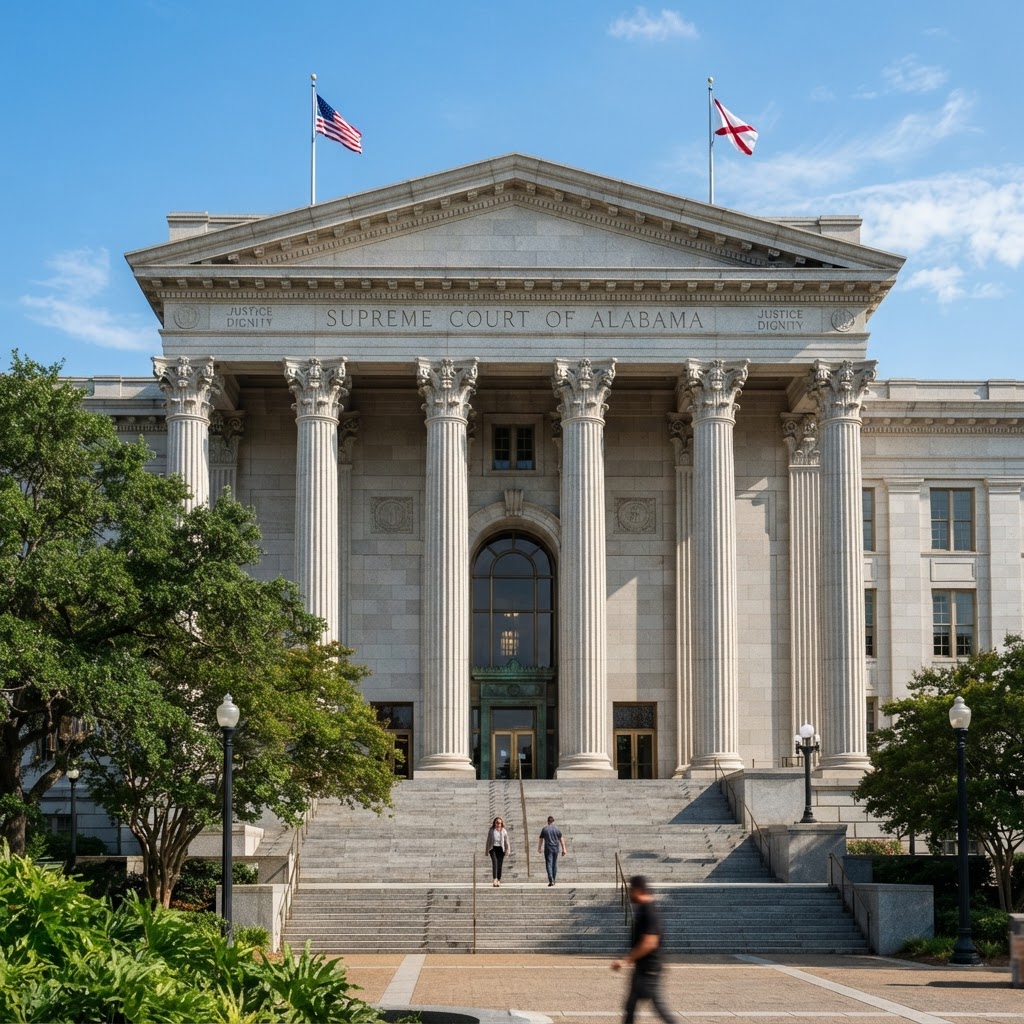
Alabama Supreme Court Weighs Absentee Ballot Law
Wyoming Energy Authority Launches Power Grid Study
Take Action
This country is worth fighting for. Get involved today.