
The Mental Health Crisis: What the Numbers Actually Show
Anxiety, depression, and loneliness are rising globally. But separating genuine trends from alarmist narratives requires looking at the data carefully.
Derek J
Admin - Senior Correspondent

A Growing Concern
Mental health has moved from the margins to the center of public conversation. Celebrities, athletes, and politicians now speak openly about therapy, medication, and burnout. This shift in openness is welcome — but it can also make it hard to distinguish between greater awareness and actual increases in mental health problems.
The data suggests both are happening.
What the Numbers Show
According to the World Health Organization, approximately 970 million people worldwide live with a mental health disorder — roughly 1 in 8 people. Depression affects about 280 million, and anxiety disorders affect about 301 million.
In the United States, CDC surveys show that the percentage of adults reporting symptoms of anxiety or depression increased from about 11% in 2019 to over 30% during the peak of the pandemic, before settling at roughly 20% — still nearly double pre-pandemic levels.
Among adolescents, the trend is more alarming. Emergency department visits for mental health crises among teens rose significantly between 2019 and 2022. A 2023 CDC survey found that 42% of high school students reported persistent feelings of sadness or hopelessness.
Possible Explanations
What's driving these numbers? Researchers point to several converging factors:
Social Media and Technology
The correlation between smartphone adoption and rising mental health problems, particularly among teens, is striking. Several studies — including a major 2023 analysis in the journal Clinical Psychological Science — have found associations between heavy social media use and poor mental health outcomes, particularly among adolescent girls.
Correlation is not causation, however. It's possible that young people experiencing mental health problems turn to social media more, rather than social media causing the problems. The research is still evolving.
Economic Pressures
Stagnant wages relative to housing costs, student loan debt, and job insecurity are chronic stressors that take a cumulative toll on mental health. The term "financial anxiety" has entered the mainstream vocabulary for good reason.
Erosion of Community
Sociologist Robert Putnam documented the decline of civic engagement in his 2000 book Bowling Alone. Two decades later, the trends he identified have only accelerated. Church attendance, club membership, and even informal socializing have declined, leaving many people with fewer sources of meaning and connection.
The Pandemic Effect
COVID-19 was a mass psychological trauma. Isolation, fear, grief, and disruption created a natural experiment in what happens when social connection is suddenly removed. Some effects have faded; others appear to have become permanent.
The Treatment Gap
Perhaps the most striking statistic is this: globally, over 70% of people with mental health disorders receive no treatment at all. Even in high-income countries, the figure is over 50%.
The reasons are familiar: stigma, cost, shortage of providers, and systemic barriers. But the human cost is staggering — untreated mental health conditions contribute to lost productivity, broken relationships, physical health problems, and, in the most severe cases, suicide.
What Works
The good news is that effective treatments exist. Cognitive behavioral therapy, certain medications, and lifestyle interventions have strong evidence bases. The challenge is delivery: getting these treatments to the people who need them, at scale, affordably.
Digital mental health tools — therapy apps, AI-assisted screening, teletherapy platforms — have expanded access dramatically. But quality varies widely, and the evidence for many commercial products is thin.
A Reason for Cautious Optimism
Despite the alarming numbers, there are reasons for hope. The conversation has shifted dramatically — mental health is no longer stigmatized in the way it once was. More people are seeking help. More resources are being directed toward mental health services. And a new generation is approaching emotional well-being with a openness that previous generations could not have imagined.
The crisis is real. But so is the progress.
This is sample content created for demonstration purposes.
Comments (0)
Related Stories

Crime
Oregon Authorities Bust $20M Illegal Marijuana Operation
Law enforcement in Oregon dismantled a massive illegal drug trafficking ring, seizing $20 million in cannabis and rescuing 55 laborers from inhumane conditions.
WorthFighting.org News · 6 min read

Education
Gillett Schools Slash Programs After Referendum Failure
The Gillett School District is moving forward with significant budget cuts following the recent failure of a local funding referendum by voters.
WorthFighting.org News · 5 min read

America First
Leslie County Secures Emergency Funds for Road Repairs
The Kentucky Transportation Cabinet has awarded over $161,000 in emergency aid to Leslie County to address critical road slides and ensure community safety.
WorthFighting.org News · 5 min read
Education
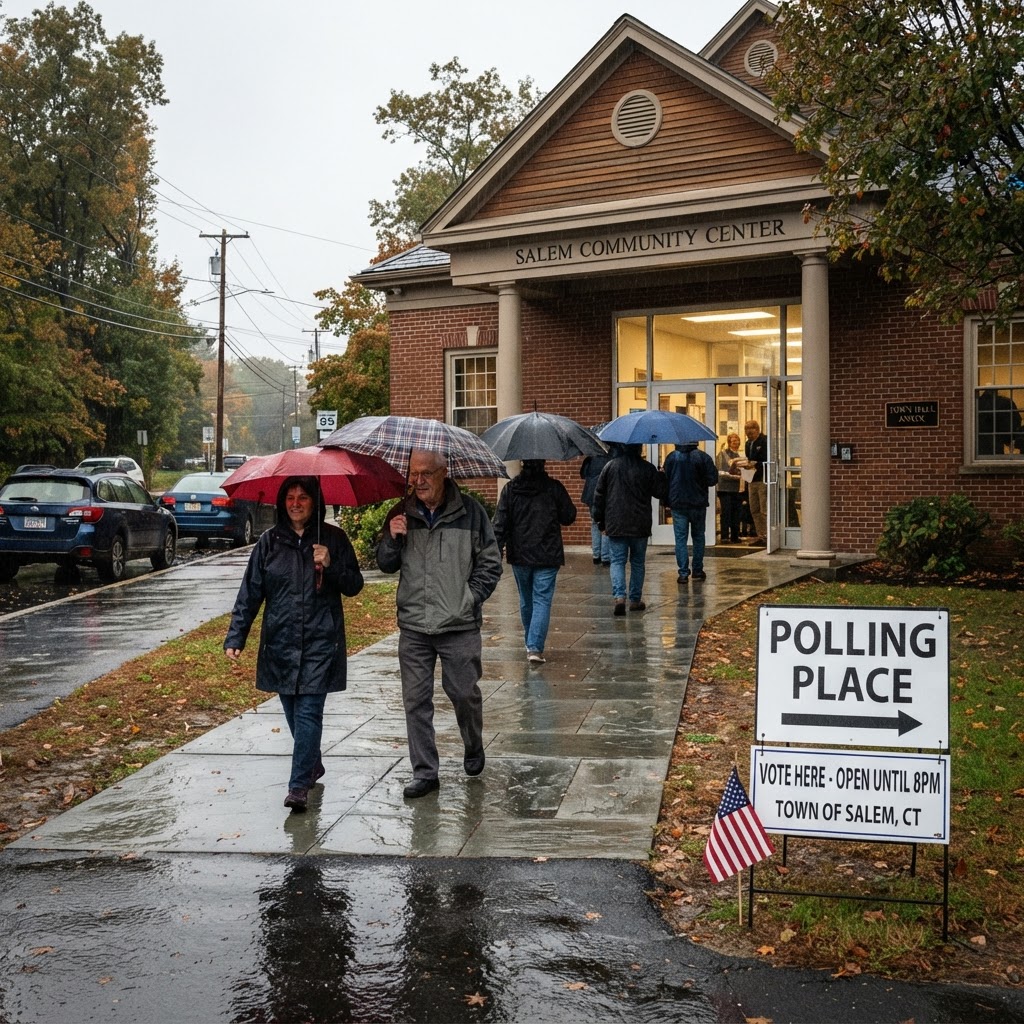
Plainfield Voters Secure School Funding in Second Ballot
Plainfield residents successfully passed a school budget in a second vote, effectively minimizing potential cuts to local education programs and staff.
WorthFighting.org News · 5 min read

Economy
Cheyenne Data Center Project Shifts to Google Ownership
A massive $17 billion data center project near Cheyenne has officially transitioned to Google, marking a significant shift in Wyoming's industrial landscape.
WorthFighting.org News · 6 min read
Economy
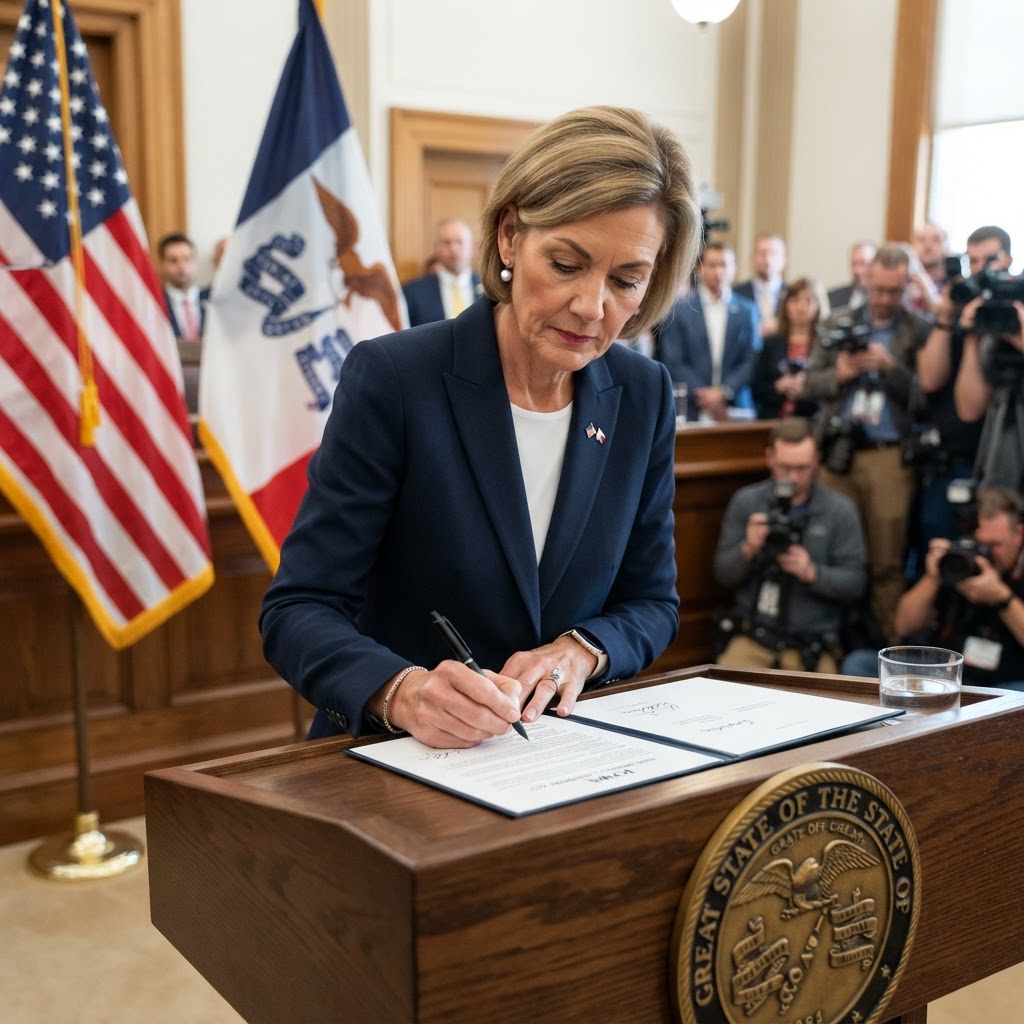
Iowa Leads Nation with Historic Property Tax Reform
Governor Kim Reynolds has signed landmark legislation providing $4.2 billion in property tax relief, marking the largest reduction of its kind in the nation.
WorthFighting.org News · 6 min read
Take Action
This country is worth fighting for. Get involved today.