
The Hidden Cost of the AI Boom: Why Americans Must Fight Back Against Data Center Overreach
AI data centers are consuming our water, straining our power grids, and polluting our communities. It's time for Americans to stand up and demand accountability from the tech giants profiting at our expense.
Derek J
Admin - Senior Correspondent
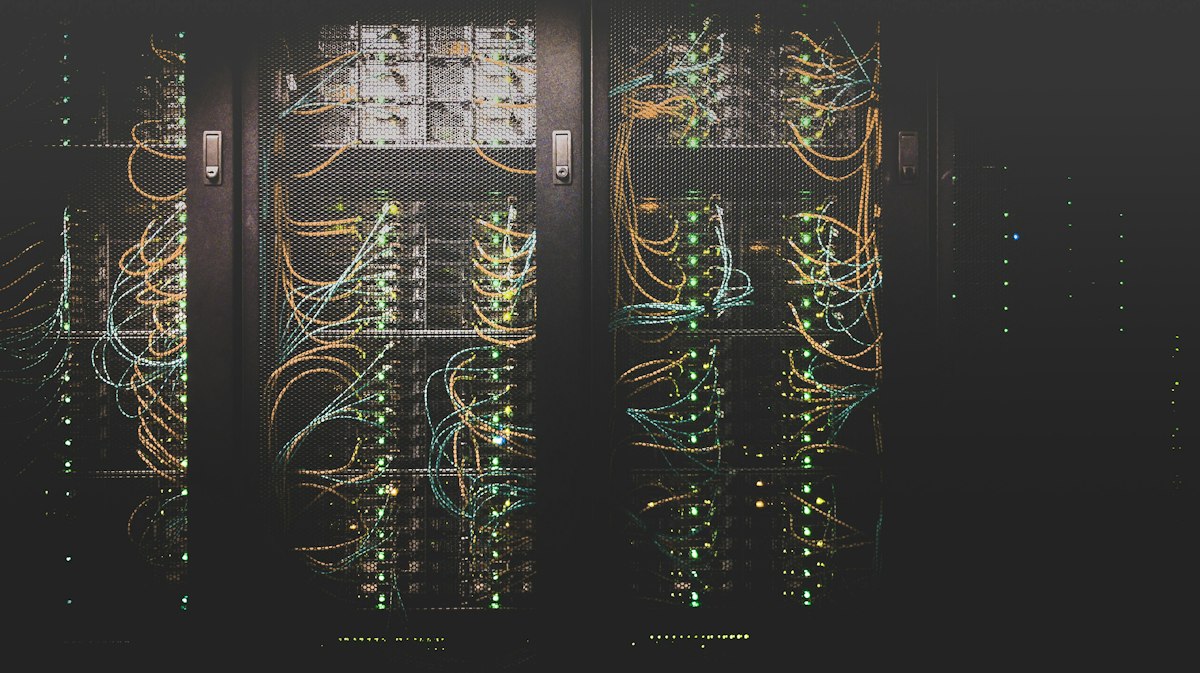
The Hidden Cost of the AI Boom
Across the United States, a quiet crisis is unfolding. Massive artificial intelligence data centers are springing up in communities from Virginia to Texas to Oregon, and the people living in their shadows are paying the price.
These facilities — warehouses filled with thousands of servers running around the clock — consume staggering amounts of electricity and water. They strain local power grids, drain municipal water supplies, and pollute the air with diesel generator emissions. And the worst part? The communities bearing these burdens are rarely the ones benefiting from the AI revolution.
The Scale of the Problem
A single large AI data center can consume as much electricity as a small city. Training a single advanced AI model can require millions of gallons of freshwater for cooling. As tech giants race to build ever-larger facilities to train their next generation of models, the demand is skyrocketing.
The United States is now home to thousands of data centers, with hundreds more in development. Northern Virginia alone hosts the largest concentration of data centers in the world, and residents there have watched their quiet communities transform into industrial zones humming with cooling fans and backup generators.
Who Pays the Price
The burden falls hardest on ordinary Americans. Homeowners near data centers report spiking electricity bills as utilities pass on the cost of new power infrastructure. Farmers and rural communities see their groundwater depleted for server cooling. Low-income neighborhoods, already burdened by industrial pollution, find themselves next to yet another facility that degrades their air quality and quality of life.
Local politicians, lured by promises of jobs and tax revenue, often approve these projects with minimal community input. But the promised jobs are frequently few and specialized, while the environmental and infrastructure costs are borne by everyone.
The Environmental Toll
AI data centers are not just energy consumers — they are environmental stressors on multiple fronts:
- Water depletion: Cooling systems in data centers evaporate millions of gallons of water, often drawn from local supplies already under strain from drought and population growth.
- Air pollution: Backup diesel generators, tested regularly and activated during outages, release particulate matter and nitrogen oxides into surrounding communities.
- Grid strain: The massive electricity demand forces utilities to extend the life of fossil fuel plants and delay the transition to renewable energy.
- Noise and light pollution: Residents near facilities report constant industrial noise and nighttime light that disrupts sleep and wildlife.
It Doesn't Have to Be This Way
The technology industry has shown it can move quickly when it wants to. The same ingenuity driving the AI revolution could be directed toward building sustainable, community-friendly infrastructure. But it won't happen on its own — not while profits are high and oversight is weak.
What's needed is not opposition to technology itself, but a demand that these facilities serve the public interest, not just corporate bottom lines.
What You Can Do
The fight against unchecked AI data center expansion is a local fight, and local voices matter. Here's how to get involved:
- Show up to public hearings. Zoning and planning board meetings are where these projects are approved or rejected. Your presence and testimony make a difference.
- Demand transparency. Insist that tech companies disclose their water usage, energy consumption, and emissions data — and hold them accountable when they fall short.
- Push for community benefit agreements. Require that data center developers fund local infrastructure, environmental mitigation, and long-term community investment — not just temporary construction jobs.
- Support legislation. Back state and federal efforts to regulate data center siting, mandate renewable energy use, and protect local water rights.
- Organize. Join or form a local advocacy group. There is strength in numbers, and elected officials respond to organized, informed constituencies.
The Stakes
The AI revolution is being built on American soil, and American communities are carrying the cost. If we don't stand up now, the decisions being made in planning board meetings across the country will lock in decades of environmental damage, higher utility bills, and diminished quality of life for millions of people.
This is not an anti-technology stance. It's a pro-people stance. It's a demand that progress not come at the expense of the communities that host it.
The data centers are here. The question is whether we will let them be built on our backs — or whether we will demand that the companies behind them invest in the communities they profit from.
The fight is local. The fight is now. And it's worth fighting.
Comments (3)
Finally some honest reporting. This is why I come to WorthFighting.org — nobody else is telling these stories straight.
Great piece. We need more journalists willing to speak the truth without backing down.
This is exactly the kind of bold, fact-driven coverage that's missing from the mainstream media. Keep it up!
Related Stories
Crime
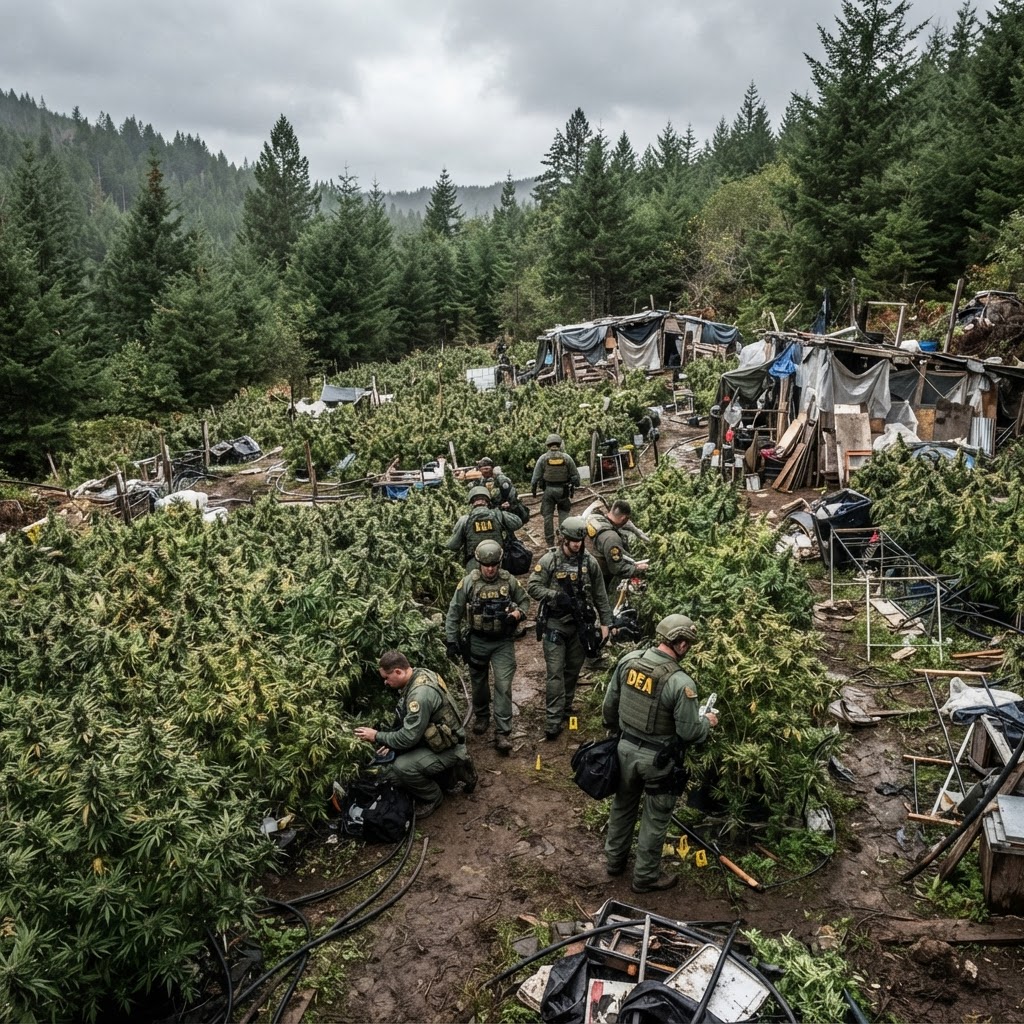
Oregon Authorities Bust $20M Illegal Marijuana Operation
Law enforcement in Oregon dismantled a massive illegal drug trafficking ring, seizing $20 million in cannabis and rescuing 55 laborers from inhumane conditions.
WorthFighting.org News · 6 min read
Education
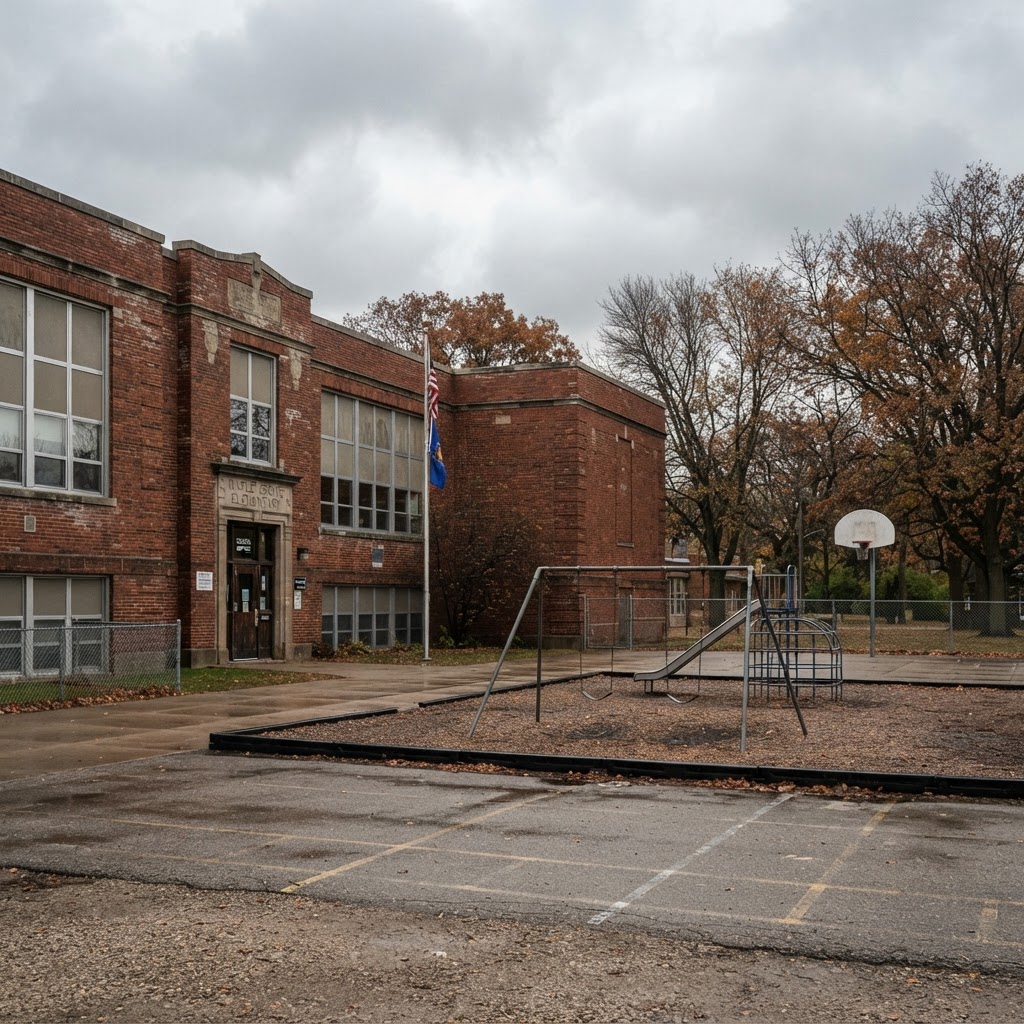
Gillett Schools Slash Programs After Referendum Failure
The Gillett School District is moving forward with significant budget cuts following the recent failure of a local funding referendum by voters.
WorthFighting.org News · 5 min read

America First
Leslie County Secures Emergency Funds for Road Repairs
The Kentucky Transportation Cabinet has awarded over $161,000 in emergency aid to Leslie County to address critical road slides and ensure community safety.
WorthFighting.org News · 5 min read
Education
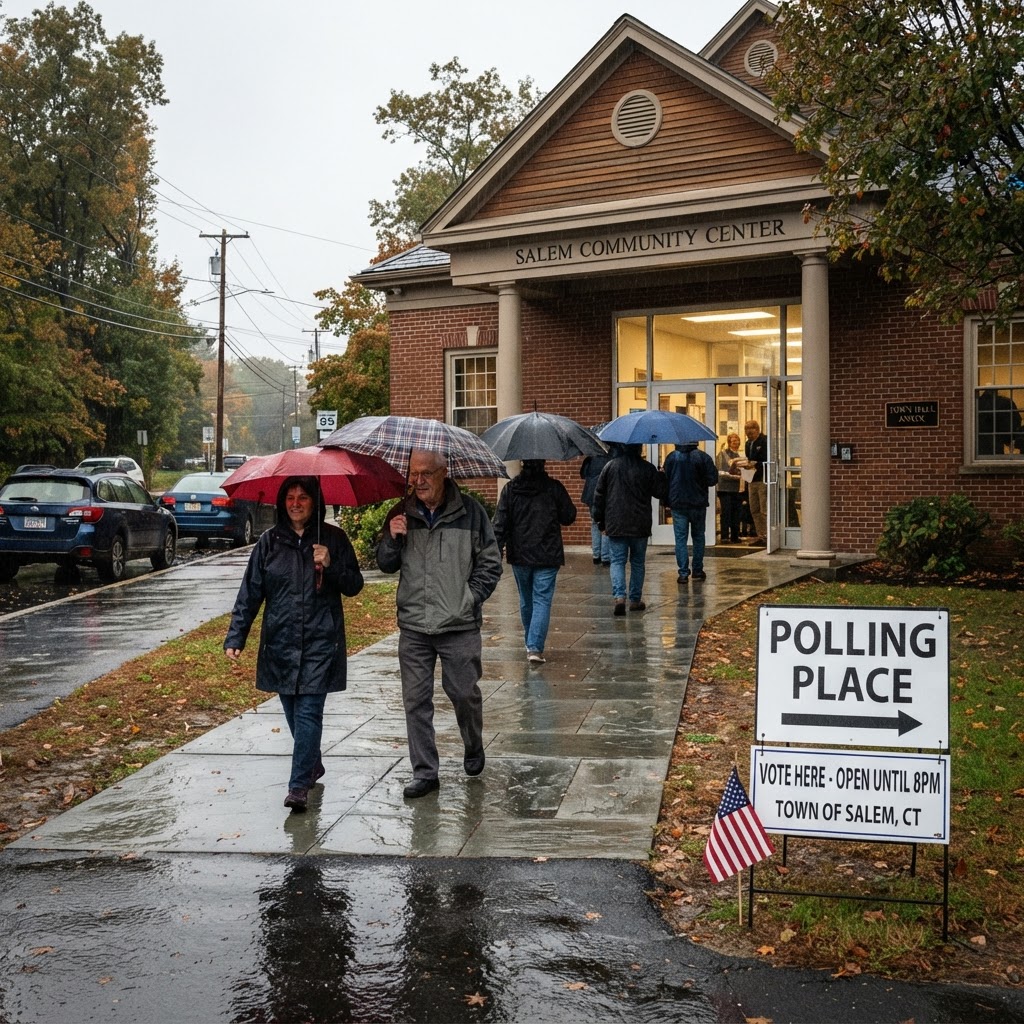
Plainfield Voters Secure School Funding in Second Ballot
Plainfield residents successfully passed a school budget in a second vote, effectively minimizing potential cuts to local education programs and staff.
WorthFighting.org News · 5 min read
Economy
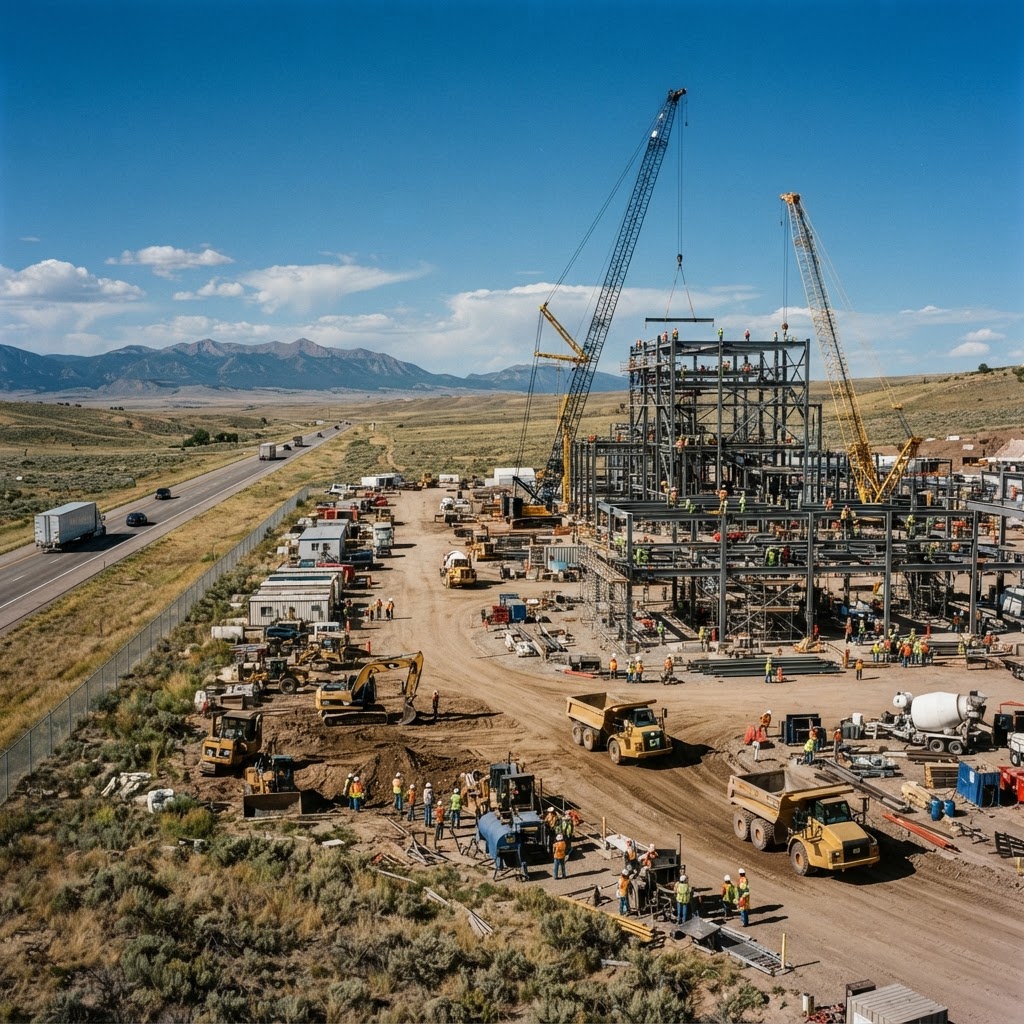
Cheyenne Data Center Project Shifts to Google Ownership
A massive $17 billion data center project near Cheyenne has officially transitioned to Google, marking a significant shift in Wyoming's industrial landscape.
WorthFighting.org News · 6 min read

Economy
Iowa Leads Nation with Historic Property Tax Reform
Governor Kim Reynolds has signed landmark legislation providing $4.2 billion in property tax relief, marking the largest reduction of its kind in the nation.
WorthFighting.org News · 6 min read
Take Action
This country is worth fighting for. Get involved today.