
Barre Voters Reject School Budget Again Amid Tax Concerns
Barre Town voters have rejected a second school budget proposal, signaling ongoing frustration with rising property taxes and fiscal uncertainty in Vermont.
WorthFighting.org News
Staff Writer
A Cycle of Fiscal Uncertainty
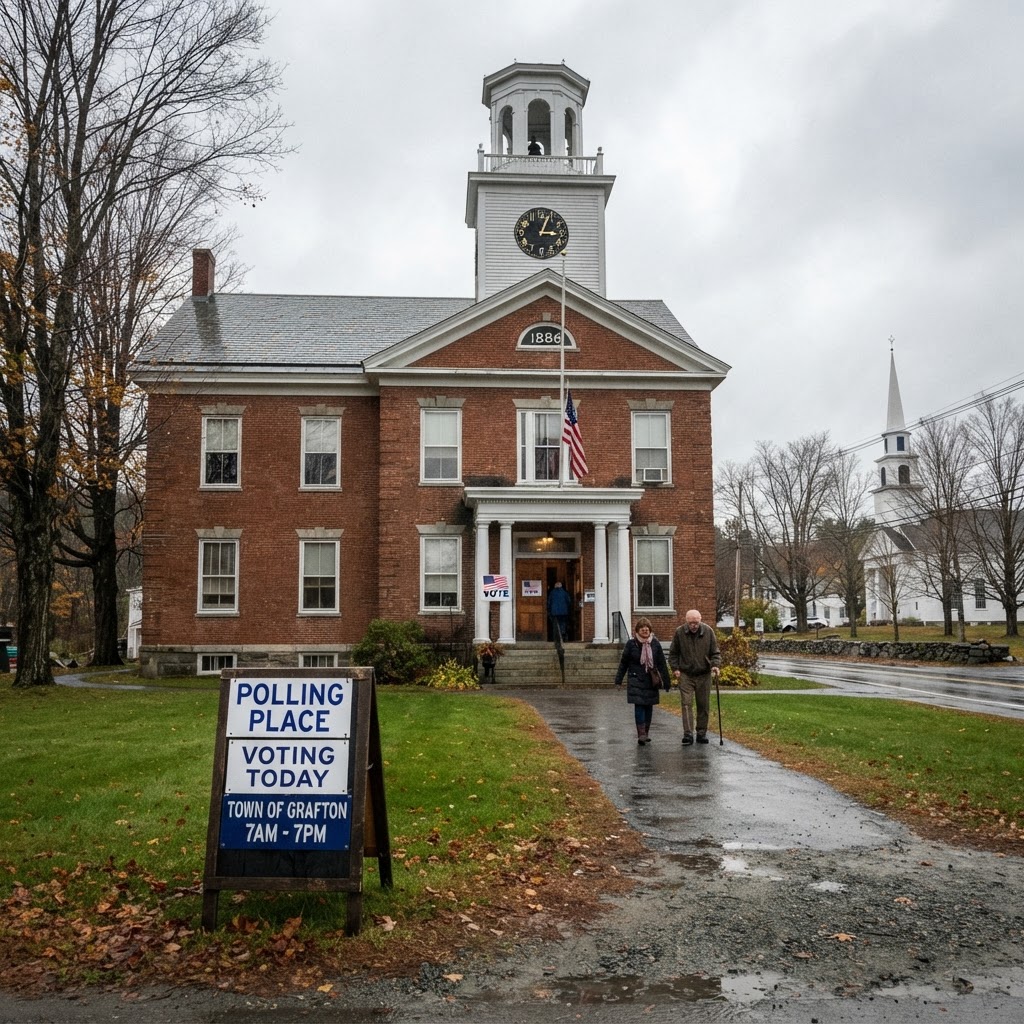
The residents of Barre, Vermont, find themselves in a familiar and frustrating position this week. Following a series of votes on Tuesday, the community remains divided over its educational spending, with Barre Town voters soundly rejecting the latest school budget proposal. While Barre City voters narrowly approved the plan by roughly 100 votes, the town’s rejection by a margin of 300 votes has effectively stalled the process, forcing the district to prepare for a third attempt at securing a budget.
This latest development underscores the intense pressure facing taxpayers across the state. The school board had presented what they described as a 'level programming' budget, intended to maintain existing services without adding new expenses. However, even with this attempt at restraint, the budget still carried a 2.73% increase over the previous year, a hike largely attributed to the persistent impact of inflation. For many families already struggling with the cost of living, any increase is viewed as a burden that the community can no longer sustain.
The Burden of Property Taxes
At the heart of the conflict is the state’s education funding system, which relies heavily on property taxes. As property values fluctuate and the state adjusts its funding formulas, many homeowners are seeing their tax bills climb at an unsustainable rate. Garrett Grant, chair of the Barre Unified Union School Board, acknowledged the difficulty of the situation, noting that the uncertainty is compounded by ongoing home reassessments in Barre City.
This is not the first time Barre has faced such a stalemate. In 2024, the district required four separate votes to reach an agreement, a process that resulted in students beginning the academic year without a finalized budget in place. The prospect of repeating that scenario has left many parents and educators concerned about the stability of the upcoming school year. For more on how these fiscal policies impact our communities, visit our Economy section.
A Statewide Trend
Barre is far from alone in this struggle. Across Vermont, school districts are reporting similar tensions as voters use the ballot box to voice their opposition to rising costs. The statewide trend is driven by a combination of factors, including the expiration of pandemic-era federal funding, rising healthcare costs for staff, and a shift in how the state distributes education funds.
While some argue that these budgets are necessary to maintain the quality of education for Vermont’s children, others contend that the current model is fundamentally broken. The debate has become a central issue in local politics, with many residents demanding that school boards prioritize cost containment over the expansion of services. As the district prepares for another round of voting, the community is left waiting to see if a compromise can be reached that satisfies both the needs of the schools and the financial limits of the taxpayers. To stay informed on how these local decisions align with broader state trends, check out our America First coverage.
Looking Ahead
As the Barre Unified Union School Board heads back to the drawing board, the path forward remains unclear. The challenge will be to craft a proposal that addresses the legitimate concerns of voters who are feeling the squeeze of inflation and rising property taxes, while still ensuring that the district can meet its obligations to students. Until a budget is passed, the uncertainty will continue to hang over the community, serving as a stark reminder of the ongoing struggle to balance public education needs with fiscal reality.
Comments (0)
Be the first to comment.
Related Stories
Economy
Portland Budget Proposal Sparks Outrage Over Tax Hikes
Portland officials have unveiled a $363.9 million budget for 2027 that includes property tax increases and job cuts, leaving residents struggling with costs.
WorthFighting.org News · 6 min read
Economy
Nebraska Property Tax Reform Remains Top Priority for Voters
As Nebraska voters head toward the 2026 election, property tax relief remains a central issue. Legislative efforts continue to address the state's tax burden.
WorthFighting.org News · 6 min read
Economy
Florida Homeowners Remain Skeptical of Insurance Reforms
Despite state claims of a stabilizing insurance market, a new survey reveals that many Florida homeowners continue to struggle with high premiums and coverage
WorthFighting.org News · 6 min read
Economy
Denver Budget Standoff: Mayor Rejects Key Council Requests
Denver Mayor Mike Johnston has rejected major City Council budget requests, leaving critical public safety and infrastructure funding in a state of uncertainty.
WorthFighting.org News · 6 min read
Economy
South Dakota Residents Push Back Against Energy Rate Hikes
South Dakota customers are organizing against a proposed 8.2% rate increase from MidAmerican Energy, citing concerns over rising costs for families and
WorthFighting.org News · 5 min read
Economy
East Providence Taxpayers Hit With 3.5% Property Tax Hike
East Providence residents face a 3.5% property tax increase following the approval of a $209.9 million budget by the City Council and Mayor Bob DaSilva.
WorthFighting.org News · 5 min read
What People Are Reading
Florida Homeowners Remain Skeptical of Insurance Reforms
Ohio School Districts Face Financial Crisis at the Ballot
Alabama Ramps Up School Security Under New State Mandates
Florida Insurance Market Stabilizes with New Rate Cuts
Chicago Aldermen Clash Over Mayor Johnson’s Budget Cuts
Take Action
This country is worth fighting for. Get involved today.