Local Government
Lebanon Growth Management: Citizens Protest High-Density Rezoning
Lebanon, Wilson County, Tennessee
Lebanon residents are sounding the alarm over high-density rezoning that threatens Wilson County schools and infrastructure as the City Council weighs growth.

Key Takeaways
- •City Council narrowly passed a first reading for a 210-unit high-density development project.
- •Residents cited a $150 million infrastructure backlog and school overcrowding as primary concerns.
- •A public movement is calling for a 180-day moratorium on all new residential rezoning.
- •The debate highlights the tension between developer interests and the preservation of small-town character.
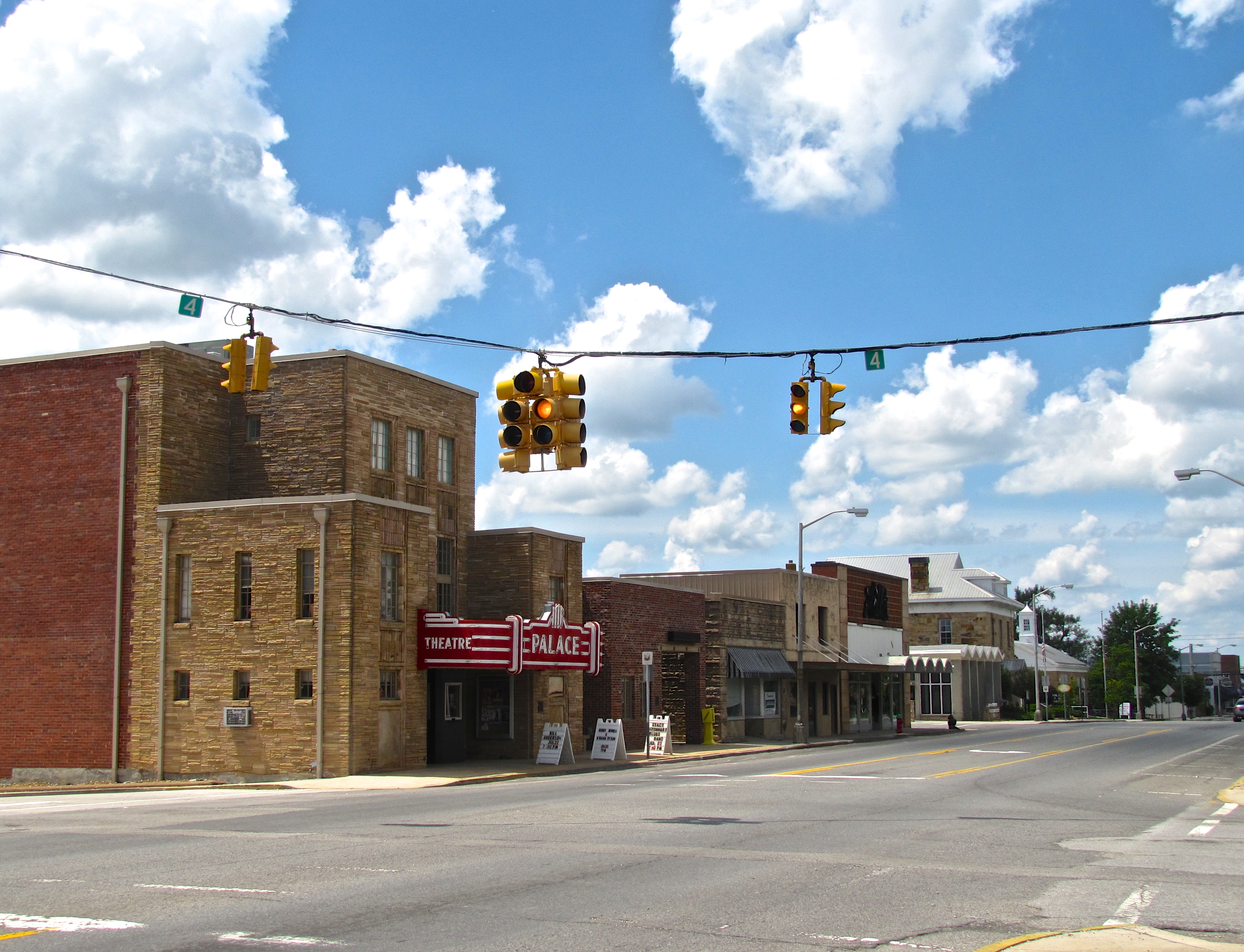
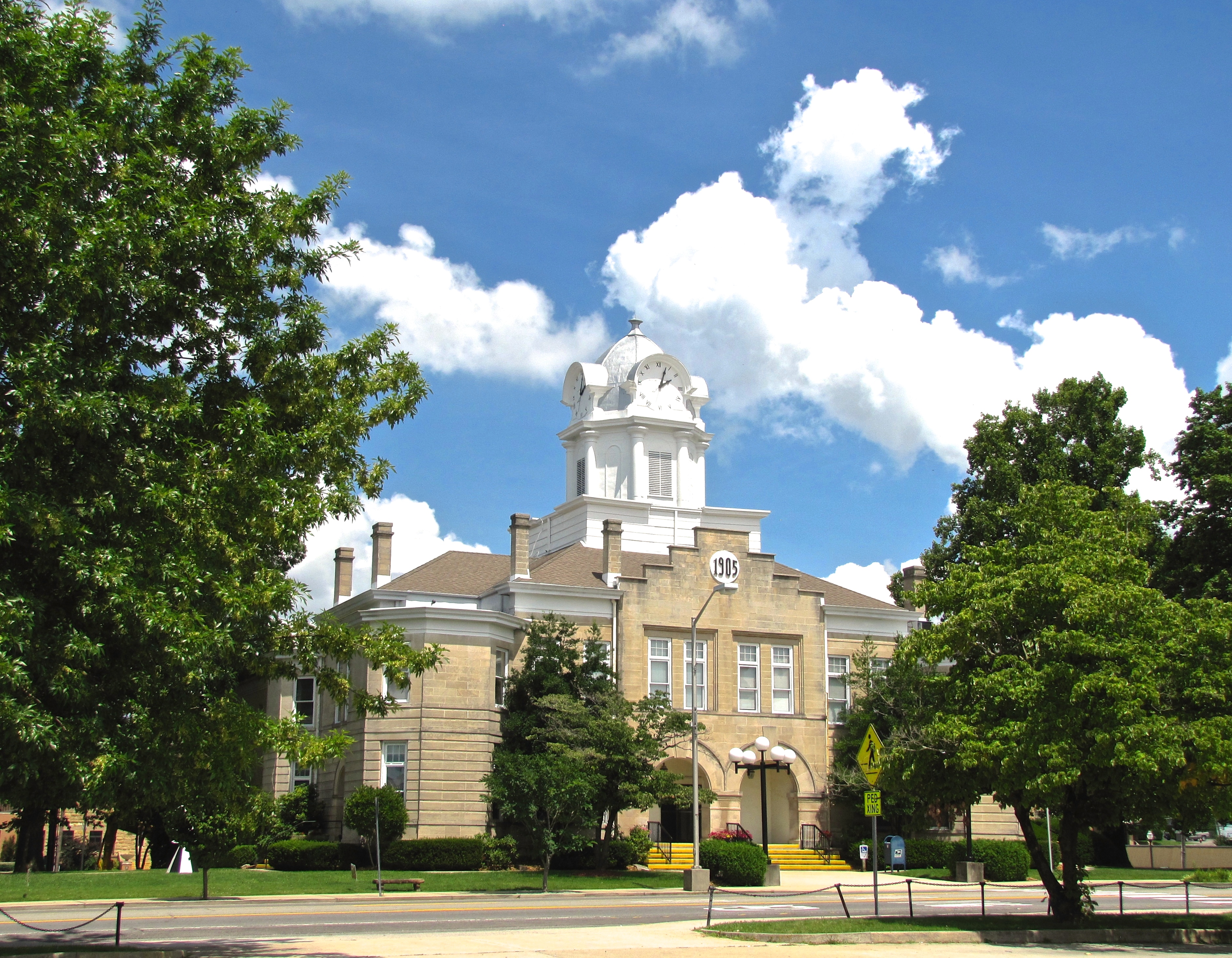
LEBANON, TN — In a city known for its historic charm and as the seat of Wilson County, a growing chorus of residents is demanding that the Lebanon City Council pump the brakes on rapid residential expansion. During a marathon session on Tuesday night, July 14, 2026, the Council faced a wave of public testimony from citizens concerned that the current pace of Lebanon growth management is failing to protect the community’s quality of life. At the heart of the debate is a proposed 210-unit apartment complex slated for the South Hartmann Drive corridor. While developers argue the project provides much-needed housing for a booming region, long-term residents see it differently: a recipe for gridlocked traffic, overcrowded classrooms, and a permanent loss of the rural-suburban balance that makes Middle Tennessee a destination for families. Mayor Rick Bell and the City Council found themselves in the crosshairs of a frustrated electorate this week. The debate over Ordinance 26-442, which would rezone nearly 60 acres near the intersection of Hickory Ridge and South Hartmann Drive, has become a flashpoint for a community that feels its voice is being drowned out by the roar of construction equipment.
A Community at a Crossroads
The Tuesday night meeting, which stretched late into the evening, was packed with local homeowners sporting stickers that read "Keep Lebanon Local." The sentiment was clear: the people who pay the property taxes and raise their children here feel like they are losing their seat at the table. For many, this isn't just about one apartment complex; it is about the long-term sustainability of Lebanon’s identity. The push for Lebanon infrastructure challenges to be addressed before more permits are issued has reached a fever pitch. One resident, whose family has farmed in Wilson County for three generations, spoke emotionally about the changing landscape. "We didn't move here to live in a concrete jungle," he told the council. "We moved here because Lebanon was a place where you knew your neighbors and you didn't have to wait through three light cycles to cross town. If we keep approving these high-density developments without the roads to support them, we’re destroying the very thing that makes people want to come here in the first place."
Developers, however, pointed to the economic growth of the region as a justification for the project. They argued that without more housing options, Lebanon will become unaffordable for the police officers, teachers, and service workers who sustain the local economy. But critics were quick to point out that high-density apartments often place a disproportionate strain on city services without contributing the same long-term property tax stability as single-family homes. The Council was presented with data suggesting that the proposed development could add hundreds of additional vehicles to South Hartmann Drive daily, a stretch of road already struggling with peak-hour congestion. This tension is not unique to Lebanon, but in a town that still values its independent spirit, the resistance is particularly organized.
The Infrastructure Deficit
The primary concern shared by residents and city planners alike is the massive infrastructure deficit. Wilson County has been one of the fastest-growing counties in Tennessee for several years, and the city of Lebanon has frequently found itself playing catch-up. While new rooftops bring in immediate impact fees, those one-time payments rarely cover the lifelong costs of road maintenance, emergency services, and school expansions. The Wilson County growth impact is perhaps most visible in the local education system. Several elementary schools in the Lebanon area are currently operating at or above 100% capacity. School board members have previously warned that without a more controlled approach to growth, the county may be forced to rely on portable classrooms or expensive new bond issues that would inevitably lead to property tax hikes for current residents.
Conservative leaders in the community have argued that "America First" principles should apply to local governance as well. This means prioritizing the needs and the infrastructure of the current tax-paying citizens over the desires of out-of-state developers looking for a quick profit. There is a growing movement in Lebanon to implement a 180-day moratorium on all new residential rezoning requests to allow for a comprehensive study of the city's water, sewer, and transportation capabilities. Such a move would be a bold step in a state that generally favors developer rights, but proponents argue it is the only way to ensure that Lebanon does not become another victim of suburban sprawl.
Why This Matters
What is happening in Lebanon is a microcosm of a larger struggle taking place across small-town America. As people flee failing urban centers and high-tax states, they are bringing their dreams to places like Middle Tennessee. However, if those destination towns do not guard their local character and fiscal health, they risk becoming the very places people are trying to escape. Lebanon’s growth management strategy will determine whether the city remains a thriving, family-oriented community or becomes a mere bedroom suburb defined by traffic and debt. For conservatives, this is a matter of local sovereignty. The residents of Lebanon are not anti-growth; they are pro-community. They believe that growth should pay for itself and that the people who have invested their lives in this city should have the final say in its future. The 4-2 vote to pass the first reading of the Hartmann Drive project suggests that the Council is still divided. As the second reading approaches, the pressure from the public is only expected to increase. This isn’t just a zoning battle; it’s a fight for the soul of a Tennessee town.
The outcome of this debate will send a message to developers across the region: Lebanon is open for business, but only if that business respects the people who already call it home. Citizens are encouraged to remain engaged, attend the upcoming public hearings, and hold their elected officials accountable to the promises made during their campaigns. In the end, a city is only as strong as the people who are willing to fight for it.
Explore Tennessee
Explore more news, elections, representatives, and information from Tennessee.
Visit Tennessee State Profile