Education
Chino Valley's Stand: The School Board That Took On Sacramento and Put Parents Back in Charge
Chino, San Bernardino County County, California
When a Southern California school district voted 4-1 to tell parents what was happening to their kids, the state sued, the superintendent was thrown out of the meeting, and a parents' rights movement was born.

Key Takeaways
- •Chino Valley Unified's board voted 4-1 on July 20, 2023 to require schools to notify parents within three days when a child seeks to change gender identity at school.
- •Board President Sonja Shaw had California Superintendent Tony Thurmond removed from the meeting after he spoke against the policy.
- •California AG Rob Bonta sued the district, calling the policy a 'forced outing'; Shaw said parents have 'a constitutional right in the upbringing of their children. Period.'
- •The policy spread to nearby districts; in 2026 the U.S. Supreme Court ruled 6-3 in Mirabelli v. Bonta backing parental rights.
- •Sonja Shaw, the local board president at the center of the fight, is now leading the race for California Superintendent of Public Instruction.
The state's top education official got thrown out of the building.
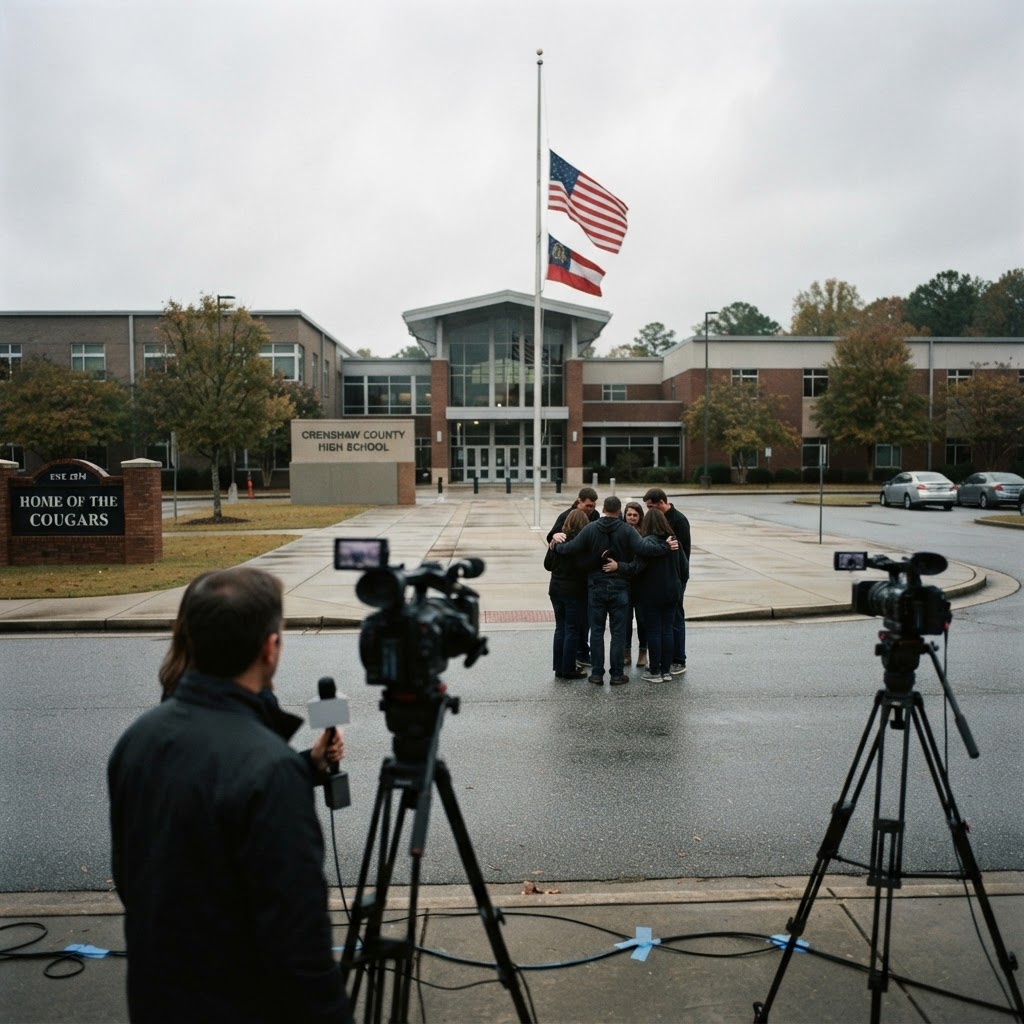
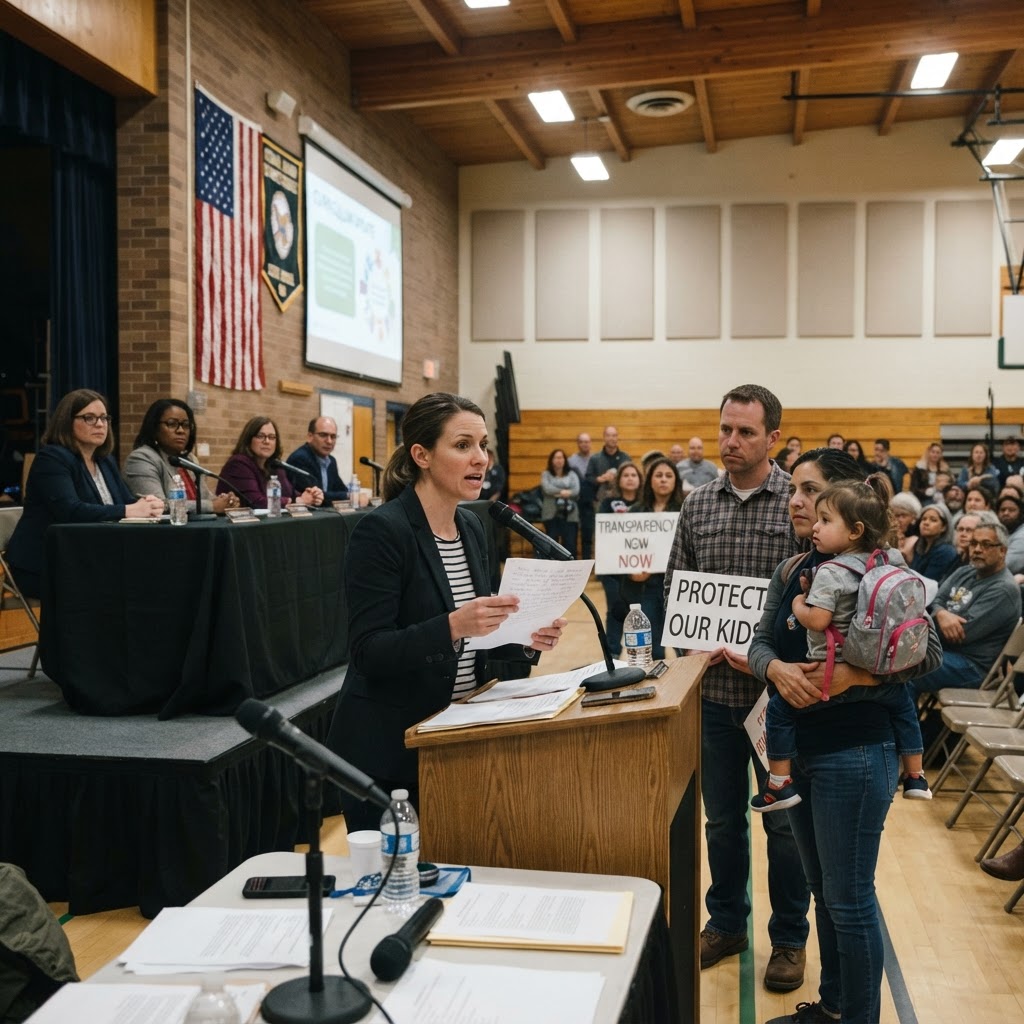
It happened on a Thursday night in July 2023, inside a packed school board meeting in Chino, California, a suburban wedge of San Bernardino County an hour east of Los Angeles. California Superintendent of Public Instruction Tony Thurmond had driven in to warn the Chino Valley Unified board against adopting a new rule: tell parents, within three school days, when their child asks to be treated as a gender other than the one on official records.
Board President Sonja Shaw didn't let him finish. She ordered Thurmond to leave. Security escorted the state's highest-ranking schools official out of a public meeting in the district he was supposed to be overseeing.
Then the board voted 4-1 to pass the policy anyway.
The policy at the center of the fight
Under the rule Chino Valley adopted that night, parents must be notified within three school days if a student requests to use a name or pronoun different from the one on their birth certificate, to use a bathroom that doesn't align with their biological sex, or to join sex-segregated school programs.
To the board majority, that is the bare minimum a school owes the people who send it their children. To California's political establishment, it was an act of rebellion.
Thurmond, seated in the audience, told the room he had come to stand up for LGBTQ+ students against "a radical new policy that threatens their safety." After Shaw had him removed, he took to Twitter.
"I don't mind being thrown out of a board meeting by extremists. I can take the heat — it's part of the job," Thurmond wrote. "What I can't accept is the mistreatment of vulnerable students whose privacy is being taken away."
"If I am forcibly removed from a public school board meeting as the State Superintendent of Public Instruction," he added, "how are everyday parents and students in Chino Valley Unified supposed to have their voices heard?"
It was a remarkable question, coming from the man whose office had just tried to silence the room.
Sacramento sues
Five weeks later, Attorney General Rob Bonta sued the district, branding the policy a "forced outing" of transgender students and accusing the board of violating their civil rights.
"For far too many transgender children and gender-nonconforming youth, school serves as their only safe haven — a place away from home where they can find validation, safety, privacy. We have to protect that," Bonta said.
Shaw was unmoved.
"We will stand our ground and protect our children with all we can because we are not breaking the law," she said in a message to reporters. "Parents have a constitutional right in the upbringing of their children. Period."
She argued the state had spent years trying "to shut parents out of their children's lives." The policy, she said, was the answer.
The argument that carried the night
The case for what Chino Valley did was articulated most clearly by the man who helped write it. Republican state lawmaker Bill Essayli had introduced a parental-notification bill in Sacramento that Democratic leadership refused to even give a hearing. So he took it local — working with boards like Shaw's to pass it district by district.
"There's a lot of systems in place to deal with physical abuse of any minor," Essayli said. "It's wrong for the state to presume that parents are a danger and therefore take a blanket policy where they're going to withhold information from all parents under the auspice that some parents might be harmful to their kids."
That is the entire debate in one sentence. The state's position presumes that a child's parents are, by default, a threat — and that government employees are safer keepers of a child's secrets than the people who raise them. The Chino Valley board rejected that premise. So, eventually, would a majority of the United States Supreme Court.
Why it matters beyond Chino
Chino Valley was first, but it was not alone. Temecula Valley and Murrieta Valley adopted similar rules; Orange Unified debated its own. Across California, communities that elected more conservative school board members after the pandemic found themselves at war with Gov. Gavin Newsom and a Democratic establishment that treats local control as a courtesy, not a principle — the same establishment that has spent the years since fighting everything from parents' rights to religious freedom to the basic free speech of families who dissent from the new orthodoxy.
The Chino Valley fight is the local version of a national argument — the same one playing out over the redefinition of women's sports and over what values public schools are allowed to teach behind their students' backs.
Who benefits? Parents who were once told that the most intimate developments in their children's lives were none of their business — and who now have a board majority willing to say otherwise. Who loses? The network of activists and state officials who had grown used to treating school staff as a buffer between children and their families, and who just watched that buffer get stripped away by a 4-1 vote.
What happened next
The story didn't end in that boardroom. In 2026, the U.S. Supreme Court ruled 6-3 in Mirabelli v. Bonta that California's attempt to ban such policies likely violated parents' constitutional rights — the same rights Shaw had been quoting from the start. And Shaw herself, once a local board president nobody outside San Bernardino County had heard of, is now leading the race for California Superintendent of Public Instruction.
Not bad for a school board meeting that ended with the state's top schools official being shown the door.
The lesson of Chino Valley is the lesson a lot of small towns are quietly learning: when local officials refuse to flinch, the people who are used to winning by default suddenly have to win the hard way — in public, on the merits, in a room they don't control.
Sources
Explore California
Explore more news, elections, representatives, and information from California.
Visit California State Profile