
Wyoming Trustees Abolish University DEI Office
The University of Wyoming Board of Trustees voted to dismantle the school's DEI office, following a state mandate to defund identity-based programs.
WorthFighting.org News
Staff Writer
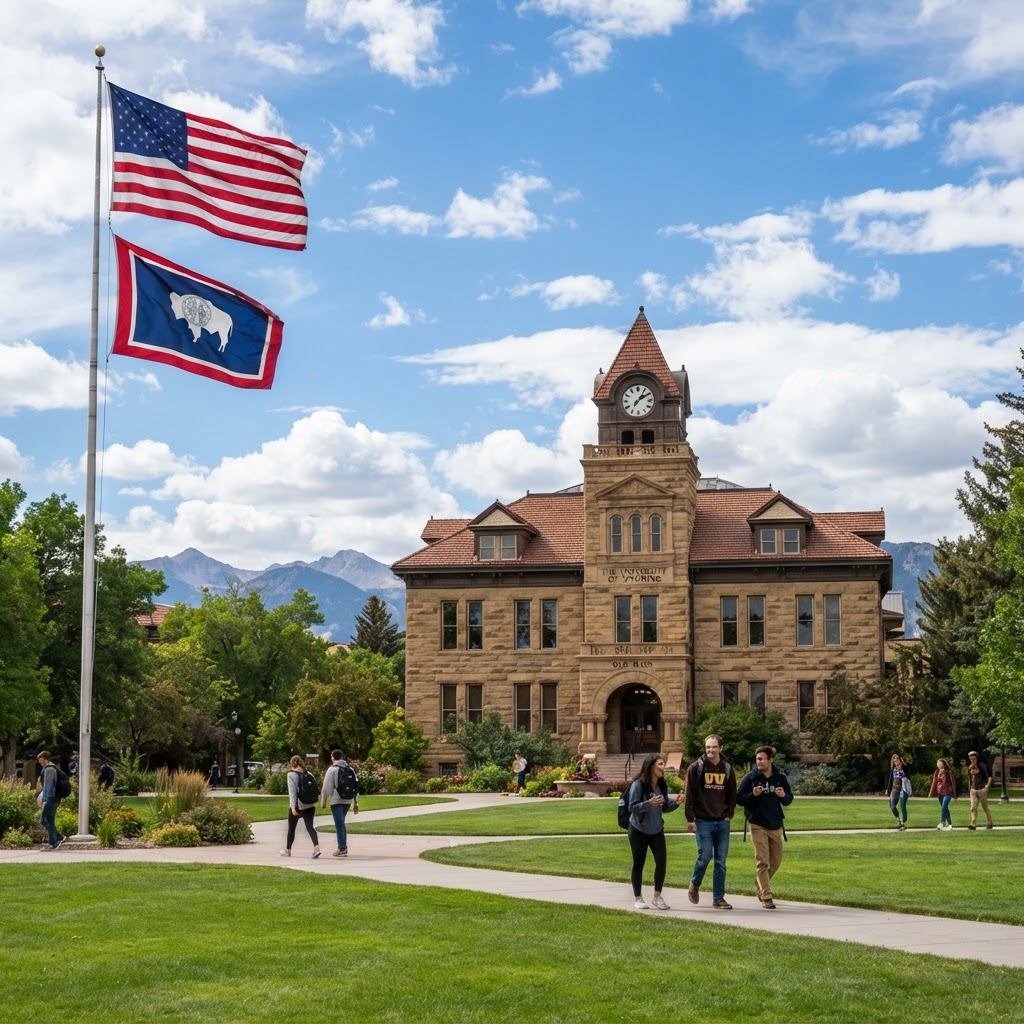
Legislative Mandate Forces Historic Shift
In a move that signals a significant shift in the landscape of higher education in the Cowboy State, the University of Wyoming (UW) Board of Trustees has officially voted to dismantle the institution's Office of Diversity, Equity, and Inclusion (DEI). The decision, reached during a high-stakes meeting in Laramie, comes as a direct response to legislative pressure from Cheyenne, where lawmakers have become increasingly critical of taxpayer-funded programs that prioritize identity politics over academic merit.
The board's action follows the implementation of Senate File 1, the state's biennial budget bill. Included in that legislation was a specific footnote that prohibited the university from spending state funds on the DEI office or its related activities. By a clear majority, the trustees moved to align the university's administrative structure with the new law, effectively ending a chapter of campus administration that has been the subject of intense debate across Albany County and the entire state of Wyoming.
Defunding Activism, Prioritizing Excellence
The funding cut, totaling approximately $1.7 million, was not merely a budgetary adjustment but a clear policy directive from the Wyoming Legislature. Lawmakers argued that DEI offices often promote divisive ideologies and create unnecessary bureaucratic layers that do not contribute to the core mission of teaching and research. For many conservative leaders in the state, the elimination of the office is a long-overdue correction.
Secretary of State Chuck Gray, a vocal proponent of the changes, characterized the board's vote as a victory for the people of Wyoming. Conservative members of the House and Senate have long maintained that public institutions should remain neutral ground, focusing on the individual achievements of students rather than group-based identities. The move reflects a broader national trend where states are re-evaluating the role of DEI in the wake of concerns regarding free speech and constitutional protections.
Transitions and Reassignments
During the meeting, University President Ed Seidel outlined how the school would proceed without the formal DEI office. While the office itself will be shuttered, certain functions—specifically those mandated by federal law or necessary for maintaining federal grants—will be relocated to other departments, such as the Office of General Counsel or Human Resources. However, the overarching DEI branding and the specific positions dedicated to social advocacy will be eliminated.
"The university will remain a place where all students and employees are welcome and treated with respect," Seidel noted, emphasizing that the removal of the office does not mean a removal of support for the campus community. Instead, the administration intends to pivot toward a model of "institutional neutrality," a concept that has gained traction among those seeking to protect the university from becoming a political battleground.
A Growing Movement in the West
Wyoming's decision does not exist in a vacuum. It follows similar legislative and administrative actions in neighboring states like Utah and Idaho, where elected officials have moved to curb the influence of progressive administrative frameworks in public universities. This regional shift highlights a growing consensus among Western conservatives that the "America First" approach to education requires a return to traditional values of merit, hard work, and equal opportunity for all individuals.
Critics of the move have expressed concern that the university may struggle to attract a diverse student body or faculty, but supporters argue that the quality of education and the prestige of the university will only improve when the focus returns to academic rigor. The Laramie campus, known for its sandstone architecture and rugged Wyoming spirit, now stands at the forefront of this educational reform movement.
Looking Ahead
As the University of Wyoming begins the process of closing the DEI office, all eyes will be on the upcoming semester to see how the changes impact campus life. The Board of Trustees has signaled that they will continue to monitor the transition to ensure compliance with the law while maintaining the school's commitment to providing a top-tier education. For the taxpayers of Wyoming, the move represents a commitment to fiscal responsibility and a rejection of ideologies that many believe have no place in a state-funded institution.
Why This Matters
This decision marks a pivotal moment in the fight against the institutionalization of identity politics. By dismantling the DEI office, the University of Wyoming is reaffirming that the primary purpose of higher education is the pursuit of truth and the development of skills, not the promotion of social agendas. It serves as a model for how state legislatures can use the power of the purse to protect the integrity of public education and ensure that universities remain focused on their foundational responsibilities to the students and the state.
Comments (0)
Be the first to comment.
Related Stories

Education
Ohio School Districts Face Financial Crisis at the Ballot
Across Ohio, multiple school districts are heading to the November ballot with critical tax levies, warning of severe budget cuts and potential consolidation.
WorthFighting.org News · 6 min read

Education
Iowa City Schools Face $32.5M Deficit and Potential Closures
The Iowa City Community School District is launching a boundary review committee as it grapples with a massive $32.5 million budget shortfall.
WorthFighting.org News · 6 min read
Education
Kentucky Education Fund Offers New Tax Credit Opportunity
A new initiative allows Kentucky taxpayers to support the Kentucky Education Fund while receiving tax credits through the Education Freedom Tax Credit program.
WorthFighting.org News · 5 min read

Education
Minneapolis Schools Face Potential Closure of 16 Campuses
Minneapolis Public Schools is considering closing 16 schools to address a $40 million deficit and declining enrollment. Families are bracing for major changes.
WorthFighting.org News · 6 min read
Related Resources
Related Articles
9 itemsSame category: Education
Same category: Education
Same category: Education
Related Breaking News
2 itemsShared keywords: office, following
Shared keywords: dismantle
What People Are Reading
East Providence Taxpayers Hit With 3.5% Property Tax Hike

Florida Homeowners Remain Skeptical of Insurance Reforms
Chicago Aldermen Clash Over Mayor Johnson’s Budget Cuts
Alabama Supreme Court Weighs Absentee Ballot Law

Wyoming Energy Authority Launches Power Grid Study
Take Action
This country is worth fighting for. Get involved today.