Utah House Leaders Detail Major Tax Cuts and Reforms
Utah lawmakers highlight landmark conservative policies from the 2026 session, delivering broad tax cuts, family credits, and key judicial reforms.
WorthFighting.org News
Staff Writer
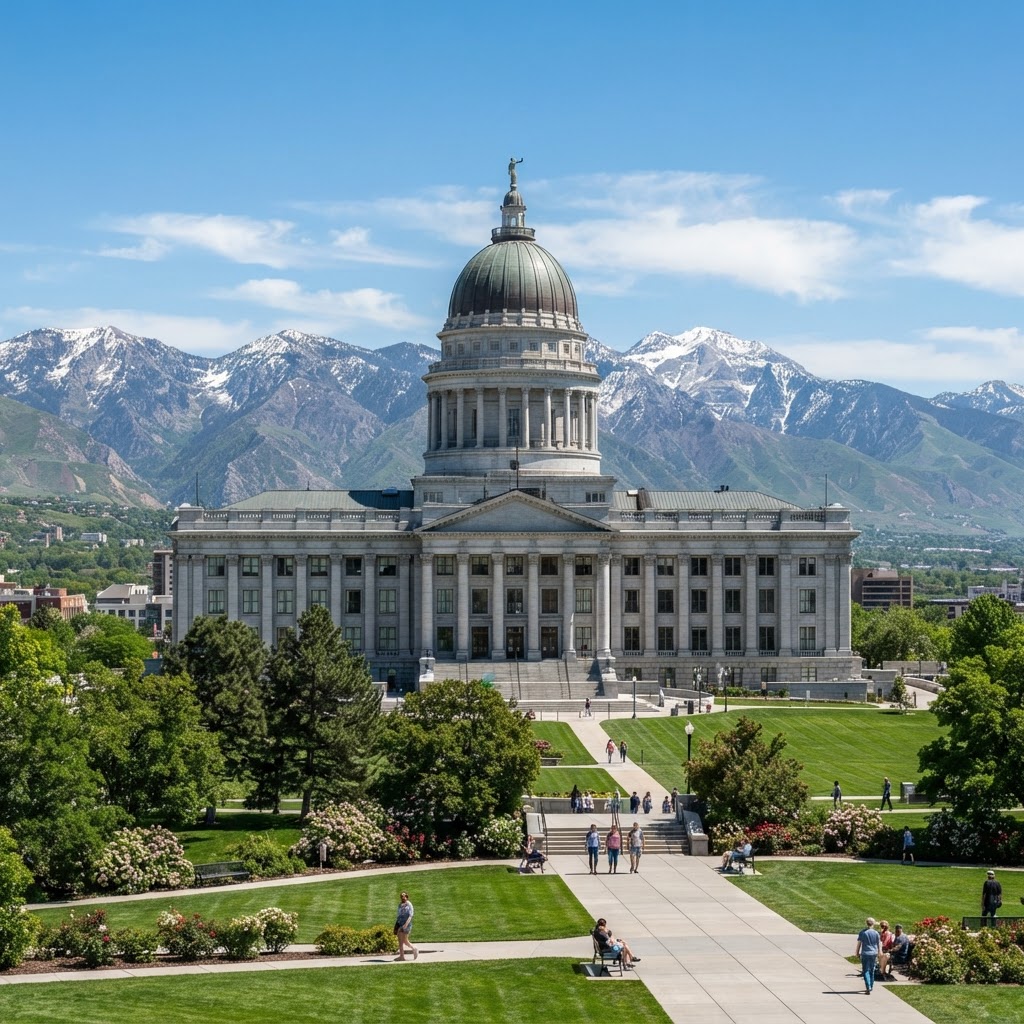
SALT LAKE CITY — Facing persistent economic challenges and the pressures of rapid growth across the Wasatch Front, Utah legislative leaders this week reviewed the key economic victories delivered during the 2026 general session, highlighting a comprehensive package designed to lower everyday costs for hardworking households.
Meeting at the Utah State Capitol in Salt Lake County, the Republican-led majority capped off the 45-day session by cutting taxes for the sixth consecutive year, reducing gas taxes, expanding support for young families, and passing crucial transparency measures aimed at keeping government accountable to everyday citizens.
Broad-Based Tax Relief for Utah Households
At the center of the legislative effort was Senate Bill 60, sponsored by Rep. Steve Eliason and Sen. Dan McCay, which reduced the state's individual and corporate income tax rate from 4.5% down to 4.45%. This step marks an 11% total income tax reduction over the past six years. Over the last two legislative sessions alone, the Beehive State has enacted more than $600 million in aggregate tax relief, reinforcing its reputation as a powerhouse of fiscal discipline.
"I think this year we really did key in and focus on affordability," explained Rep. Karen Peterson during an assessment of the session's economic impact. "We really did key and focus on the fact that Utah needs our families."
In addition to general income tax reductions, legislators tackled everyday operational costs for working drivers and small business owners. Under House Bill 575, carried by Rep. Cal Roberts, lawmakers reduced the state fuel tax by 15% while putting measures in place to expand localized fuel storage, helping safeguard motorists from wild price swings at the pump. Readers following national pocketbook trends in our /category/economy reporting will recognize the contrast between Utah's market-driven cost reductions and the regulatory tax hikes seen in several neighboring states.
Strengthening Families and Supporting Growth
Lawmakers coupled tax cuts with direct family-focused initiatives. Under House Bill 290, sponsored by Rep. Tracy Miller, Utah increased income thresholds for the state child tax credit, ensuring broader eligibility for middle-class parents. Related legislation also enhanced the Child Care Business Tax Credit, encouraging employers to partner in expanding affordable private child care options.
"Our family structure and strong family ties is our greatest resource in Utah," said Rep. Candice Pierucci. "So as lawmakers, we’re trying really hard to help maintain that environment."
Rapid population influx in places like Salt Lake City, Utah County, and northern communities has also spurred a severe housing crunch. To break through municipal development logjams without creating top-down mandates, lawmakers enacted HB 492, establishing dedicated infrastructure financing so water pipes, sewer lines, and primary roadways can keep pace with newly approved housing lots.
Simultaneously, the Legislature allocated nearly $300 million in new money for public education while passing accountability standards, including K-12 classroom cellphone restrictions and performance standards to ensure third graders achieve core reading proficiency before advancing.
Reining in Judicial Overreach and Securing Elections
Fiscal policy was not the only priority for conservatives on Capitol Hill. Following months of friction between the statehouse and the judiciary, lawmakers passed House Bill 540, requiring state judges to submit annual financial disclosures for the first time and establishing an open, free portal for citizens to review public court records. Another measure, House Bill 392, eliminated judicial forum shopping by mandating randomly assigned three-judge panels for constitutional challenges to state statutes.
Lawmakers also maintained an emphasis on secure self-governance, enacting HB 209 and HB 26 to bolster voting standards and require proof of citizenship at registration—vital moves detailed further in our /category/america-first coverage.
"We want our constituents to feel like they can trust what’s happening with the processes in front of them," Pierucci noted regarding the institutional reforms.
Why This Matters
Utah’s 2026 legislative outcome serves as an instructive blueprint for conservative leadership in the American West. By balancing a $31 billion budget while systematically cutting taxes, eliminating unnecessary bureaucratic barriers to housing infrastructure, and instituting judicial transparency, Utah proves that states can defend family budgets and constitutional self-rule without expanding government power.
Comments (0)
Related Stories

Economy
Cheyenne Data Center Project Shifts to Google Ownership
A massive $17 billion data center project near Cheyenne has officially transitioned to Google, marking a significant shift in Wyoming's industrial landscape.
WorthFighting.org News · 6 min read
Economy
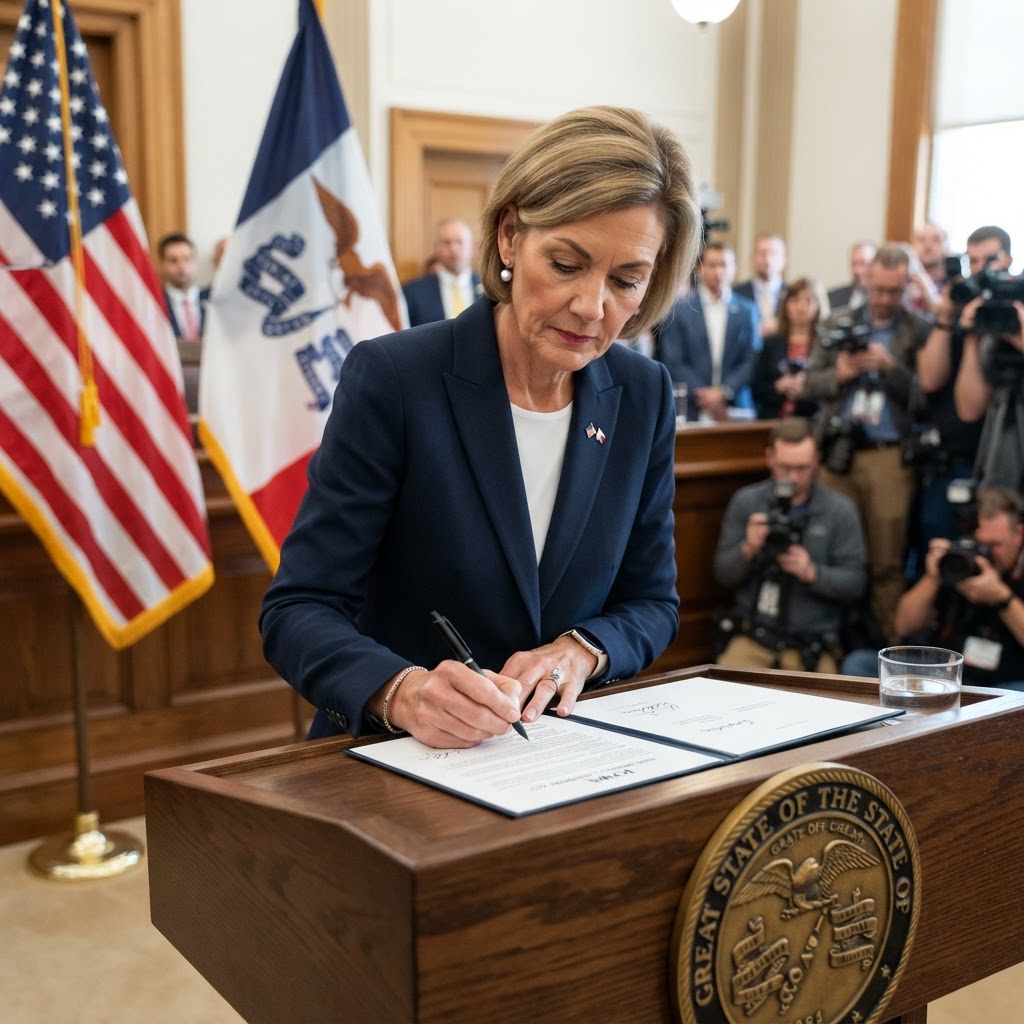
Iowa Leads Nation with Historic Property Tax Reform
Governor Kim Reynolds has signed landmark legislation providing $4.2 billion in property tax relief, marking the largest reduction of its kind in the nation.
WorthFighting.org News · 6 min read
Economy
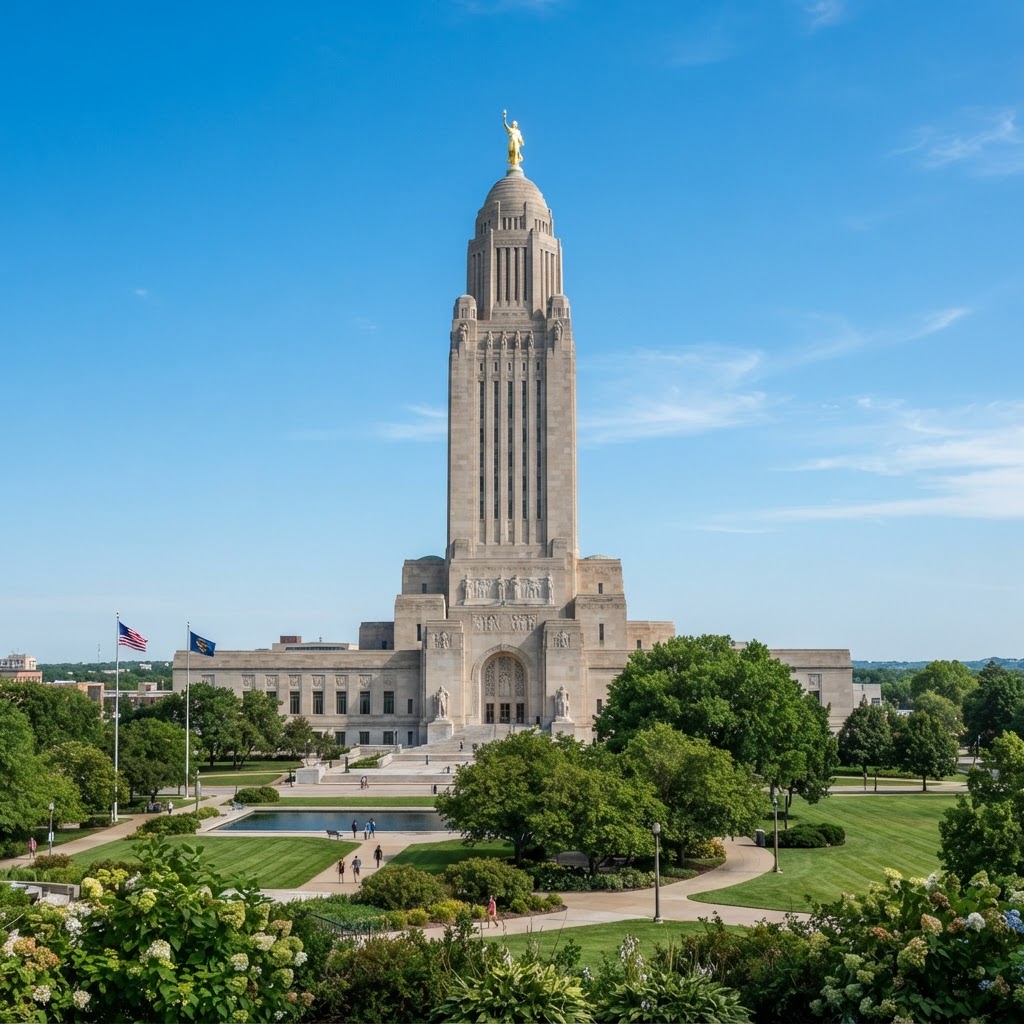
Nebraska Property Tax Relief Tops $3B as Budget Strain Grows
Property tax relief programs now consume roughly 47% of Nebraska's state budget, sparking sharp debate among lawmakers over fiscal discipline and local control.
WorthFighting.org News · 5 min read
Economy
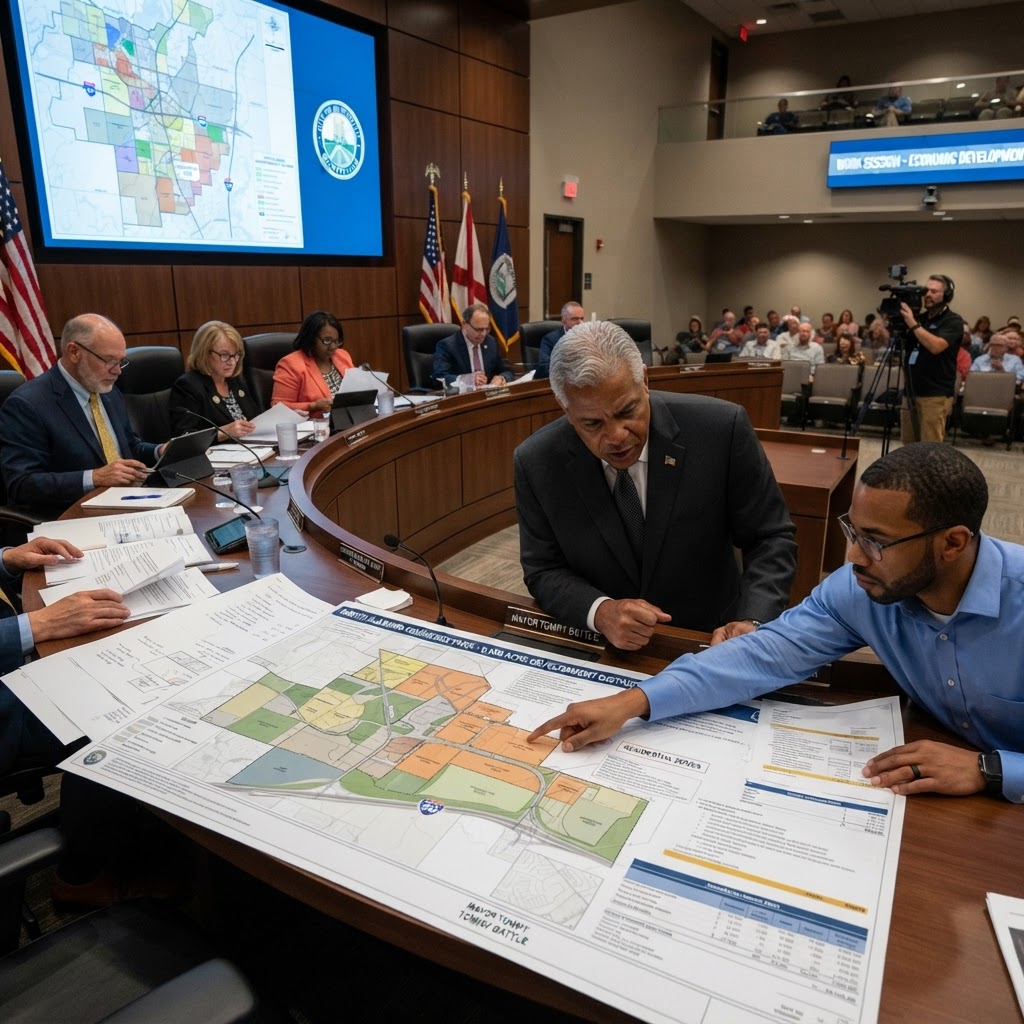
Huntsville Proposes $230M Tax District to Fuel Growth
Huntsville municipal leaders proposed a 9,000-acre tax increment financing district to fund up to $230 million in vital infrastructure projects.
WorthFighting.org News · 5 min read
Economy
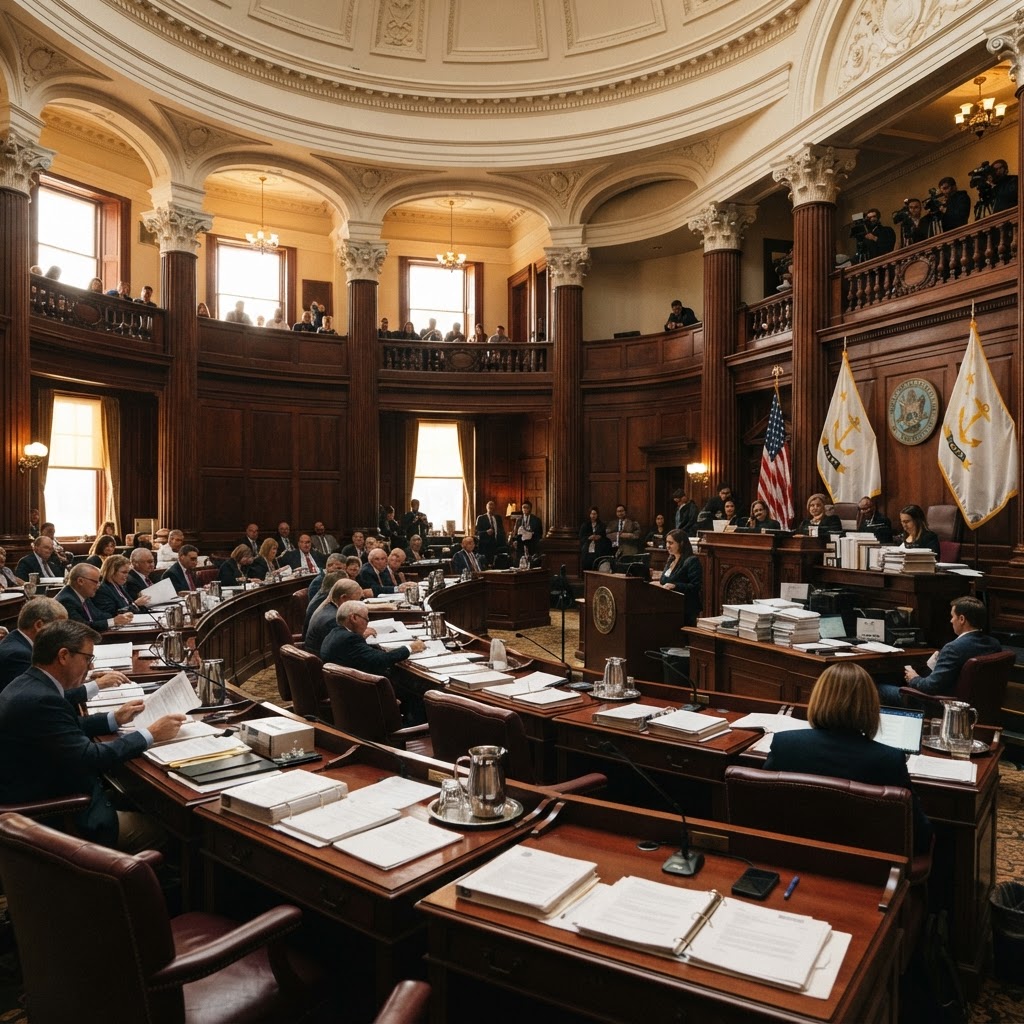
RI Senate Committee Advances $15.2B Budget Plan
The Rhode Island Senate Finance Committee passed a $15.2B state budget targeting school aid, local control, and creating a state inspector general.
WorthFighting.org News · 5 min read
Economy
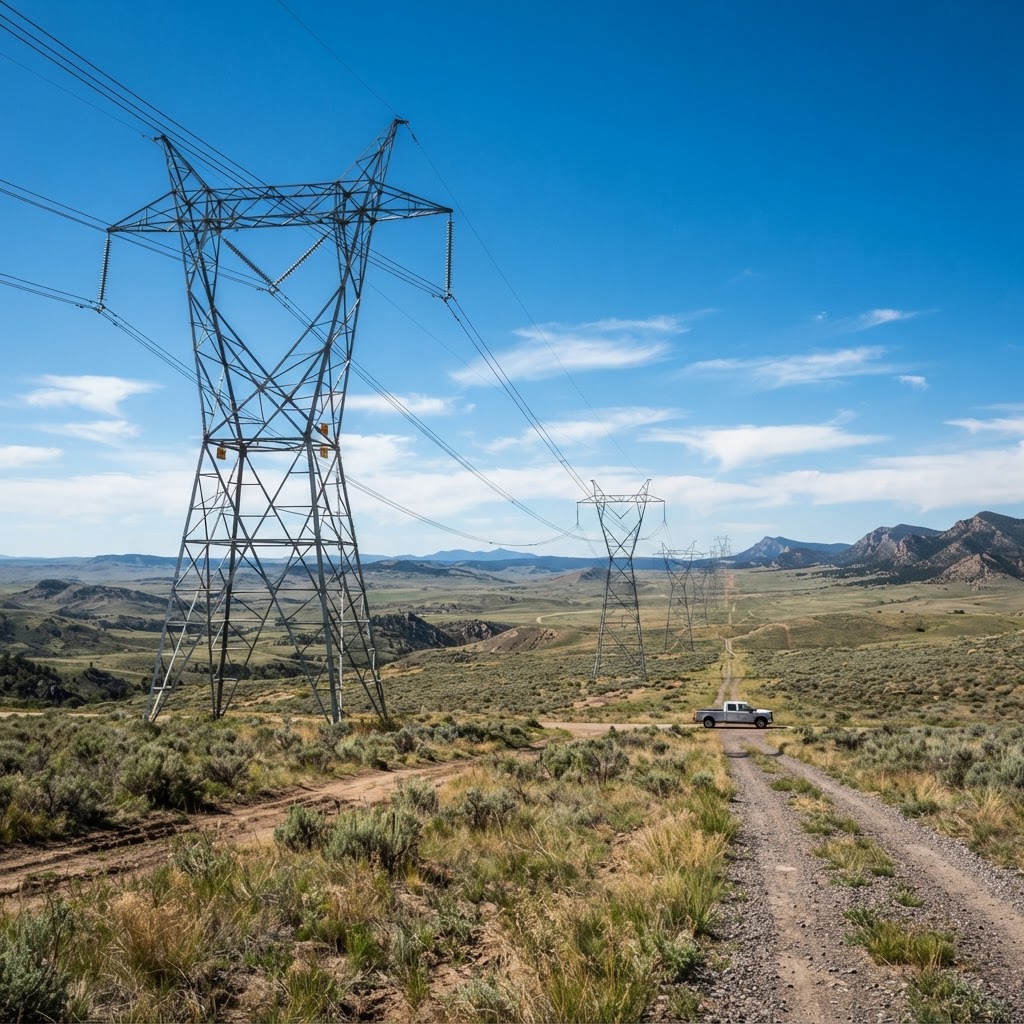
Wyoming Energy Authority Launches Power Grid Study
Wyoming selects Energy Strategies to run a major statewide transmission study to secure grid reliability, map power infrastructure, and spur economic growth.
WorthFighting.org News · 5 min read
More from Economy
Economy
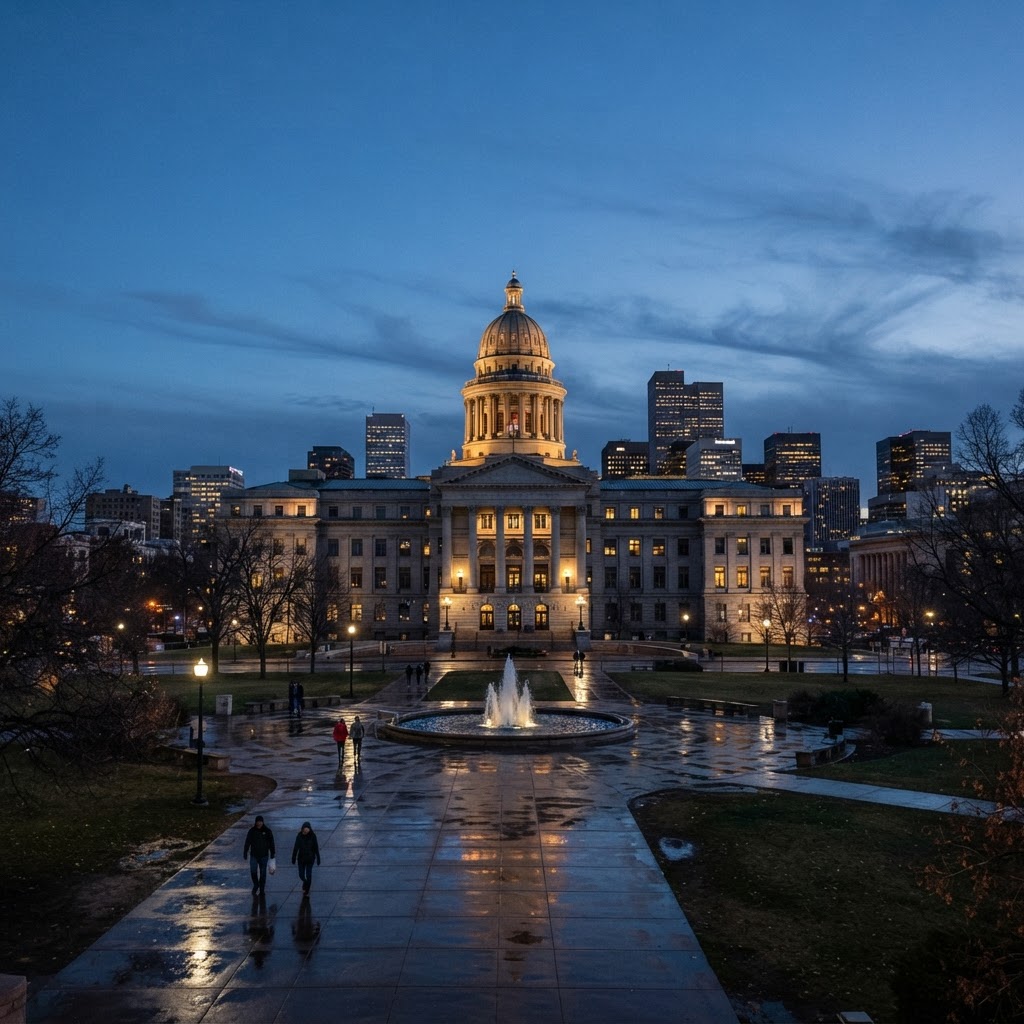
Denver Budget Crisis Deepens as City Faces $200M Gap
Denver faces a massive $200 million budget shortfall for 2026, forcing the city to consider layoffs and furloughs after years of rapid government expansion.
WorthFighting.org News · 6 min read

Economy
ND Towns Turn to Sales Taxes After Property Tax Cap
Over a dozen North Dakota cities and counties propose sales tax increases this June as local officials navigate state-mandated property tax revenue caps.
WorthFighting.org News · 5 min read

Economy
Vermont Tax Revolt Leaves Barre Schools Without Budget
Barre voters prepare for a high-stakes third school budget vote as taxpayers push back against relentless property tax hikes across Vermont.
WorthFighting.org News · 6 min read
Take Action
This country is worth fighting for. Get involved today.