
Seattle Advances $1.5M Surveillance Plan to Fight Crime
The Seattle City Council Public Safety Committee approved a $1.5 million plan to install CCTV and license plate readers to help police combat rising crime.
WorthFighting.org News
Staff Writer
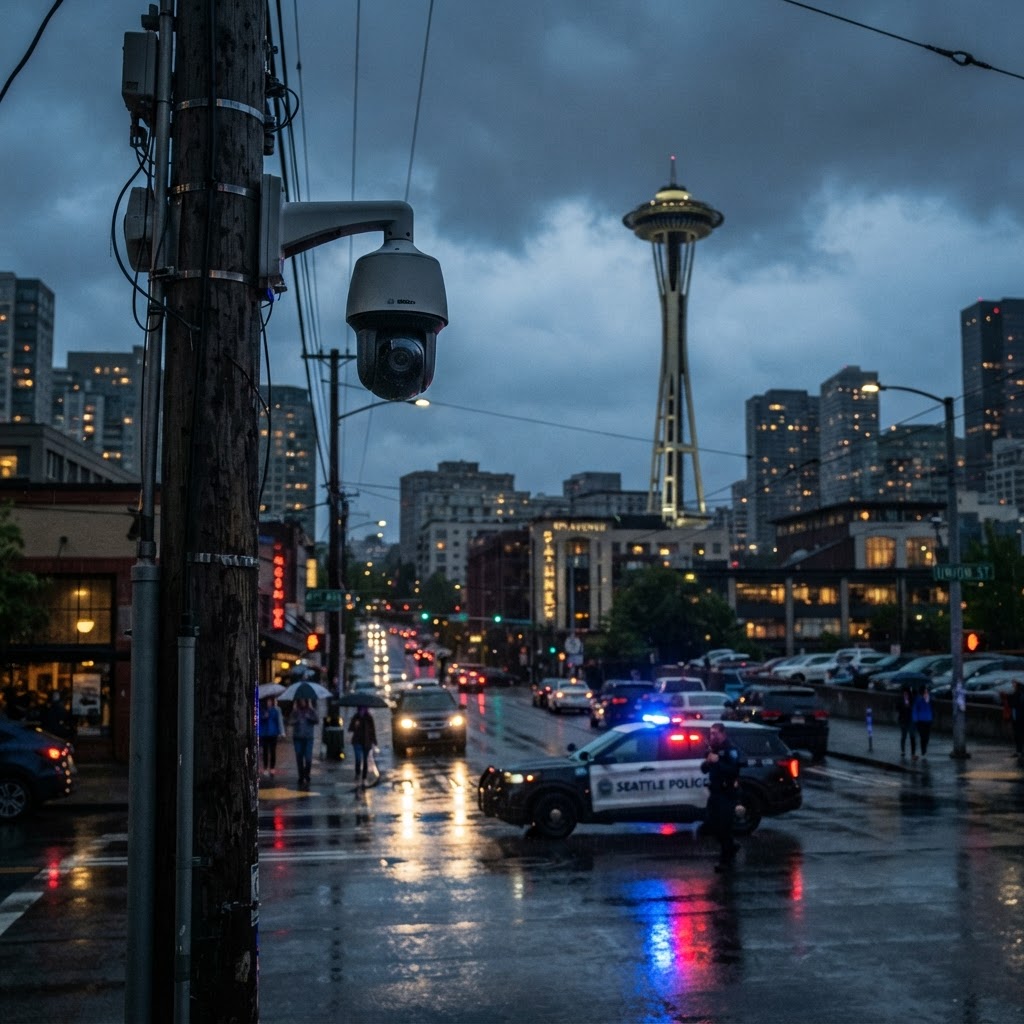
A Major Shift in Seattle Public Safety Policy
In a decisive move that underscores a shifting political tide in the Pacific Northwest, the Seattle City Council’s Public Safety Committee voted on Tuesday to advance a $1.5 million surveillance technology package. The proposal, which now heads to the full council for a final vote, marks one of the most significant expansions of law enforcement technology in the city's history. The goal is clear: utilize high-tech tools to combat the rampant public safety challenges that have plagued the streets of Seattle, Washington, for the better part of a decade.
The committee's 4-1 vote, led by Public Safety Chair Bob Kettle, signals a pragmatic approach to governance in a city that was once the epicenter of the 'defund the police' movement. By focusing on Closed-Circuit Television (CCTV) cameras and Automated License Plate Readers (ALPR), city leaders are acknowledging that the Seattle Police Department (SPD) requires modern tools to maintain order amidst a crippling recruitment crisis.
Targeted Tech for High-Crime Corridors
The proposed $1.5 million allocation is not just a general budget increase; it is a targeted investment in the city's most vulnerable neighborhoods. The plan identifies several 'priority zones' that have become synonymous with open-air drug markets, retail theft, and violent crime. These areas include Aurora Avenue North in King County, the Belltown neighborhood, the downtown core, and the Chinatown-International District (CID).
According to the proposal, the new CCTV systems will provide real-time visibility into these hotspots, allowing dispatchers and officers to assess situations before units even arrive on the scene. The ALPR technology will be particularly useful in tracking vehicles involved in 'smash-and-grab' retail thefts and drive-by shootings—crimes that have seen a disturbing rise in recent years. For many small business owners in the CID who have faced repeated break-ins, this move is seen as a long-overdue step toward accountability.
Technology as a 'Force Multiplier'
The central argument for the surveillance expansion is the current state of the SPD. Like many metropolitan areas in Washington, Seattle has struggled to maintain adequate officer levels. With hundreds of officers having left the force since 2020, the department has been forced to prioritize only the most high-priority emergency calls, often leaving property crimes and neighborhood disturbances unaddressed.
Mayor Bruce Harrell’s administration has championed this technology as a 'force multiplier.' By using software to integrate various data feeds into a Real-Time Crime Center, the city hopes to maximize the efficiency of the officers it does have. Instead of patrolling aimlessly, officers can be directed to exact locations with high-quality visual evidence already in hand. This tech-heavy approach is designed to increase the likelihood of arrests and successful prosecutions, sending a message that Seattle is no longer a consequence-free zone for criminals.
Political Friction and the Path Forward
Despite the clear majority support, the proposal was not without its detractors. Councilmember Tammy Morales, representing District 2, cast the lone dissenting vote, citing concerns over privacy and the efficacy of surveillance in preventing crime. Critics often argue that such technology disproportionately affects marginalized communities, a common refrain in Seattle’s political discourse.
However, the prevailing sentiment among the committee members was that the privacy of law-abiding citizens is best protected by a city that is safe to walk in at night. Councilmember Kettle emphasized that the technology would be subject to strict oversight and that its primary purpose is to stop the cycle of violence and theft that has hollowed out the city's economic heart. This shift toward a more conservative, America First style of law-and-order governance reflects a growing demand from residents who are tired of seeing their communities deteriorate.
What Comes Next?
With the committee's approval, the legislation will move to the full Seattle City Council for a final vote, likely within the next two weeks. If passed, the $1.5 million will be quickly deployed to begin the procurement and installation process. The city also plans to conduct ongoing audits to ensure the technology is being used specifically for crime prevention and not for broader surveillance of the general public.
For the people of Seattle, this is more than just a budget item; it is a test of whether the city can successfully pivot back to a model of safety and stability. As other cities across the West look for ways to handle similar crime spikes, Seattle's experiment with high-tech 'force multipliers' could serve as a blueprint for the future of urban law enforcement.
Why This Matters
For too long, major West Coast cities have allowed public safety to take a backseat to political ideology. This move by the Seattle City Council represents a necessary course correction, prioritizing the protection of citizens and small businesses over the concerns of activists. By investing in technology that supports law enforcement, Seattle is taking a tangible step toward reclaiming its streets and ensuring that the rule of law is once again the standard in the Emerald City.
Comments (0)
Be the first to comment.
Related Stories
Crime
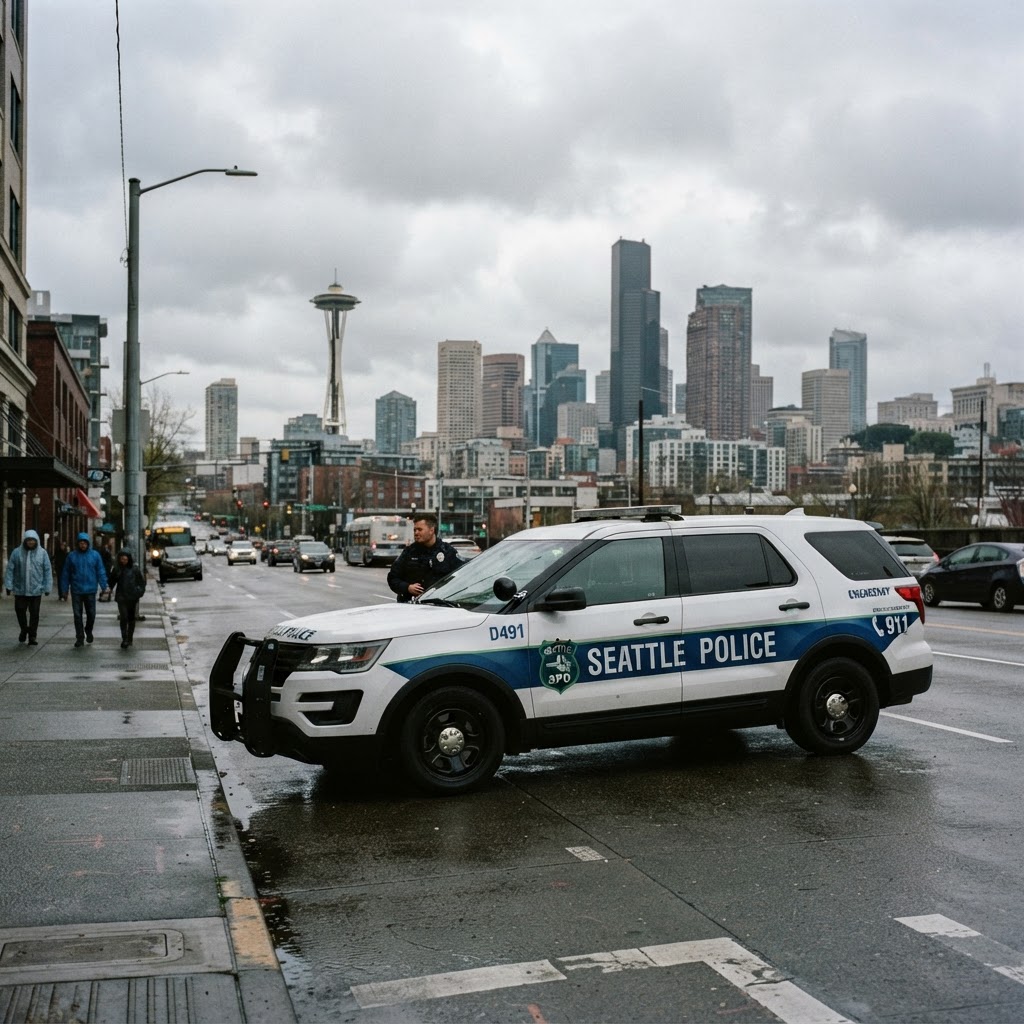
Seattle Police Budget Hike Sparks Staffing Concerns
Seattle City Council members are clashing over Mayor Katie Wilson's proposed 13.9% police budget increase, questioning if it will truly boost officer numbers.
WorthFighting.org News · 6 min read
Crime
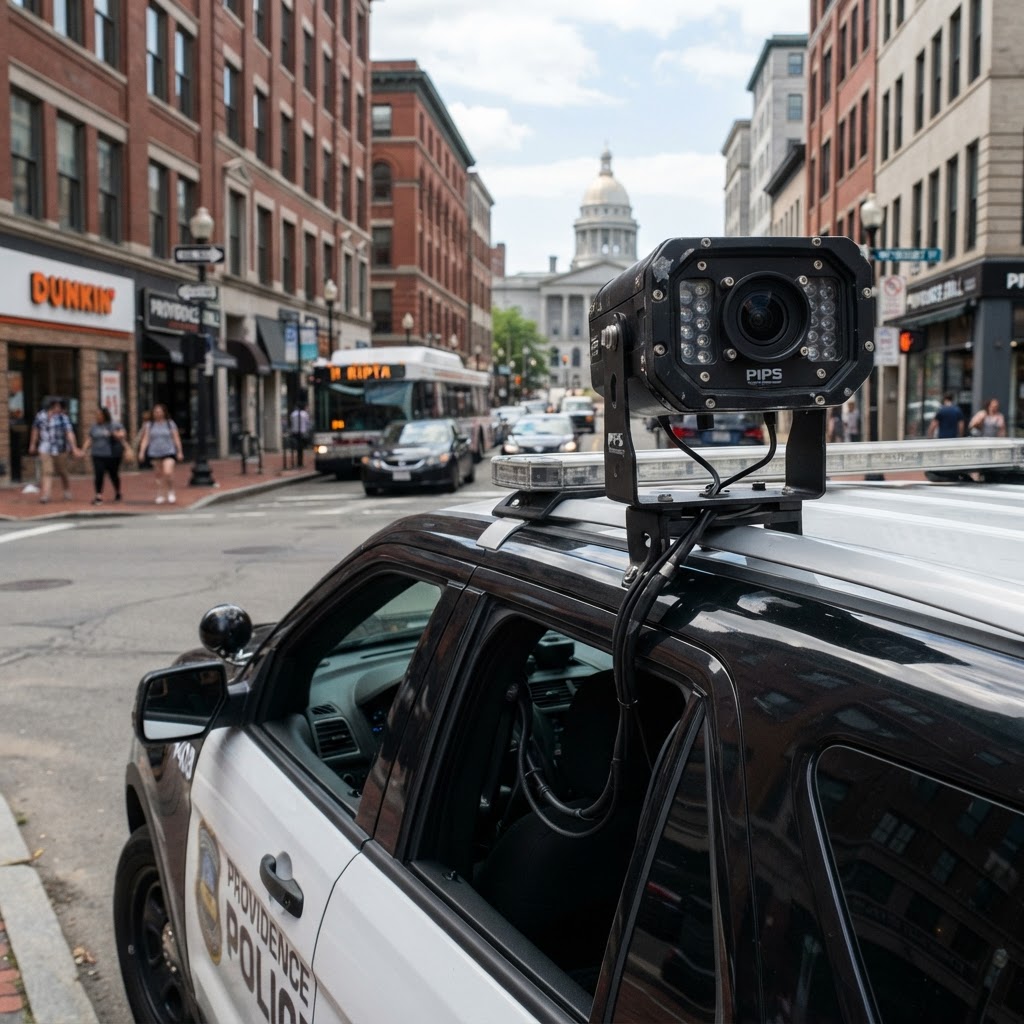
Rhode Island Implements New Rules for License Plate Readers
The McKee administration has released new guidance for automated license plate readers to ensure consistent data sharing and privacy standards across the state.
WorthFighting.org News · 5 min read
Crime
Rhode Island Sues Meta Over Rampant Scam Advertising
Attorney General Peter Neronha has filed a lawsuit against Meta, alleging the tech giant profits from billions of dollars in fraudulent ads on its platforms.
WorthFighting.org News · 6 min read
Crime
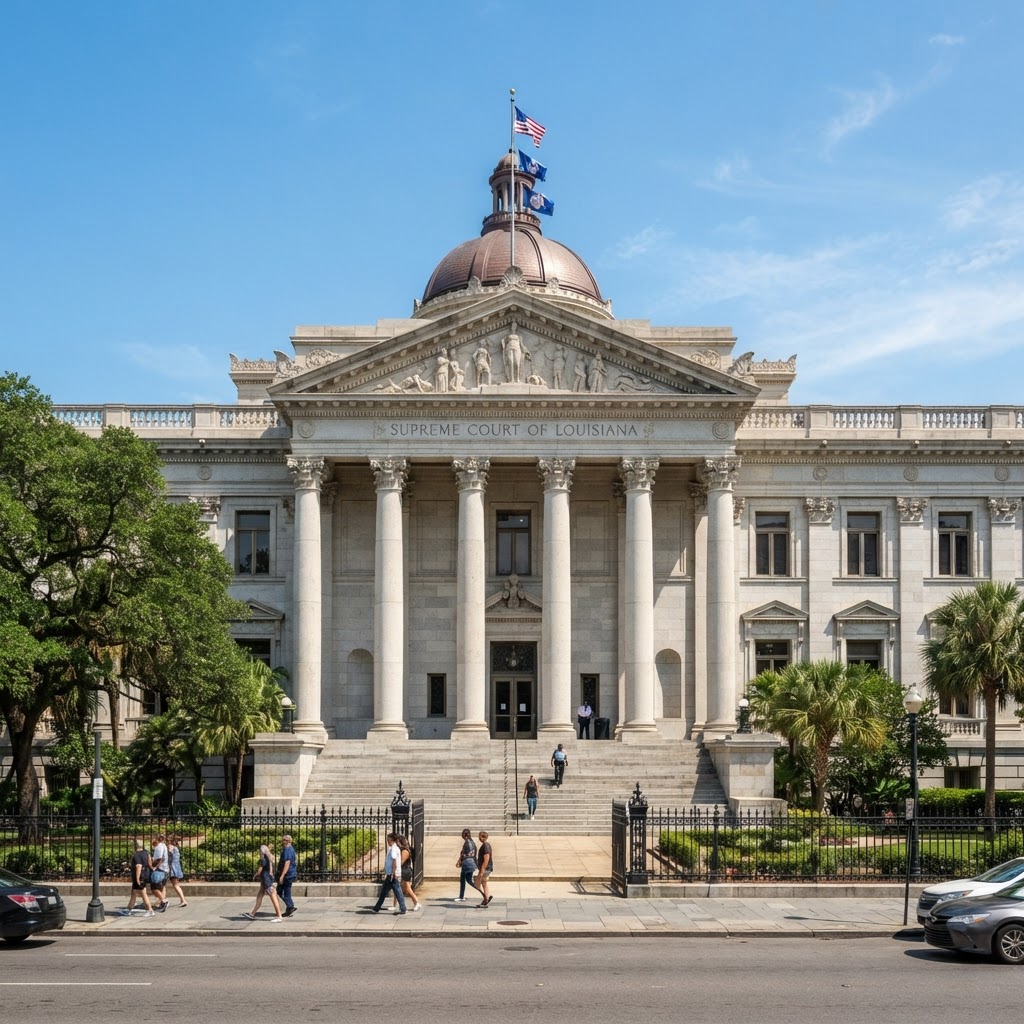
Louisiana Supreme Court Weighs In on AG Records Dispute
The Louisiana Supreme Court has prioritized a legal battle over grand jury records involving Attorney General Liz Murrill, marking a major development in the
WorthFighting.org News · 5 min read
Crime
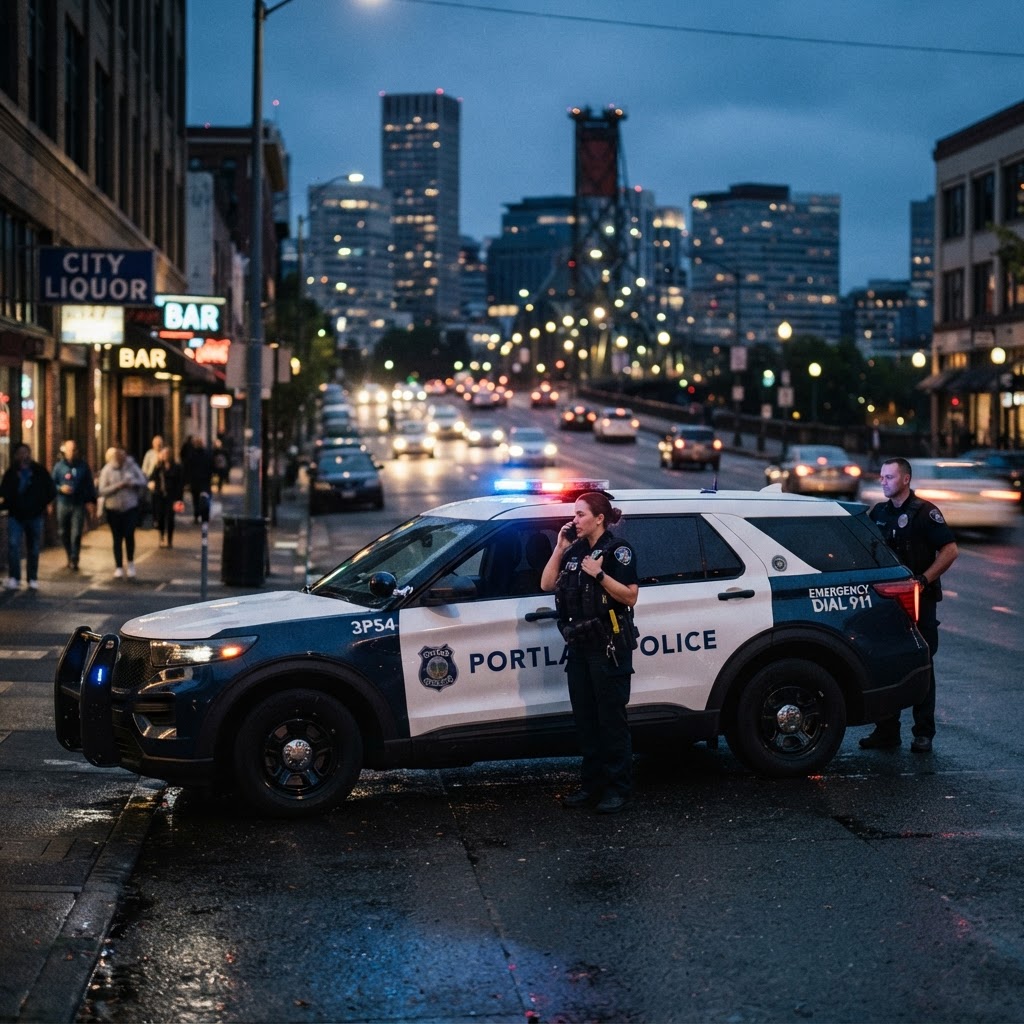
Portland Police Struggle With Critical Staffing Shortages
Portland faces a public safety crisis as police staffing shortages lead to delayed response times and uninvestigated crimes across the city.
WorthFighting.org News · 6 min read
Crime
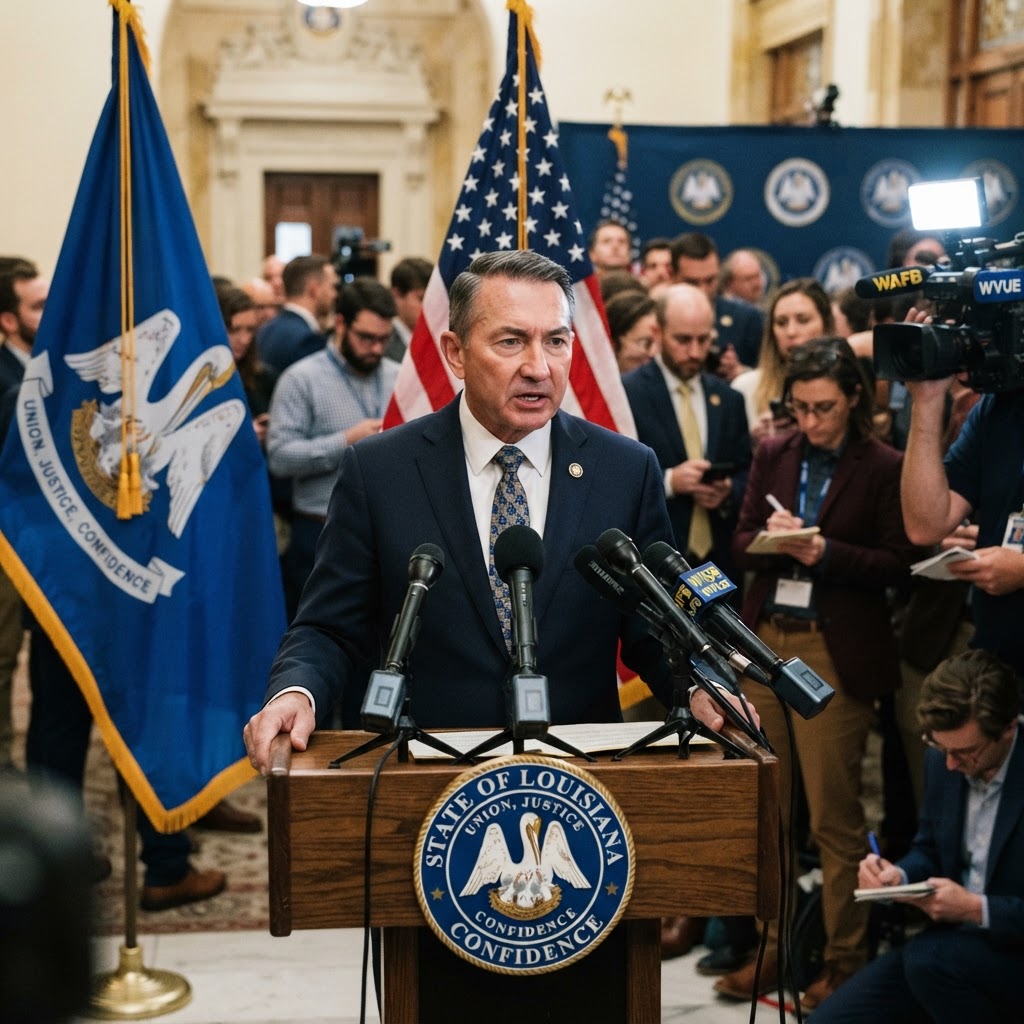
Governor Landry Declares Emergency Over Police Shortage
Governor Jeff Landry has declared a state of emergency in Louisiana to address a critical shortage of law enforcement officers across the state.
WorthFighting.org News · 6 min read
Related Resources
Related Articles
23 itemsSame category: Crime
Same category: Crime
Same category: Crime
Related Breaking News
2 itemsRelated Issue Hubs
1 item
What People Are Reading
East Providence Taxpayers Hit With 3.5% Property Tax Hike

Florida Homeowners Remain Skeptical of Insurance Reforms
Chicago Aldermen Clash Over Mayor Johnson’s Budget Cuts
Alabama Supreme Court Weighs Absentee Ballot Law

Wyoming Energy Authority Launches Power Grid Study
Take Action
This country is worth fighting for. Get involved today.