
Seattle Moves to Restore Drug-Free Zones for Public Safety
The Seattle City Council introduces legislation to revive SODA and SOAP zones, aiming to ban repeat drug and prostitution offenders from high-crime areas.
WorthFighting.org News
Staff Writer
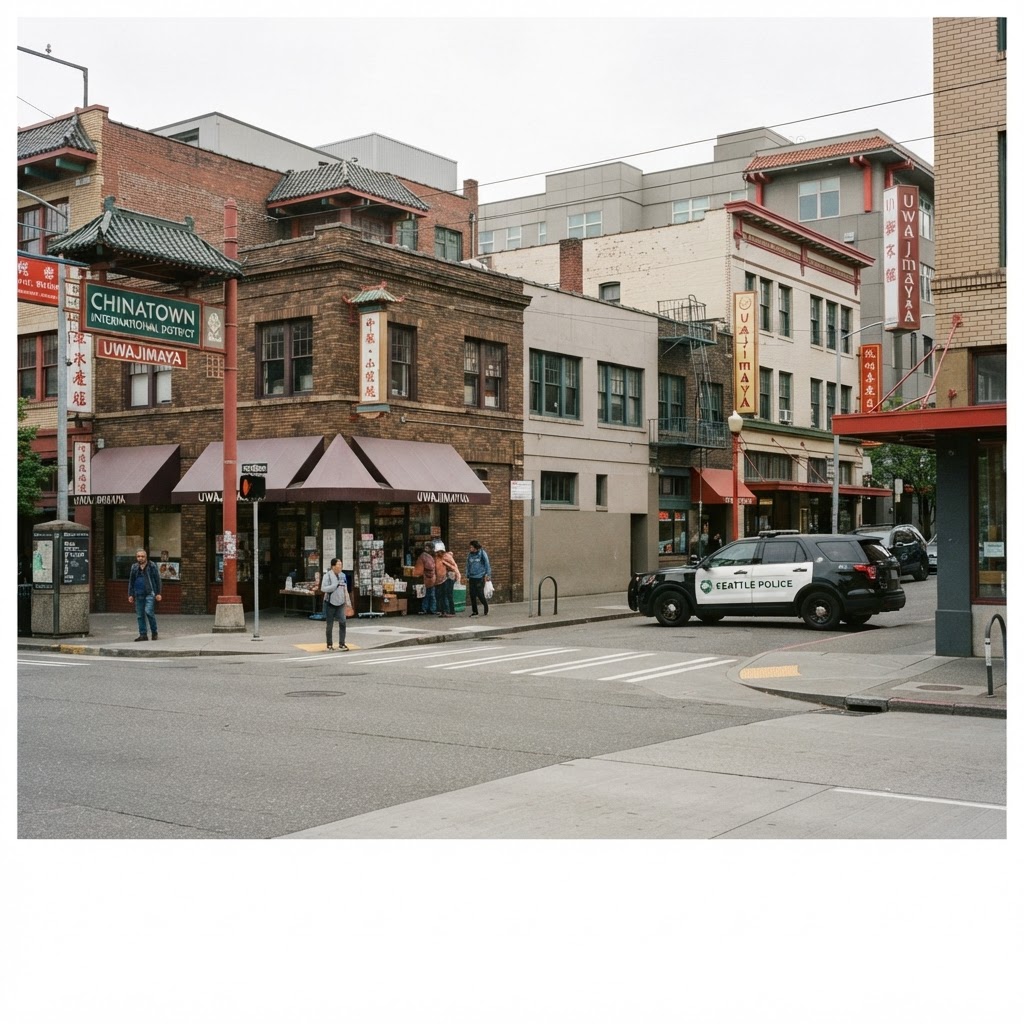
Restoring Order to the Emerald City
The Seattle City Council is taking a decisive step toward reclaiming the streets from the grip of the drug crisis and human trafficking. In a move that signals a hardening stance on Crime, local lawmakers introduced legislation this week to establish 'Stay Out of Drug Area' (SODA) and 'Stay Out of Area of Prostitution' (SOAP) zones. The proposal, led by a new wave of more moderate and conservative-leaning councilmembers, seeks to provide law enforcement with the tools necessary to protect families and small businesses in Washington.
For residents of King County, the sight of open-air drug markets and rampant illicit activity has become an all-too-familiar burden. Under the new proposal, the city would designate specific high-crime corridors where judges could legally ban repeat offenders. This 'stay out' order would serve as a condition of release or sentencing, giving the Seattle Police Department clear authority to arrest individuals who knowingly return to these zones to continue their criminal activity.
Targeting the Crisis Zones
The proposed SODA zones are strategically placed in areas that have seen the most significant decay in public order. These include large swaths of Downtown, the Belltown neighborhood, and the historic Chinatown-International District (CID). Business owners in the CID have been particularly vocal, reporting that persistent drug dealing and the associated violence have driven away customers and threatened the survival of multi-generational family enterprises.
In addition to the drug-focused zones, the legislation takes aim at the exploitation occurring along Aurora Avenue North. By reinstating SOAP zones, the city intends to disrupt the human trafficking rings that have long plagued this corridor. These zones allow the courts to prohibit those arrested for prostitution-related offenses from returning to the area, a move designed to break the cycle of victimization and criminal congregation that occurs near residential areas and local schools.
A Shift in Strategy
This legislative push represents a dramatic departure from the policies that defined Seattle over the last four years. Following the unrest of 2020, the city saw a reduction in police resources and a move toward 'harm reduction' models that many residents feel have only exacerbated the problem. The current initiative, spearheaded by Councilmembers Cathy Moore, Bob Kettle, and Rob Saka, reflects a growing demand for accountability.
'Our residents and small business owners are pleading for help,' Councilmember Moore stated during the introduction of the bill. The sentiment is echoed by many who believe that public spaces, such as those near Pike Place Market and the Seattle Waterfront, should be safe for everyone rather than dominated by illicit activity. By focusing on repeat offenders, the council is attempting to strike a balance between individual rights and the collective right to a safe community.
Protecting the Community
Critics of the measure argue that such zones merely displace crime to other parts of the city. However, supporters point out that the lack of enforcement has turned certain blocks into 'no-go' zones for law-abiding citizens. The SODA and SOAP zones are intended to be part of a broader strategy that includes increased police recruitment and enhanced prosecution for retail theft and drug distribution.
As the bill moves through the committee process, the Seattle City Council will face pressure from both activists and a weary public. For the 'America First' advocate, this development is a welcome sign that the pendulum is swinging back toward common-sense governance. Restoring the rule of law in major urban centers is not just a local issue; it is a vital component of maintaining the nation's economic and social stability.
Why This Matters
The revival of SODA and SOAP zones in Seattle marks a pivotal moment in the fight for public safety in the West. It acknowledges that compassion for the vulnerable must be balanced with the strict enforcement of laws that prevent chaos. For the people of Washington, this legislation is a long-overdue acknowledgment that the safety of the community must come before the convenience of those who repeatedly break the law. If successful, Seattle could serve as a blueprint for other cities looking to move past the failed experiments of the past decade and return to a foundation of order and security.
Comments (0)
Be the first to comment.
Related Stories
Crime
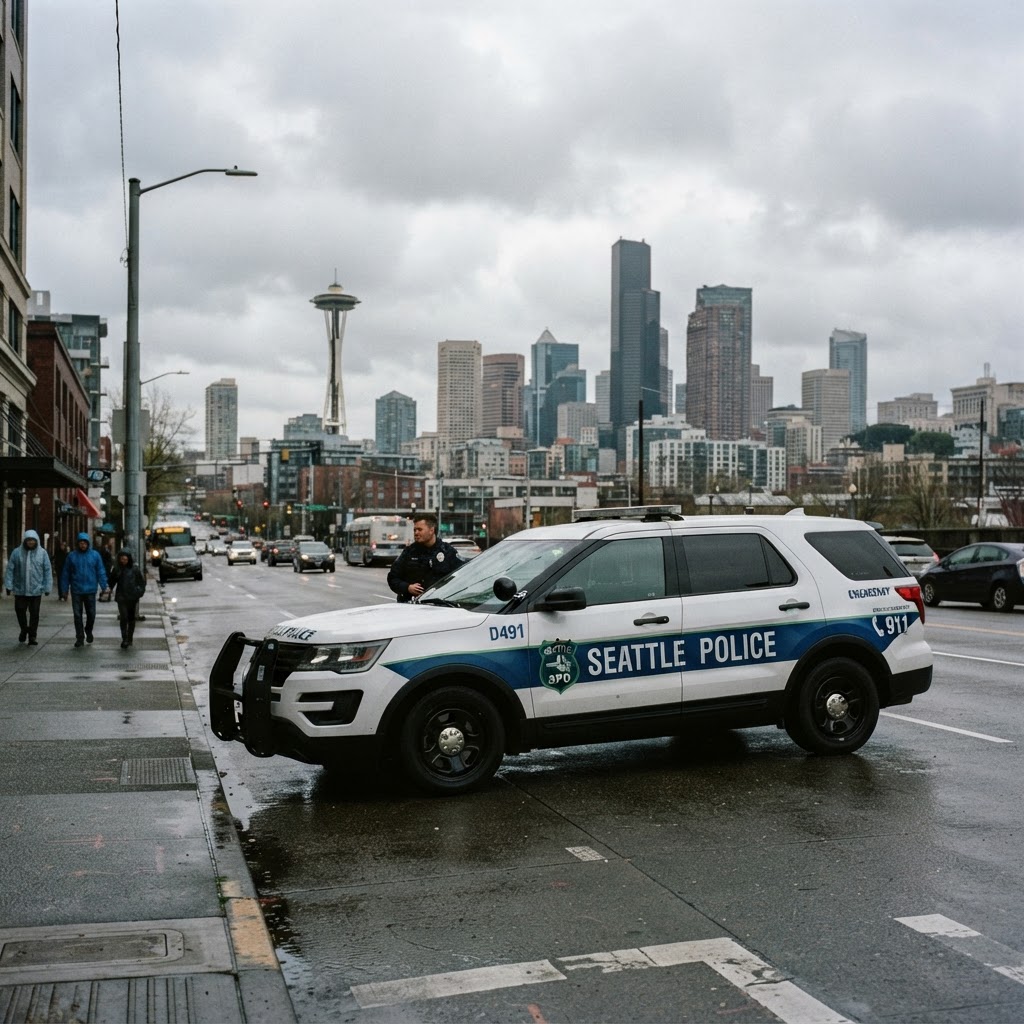
Seattle Police Budget Hike Sparks Staffing Concerns
Seattle City Council members are clashing over Mayor Katie Wilson's proposed 13.9% police budget increase, questioning if it will truly boost officer numbers.
WorthFighting.org News · 6 min read
Crime
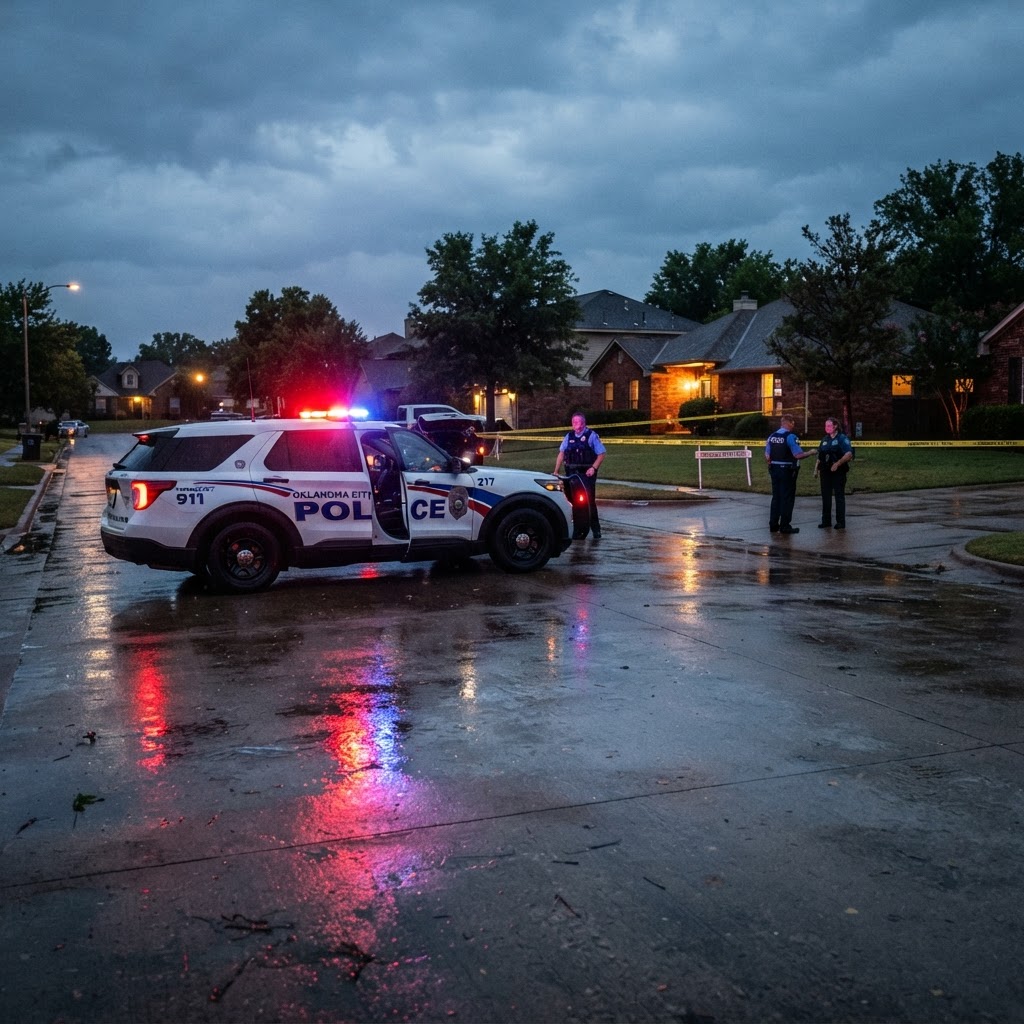
Rising Violence in Oklahoma City Sparks Community Concern
A series of violent incidents in Oklahoma City, including shootings and stabbings, has left residents on edge and demanding answers from local law enforcement.
WorthFighting.org News · 6 min read
Crime
Rhode Island Sues Meta Over Rampant Scam Advertising
Attorney General Peter Neronha has filed a lawsuit against Meta, alleging the tech giant profits from billions of dollars in fraudulent ads on its platforms.
WorthFighting.org News · 6 min read
Crime
Louisiana Supreme Court Weighs In on AG Records Dispute
The Louisiana Supreme Court has prioritized a legal battle over grand jury records involving Attorney General Liz Murrill, marking a major development in the
WorthFighting.org News · 5 min read
Crime
Portland Police Struggle With Critical Staffing Shortages
Portland faces a public safety crisis as police staffing shortages lead to delayed response times and uninvestigated crimes across the city.
WorthFighting.org News · 6 min read
Crime
Rhode Island Implements New Rules for License Plate Readers
The McKee administration has released new guidance for automated license plate readers to ensure consistent data sharing and privacy standards across the state.
WorthFighting.org News · 5 min read
Related Resources
Related Articles
16 itemsSame category: Crime
Same category: Crime
Same category: Crime
Related Breaking News
3 itemsSame category: Crime
Same category: Crime
Shared keywords: public
What People Are Reading
East Providence Taxpayers Hit With 3.5% Property Tax Hike

Florida Homeowners Remain Skeptical of Insurance Reforms
Chicago Aldermen Clash Over Mayor Johnson’s Budget Cuts
Alabama Supreme Court Weighs Absentee Ballot Law

Wyoming Energy Authority Launches Power Grid Study
Take Action
This country is worth fighting for. Get involved today.