
SCOTUS Strikes Down Lawless ATF Bump Stock Ban in Major 2A Victory
The Supreme Court's ruling in Garland v. Cargill is a massive victory for the Second Amendment, striking down the ATF's lawless and arbitrary ban on bump
James Sterling
Senior Correspondent

Wikimedia Commons / CC BY-SA 3.0
Key Takeaways
- 1.The Supreme Court ruled 6-3 that the ATF exceeded its authority by classifying bump stocks as machine guns.
- 2.Justice Clarence Thomas clarified that a bump stock does not allow a rifle to fire more than one shot by a 'single function of the trigger.'
- 3.The decision protects gun owners from arbitrary federal reclassifications and reinforces that only Congress can change federal firearm laws.
The administrative state just received a long-overdue reality check from the highest court in the land. In a massive victory for the Second Amendment and a definitive rebuke of bureaucratic overreach, the Supreme Court has struck down the ATF’s lawless ban on bump stocks. This ruling doesn't just protect a specific firearm accessory; it reaffirms a fundamental American principle: Federal agencies do not have the power to write their own laws.
In the landmark case Garland v. Cargill, the Court ruled 6-3 that the Bureau of Alcohol, Tobacco, Firearms and Explosives (ATF) exceeded its statutory authority when it unilaterally decided to classify bump stocks as "machine guns." The decision, authored by Justice Clarence Thomas, serves as a masterclass in statutory interpretation and a warning to every unelected bureaucrat in Washington that the days of "governing by memo" are coming to an end.
The Facts: What the Court Actually Decided
For years, the ATF correctly maintained that bump stocks—accessories that assist a shooter in utilizing the recoil of a semi-automatic firearm to fire more rapidly—did not transform those firearms into machine guns. However, following the tragic shooting in Las Vegas, the agency reversed course under intense political pressure. The 2018 regulation required hundreds of thousands of law-abiding Americans to either surrender their property or face felony charges.
The Supreme Court has now ended that charade. Writing for the majority, Justice Clarence Thomas focused on the plain text of the National Firearms Act. He noted that a semi-automatic rifle equipped with a bump stock does not fire more than one shot by a "single function of the trigger."
"A bump stock does not alter the basic mechanics of a semi-automatic weapon," Thomas wrote. The trigger still must reset and be activated for every single shot fired. This distinction is not merely a technicality; it is the difference between legal ownership and a federal felony. By pretending the definition of a machine gun was flexible enough to include these devices, the ATF wasn't just interpreting the law—it was rewriting it.
This decision mirrors other recent efforts to rein in the administrative state, much like when a NM Judge Blocks Magazine Ban as Unconstitutional, proving that the judiciary is increasingly acting as a firewall against executive branch overreach.
The Death of Administrative Creep
The most dangerous aspect of the ATF's ban wasn't just the restriction on Second Amendment rights; it was the precedent it set. If an agency can suddenly decide that a legal product is now a prohibited weapon—without a single vote from Congress—then no aspect of American life is safe from the whims of the "Deep State."
The Court clarified that only Congress has the power to change federal law regarding firearm definitions. If the government wants to ban bump stocks, they must go through the legislative process, where representatives are accountable to the people. They cannot simply use the ATF as a tool to bypass the Constitution.
This ruling protects gun owners from sudden, arbitrary reclassifications of legal accessories. For too long, the Department of Justice has been weaponized to target political opponents and law-abiding citizens. We see this pattern of behavior elsewhere, which is why Missouri AG Bailey Sues DOJ Over Trump 'Lawfare' to stop the abuse of federal power for partisan ends.
A Win for Originalism and the Rule of Law
Justice Thomas’s majority opinion was joined by the Court’s other conservative justices, who recognized that the ATF’s flip-flop was a violation of the separation of powers. The ruling overturns a regulation that had forced owners to destroy or turn in their devices, effectively restoring property rights to thousands of Americans.
The liberal wing of the Court, in their dissent, argued that the "function" of the device should matter more than the mechanical reality of the trigger. But as the majority pointed out, the law is not based on how a weapon "feels" or how fast it can fire; it is based on the specific definitions enacted by Congress. The ATF's attempt to use "common sense" as a cover for lawlessness was soundly rejected.
The Conservative Case: Protecting the Republic
This victory is about more than just the Second Amendment. It is about the survival of our constitutional republic. When we allow unelected bureaucrats to determine the scope of our rights, we are no longer a self-governing people. We are subjects of a managerial elite.
The Garland v. Cargill decision is a signal that the Supreme Court is serious about dismantling the “Chevron deference” mindset that has allowed agencies to run wild for decades. It asserts that the text of the law matters, that the intent of the legislature matters, and that the rights of the individual are not subject to the shifting winds of political expediency.
For the America First movement, this is a defining moment. It proves that the appointments of constitutionalist judges have lasting, tangible impacts on our freedoms. We have seen what happens when the administrative state is left unchecked—from the weaponization of the DOJ to the overreach of the EPA. Today, the Second Amendment stood its ground, and the bureaucrats blinked.
As we move toward 2026, the focus must remain on ensuring that every federal agency is brought back under the control of the Constitution. This ruling is a great start, but the fight to reclaim our sovereignty from the halls of Washington is far from over. We must continue to demand that our leaders defend the literal text of the Constitution, not the convenience of the bureaucracy.
Comments (0)
Be the first to comment.
Sources
- 1.Supreme Court of the United States - Opinion in Garland v. CargillLegal DocumentAccessed Jul 18, 2026
- 2.National Review - SCOTUS Bump Stock Ruling AnalysisNews ArticleAccessed Jul 18, 2026
Related Stories

Crime
Seattle Police Budget Hike Sparks Staffing Concerns
Seattle City Council members are clashing over Mayor Katie Wilson's proposed 13.9% police budget increase, questioning if it will truly boost officer numbers.
WorthFighting.org News · 6 min read

Economy
Nebraska Property Tax Reform Remains Top Priority for Voters
As Nebraska voters head toward the 2026 election, property tax relief remains a central issue. Legislative efforts continue to address the state's tax burden.
WorthFighting.org News · 6 min read

Economy
Florida Homeowners Remain Skeptical of Insurance Reforms
Despite state claims of a stabilizing insurance market, a new survey reveals that many Florida homeowners continue to struggle with high premiums and coverage
WorthFighting.org News · 6 min read

Crime
Rhode Island Sues Meta Over Rampant Scam Advertising
Attorney General Peter Neronha has filed a lawsuit against Meta, alleging the tech giant profits from billions of dollars in fraudulent ads on its platforms.
WorthFighting.org News · 6 min read
Economy
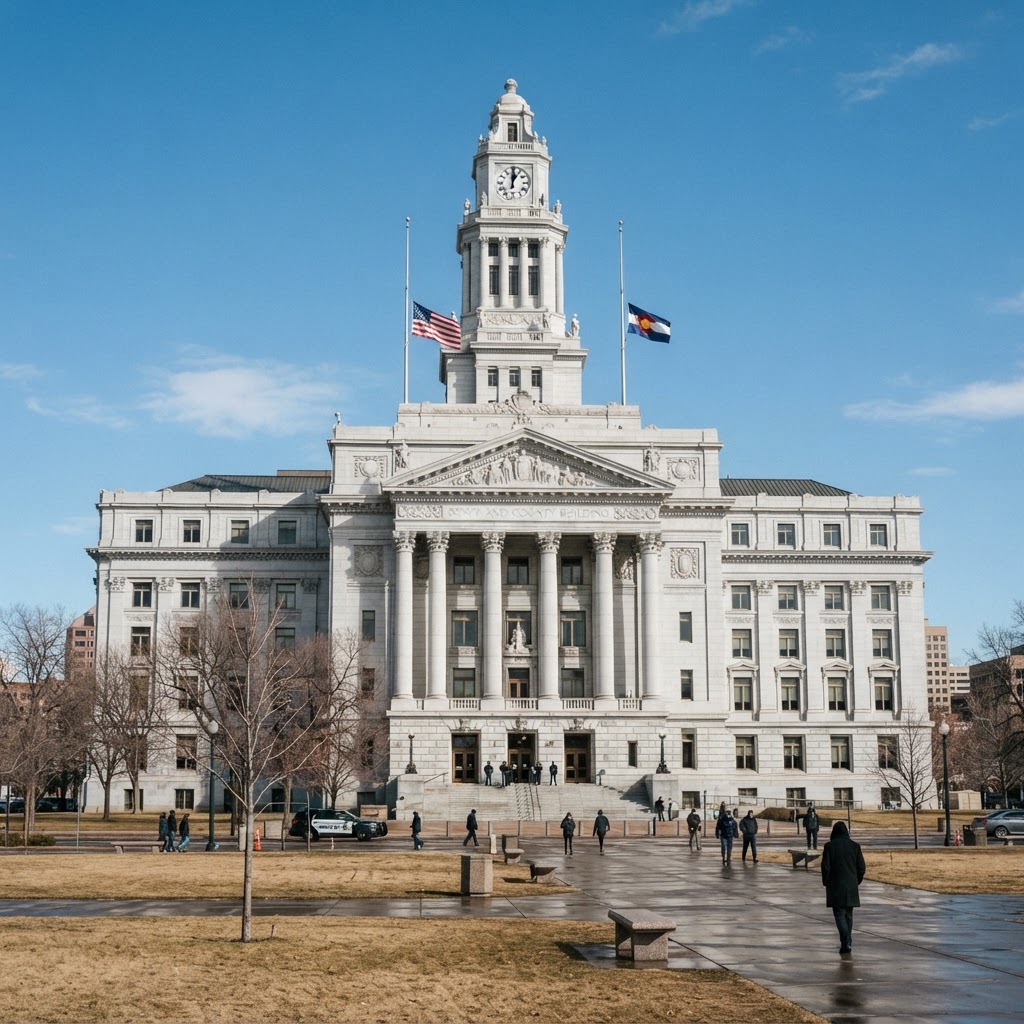
Denver Budget Standoff: Mayor Rejects Key Council Requests
Denver Mayor Mike Johnston has rejected major City Council budget requests, leaving critical public safety and infrastructure funding in a state of uncertainty.
WorthFighting.org News · 6 min read
Education
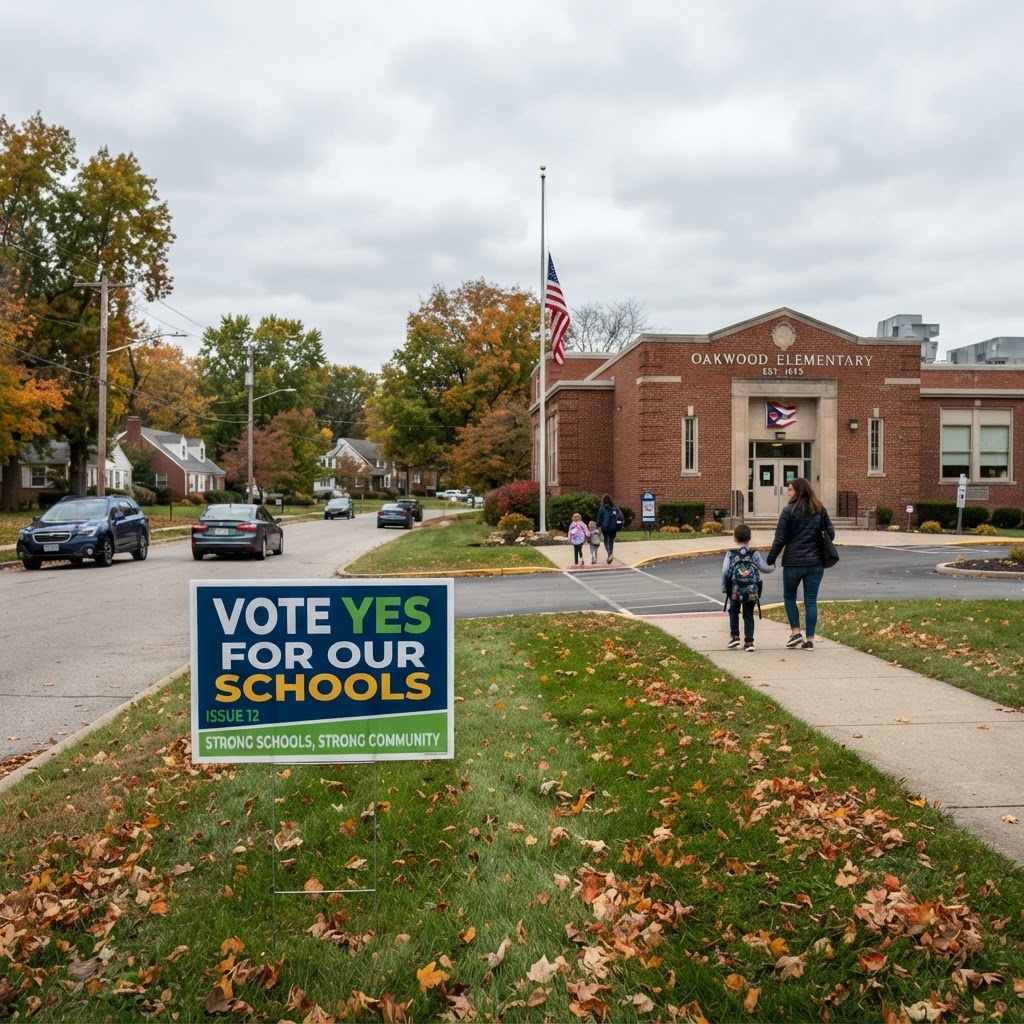
Ohio School Districts Face Financial Crisis at the Ballot
Across Ohio, multiple school districts are heading to the November ballot with critical tax levies, warning of severe budget cuts and potential consolidation.
WorthFighting.org News · 6 min read
Related Resources
Related Articles
8 itemsSame category: Supreme Court
Same category: Supreme Court
Same category: Supreme Court
Related Breaking News
3 itemsShared keywords: scotus, supreme, court, amendment
Shared keywords: scotus, ruling, supreme, court
Shared keywords: scotus
What People Are Reading

DHS Border Encounter Statistics: June 2026 Report

Wyoming Energy Authority Launches Power Grid Study

Iowa City School Board Approves $7.5M in Budget Cuts
Trump administration proposes stripping tax-exempt status from schools using race-based programs

California
Take Action
This country is worth fighting for. Get involved today.