
Salt Lake County Pushes Massive 20% Property Tax Hike
Salt Lake County Mayor Jenny Wilson has proposed a 19.63% property tax increase, citing inflation and rising operational costs as the primary drivers.
WorthFighting.org News
Staff Writer
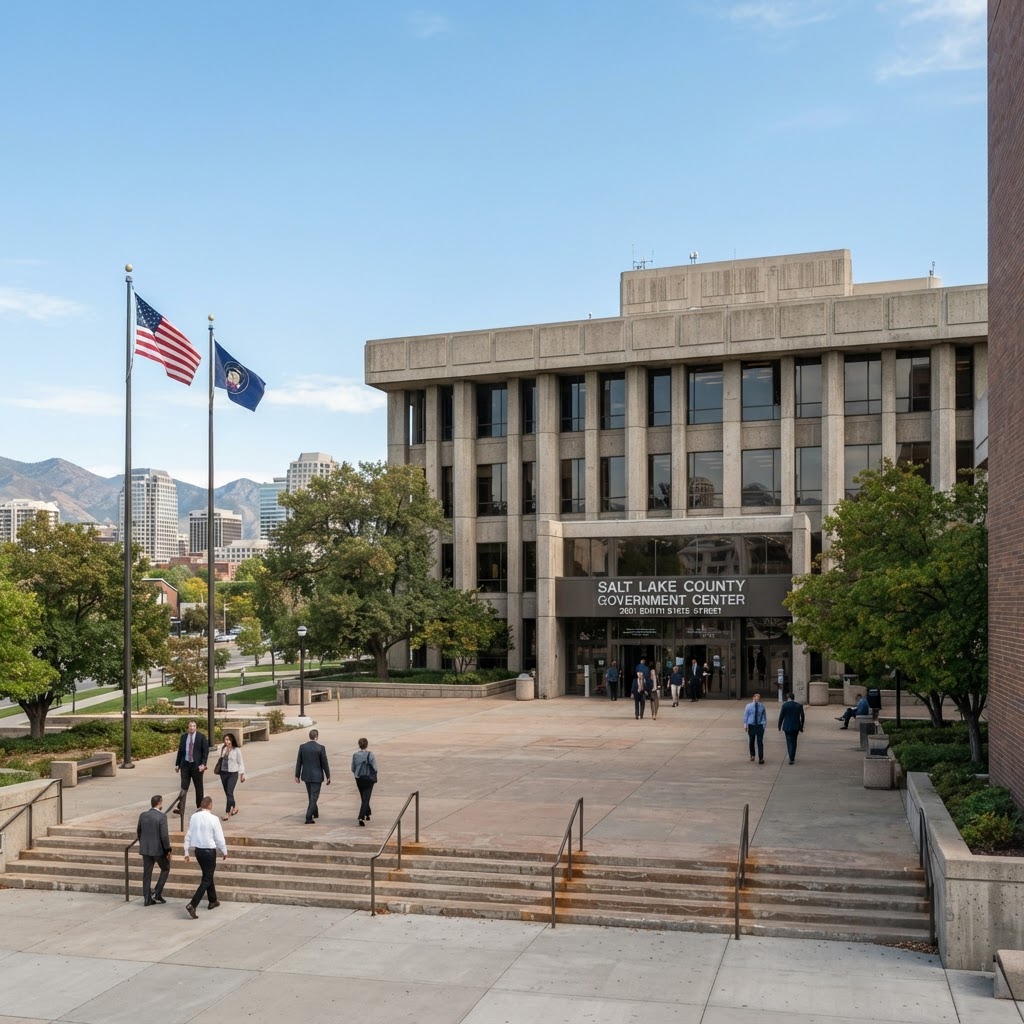
A Growing Burden on Taxpayers
In a move that has sparked immediate backlash from local residents, Salt Lake County Mayor Jenny Wilson has officially proposed a 19.63% property tax increase as part of the 2026 budget. The proposal, unveiled to the Salt Lake County Council, marks the first time in six years that the county has sought to raise property taxes, ending a period of relative fiscal stability for homeowners in the region.
For many families in Salt Lake City and the surrounding areas, this news comes at a difficult time. With the cost of living already elevated due to national inflationary pressures, the prospect of an additional $7.28 per month on the average household tax bill is being met with significant frustration. During public presentations, residents have voiced their opposition, with some labeling the move as an excessive demand on citizens who are already tightening their own belts.
The Case for the Increase
Mayor Wilson has defended the proposal as a necessary, albeit painful, step to maintain the county’s financial health. According to the administration, the county has spent years absorbing rising costs related to technology, infrastructure, staff compensation, and essential services without passing those costs onto the taxpayer.
"For years, Salt Lake County has absorbed rising costs... without raising taxes. Those costs have now outpaced revenue growth for too long, creating a structural gap we can no longer ignore," Wilson stated during her budget pitch. The administration argues that the increase is vital to protecting the county’s AAA bond rating and ensuring that public safety and criminal justice services remain fully funded.
For more on how local fiscal policies impact your community, visit our Economy section.
Public Pushback and Accountability
The proposal has not gone unchallenged. Shortly after the announcement, a group of concerned residents filed a petition seeking a referendum to overturn the tax hike. This grassroots effort highlights a growing divide between local government officials and the taxpayers they represent. Critics argue that the county should prioritize further budget cuts and internal efficiencies before asking residents to pay more.
This situation is part of a broader trend of local governments across the country struggling to balance their books as federal pandemic-era funding dries up. In Salt Lake County, the debate is centered on whether the government has truly exhausted all other options before turning to the taxpayers. As the county council prepares for final budget decisions, the pressure from the public remains high, with many demanding more transparency regarding how these funds will be utilized.
The Broader Impact
It is important to note that this property tax increase applies only to the county’s portion of the tax bill, which typically accounts for about 17% of a resident's total property tax obligation. However, when combined with potential tax hikes from cities, school districts, and other service providers, the cumulative effect on homeowners can be substantial.
As we continue to monitor this story, it serves as a reminder of the importance of staying engaged in local Elections and council meetings. When local governments face structural deficits, the first instinct is often to increase the tax burden rather than reduce the size and scope of government operations.
Why This Matters
This story is a clear example of the "America First" principle of fiscal responsibility. When local governments prioritize expanding their budgets over the financial well-being of their constituents, it is the duty of the people to demand accountability. The outcome of this budget battle will set a precedent for how Salt Lake County handles future fiscal challenges and whether it chooses to respect the taxpayer's wallet or continue down a path of increased spending.
Comments (0)
Be the first to comment.
Related Stories
Economy
Jersey City Hits Residents With 15% Property Tax Hike
Jersey City officials have officially approved a 15.15% property tax increase, capping off a contentious budget battle amid a massive municipal financial
WorthFighting.org News · 6 min read
Economy
Nebraska Property Tax Reform Remains Top Priority for Voters
As Nebraska voters head toward the 2026 election, property tax relief remains a central issue. Legislative efforts continue to address the state's tax burden.
WorthFighting.org News · 6 min read
Economy
Florida Homeowners Remain Skeptical of Insurance Reforms
Despite state claims of a stabilizing insurance market, a new survey reveals that many Florida homeowners continue to struggle with high premiums and coverage
WorthFighting.org News · 6 min read
Economy
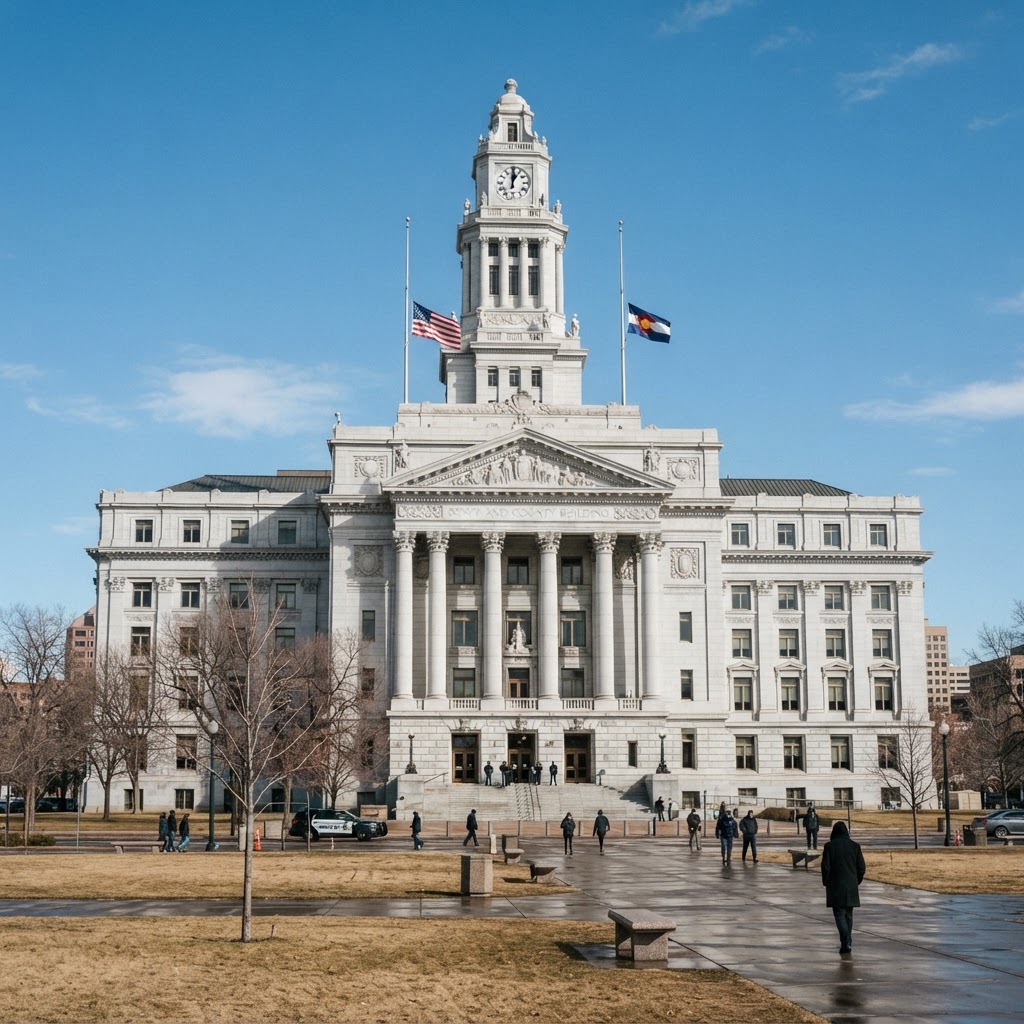
Denver Budget Standoff: Mayor Rejects Key Council Requests
Denver Mayor Mike Johnston has rejected major City Council budget requests, leaving critical public safety and infrastructure funding in a state of uncertainty.
WorthFighting.org News · 6 min read
Economy
Portland Budget Proposal Sparks Outrage Over Tax Hikes
Portland officials have unveiled a $363.9 million budget for 2027 that includes property tax increases and job cuts, leaving residents struggling with costs.
WorthFighting.org News · 6 min read
Economy
South Dakota Residents Push Back Against Energy Rate Hikes
South Dakota customers are organizing against a proposed 8.2% rate increase from MidAmerican Energy, citing concerns over rising costs for families and
WorthFighting.org News · 5 min read
What People Are Reading
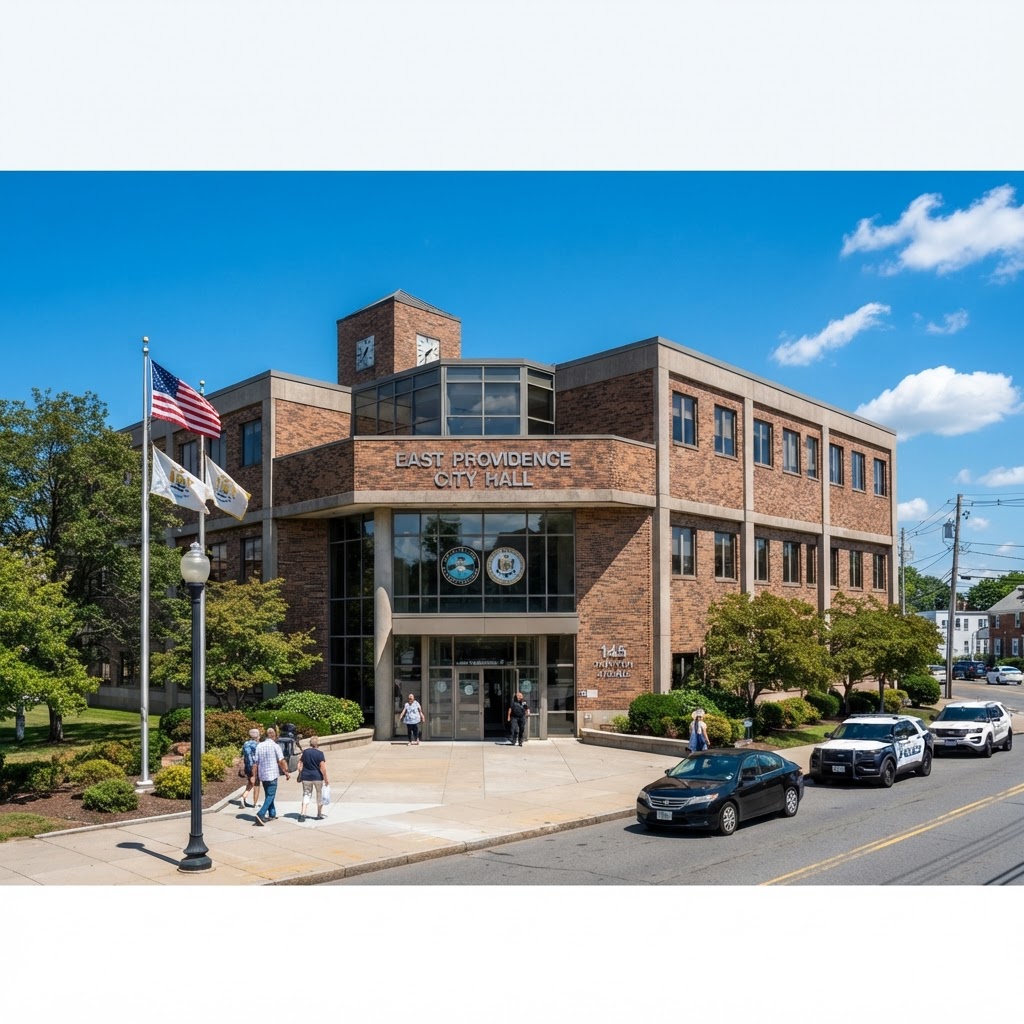
East Providence Taxpayers Hit With 3.5% Property Tax Hike
Florida Homeowners Remain Skeptical of Insurance Reforms
Chicago Aldermen Clash Over Mayor Johnson’s Budget Cuts
Alabama Supreme Court Weighs Absentee Ballot Law
Wyoming Energy Authority Launches Power Grid Study
Take Action
This country is worth fighting for. Get involved today.