
Understanding the Roots of Modern Conflict
From the Middle East to Eastern Europe, today's conflicts have deep historical roots. A primer on how we got here.
Derek J
Admin - Senior Correspondent

Why History Matters
Every conflict has a backstory — often one that stretches back decades or centuries. Understanding those histories doesn't justify violence, but it does help explain why seemingly intractable disputes persist, and why simple solutions rarely work.
This explainer provides historical context for several ongoing conflicts. It is not exhaustive, and it takes no position on who is right. The goal is context, not advocacy.
The Legacy of Empire
Many of today's most dangerous flashpoints share a common origin: the collapse of empires and the arbitrary borders they left behind.
When the Ottoman, Austro-Hungarian, and British empires dissolved after World War I, colonial powers drew national boundaries with little regard for the ethnic, religious, and tribal realities on the ground. The Sykes-Picot Agreement of 1916, for instance, divided the Middle East into British and French spheres of influence, creating nation-states that grouped together peoples with long histories of conflict — or separated peoples who shared a common identity.
The consequences are still unfolding. Many of the civil wars, border disputes, and ethnic conflicts that dominate headlines today can be traced, at least in part, to decisions made by diplomats who had never visited the regions they were dividing.
The Cold War's Shadow
The Cold War (1947-1991) added another layer of complexity. The United States and Soviet Union, seeking strategic advantage, supported governments, rebel groups, and dictators based on their alignment rather than their legitimacy.
In country after country — from Afghanistan to Angola, from Nicaragua to Vietnam — superpower competition fueled conflicts that outlasted the Cold War itself. Many of these conflicts simmer today, long after the geopolitical logic that created them has disappeared.
"You can't understand the present without understanding the past. And the past in many of these places includes foreign powers drawing lines on maps."
Failed States and Power Vacuums
When central authority collapses — whether through war, revolution, or state failure — the resulting power vacuum rarely remains empty. Local actors, militias, warlords, and extremist groups fill the void, often along ethnic, religious, or tribal lines.
Somalia, Libya, Yemen, and Syria all illustrate this pattern. In each case, the collapse of central authority led not to a peaceful reorganization but to fragmentation, with different regions controlled by different armed groups. Reconstituting a functioning state from these fragments is extraordinarily difficult, as decades of failed efforts demonstrate.
Resources and Greed
While identity — ethnic, religious, national — is often the visible driver of conflict, economic factors frequently lurk beneath the surface. The concept of "conflict resources" — diamonds, oil, minerals, timber — describes how valuable commodities can fund and prolong wars.
The civil wars in Sierra Leone and Liberia were fueled in part by conflict diamonds. The ongoing violence in the eastern Democratic Republic of Congo is entangled with the trade in coltan, cobalt, and gold — minerals essential to modern electronics. Understanding the economic incentives behind conflict is essential for designing effective responses.
Information Warfare
A new dimension of modern conflict is the information space. Social media has transformed how conflicts are perceived, funded, and fought. Disinformation campaigns, the spread of inflammatory content, and the use of platforms for recruitment have added a new layer of complexity to conflict dynamics.
This is not a purely technological problem — propaganda has always been part of warfare — but the speed, reach, and targeting capabilities of digital platforms represent a qualitative shift.
The Path Forward
There are no simple solutions to conflicts rooted in centuries of history. But several principles can guide those seeking to understand and, eventually, resolve them:
- Listen to local voices — external actors often misunderstand the conflicts they intervene in
- Understand the history — today's grievances have roots, and ignoring them guarantees failure
- Recognize complexity — most conflicts are not simply good vs. evil, but involve legitimate competing claims
- Prioritize civilian protection — in every conflict, the vast majority of victims are non-combatants
Conflict resolution is slow, difficult, and often unsatisfying. But understanding the roots of conflict is the necessary first step toward any lasting peace.
This is sample content created for demonstration purposes.
Comments (0)
Be the first to comment.
Related Stories
Crime
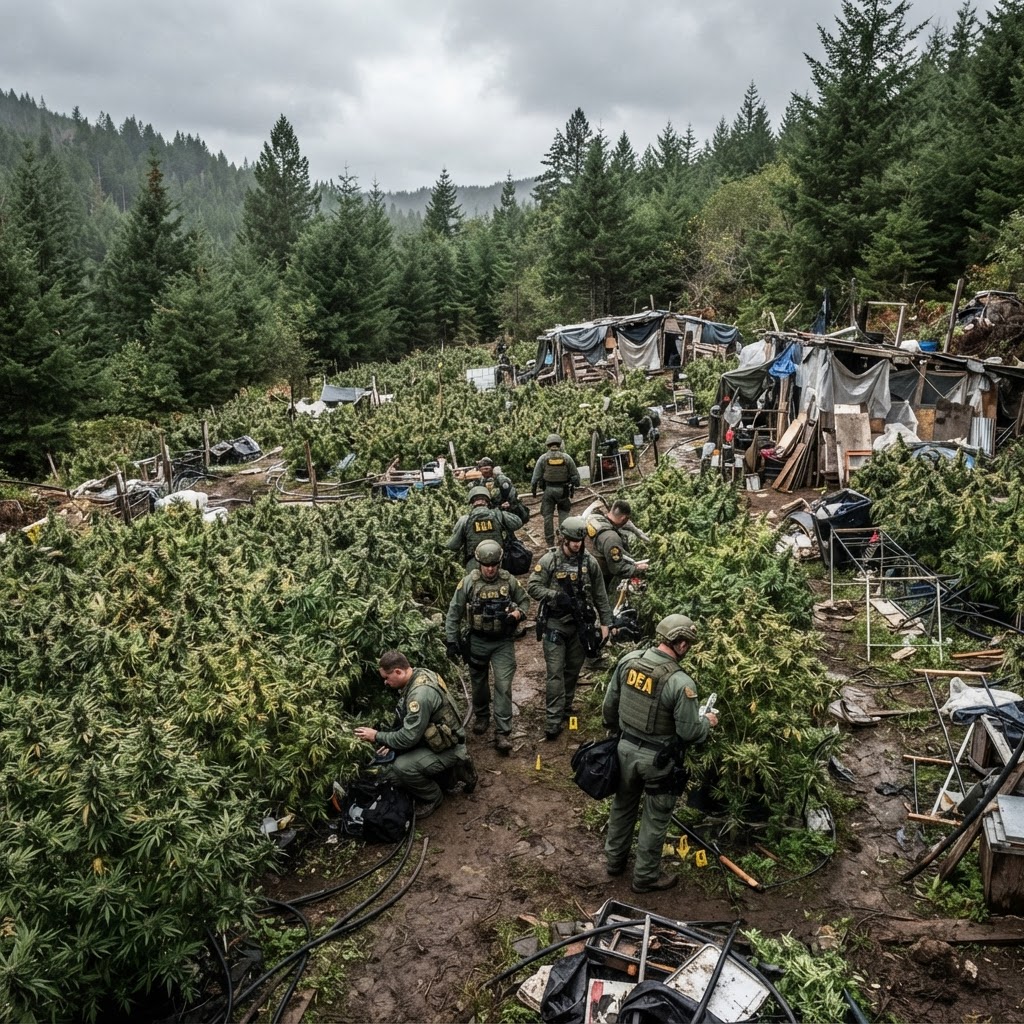
Oregon Authorities Bust $20M Illegal Marijuana Operation
Law enforcement in Oregon dismantled a massive illegal drug trafficking ring, seizing $20 million in cannabis and rescuing 55 laborers from inhumane conditions.
WorthFighting.org News · 6 min read

Education
Gillett Schools Slash Programs After Referendum Failure
The Gillett School District is moving forward with significant budget cuts following the recent failure of a local funding referendum by voters.
WorthFighting.org News · 5 min read
America First
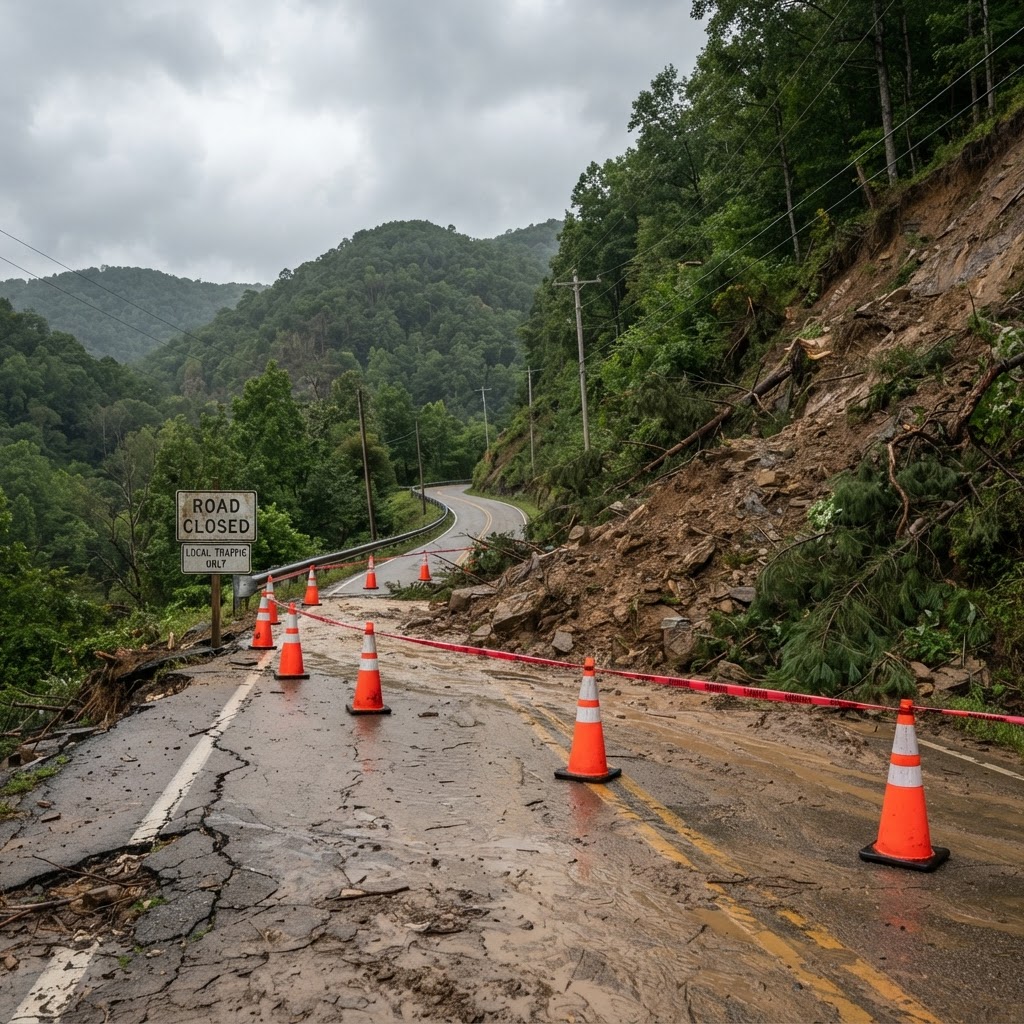
Leslie County Secures Emergency Funds for Road Repairs
The Kentucky Transportation Cabinet has awarded over $161,000 in emergency aid to Leslie County to address critical road slides and ensure community safety.
WorthFighting.org News · 5 min read
Education
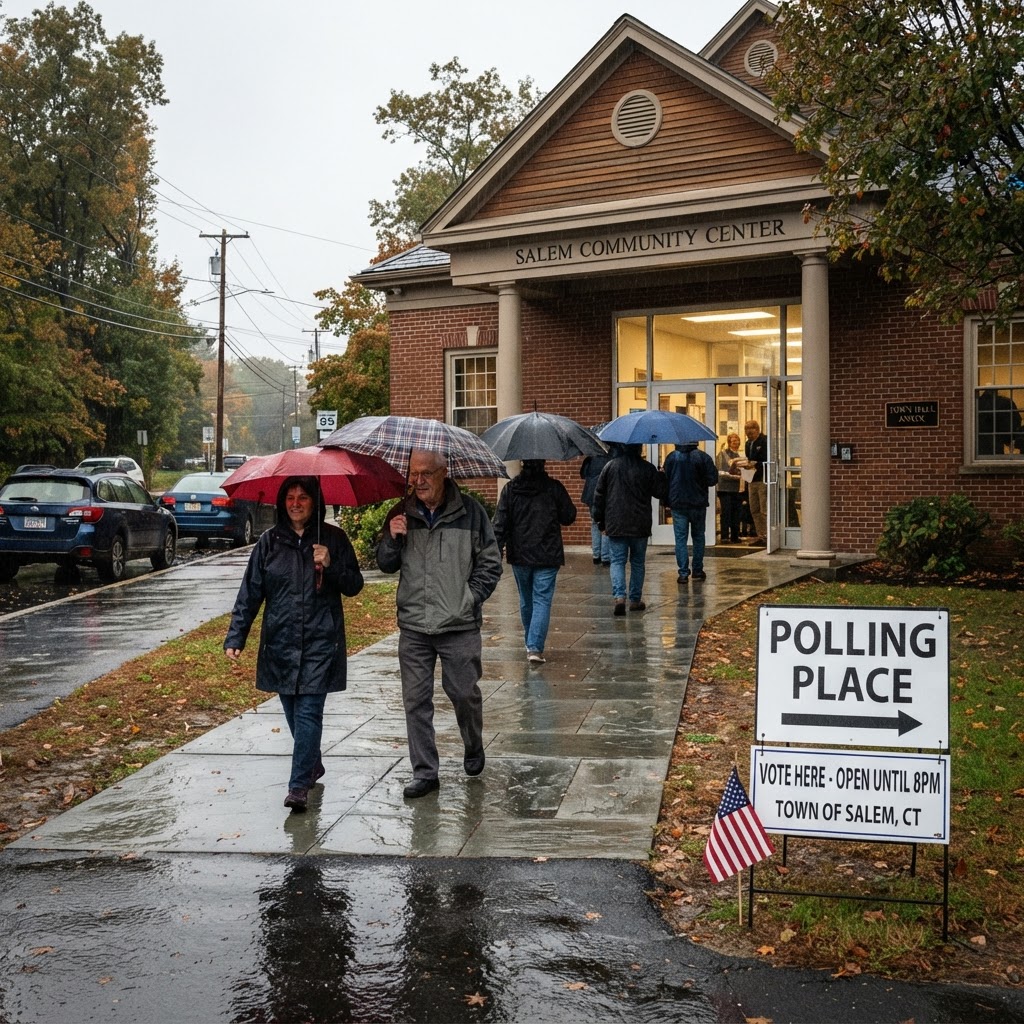
Plainfield Voters Secure School Funding in Second Ballot
Plainfield residents successfully passed a school budget in a second vote, effectively minimizing potential cuts to local education programs and staff.
WorthFighting.org News · 5 min read
Economy
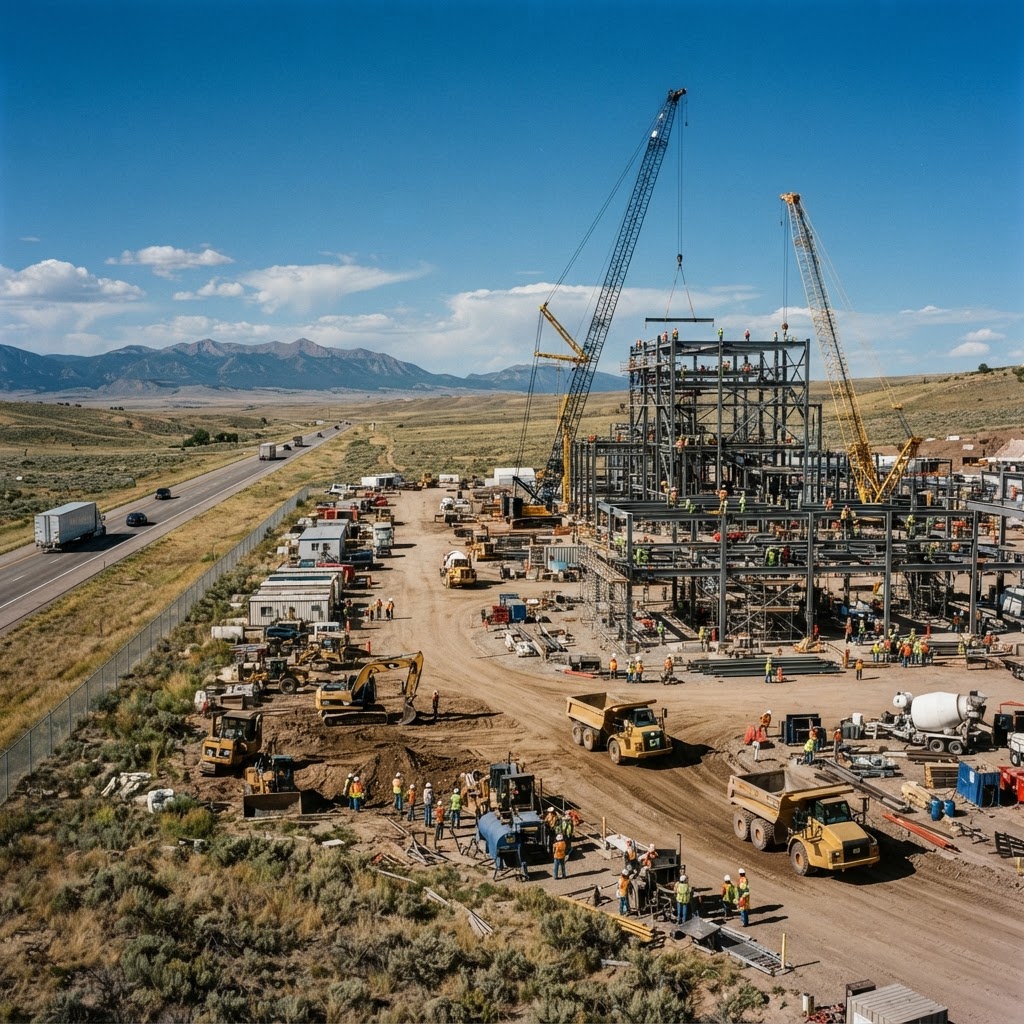
Cheyenne Data Center Project Shifts to Google Ownership
A massive $17 billion data center project near Cheyenne has officially transitioned to Google, marking a significant shift in Wyoming's industrial landscape.
WorthFighting.org News · 6 min read

Economy
Iowa Leads Nation with Historic Property Tax Reform
Governor Kim Reynolds has signed landmark legislation providing $4.2 billion in property tax relief, marking the largest reduction of its kind in the nation.
WorthFighting.org News · 6 min read
Related Resources
Related Articles
8 itemsSame category: Foreign Policy
Same category: Foreign Policy
Same category: Foreign Policy
Take Action
This country is worth fighting for. Get involved today.