Rhoden Defends SD Cattle Market at State Fair
South Dakota Gov. Larry Rhoden took aim at foreign beef imports and soaring consumer prices during his annual address at the South Dakota State Fair in Huron.
WorthFighting.org News
Staff Writer
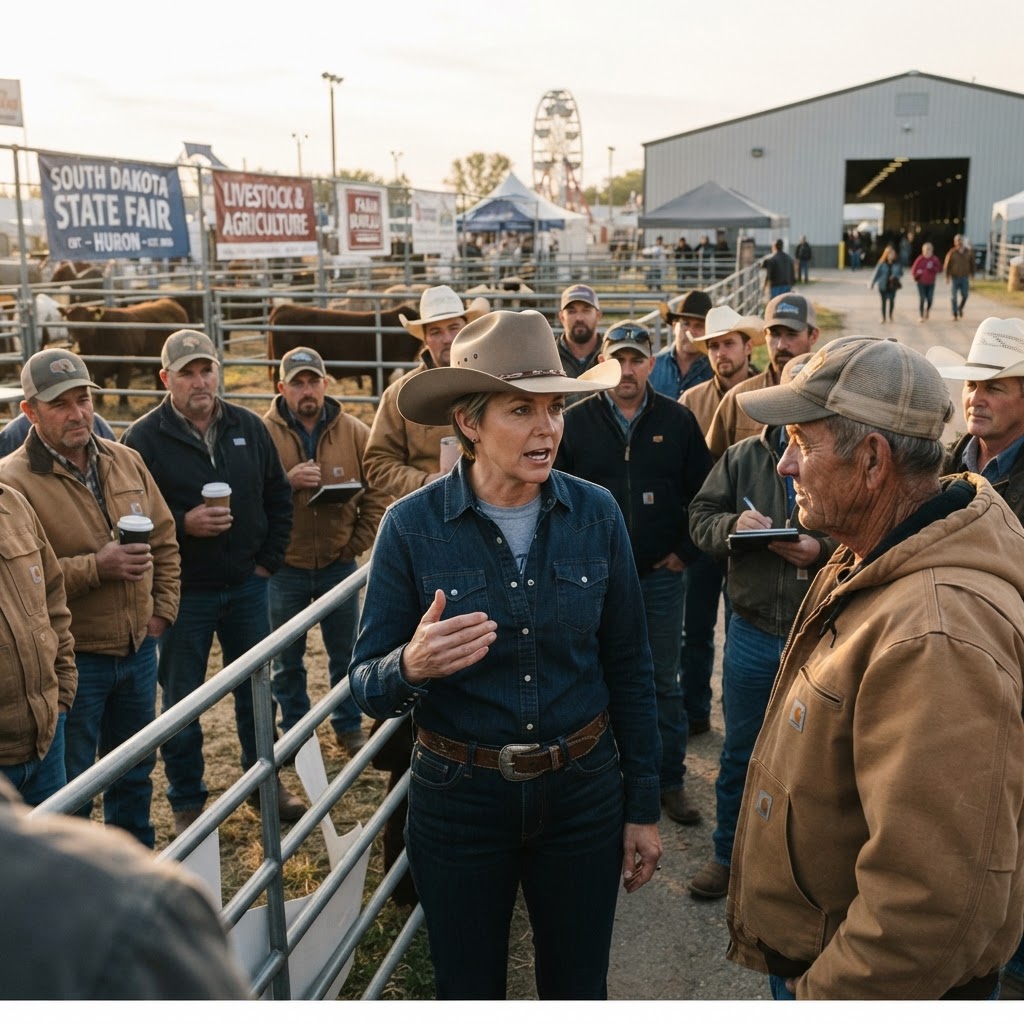
Standing Up for Heartland Producers in Huron
Speaking before a gathering of agricultural producers, ranchers, and fairgoers at the South Dakota State Fair in Huron, South Dakota Gov. Larry Rhoden delivered a pointed defense of the domestic livestock sector. The governor addressed the widening divergence between what American consumers pay at supermarket counters and the actual financial margins captured by hardworking family ranchers across the state.
Addressing the crowd in Beadle County, Rhoden honed in on two critical challenges squeezing livestock operations: the steady influx of foreign beef imports into American commercial supply chains and ongoing federal market policies that leave domestic producers vulnerable to price manipulation. The remarks come as South Dakota continues to assert its identity as an indispensable pillar of American food independence.
Rhoden underscored that maintaining a resilient agricultural base is not just an industry concern—it is a vital matter of national security and economic self-reliance. As foreign competitors attempt to flood the market, Heartland producers are demanding transparency, balanced trade, and fair treatment for domestic supply chains.
The Squeeze on American Cattle Herds
The cattle business across the Midwest has encountered historic pressures over the past two years. Prolonged regional dry spells, high pasture lease rates, and surging equipment and fertilizer overhead have pushed the national cattle herd to an alarming 75-year low. Despite those reduced herd numbers, ranch families frequently face depressed feeder cattle margins while corporate packers and retail distributors report record grocery prices.
Producers in attendance highlighted the frustration of watching retail steaks and ground beef surge to near-record price tags while family-operated ranches bear the financial brunt of volatile weather, elevated diesel costs, and heavy equipment repairs. Rhoden stressed that foreign cattle imports exacerbate these distortions by artificially dampening prices paid to American ranchers without delivering meaningful relief to consumer pocketbooks at checkout.
The push for structural transparency in livestock markets has gained traction in both Pierre and Washington. Lawmakers are seeking mechanisms that ensure independent ranchers have transparent pricing options and are not at the mercy of consolidated, multi-national meatpacking operations. The discussion connects directly to broader efforts by Heartland leaders to rebuild America First economic policies that protect domestic producers from international market distortions.
Washington Gridlock and the Farm Bill Push
Gov. Rhoden's address coincided with growing frustration across rural communities over the protracted delays in passing a renewed, long-term federal Farm Bill. The legislation—which establishes fundamental safety nets, livestock compensation frameworks, and trade parameters—remains stalled in Washington amidst ongoing legislative divides.
South Dakota’s federal delegation, including Sen. John Thune, Sen. Mike Rounds, and Rep. Dusty Johnson, has continuously lobbied for robust risk management tools, enhanced market transparency, and sensible regulatory rollbacks. Bipartisan efforts championed by Rounds have sought practical measures to expand available grazing land and preserve herd numbers as ranchers work to reverse the nationwide inventory decline.
State agricultural leaders have noted that while federal agencies debate nutrition and international trade carveouts, operational costs continue to mount for farmers handling daily tasks in communities from Aberdeen to Rapid City. Rhoden reinforced that state leaders will continue utilizing local administrative actions—such as recent emergency measures easing hauling regulations and drought resources—to stand by farmers where federal bureaucracy lags behind.
Fairgoers and industry leaders echoed the sentiment that maintaining agricultural infrastructure is crucial for rural Main Streets. Community vitality across counties like Beadle, Brown, and Spink relies directly on the purchasing power and profitability of local agricultural families.
Why This Matters
American food security begins with domestic ranchers who dedicate their lives to stewarding the land and providing high-quality beef for the nation. When foreign supply chains undermine family operations and processing monopolies capture inflated profits, working families on both ends of the supply chain—the producer and the consumer—end up bearing the cost. Ensuring fair markets and prioritizing domestic cattlemen directly defends American food independence and preserves the economic survival of rural Heartland communities.
Comments (0)
Be the first to comment.
Related Stories
America First
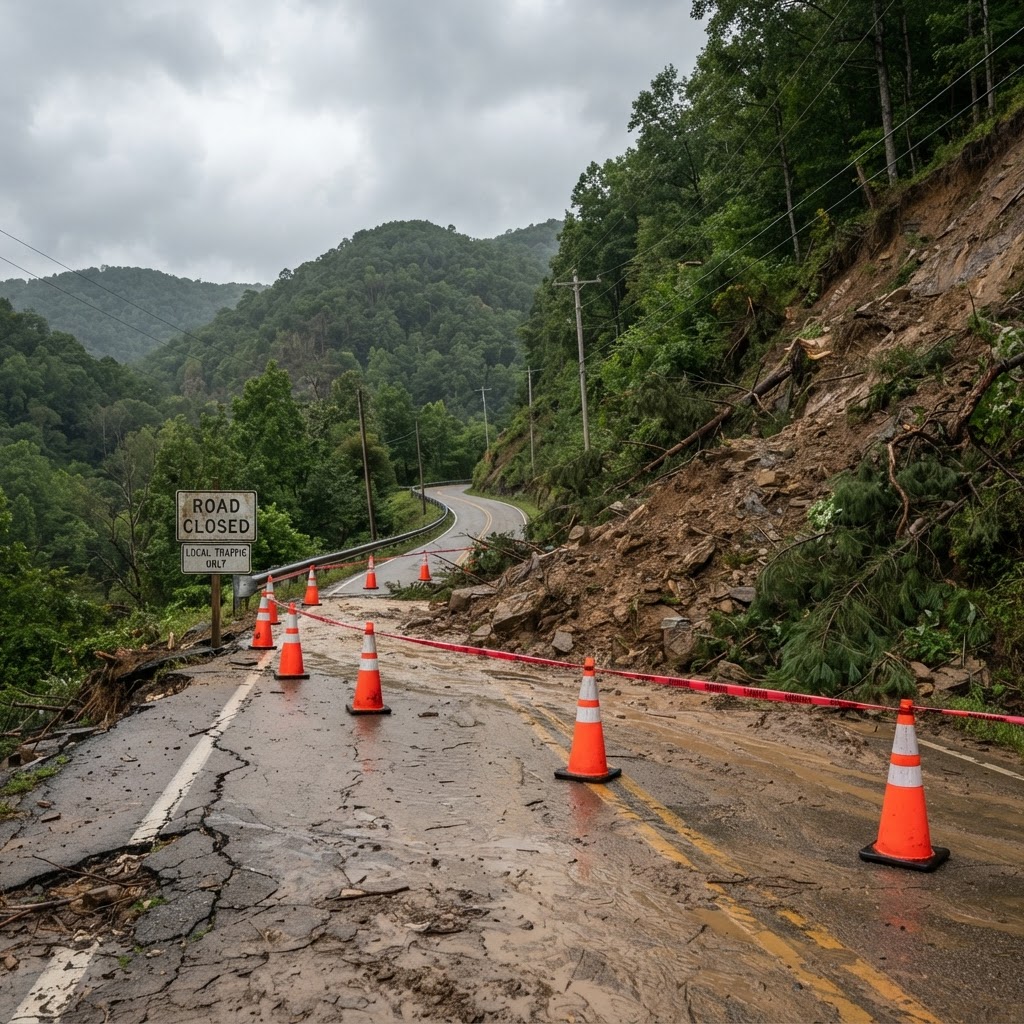
Leslie County Secures Emergency Funds for Road Repairs
The Kentucky Transportation Cabinet has awarded over $161,000 in emergency aid to Leslie County to address critical road slides and ensure community safety.
WorthFighting.org News · 5 min read
Crime
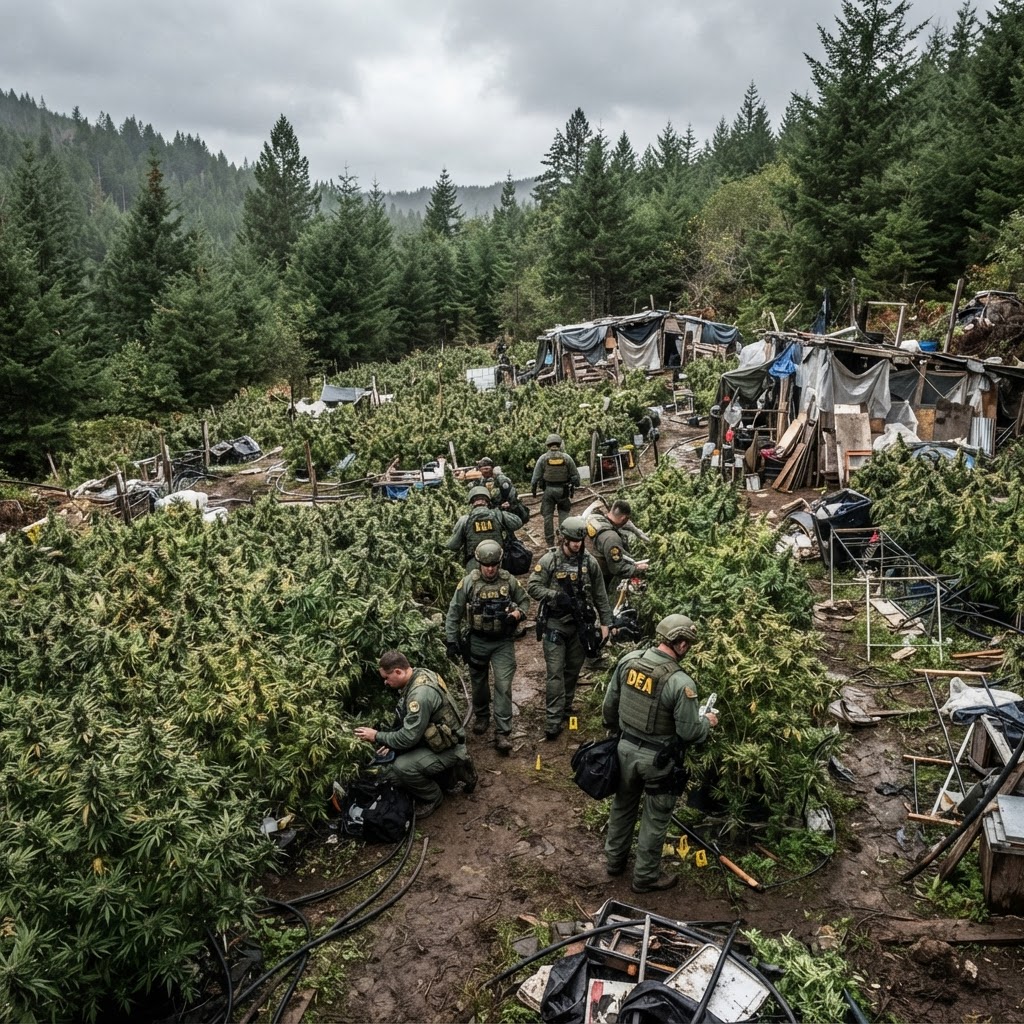
Oregon Authorities Bust $20M Illegal Marijuana Operation
Law enforcement in Oregon dismantled a massive illegal drug trafficking ring, seizing $20 million in cannabis and rescuing 55 laborers from inhumane conditions.
WorthFighting.org News · 6 min read
Education
Gillett Schools Slash Programs After Referendum Failure
The Gillett School District is moving forward with significant budget cuts following the recent failure of a local funding referendum by voters.
WorthFighting.org News · 5 min read
Education
Plainfield Voters Secure School Funding in Second Ballot
Plainfield residents successfully passed a school budget in a second vote, effectively minimizing potential cuts to local education programs and staff.
WorthFighting.org News · 5 min read
Economy
Cheyenne Data Center Project Shifts to Google Ownership
A massive $17 billion data center project near Cheyenne has officially transitioned to Google, marking a significant shift in Wyoming's industrial landscape.
WorthFighting.org News · 6 min read
Economy
Iowa Leads Nation with Historic Property Tax Reform
Governor Kim Reynolds has signed landmark legislation providing $4.2 billion in property tax relief, marking the largest reduction of its kind in the nation.
WorthFighting.org News · 6 min read
Take Action
This country is worth fighting for. Get involved today.