Philadelphia's Fake Crime Drop: Why Progressive DA Larry Krasner's Numbers Don't Tell the Whole Story
Philadelphia homicides dropped 60% by 2025, and SEPTA crime fell 30% in early 2026. Progressive DA Larry Krasner claims credit. But a Pew study reveals the neighborhood gaps that prove the story is more complicated.
WorthFighting Editorial Team
Senior Editor

The Numbers Game
Progressive Philadelphia District Attorney Larry Krasner has been touting declining crime statistics as proof that his policies are working. By the Philadelphia Police Department's own data, homicides are down nearly 24% as of July 2026, with 92 recorded compared to 121 at the same point in 2025. Total violent crimes are down about 4%, and property crimes have dropped over 9%. SEPTA, the city's transit system, reported a 30% drop in serious crime in the first quarter of 2026 — the lowest level since 2015. A Pew Research Center study confirmed that Philadelphia recorded 60% fewer homicides in 2025 than four years earlier.
These are impressive numbers, and Krasner's office has been working overtime to ensure they receive maximum media coverage. The narrative is clear: progressive prosecution works, crime is down, and the critics were wrong. But as with most things involving progressive criminal justice reform, the numbers do not tell the whole story.
The Neighborhood Gap
The same Pew study that documented the overall decline in homicides also revealed something that Krasner's press releases conveniently omit: the decline has not been evenly distributed. While some Philadelphia neighborhoods have seen dramatic improvements in public safety, others have seen little change or even deterioration. The gap between the safest and most dangerous neighborhoods remains stark.
This is not an accident. Progressive prosecution policies tend to benefit neighborhoods that are already relatively safe — where the removal of aggressive policing and the reduction of incarceration have minimal impact because crime was already low. But in the neighborhoods that need public safety the most — the low-income, minority communities where violent crime is concentrated — the absence of robust law enforcement and meaningful prosecution leaves residents vulnerable.
The Pew study examined the Point Breeze and Spring Garden neighborhoods and found that despite the overall citywide decline in violent crime, significant disparities remain. Some neighborhoods continue to experience levels of violence that would be considered unacceptable in any other context. The fact that the citywide average has improved does not comfort the mother whose son was shot in a neighborhood that Krasner's policies have left unprotected.
The Definition of "Down"
Crime statistics are only as reliable as the systems that produce them, and under progressive prosecution regimes, those systems are subject to manipulation — both intentional and structural.
When prosecutors downgrade felony charges to misdemeanors, the felony crime rate appears to decrease — but the actual number of criminal incidents has not changed. When police stop making arrests because they know prosecutors will not file charges, the arrest rate decreases — but crime does not. When victims stop reporting crimes because they have lost faith in the justice system, the reported crime rate decreases — but the actual victimization rate does not.
Philadelphia has experienced elements of all of these dynamics under Krasner's leadership. The police department has struggled with staffing shortages that reduce its ability to respond to and investigate crimes. The DA's office has implemented policies that discourage the prosecution of certain offenses, effectively decriminalizing them through inaction. And community trust in the criminal justice system — already fragile in many neighborhoods — has been further eroded by a prosecutor who often seems more sympathetic to defendants than to victims.
The Progressive Prosecutor's Playbook
Larry Krasner was elected in 2017 on a platform of criminal justice reform, and his tenure has been marked by policies that prioritize the rights of the accused over the safety of the community. He has sought the death penalty's abolition, fought against cash bail, and pursued a conviction integrity unit that has overturned numerous past convictions — some legitimately, others under questionable circumstances.
Krasner's approach to prosecution reflects a broader progressive ideology that views the criminal justice system as inherently unjust and seeks to reduce incarceration at all costs. The problem is that reduced incarceration means more criminals on the streets, and the communities most affected by that are the ones least able to absorb the impact.
The progressive prosecutor movement has produced a generation of DAs who see their role not as seeking justice for victims but as reforming the system from within. They use their prosecutorial discretion to achieve policy goals that could not be achieved through legislation — effectively rewriting criminal law through the decisions they make about which cases to prosecute and which to dismiss.
What the Numbers Really Mean
The decline in Philadelphia's crime statistics is real — but it is not solely or even primarily attributable to Krasner's policies. Several factors have contributed to the reduction in violent crime.
The natural cycle of crime. Crime rates fluctuate in cycles, and the historic spike in violence that peaked around 2021-2022 was always likely to recede to some degree. Cities across the country — including those with tough-on-crime prosecutors — have seen similar declines.
Community-based interventions. Violence prevention programs, community outreach, and investment in at-risk youth have contributed to reducing violence in some neighborhoods. These programs predate Krasner and would likely have had an impact regardless of who held the DA's office.
Increased federal cooperation. Federal prosecution of violent felons in possession of firearms has continued regardless of local prosecution policies, and this has had an impact on violent crime in targeted neighborhoods.
Demographic and economic factors. Population changes, economic conditions, and other macro-level factors influence crime rates independently of prosecution policies.
Krasner's claim that his policies are responsible for the decline is political opportunism, not evidence-based analysis. The more accurate assessment is that crime has declined despite, not because of, his approach to prosecution — and that the communities left behind by the decline are the ones his policies have most failed.
The Real Story
The real story of Philadelphia under Larry Krasner is not the overall crime statistics — it is the communities that have been left behind. It is the neighborhoods where gun violence remains endemic. It is the families who have lost loved ones to crimes that might have been prevented with more aggressive prosecution of repeat offenders. It is the business owners who have been robbed repeatedly because the justice system no longer provides meaningful consequences for property crime.
The progressive prosecution experiment in Philadelphia has produced a tale of two cities — one where crime has declined and residents feel safer, and another where the absence of meaningful law enforcement has left communities to fend for themselves. The overall statistics hide this reality, and that is exactly how the progressive movement wants it.
Philadelphia deserves a district attorney who will seek justice for all neighborhoods — not just the ones that make for good press releases. The fight for public safety in Philadelphia is a fight for the communities that progressive policies have forgotten. It is a fight worth winning.
Comments (0)
Be the first to comment.
Related Stories
Crime
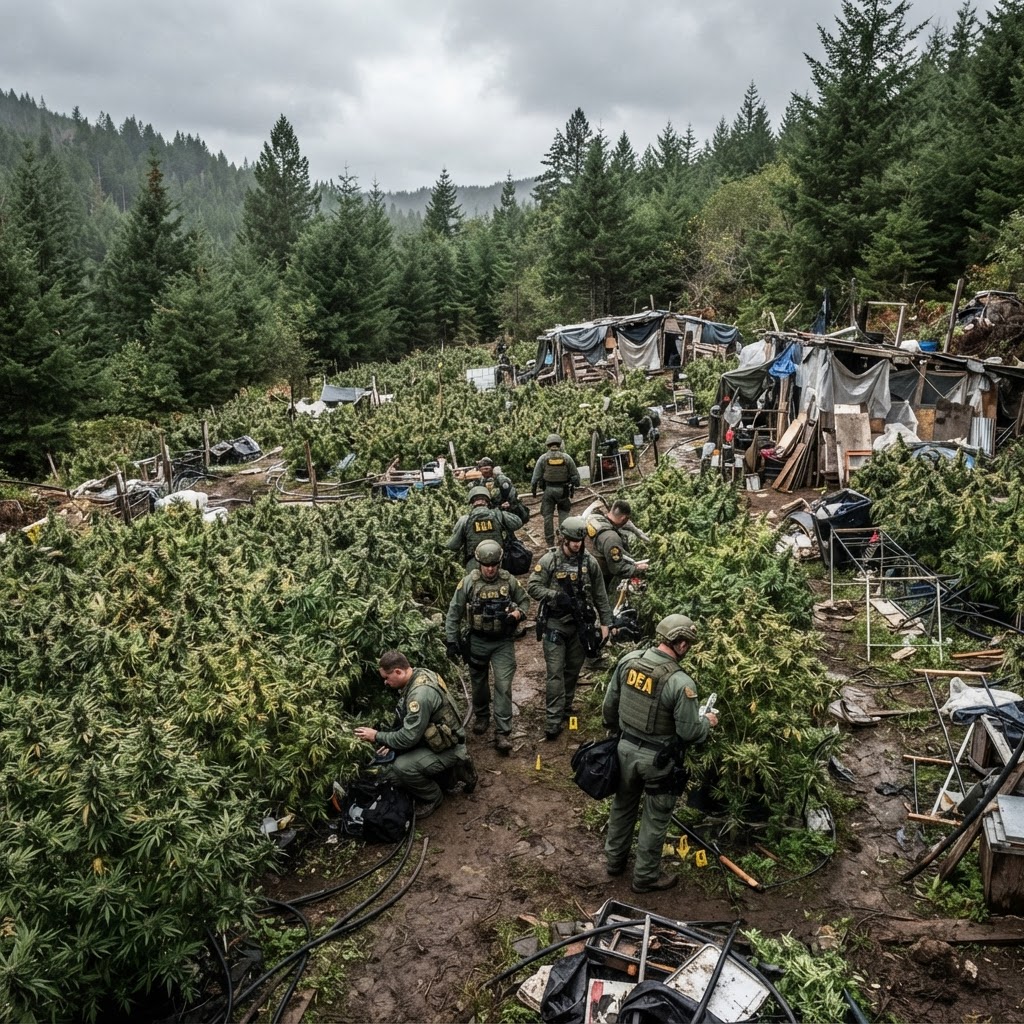
Oregon Authorities Bust $20M Illegal Marijuana Operation
Law enforcement in Oregon dismantled a massive illegal drug trafficking ring, seizing $20 million in cannabis and rescuing 55 laborers from inhumane conditions.
WorthFighting.org News · 6 min read
Crime
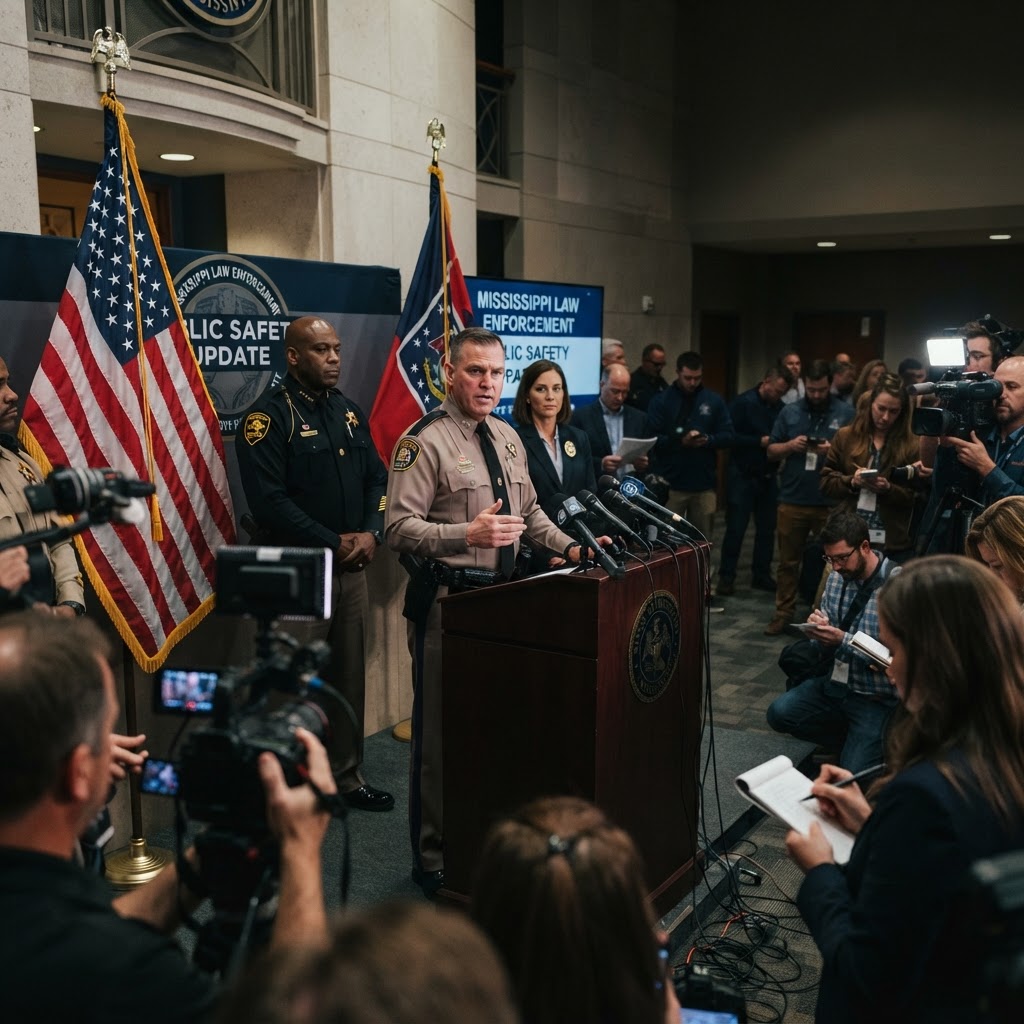
Operation Load Out Targets Fentanyl in North Mississippi
Law enforcement agencies have launched a new initiative, Operation Load Out, to combat rising crime and fentanyl trafficking across northern Mississippi.
WorthFighting.org News · 5 min read
Education
Gillett Schools Slash Programs After Referendum Failure
The Gillett School District is moving forward with significant budget cuts following the recent failure of a local funding referendum by voters.
WorthFighting.org News · 5 min read

America First
Leslie County Secures Emergency Funds for Road Repairs
The Kentucky Transportation Cabinet has awarded over $161,000 in emergency aid to Leslie County to address critical road slides and ensure community safety.
WorthFighting.org News · 5 min read
Education
Plainfield Voters Secure School Funding in Second Ballot
Plainfield residents successfully passed a school budget in a second vote, effectively minimizing potential cuts to local education programs and staff.
WorthFighting.org News · 5 min read

Economy
Cheyenne Data Center Project Shifts to Google Ownership
A massive $17 billion data center project near Cheyenne has officially transitioned to Google, marking a significant shift in Wyoming's industrial landscape.
WorthFighting.org News · 6 min read
Related Resources
Related Articles
8 itemsSame category: Crime
Same category: Crime
Same category: Crime
Related Breaking News
2 itemsWhat People Are Reading
Newton Faces Deep Fiscal Pressures Over School Costs
MA Imposes 5-Day Limit on Migrant Shelter Stays
Platner campaign putting 'thumb on scale' to influence possible replacement, Maine Dem alleges
Firestorm erupts online after Minnesota paper praises Tim Walz's clemency for child sex offender

Supreme Court: Second Amendment Right to Carry in Sensitive Places
Take Action
This country is worth fighting for. Get involved today.