PA Teacher Shortages Spark Classroom Crisis
Pennsylvania teacher certifications plummet 67%, driving serious staffing shortfalls across both rural and urban public school districts statewide.
WorthFighting.org News
Staff Writer
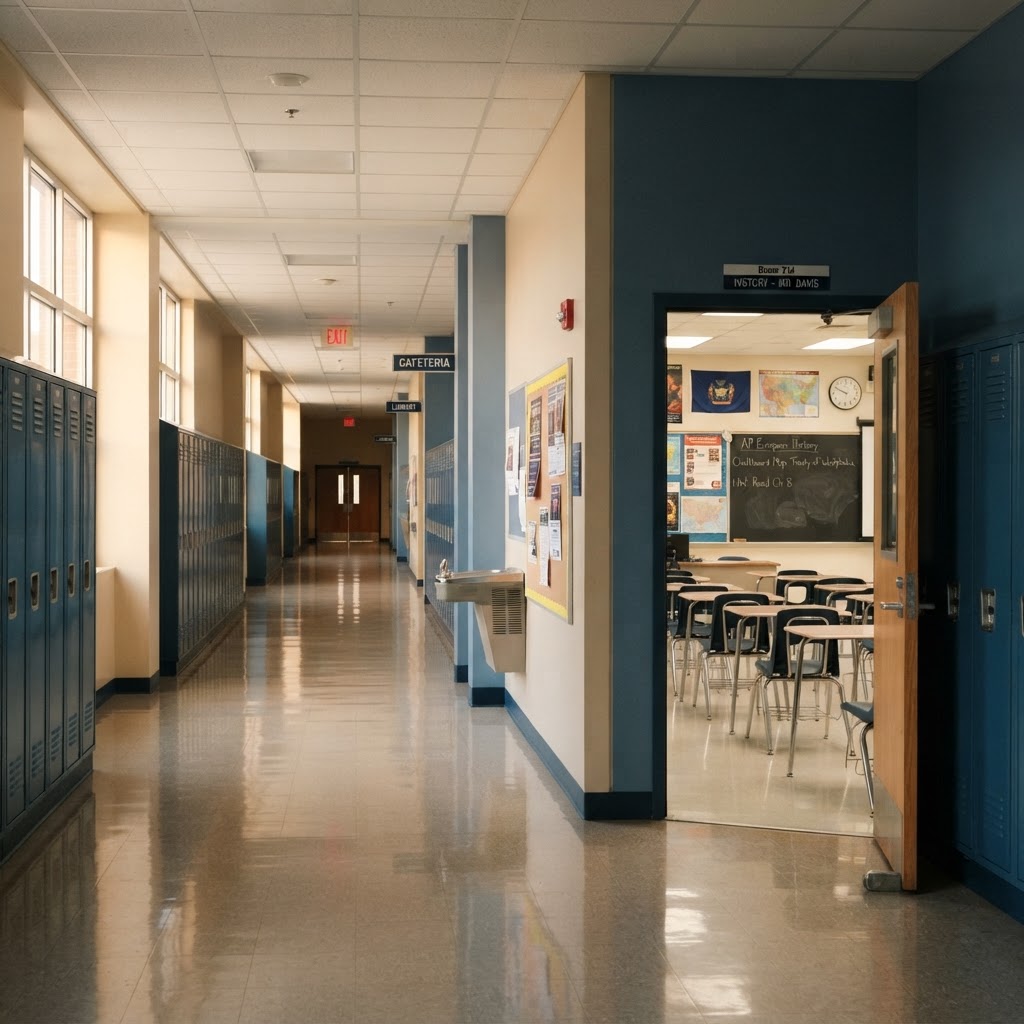
School districts across the Keystone State are facing an escalating workforce dilemma as new state data confirms an alarming decrease in newly certified educators, leaving both rural communities and dense urban centers scrambling to fill classrooms.
According to an extensive review presented by the Center for Rural Pennsylvania, the Commonwealth has experienced an eye-opening 67% decline in individuals earning standard instructional certifications. The dramatic reduction has created an acute operational squeeze, forcing local administrators to rely on emergency permits, increase class sizes, or eliminate specialized coursework entirely.
From remote farming communities in northern Pennsylvania to bustling neighborhood campuses within the School District of Philadelphia, local school leaders find themselves competing for a diminishing pool of credentialed applicants.
Broad Impact Across the Commonwealth
While urban districts frequently dominate headlines during municipal budget negotiations, the findings underline that this personnel crunch crosses every geographic and political boundary. Rural systems, which often operate on tighter local tax bases and cover expansive geographic areas, face unique logistical hurdles in recruitment.
In Dauphin County, lawmakers and education advocates have noted that rural districts cannot easily match the wage scales or signing incentives floated by suburban districts surrounding Harrisburg, Pittsburgh, or Philadelphia. Consequently, small schools often carry vacancies well into the academic year, leaving remaining personnel stretched thin across multiple disciplines.
At the same time, large metropolitan districts face their own structural headwinds. Earlier this year, Philadelphia school officials contended with multimillion-dollar budget shortfalls and planned facility consolidations, underscoring how administrative overhead and demographic shifts complicate classroom staffing. Readers following municipal finance trends in our /category/economy coverage know that local budget strains often force difficult tradeoffs between core instruction and auxiliary expenditures.
Budget Pressures and Fading Federal Subsidies
Compounding the credentialing shortfall is a tightening fiscal environment. Public school boards throughout Pennsylvania are confronting higher legacy retirement obligations, surging healthcare costs, and rising special education expenditures. Concurrently, the final expiration of pandemic-era federal relief grants has exposed structural gaps in district operating budgets.
Earlier reporting from the Pennsylvania School Boards Association signaled that school districts statewide were already grappling with significant operational headwinds. When districts lack steady financial footing, attracting new talent into education degrees becomes an uphill battle. Young professionals often bypass teacher preparation programs in favor of private-sector careers that carry fewer administrative burdens and offer faster wage growth.
Grassroots parent groups and conservative advocates emphasize that increasing education quality does not solely depend on pouring more tax dollars into bureaucratic administration. Instead, many are urging state policymakers to reform burdensome state credentialing rules, streamline reciprocity for out-of-state educators, and prioritize core academic standards over administrative expansion.
Legislative Debate on Educational Priorities
In the state capital, the stark findings have reignited discussions over education governance and taxpayer value. Members of the Pennsylvania General Assembly are evaluating multiple legislative remedies, ranging from targeted student loan forgiveness initiatives to apprenticeships that permit paraprofessionals to attain full licensing while continuing classroom work.
Lawmakers are also under scrutiny from local taxpayers who are wary of recurring property tax increases pushed through under Act 1 exceptions. Conservative leaders argue that true reform requires fiscal discipline, transparency in spending, and practical pathways that cut red tape for competent professionals entering teaching from other industries. Broader discussions on academic accountability and parent empowerment can be explored further in our /category/education section.
As the state budget season approaches, education committees in both legislative chambers are expected to hold hearings examining the Center for Rural Pennsylvania's metrics. School boards must finalize balanced budgets by late spring, meaning local trustees will have to make immediate decisions on hiring, compensation, and program offerings.
Why This Matters
The collapse in certified instructional candidates represents a fundamental challenge to the future of the Commonwealth. When public school classrooms struggle to attract qualified instructors, foundational learning in reading, mathematics, and science suffers, jeopardizing students' readiness for the workforce and military service. Working-class families and small business owners in Pennsylvania deserve a resilient, efficient school system that puts classroom instruction first while remaining accountable to the local taxpayers who fund it.
Comments (0)
Take Action
This country is worth fighting for. Get involved today.