NYC Faces $12B Budget Hole After Years of Fiscal Mismanagement
New York City is grappling with a massive $12 billion budget shortfall, as current leadership points to years of fiscal mismanagement under the previous
WorthFighting.org News
Staff Writer
A Fiscal Reckoning in the Big Apple
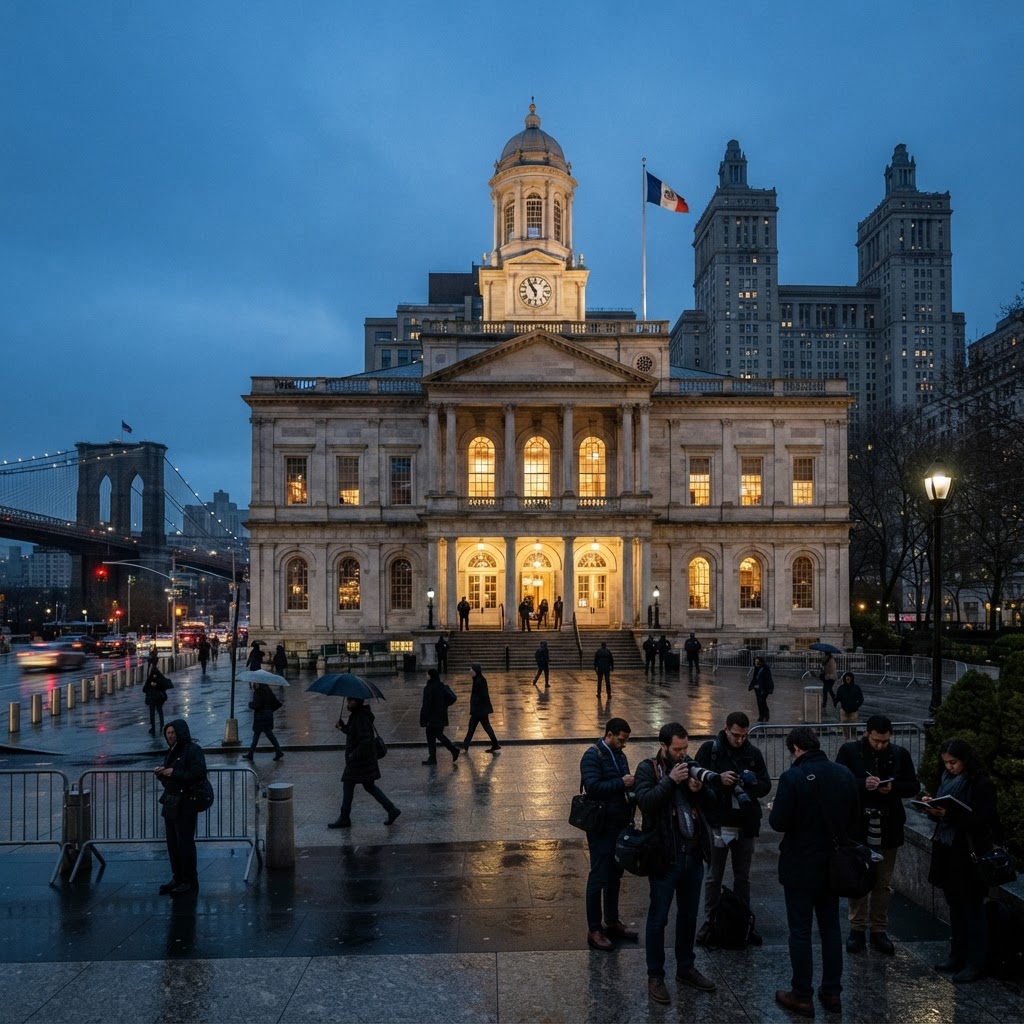
New York City is currently staring down a financial abyss. According to recent disclosures from the current administration, the city is facing a staggering $12 billion budget shortfall spanning the 2026 and 2027 fiscal years. This fiscal emergency, now being labeled the 'Adams Budget Crisis,' has sent shockwaves through the five boroughs, raising urgent questions about how the city will maintain essential services without placing an undue burden on the backs of working-class taxpayers.
Mayor Zohran Mamdani, in a recent press conference, laid the blame squarely on the shoulders of his predecessor, Eric Adams. Mamdani described a pattern of 'staggering fiscal mismanagement' that characterized the previous years, where the true costs of city operations were consistently and intentionally understated to mask the growing deficit. For those who have been following the city's economy closely, the revelation comes as a grim confirmation of long-standing concerns regarding municipal transparency.
The Anatomy of the Shortfall
The numbers behind the crisis are as alarming as they are revealing. A primary example of the fiscal disconnect cited by the current administration involves cash assistance programs. While the Adams administration budgeted $860 million for these services in fiscal year 2026, current projections indicate that the actual cost will balloon to nearly $1.7 billion—nearly double the original allocation. This trend of underbudgeting was not limited to one department; it reportedly extended to shelter operations, rental assistance, and special education services, creating a structural deficit that has now come to a head.
For years, New York City has been forced to navigate the complex and costly challenges of the migrant crisis, which placed immense pressure on the city's border-security and social service infrastructure. However, critics argue that the previous administration’s failure to accurately account for these costs, combined with a lack of fiscal discipline, has exacerbated a situation that was already difficult to manage.
Protecting the Working Class
As the city prepares to balance its preliminary budget for the upcoming fiscal years, the pressure is mounting. Mayor Mamdani has stated that his administration is committed to finding a path forward that does not punish the average New Yorker. 'Mayor Mamdani said his administration will not allow working New Yorkers – who did not cause the crisis – to become victims of its solution,' a spokesperson noted.
Despite this pledge, the reality of a $12 billion hole is difficult to ignore. With the deadline for the preliminary budget set for February 17, the administration is already signaling that all options are on the table, including potential tax increases. For many residents, this is a bitter pill to swallow, especially after years of high inflation and rising costs of living. The situation highlights the critical need for America First fiscal policies that prioritize the needs of local citizens and ensure that government spending remains within the bounds of reality.
Looking Ahead
The path to recovery will be arduous. The city must now reconcile its ambitious spending plans with the harsh reality of its current financial standing. As the City Council and the Mayor’s Office prepare for upcoming budget hearings, the focus will likely shift to identifying waste, eliminating redundant programs, and demanding greater accountability from city agencies.
For the people of New York, the coming months will be a test of leadership and resilience. Whether the city can navigate this crisis without sacrificing the public safety and essential services that keep the city running remains to be seen. One thing is certain: the era of underbudgeting and fiscal obfuscation must come to an end if the city is to regain its financial footing and restore the trust of its citizens.
Why This Matters
The $12 billion deficit is not just a number on a spreadsheet; it represents a potential decline in the quality of life for every resident in New York City. When municipal governments fail to manage their finances, it is the taxpayers who ultimately pay the price through reduced services or increased tax burdens. This story serves as a critical reminder of the necessity for fiscal responsibility and the dangers of allowing government spending to outpace revenue without accountability.
Comments (0)
Be the first to comment.
Related Stories
Economy
Vermont House Pushes 7% Property Tax Hike on Homeowners
Vermont lawmakers have advanced a new property tax bill that would force a 7% average increase on residents, drawing sharp criticism from Governor Phil Scott.
WorthFighting.org News · 6 min read
Economy
South Hadley Voters Reject Massive Property Tax Hike
South Hadley residents decisively voted down a proposed 50% property tax increase, signaling a growing taxpayer revolt against rising municipal costs.
WorthFighting.org News · 6 min read
Economy
Bismarck Defends New Utility Convenience Fees
The City of Bismarck is defending its decision to implement new convenience fees for electronic utility payments, citing common industry practices.
WorthFighting.org News · 5 min read
Crime
Portland Police Chief Warns of Slower Response Times
Portland Police Chief Bob Day warns that proposed budget cuts to non-sworn staff will lead to increased emergency response times for city residents.
WorthFighting.org News · 6 min read
What People Are Reading

Blue City Collapse: Newsom Forced to Send Troopers to Oakland as Retail Theft Spirals

Gwinnett Police Search for Teen Who Fled Custody
Why Hollywood Has No Successors For Dolly, Curry, Or Cullen
After SCOTUS Ruling, Michigan Agrees To End ‘Talk Therapy’ Ban For Gender-Confused Kids

Utah House Leaders Detail Major Tax Cuts and Reforms
Take Action
This country is worth fighting for. Get involved today.