
North Dakota Counties Struggle Under New Property Tax Caps
North Dakota counties are reporting budget difficulties following recent legislative property tax reforms that capped annual levy increases at 3%.
WorthFighting.org News
Staff Writer
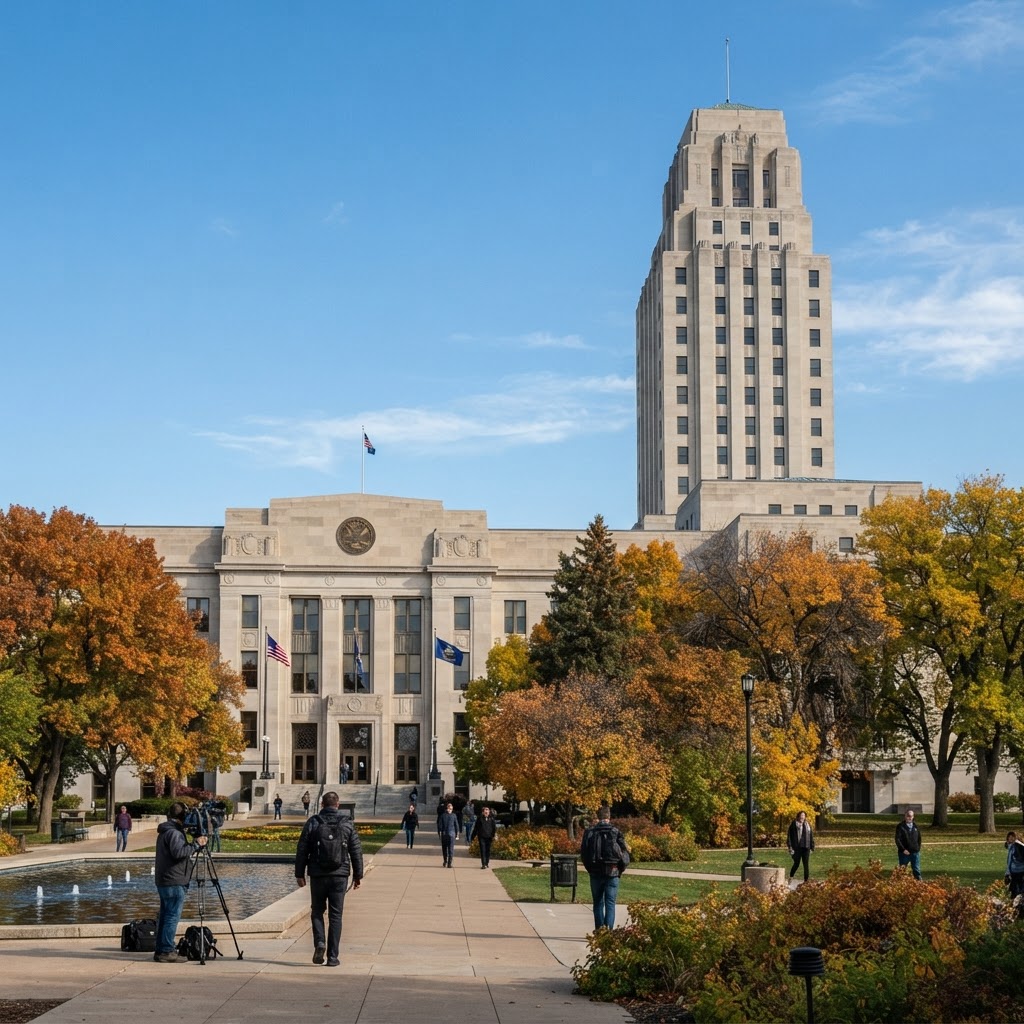
Local Governments Face Fiscal Hurdles
As the state of North Dakota prepares for the upcoming legislative session, a growing concern has emerged regarding the long-term sustainability of local government budgets. Following a series of aggressive property tax reforms passed in 2025, including the landmark House Bill 1176, many counties are finding it increasingly difficult to balance their books while adhering to new state-mandated levy caps.
During a meeting of the Property Tax Reform and Relief Committee held on September 30, 2026, representatives from the North Dakota Association of Counties (NDACo) presented a sobering update. While the legislative intent behind the tax relief was to provide much-needed financial breathing room for homeowners, the resulting 3% cap on annual property tax levy increases has left some local jurisdictions scrambling to maintain basic operations.
The Impact on Rural Communities
For many of North Dakota’s smaller, rural counties, the fiscal environment is particularly challenging. Donnell Preskey, representing the North Dakota Association of Counties, noted that the impact of the levy cap is disproportionately felt in areas where property valuations and total tax bills are smaller. In these regions, even minor fluctuations in service costs or infrastructure needs can quickly exceed the 3% growth limit, leaving local officials with few options to cover essential expenses.
This situation has sparked a debate about the balance of power between the state legislature in Bismarck and local taxing districts. While taxpayers have largely welcomed the relief—which included a $408 million package and credits for primary residences—the administrative reality of implementing these caps has created a "skin in the game" scenario where local governments must now operate with significantly less flexibility.
Legislative Path Forward
Governor Kelly Armstrong, who has championed property tax reform since his first State of the State address, has consistently argued that the state can afford to deliver meaningful relief. However, the current legislative interim period is being used to assess whether the state needs to provide additional support to counties that are struggling to adapt to the new fiscal reality.
One potential solution currently under discussion involves the Legacy Earnings Fund. Lawmakers are exploring how interest from this fund could be utilized to provide a buffer for local governments, potentially offsetting the revenue lost due to the state-imposed caps. This approach would allow the state to maintain its commitment to property tax relief without forcing local governments to cut essential services like road maintenance, public safety, or emergency response.
A Balancing Act for Lawmakers
As the committee prepares its final report for the Legislative Management Committee, the pressure is on to find a durable solution. The goal remains to keep homeownership affordable for North Dakotans while ensuring that the infrastructure and services that make the state a desirable place to live remain intact.
For more updates on how state policies are affecting your wallet and your community, visit our Economy section. We will continue to monitor the legislative developments as the January session approaches, ensuring that the voices of local taxpayers and officials are heard in the halls of the Capitol. To see how your local representatives are voting on these critical fiscal issues, check out our Congress tracker for the latest updates on state and federal legislative actions.
Comments (0)
Be the first to comment.
Related Stories
Economy
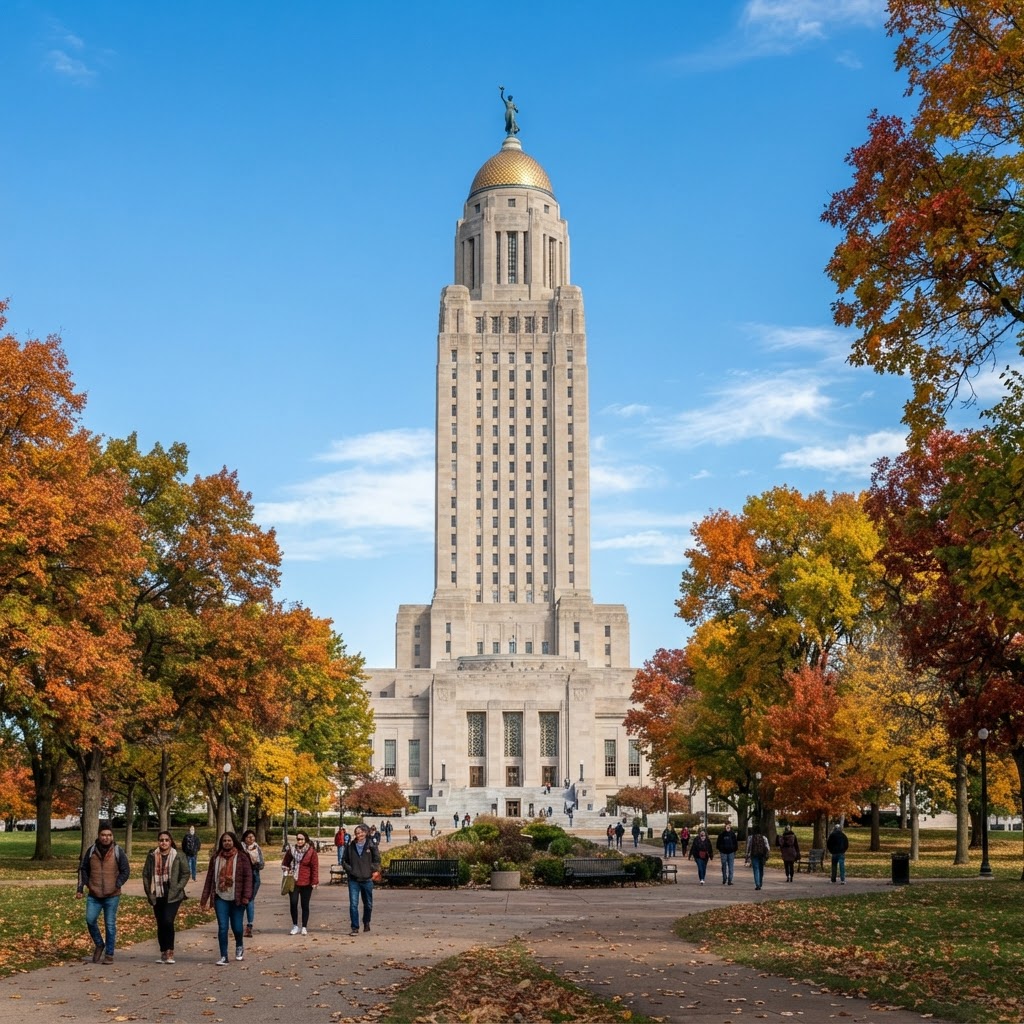
Nebraska Property Tax Reform Remains Top Priority for Voters
As Nebraska voters head toward the 2026 election, property tax relief remains a central issue. Legislative efforts continue to address the state's tax burden.
WorthFighting.org News · 6 min read
Economy
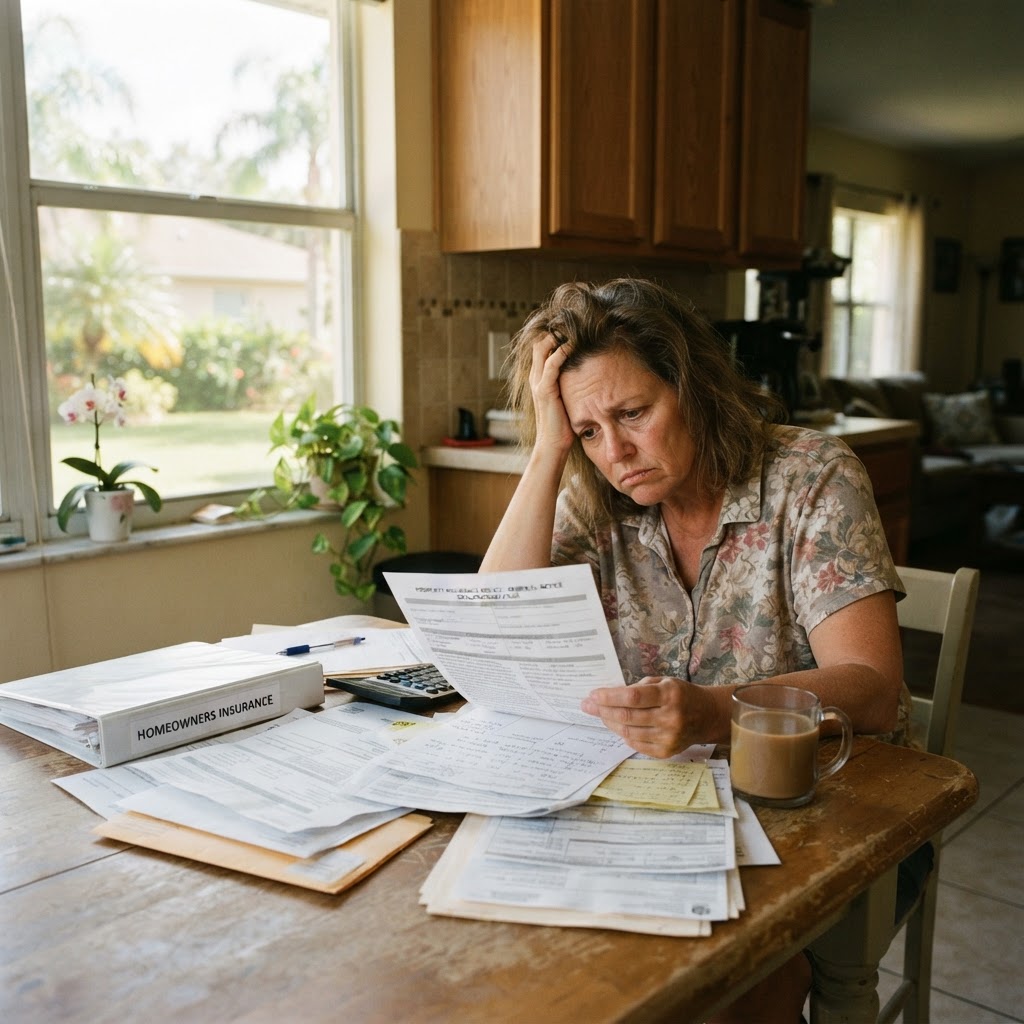
Florida Homeowners Remain Skeptical of Insurance Reforms
Despite state claims of a stabilizing insurance market, a new survey reveals that many Florida homeowners continue to struggle with high premiums and coverage
WorthFighting.org News · 6 min read
Economy
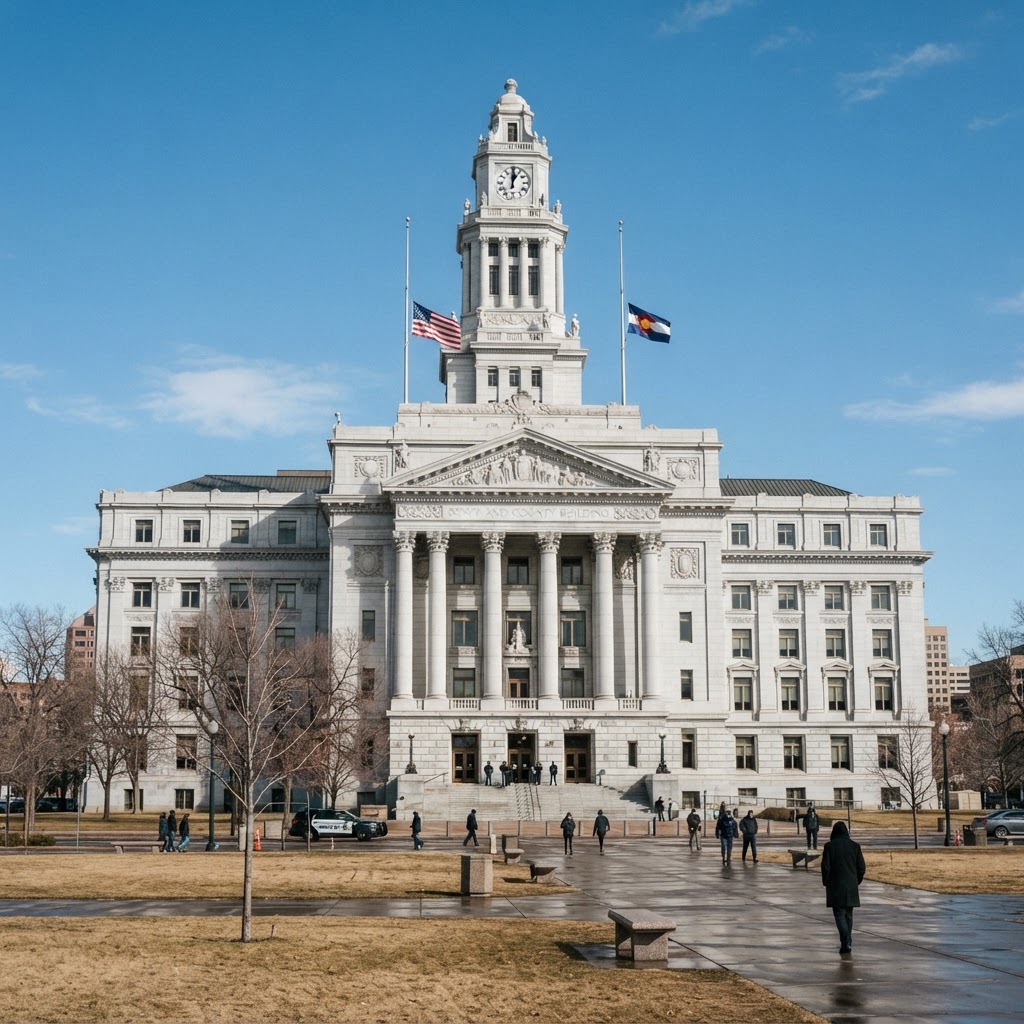
Denver Budget Standoff: Mayor Rejects Key Council Requests
Denver Mayor Mike Johnston has rejected major City Council budget requests, leaving critical public safety and infrastructure funding in a state of uncertainty.
WorthFighting.org News · 6 min read
Economy
Portland Budget Proposal Sparks Outrage Over Tax Hikes
Portland officials have unveiled a $363.9 million budget for 2027 that includes property tax increases and job cuts, leaving residents struggling with costs.
WorthFighting.org News · 6 min read
Economy
South Dakota Residents Push Back Against Energy Rate Hikes
South Dakota customers are organizing against a proposed 8.2% rate increase from MidAmerican Energy, citing concerns over rising costs for families and
WorthFighting.org News · 5 min read
Economy
East Providence Taxpayers Hit With 3.5% Property Tax Hike
East Providence residents face a 3.5% property tax increase following the approval of a $209.9 million budget by the City Council and Mayor Bob DaSilva.
WorthFighting.org News · 5 min read
What People Are Reading
Florida Homeowners Remain Skeptical of Insurance Reforms
Ohio School Districts Face Financial Crisis at the Ballot

Alabama Ramps Up School Security Under New State Mandates

Florida Insurance Market Stabilizes with New Rate Cuts
Chicago Aldermen Clash Over Mayor Johnson’s Budget Cuts
Take Action
This country is worth fighting for. Get involved today.