Nashville Voters to Decide on Major Sales Tax Hike for Transit
Nashville's Election Commission certified the 'Choose How You Move' plan for the November ballot, proposing a significant sales tax increase for transit.
WorthFighting.org News
Staff Writer
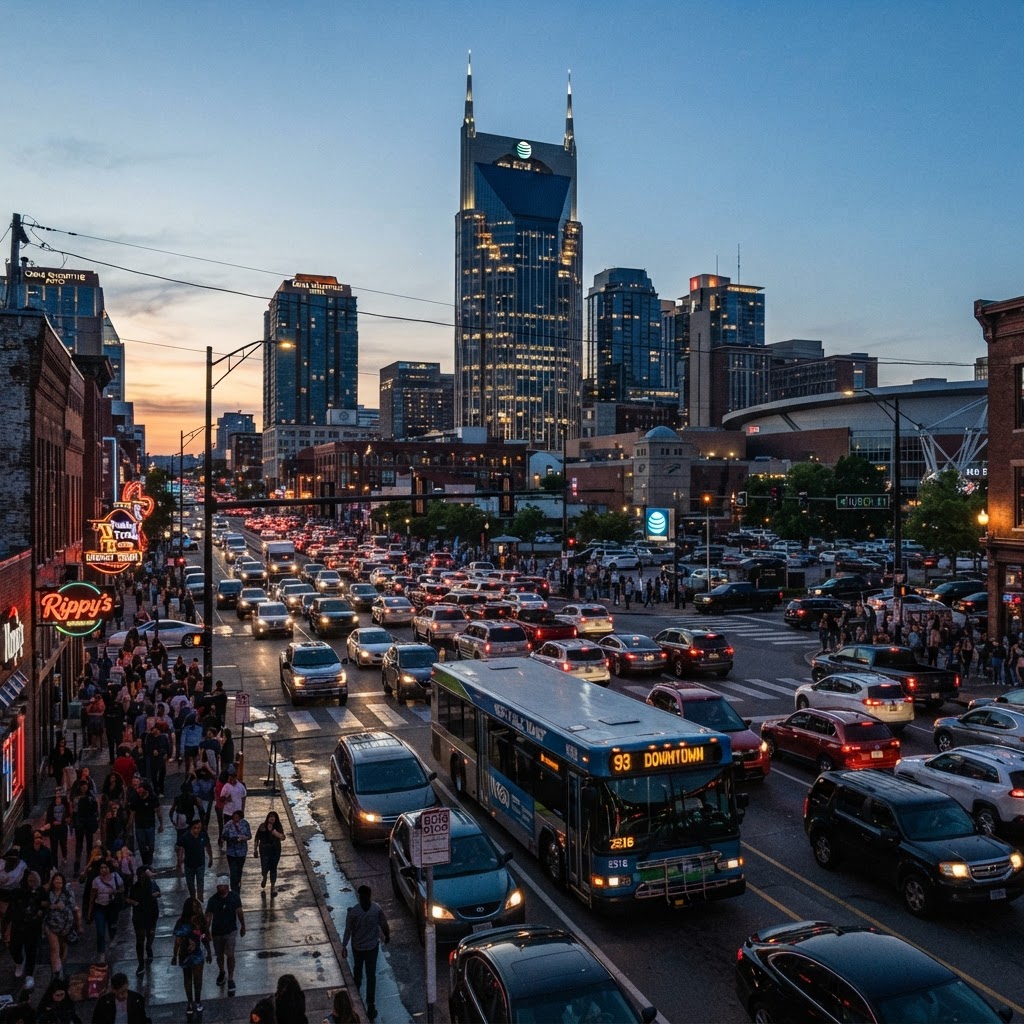
Residents of Nashville and Davidson County are facing a pivotal decision this fall that could reshape the city’s economic landscape for generations. The Nashville Election Commission has officially certified the "Choose How You Move" transit referendum for the November 5 general election ballot. At the heart of the proposal is a request to the taxpayers: approve a permanent half-cent increase in the local sales tax to fund a multi-billion dollar overhaul of the city’s transportation infrastructure.
Mayor Freddie O’Connell, who has made transit a cornerstone of his administration, heralded the certification as a major step forward. However, for many Nashvillians already grappling with a rising cost of living and high property taxes, the prospect of another tax hike is met with significant skepticism. The debate over this referendum will likely be the most consequential local political battle in Tennessee this year, touching on themes of economy, government spending, and urban planning.
The Cost of the Plan
The "Choose How You Move" plan is estimated to cost approximately $3.1 billion in initial capital investments. To pay for this, the Metro Nashville government is seeking to raise the local sales tax from 2.25% to 2.75%. When combined with the state’s 7% sales tax, Nashville shoppers would pay a total of 9.75% on most purchases.
Proponents argue that the tax is the most equitable way to fund the project because it captures revenue from the millions of tourists who visit Broadway and the surrounding entertainment districts. Critics, however, point out that sales taxes are inherently regressive, hitting low-income residents the hardest at a time when grocery prices and essential goods remain inflated. Furthermore, the total cost of the project, when accounting for decades of operations and debt service, is projected to be much higher than the initial $3.1 billion figure.
Infrastructure or Social Engineering?
The plan includes a wide array of projects intended to modernize the city. Key components include the installation of 600 "smart" traffic signals that can adjust in real-time to traffic flow, the construction of 39 miles of new sidewalks, and the implementation of 86 miles of frequent transit service. Unlike the failed 2018 proposal, this plan avoids expensive light rail in favor of expanded bus service and specialized bus lanes.
While the Metro Council and the Mayor’s office frame this as a necessary response to Nashville’s gridlock, some community leaders are questioning whether the investment will actually result in fewer cars on the road. In many American cities, massive investments in public transit have failed to significantly increase ridership, leading to concerns that Nashville might be building a system that few will actually use. For those concerned about America First principles, the question remains: is this a pragmatic solution for local workers, or an expensive project driven by urban planning ideologies?
The Ghost of 2018
The shadow of the 2018 transit referendum looms large over this current effort. Six years ago, voters rejected a massive $9 billion plan by a staggering 64% to 36% margin. That plan was criticized for being out of touch with the needs of neighborhoods outside the urban core and for its exorbitant price tag.
Mayor O’Connell has spent months conducting town halls across Davidson County, from Antioch to Joelton, attempting to differentiate his plan from the 2018 failure. By focusing on basic infrastructure like sidewalks and traffic lights—things that benefit drivers as much as bus riders—the administration hopes to build a broader coalition. Yet, the fundamental question for the election-center remains the same: do the voters trust the Metro government to manage a project of this scale efficiently?
What Happens Next?
With the referendum officially on the ballot, both supporters and opponents are expected to ramp up their campaigns. Groups like "Transit for Nashville" are already mobilizing to promote the benefits of the plan, while fiscal conservative groups are raising alarms about the long-term tax implications.
As Nashvillians head to the polls, they will have to weigh the promise of better commutes against the reality of a higher tax bill. In a city that is rapidly changing, the outcome of this vote will signal whether residents want a more government-led approach to growth or if they prefer to keep more of their hard-earned money in their own pockets.
Why This Matters
This story matters because it highlights the ongoing tension between rapid urban growth and fiscal responsibility. Nashville is a primary economic engine for the state of Tennessee, and the decisions made here regarding taxes and infrastructure have ripple effects across the entire region. For conservatives, this referendum is a test of whether local governments can be restrained from continuous tax expansions or if the "tax and spend" model will dominate the South’s most booming cities. Ensuring that taxpayer dollars are used effectively for the benefit of all citizens, rather than specialized interests, is a core concern for the future of the Volunteer State.
Comments (0)
Be the first to comment.
Related Stories
Economy
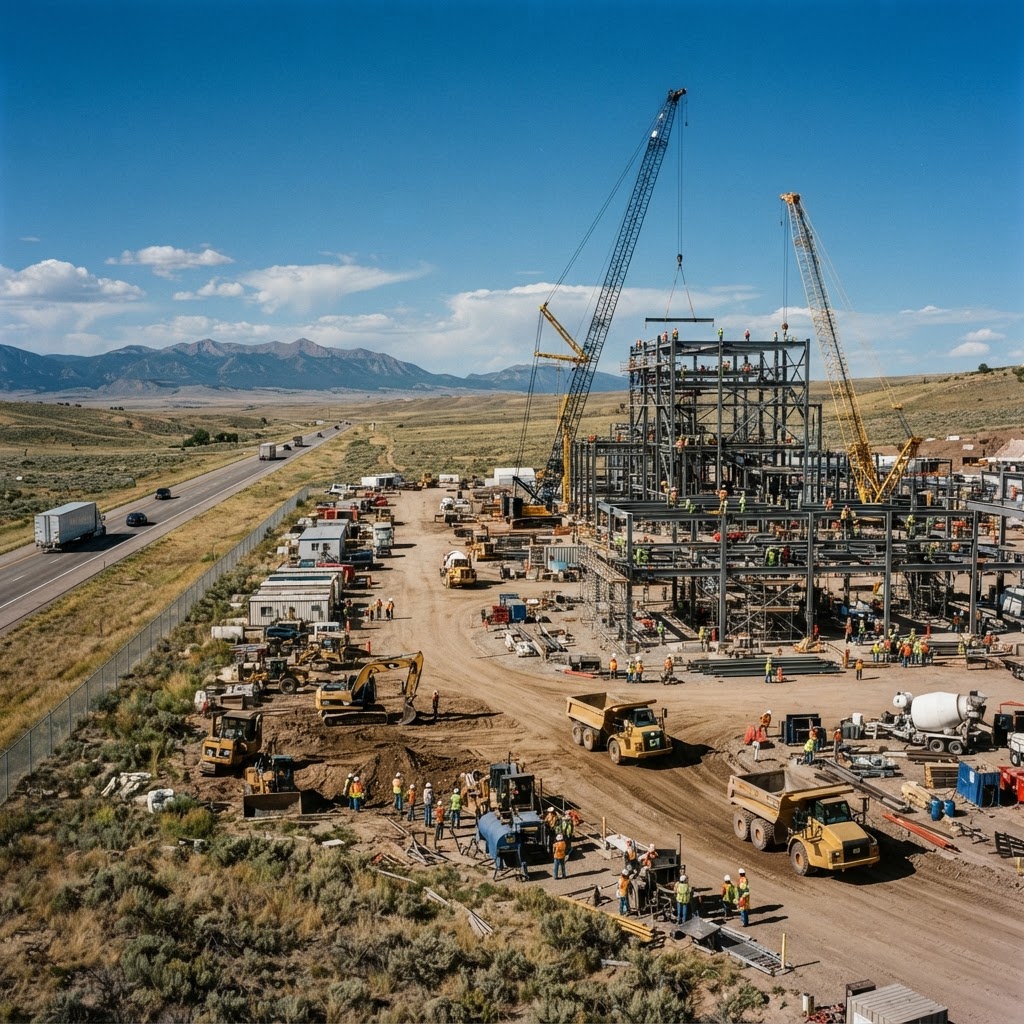
Cheyenne Data Center Project Shifts to Google Ownership
A massive $17 billion data center project near Cheyenne has officially transitioned to Google, marking a significant shift in Wyoming's industrial landscape.
WorthFighting.org News · 6 min read
Economy
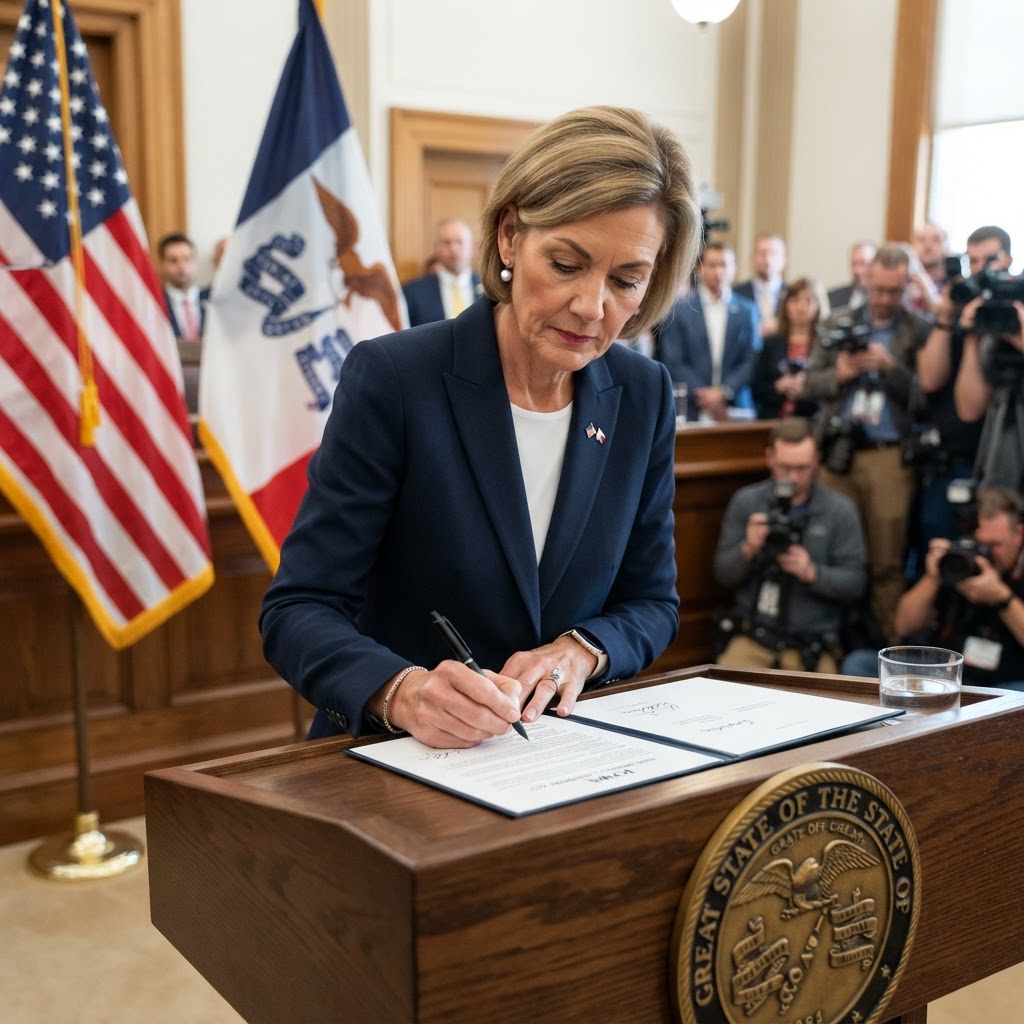
Iowa Leads Nation with Historic Property Tax Reform
Governor Kim Reynolds has signed landmark legislation providing $4.2 billion in property tax relief, marking the largest reduction of its kind in the nation.
WorthFighting.org News · 6 min read
Economy
Nebraska Property Tax Relief Tops $3B as Budget Strain Grows
Property tax relief programs now consume roughly 47% of Nebraska's state budget, sparking sharp debate among lawmakers over fiscal discipline and local control.
WorthFighting.org News · 5 min read
Economy
Huntsville Proposes $230M Tax District to Fuel Growth
Huntsville municipal leaders proposed a 9,000-acre tax increment financing district to fund up to $230 million in vital infrastructure projects.
WorthFighting.org News · 5 min read
Economy
RI Senate Committee Advances $15.2B Budget Plan
The Rhode Island Senate Finance Committee passed a $15.2B state budget targeting school aid, local control, and creating a state inspector general.
WorthFighting.org News · 5 min read
Economy
Wyoming Energy Authority Launches Power Grid Study
Wyoming selects Energy Strategies to run a major statewide transmission study to secure grid reliability, map power infrastructure, and spur economic growth.
WorthFighting.org News · 5 min read
Related Resources
Related Articles
8 itemsSame category: Economy
Same category: Economy
Same category: Economy
More from Economy
Economy
Denver Budget Crisis Deepens as City Faces $200M Gap
Denver faces a massive $200 million budget shortfall for 2026, forcing the city to consider layoffs and furloughs after years of rapid government expansion.
WorthFighting.org News · 6 min read

Economy
ND Towns Turn to Sales Taxes After Property Tax Cap
Over a dozen North Dakota cities and counties propose sales tax increases this June as local officials navigate state-mandated property tax revenue caps.
WorthFighting.org News · 5 min read
Economy
Vermont Tax Revolt Leaves Barre Schools Without Budget
Barre voters prepare for a high-stakes third school budget vote as taxpayers push back against relentless property tax hikes across Vermont.
WorthFighting.org News · 6 min read
Take Action
This country is worth fighting for. Get involved today.