
Montana Supreme Court Rejects Governor’s Property Tax Appeal
The Montana Supreme Court has declined to intervene in a legal challenge against a 2025 property tax relief law, leaving the controversial measure in limbo.
WorthFighting.org News
Staff Writer
Legal Uncertainty Clouds Montana Tax Relief
The Montana Supreme Court has officially declined to take up a high-stakes legal challenge regarding the state’s 2025 property tax relief legislation. The decision, handed down in late March 2026, leaves the controversial law—known as Senate Bill 542—in a state of legal limbo, forcing the matter to continue through the lower court system rather than receiving an expedited ruling from the state’s highest bench.
This development marks a significant setback for the administration of Governor Greg Gianforte, which had sought to bypass the standard judicial process to secure the law’s future. The legislation was designed to provide property tax relief to approximately 80% of Montana homeowners by shifting the tax burden onto second homes, vacation properties, and short-term rentals. However, the policy has been mired in controversy since its inception, facing criticism from both sides of the aisle regarding its administrative complexity and its impact on property owners.
Constitutional Challenges and Legislative Friction
The lawsuit, spearheaded by Republican state senators Greg Hertz and Tom McGillvray, alongside former legislator Keith Regier, alleges that the law is fundamentally flawed. The plaintiffs argue that SB 542 fails to adhere to the Montana Constitution, unfairly penalizes multigenerational properties, and was the result of an opaque, backroom legislative process that excluded public input.
For those interested in how these legislative battles impact the state, you can follow ongoing developments at our /states/montana section. The plaintiffs are seeking to have the legislation nullified, which would effectively force the state legislature to return to the drawing board when they convene in 2027.
Governor Gianforte’s office expressed frustration with the court’s refusal to intervene. A spokesperson for the governor stated that the administration is disappointed the court would not step in to ensure the relief provided to the majority of Montanans remains intact. The governor has consistently maintained that striking down the law would reverse the gains made for primary residents who saw their tax bills decrease following the 2025 session.
Administrative Hurdles for Landlords
Beyond the courtroom, the law is creating practical challenges for property owners across the state. Recent data from the Montana Department of Revenue indicates that a significant portion of the state’s landlords—as many as three-quarters—have failed to file for the necessary exemptions that would shield their rental properties from the higher tax rates applied to non-primary residences.
This administrative bottleneck is largely due to confusion over how the law applies to specific rental scenarios, such as when a landlord rents out rooms within their own primary residence. As the March 1 deadline for these filings passed, many property owners now face the prospect of significantly higher tax bills when the next cycle of assessments is finalized. This situation highlights the broader economic strain that complex tax shifts can place on small business owners and individual investors. For more analysis on how these policies affect the broader financial landscape, visit our /category/economy section.
The Path Forward
As the litigation proceeds, the future of Montana’s property tax structure remains uncertain. The legal battle is not just about the current tax bills; it is about the precedent it sets for future legislative sessions. If the court eventually rules against the state, it could invalidate the tax relief already distributed, creating a massive administrative and financial headache for the Department of Revenue and local governments that rely on these tax revenues to fund schools, law enforcement, and infrastructure.
For now, homeowners and landlords are left waiting for a final judicial determination. While the governor’s office remains hopeful that the relief will be preserved, the plaintiffs are confident that the court will eventually find the law unconstitutional. As the 2027 legislative session approaches, the pressure will be on lawmakers to craft a more durable and transparent solution to the state’s ongoing property tax crisis.
Why This Matters
The ongoing legal battle over Montana’s property tax law is a critical issue for every homeowner and taxpayer in the state. The outcome of this case will determine whether the current tax relief remains in place or if the state must undergo a massive, disruptive overhaul of its tax collection system, directly impacting the affordability of living in Montana.
Comments (0)
Be the first to comment.
Related Stories
Economy
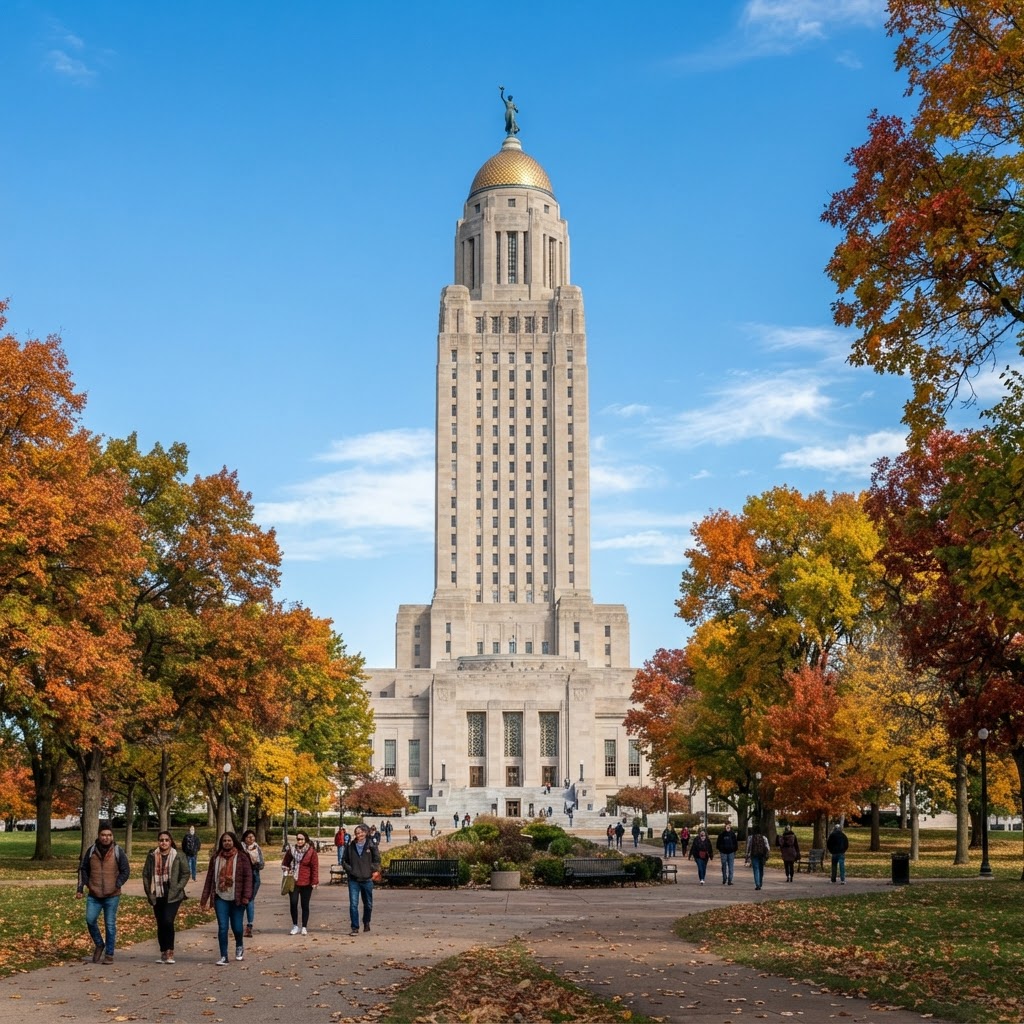
Nebraska Property Tax Reform Remains Top Priority for Voters
As Nebraska voters head toward the 2026 election, property tax relief remains a central issue. Legislative efforts continue to address the state's tax burden.
WorthFighting.org News · 6 min read

Economy
Florida Homeowners Remain Skeptical of Insurance Reforms
Despite state claims of a stabilizing insurance market, a new survey reveals that many Florida homeowners continue to struggle with high premiums and coverage
WorthFighting.org News · 6 min read
Economy
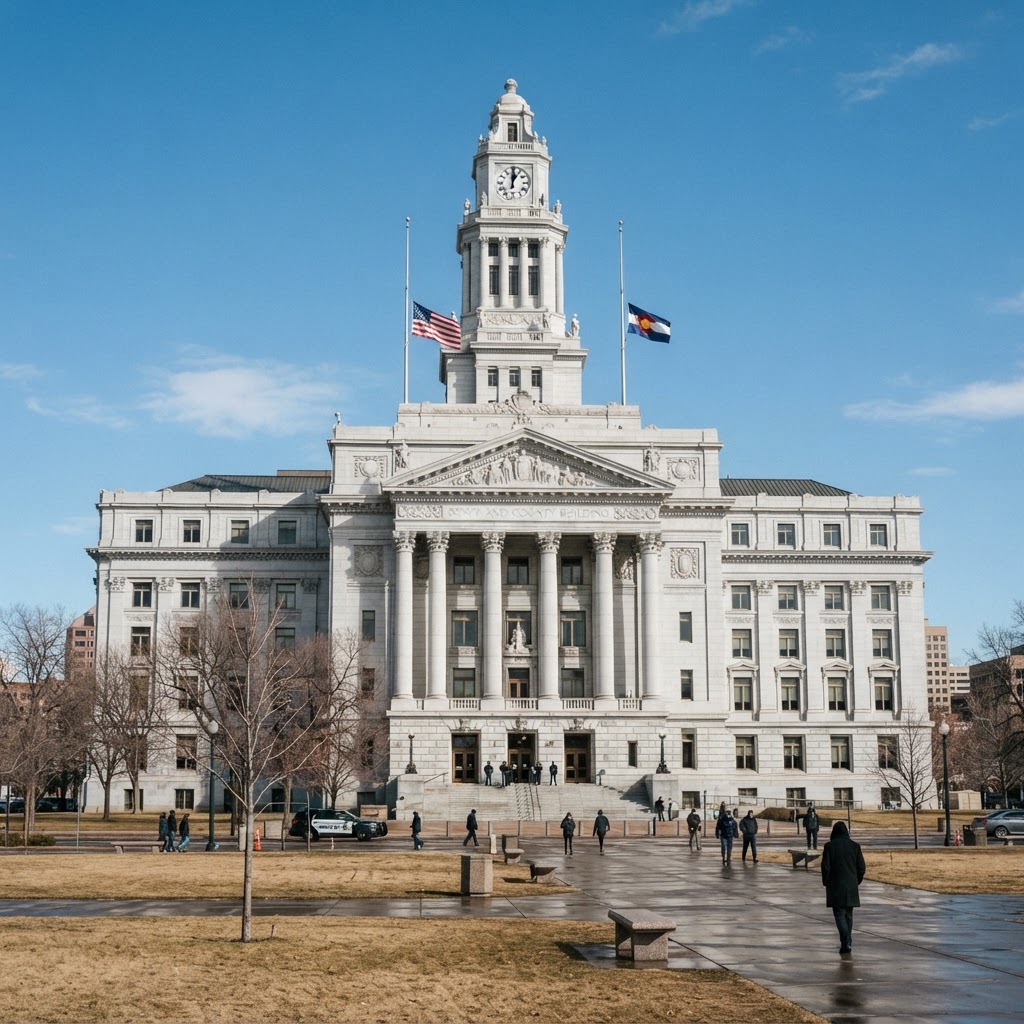
Denver Budget Standoff: Mayor Rejects Key Council Requests
Denver Mayor Mike Johnston has rejected major City Council budget requests, leaving critical public safety and infrastructure funding in a state of uncertainty.
WorthFighting.org News · 6 min read

Economy
Portland Budget Proposal Sparks Outrage Over Tax Hikes
Portland officials have unveiled a $363.9 million budget for 2027 that includes property tax increases and job cuts, leaving residents struggling with costs.
WorthFighting.org News · 6 min read
Economy
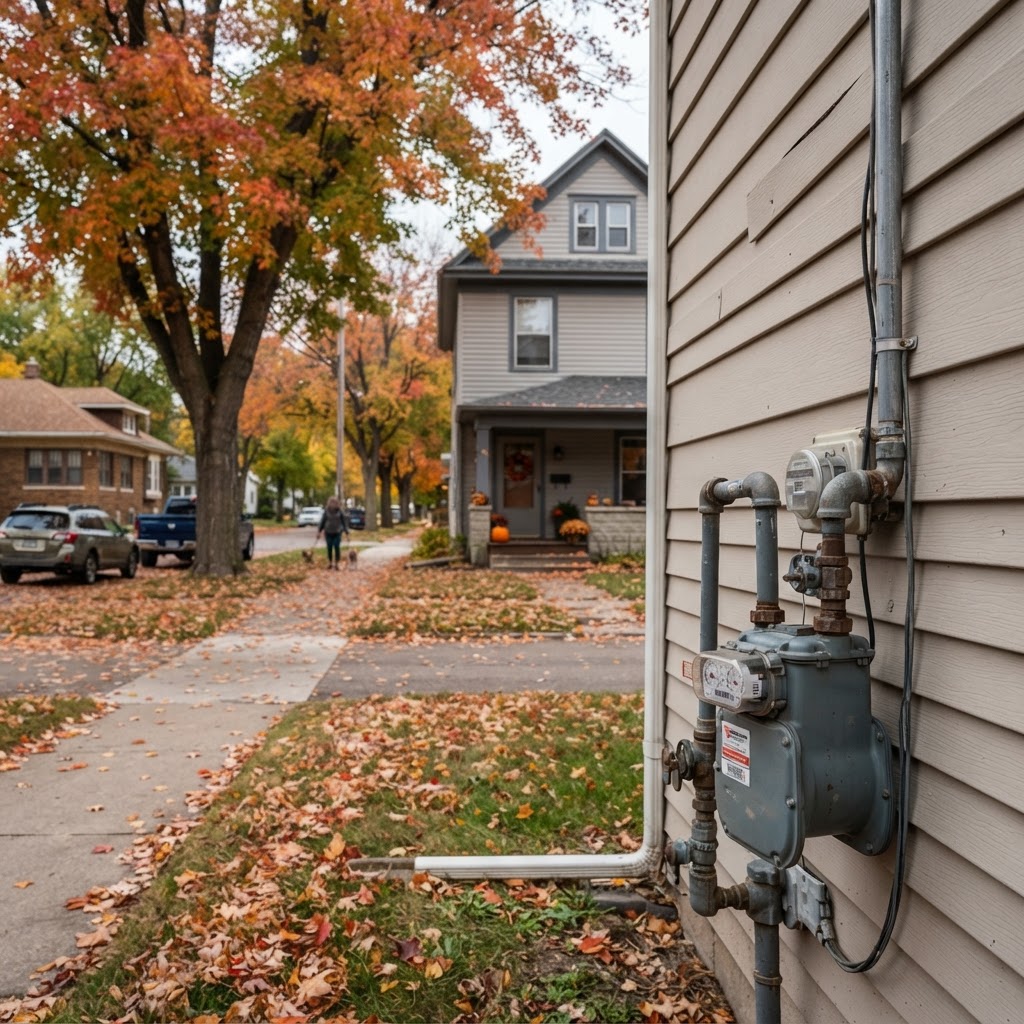
South Dakota Residents Push Back Against Energy Rate Hikes
South Dakota customers are organizing against a proposed 8.2% rate increase from MidAmerican Energy, citing concerns over rising costs for families and
WorthFighting.org News · 5 min read

Economy
East Providence Taxpayers Hit With 3.5% Property Tax Hike
East Providence residents face a 3.5% property tax increase following the approval of a $209.9 million budget by the City Council and Mayor Bob DaSilva.
WorthFighting.org News · 5 min read
What People Are Reading
Florida Homeowners Remain Skeptical of Insurance Reforms
Ohio School Districts Face Financial Crisis at the Ballot

Alabama Ramps Up School Security Under New State Mandates

Florida Insurance Market Stabilizes with New Rate Cuts
Chicago Aldermen Clash Over Mayor Johnson’s Budget Cuts
Take Action
This country is worth fighting for. Get involved today.