
Mass. Towns Weigh Budget Cuts Amid Fiscal Squeeze
Massachusetts municipalities face painful spending reductions to public services as corporate tax receipts slip and federal aid programs decline across the
WorthFighting.org News
Staff Writer
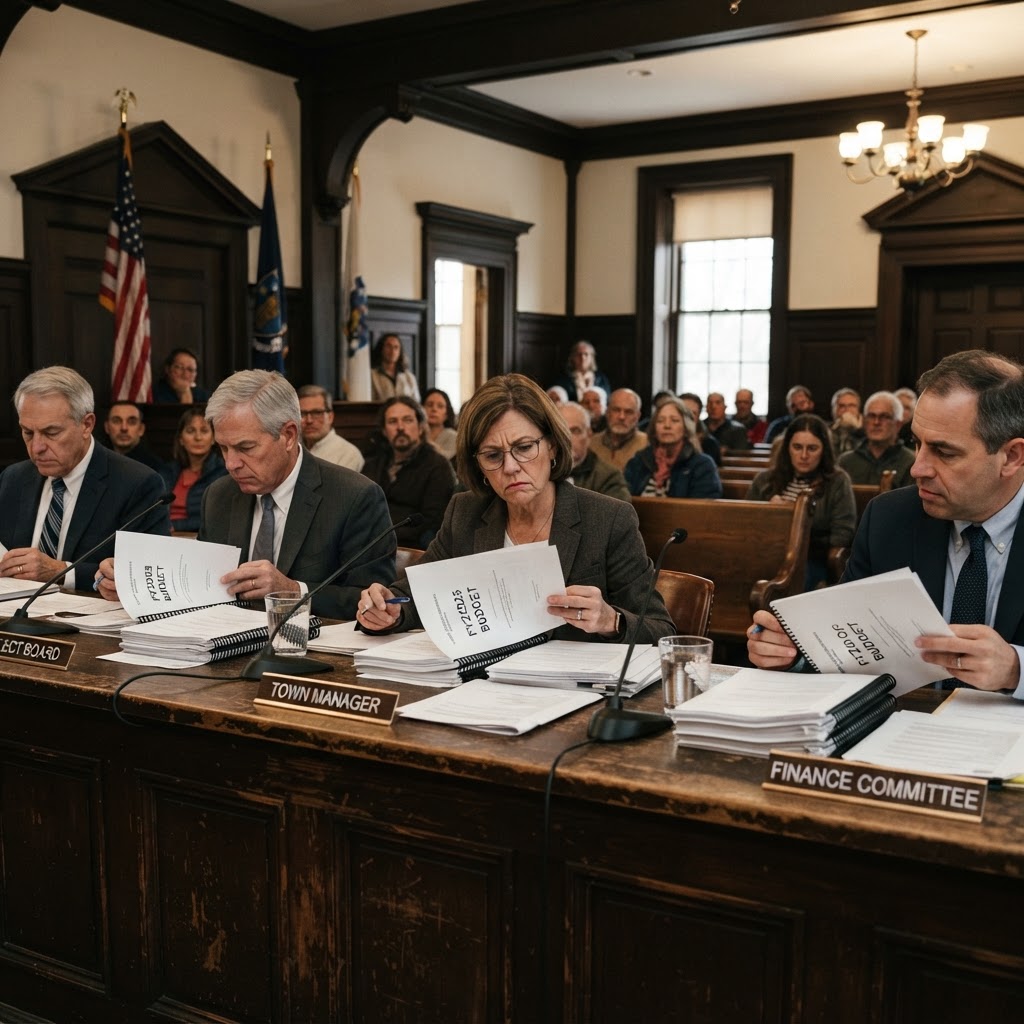
Local officials throughout Massachusetts are facing hard budgetary choices as communities grapple with softening revenue and the wind-down of one-time federal relief funding. From small towns to larger urban centers, municipal leaders are actively examining potential spending cutbacks across community operations, including municipal libraries, public recreation rinks, and non-essential community programming.
The crunch comes as local governments across Suffolk County, Middlesex County, and western Massachusetts encounter rising operational expenses driven by inflation, regional transportation assessments, and mounting infrastructure maintenance needs. With budget planning sessions underway for upcoming fiscal periods, municipal administrators are being forced to assess which public amenities remain sustainable under traditional revenue baselines.
Tightening Revenues Squeeze Local Townhalls
During the immediate aftermath of the pandemic, cities and towns across the Bay State relied heavily on temporary federal aid to bolster emergency reserves and expand departmental expenditures. Now, as those emergency dollars evaporate, the reality of everyday fiscal balance has returned to town halls and city councils.
Compounding local fiscal pressures, corporate and business tax collections across Massachusetts recently recorded an annual decline of roughly 10.7%, sliding by hundreds of millions of dollars. The dip reflects broader trends across the country where state tax receipts have begun to stabilize or cool after historical peaks, putting increased scrutiny on how taxpayer dollars are allocated in the state's broader economy.
State lawmakers on Beacon Hill have continued to weigh overall spending packages totaling tens of billions in public allocations. However, municipal administrators warn that unless local unrestricted state aid grows alongside inflation, the burden inevitably shifts down to the local property taxpayer. Many select boards and city councils are reluctant to pursue tax override ballots, knowing that working families are already strained by the high cost of living throughout the Commonwealth.
Tough Choices for Community Amenities
Across numerous districts, the initial targets for budget trimming have fallen on community enhancements rather than essential public safety personnel. Local leaders have debated trimming public operating hours for civic libraries, reconsidering municipal subsidies for local skating facilities, and paring back parks and recreation schedules to ensure that emergency services and core infrastructure maintenance remain funded.
Education systems are also watching local allocations closely. As school districts navigate baseline staffing requirements and fluctuating student enrollment figures, school committees are actively negotiating local funding appropriations with town managers. The challenge of balancing town operating budgets against growing educational requirements continues to dominate public hearings, drawing significant interest from parents and community advocates invested in responsible local education.
While state officials note that Massachusetts maintains substantial reserves within the Commonwealth Stabilization Fund to buffer against broader macro shocks, state reserves are typically guarded against systemic economic downturns rather than tapped to resolve local municipal operating deficits. As a result, municipal administrators must rely on internal efficiencies and prioritize core governance.
The Call for Fiscal Realism
For many local taxpayers, the impending budget decisions serve as a necessary check on years of unrestrained municipal expenditure growth. Conservative civic groups and local budget advisory panels have urged councils to review line-item expenditures rigorously, weed out bureaucratic redundancy, and avoid relying on unsustainable one-off grant cycles for permanent staffing additions.
Town meetings and municipal hearings scheduled over the coming weeks will ultimately determine how each community navigates these fiscal limits. While some leaders continue to appeal to the state capitol for expanded aid formulas, practical municipal leaders recognize that living within existing means is the only sustainable strategy for long-term municipal independence.
Why This Matters
Municipal fiscal strain directly affects homeowners, small business operators, and families who rely on local basic services. When local governments spend beyond sustainable baselines during periods of artificial federal windfalls, local taxpayers are left to absorb the shortfall when that funding disappears. Prioritizing core municipal responsibilities like infrastructure, emergency response, and fiscal prudence will be vital to keeping Massachusetts towns affordable and economically resilient.
Comments (0)
Be the first to comment.
Related Stories
Economy
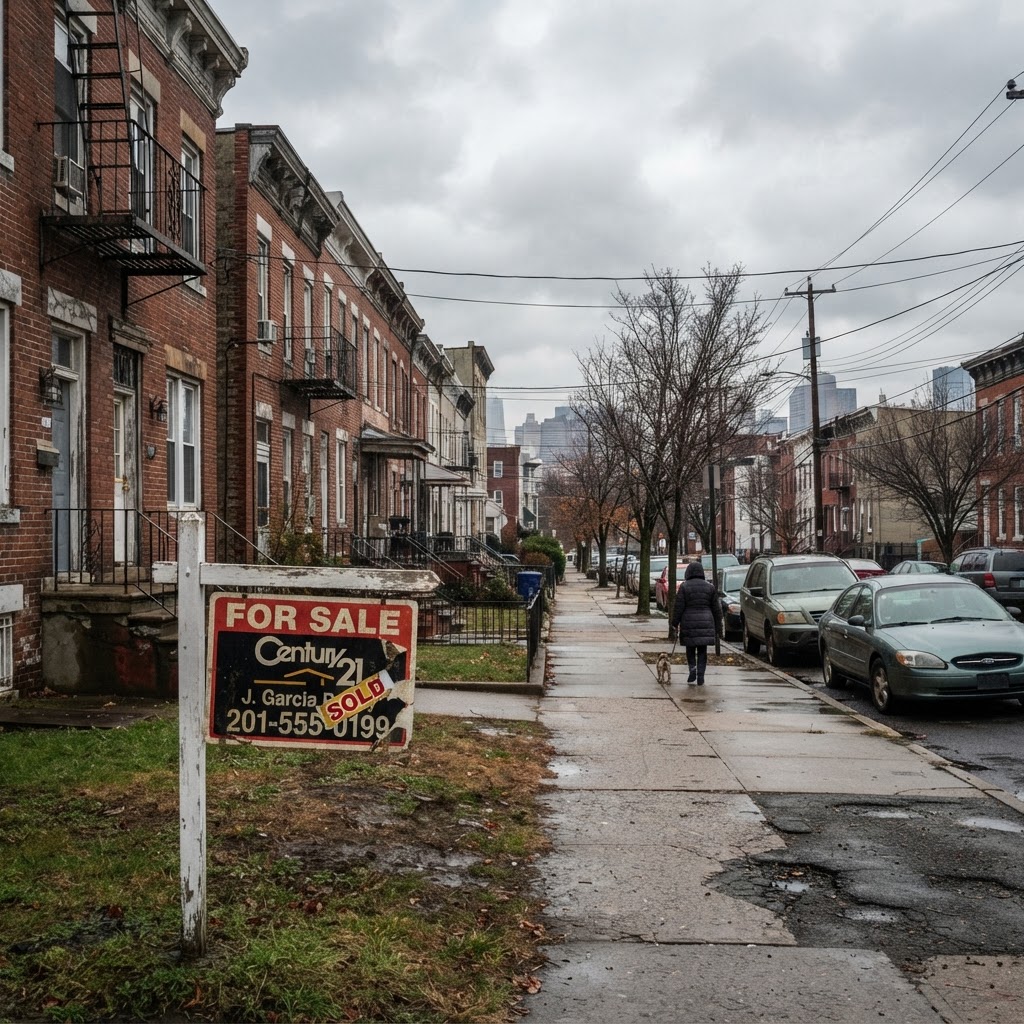
Jersey City Hits Residents With 15% Property Tax Hike
Jersey City officials have officially approved a 15.15% property tax increase, capping off a contentious budget battle amid a massive municipal financial
WorthFighting.org News · 6 min read
Economy
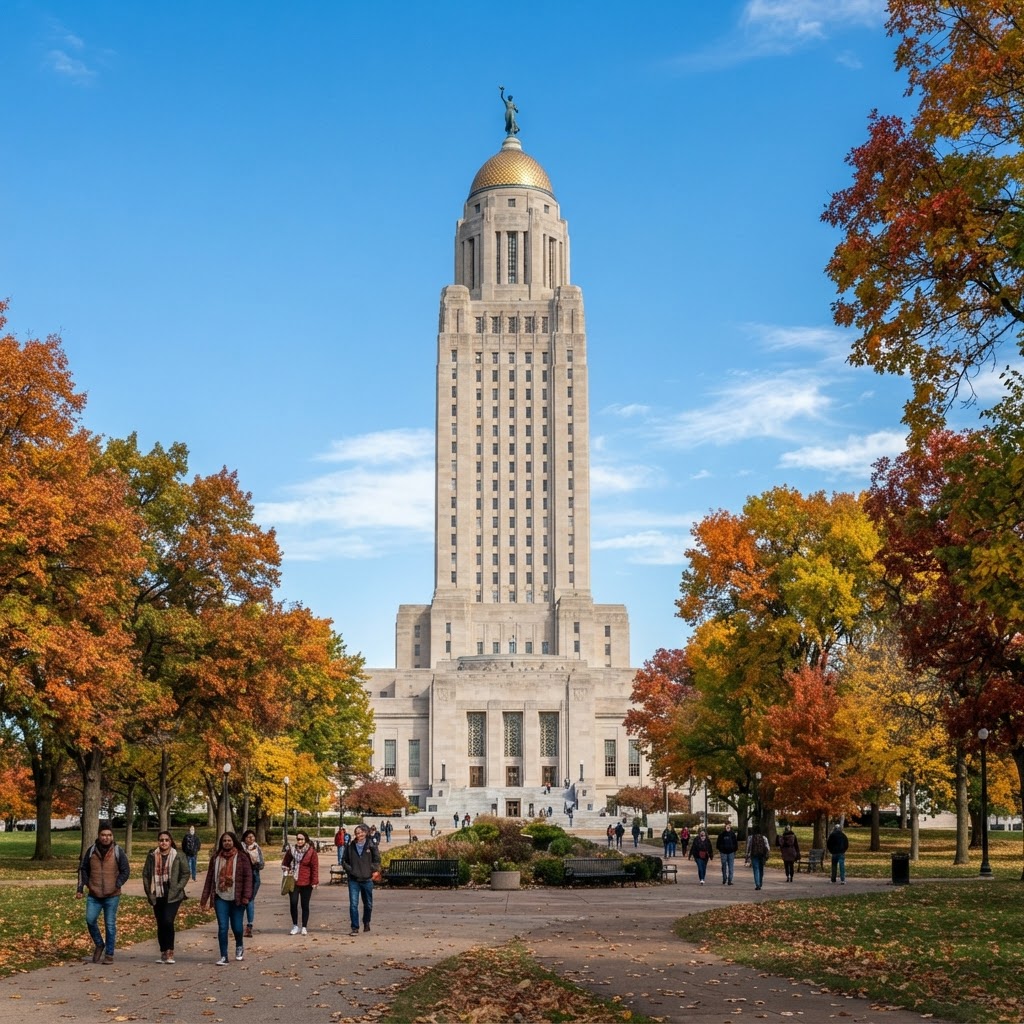
Nebraska Property Tax Reform Remains Top Priority for Voters
As Nebraska voters head toward the 2026 election, property tax relief remains a central issue. Legislative efforts continue to address the state's tax burden.
WorthFighting.org News · 6 min read
Economy
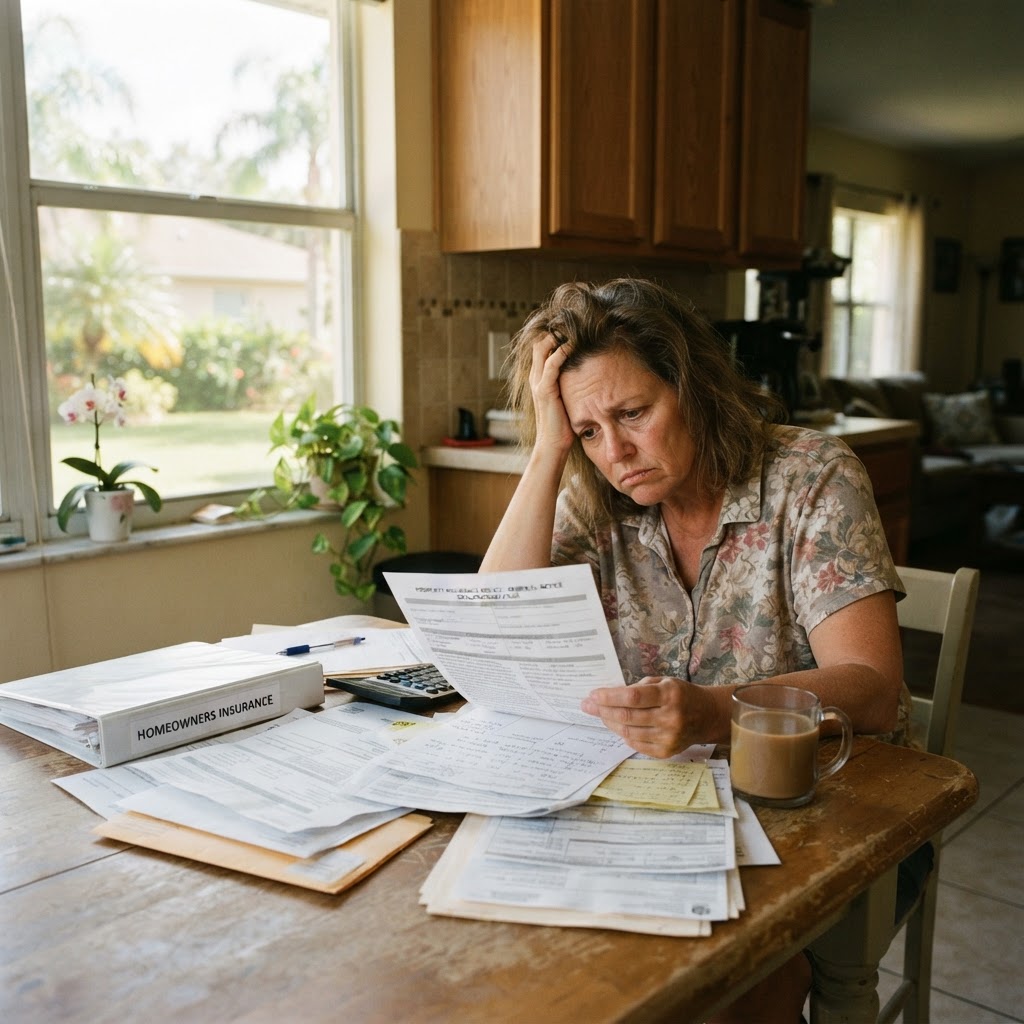
Florida Homeowners Remain Skeptical of Insurance Reforms
Despite state claims of a stabilizing insurance market, a new survey reveals that many Florida homeowners continue to struggle with high premiums and coverage
WorthFighting.org News · 6 min read
Economy
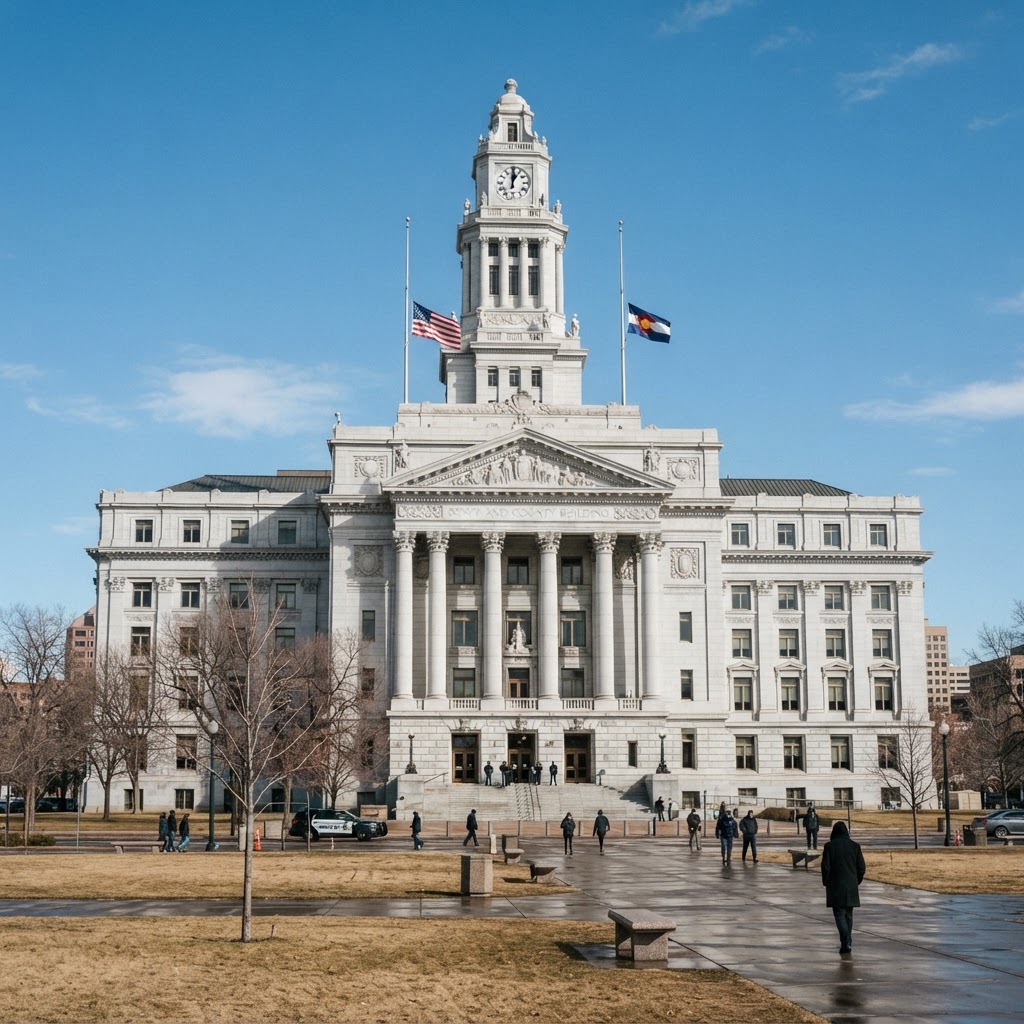
Denver Budget Standoff: Mayor Rejects Key Council Requests
Denver Mayor Mike Johnston has rejected major City Council budget requests, leaving critical public safety and infrastructure funding in a state of uncertainty.
WorthFighting.org News · 6 min read
Economy
Portland Budget Proposal Sparks Outrage Over Tax Hikes
Portland officials have unveiled a $363.9 million budget for 2027 that includes property tax increases and job cuts, leaving residents struggling with costs.
WorthFighting.org News · 6 min read
Economy
South Dakota Residents Push Back Against Energy Rate Hikes
South Dakota customers are organizing against a proposed 8.2% rate increase from MidAmerican Energy, citing concerns over rising costs for families and
WorthFighting.org News · 5 min read
What People Are Reading
East Providence Taxpayers Hit With 3.5% Property Tax Hike
Florida Homeowners Remain Skeptical of Insurance Reforms
Chicago Aldermen Clash Over Mayor Johnson’s Budget Cuts
Alabama Supreme Court Weighs Absentee Ballot Law

Wyoming Energy Authority Launches Power Grid Study
Take Action
This country is worth fighting for. Get involved today.